• Global CNC market projected to reach $128B by 2028 • New EU trade regulations for precision tooling components • Aerospace deman
NYSE: CNC +1.2%LME: STEEL -0.4%

RCEP Accelerates Tariff Cuts for 23 CNC Components

On 15 June 2026, the RCEP Joint Secretariat will implement accelerated tariff reductions for 23 critical CNC machine tool functional components exported from China to the ten ASEAN countries, Japan, South Korea, Australia, and New Zealand—eliminating import duties entirely. This policy shift directly impacts global industrial automation supply chains, particularly in regional smart manufacturing integration projects where cost competitiveness and delivery reliability are decisive.
Event Overview
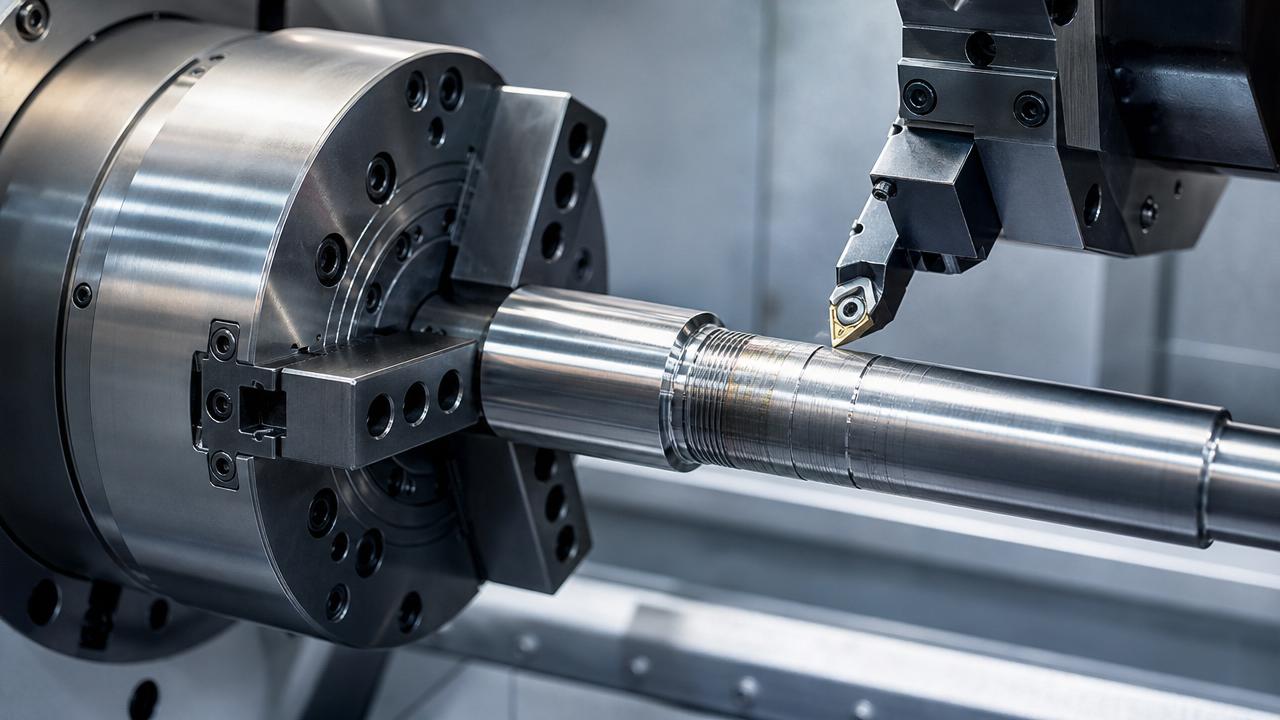
On 23 May 2026, the RCEP Joint Secretariat issued the Accelerated Tariff Concession List for Electromechanical Products, confirming that effective 15 June 2026, customs duties on Chinese-origin CNC hydraulic chucks, servo turrets, high-speed tool magazines, electric spindle cooling modules, and 19 other specified functional components will be reduced to 0% across all 15 RCEP member markets.
Industries Affected
Direct Exporting Enterprises: Manufacturers and trading firms exporting these 23 component categories face immediate margin improvement and enhanced price competitiveness in RCEP markets. The tariff elimination lowers landed costs by 5–12%, depending on destination country’s prior MFN or preferential rates—potentially shifting bid outcomes in integrated automation line tenders where component-level pricing is scrutinized.
Raw Material Procurement Enterprises: Suppliers of specialized alloys, precision bearings, and high-grade seals used in these components may see increased order volume and longer-term contracts as export-oriented manufacturers scale production. However, no automatic upstream duty relief applies—procurement cost pressures remain unchanged unless domestic input tariffs are separately adjusted.
Contract Manufacturing & Assembly Firms: Domestic OEMs and system integrators incorporating these zero-duty components into complete machines or turnkey automation lines gain flexibility in cost allocation and faster quotation turnaround. Their ability to offer bundled solutions with transparent, tariff-optimized BOMs strengthens positioning in cross-border EPC projects—especially in automotive parts and electronics assembly sectors.
Supply Chain Service Providers: Freight forwarders, customs brokers, and trade compliance consultants must update HS code mappings and origin documentation protocols for the 23 items. While administrative burden does not increase significantly, verification of RCEP origin certification (e.g., Form REX or self-certification) becomes mandatory for duty-free treatment—requiring tighter coordination between exporters and logistics partners.
Key Considerations and Recommended Actions
Verify Product Eligibility Against the Official List
Enterprises must cross-check their exact product specifications—including technical parameters and HS subheadings—against the Annex I table in the official Accelerated Tariff Concession List. Minor design variations (e.g., hydraulic vs. pneumatic actuation) may fall outside coverage.
Update Origin Certification Processes
Exporters must ensure robust internal controls for issuing valid RCEP origin statements. Self-certification is permitted, but auditable records—including material sourcing data and production process descriptions—must be retained for at least three years per RCEP Chapter 3 requirements.
Reassess Regional Sourcing Strategies
Firms previously sourcing equivalent components from Japan or South Korea for tariff or quality reasons should re-evaluate total landed cost—including logistics, lead time, and after-sales support—given the new parity in import duty treatment for Chinese alternatives.
Engage Early with Downstream Integrators
Component suppliers are advised to proactively share updated tariff status documentation and certified origin templates with key system integrator clients—enabling them to reflect duty savings in their own project bids and accelerate commercial adoption.
Editorial Perspective / Industry Observation
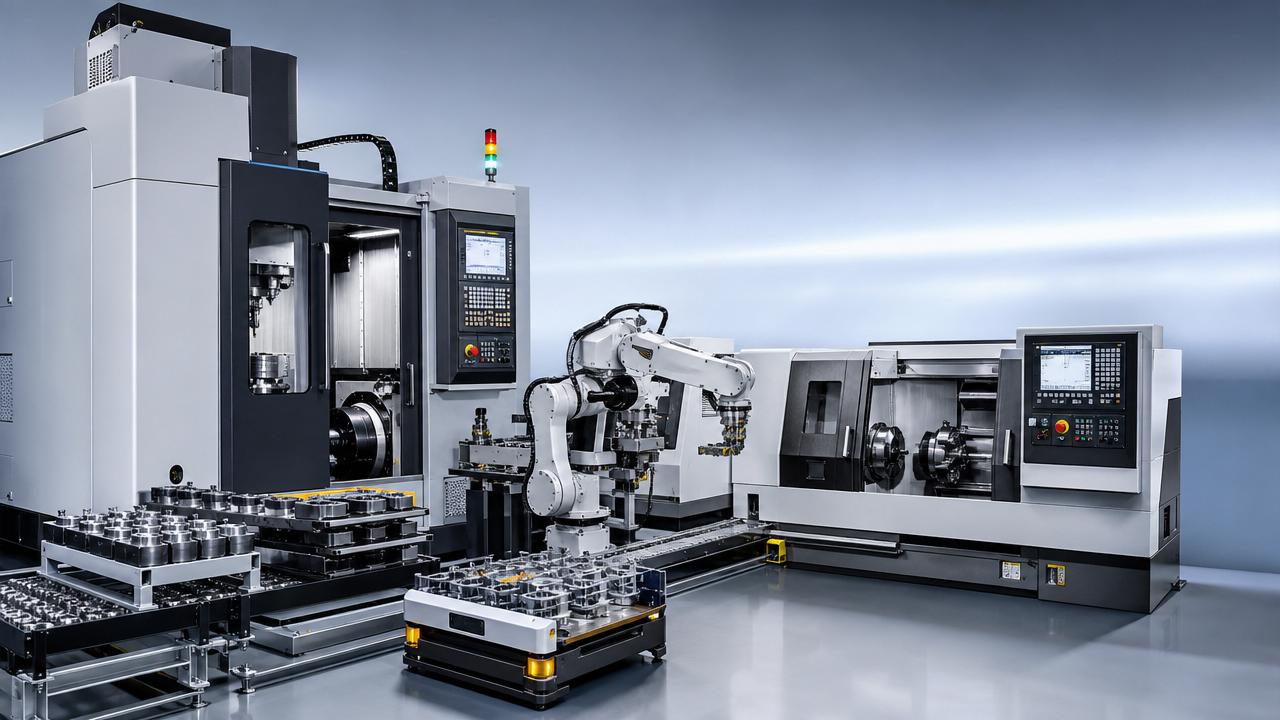
Observably, this acceleration reflects a strategic recalibration—not merely tariff liberalization, but a deliberate effort to consolidate regional value chains around standardized, interoperable automation hardware. Analysis shows the selected 23 items are not random; all serve as bottleneck components in multi-axis machining cells and flexible manufacturing systems. From an industry perspective, the move is better understood as infrastructure alignment: lowering friction in the physical layer of Industry 4.0 deployment, rather than a broad-based trade concession. Current evidence suggests downstream demand elasticity remains moderate—meaning price gains may translate more into market share than margin expansion unless accompanied by parallel improvements in technical support and local service networks.
Conclusion
This tariff adjustment marks a concrete step toward deeper operational integration across RCEP’s manufacturing ecosystem. Its significance lies less in absolute duty reduction—and more in signaling coordinated prioritization of automation-enabling technologies. A rational interpretation is that it lowers one structural barrier to regional co-development of smart factory solutions, without substituting for challenges in standards harmonization, data interoperability, or skilled workforce mobility.
Source Attribution
Official source: RCEP Joint Secretariat, Accelerated Tariff Concession List for Electromechanical Products, issued 23 May 2026 (Document No. RCEP/JS/EM/2026/03). Full text available via the RCEP Portal (https://www.rcepsecretariat.org). Note: Implementation details—including customs valuation treatment and anti-circumvention safeguards—remain subject to national regulatory updates; stakeholders are advised to monitor notifications from respective national customs authorities through Q3 2026.
Recommended for You
 Why does Production Process planning decide delivery speed?CNC Machining Technology Center
 How do Shaft Parts defects start during machining?CNC Machining Technology Center
 Industrial Robotics costs are falling, but where is the risk?Manufacturing Market Research Center
 What makes an Automated Production Line fail early?Machine Tool Industry Editorial Team
 Is space-saving CNC manufacturing worth it for small factories?CNC Machining Technology Center
![]() Delta NC5 Series Gains TÜV SIL3 Certification, Enters BMW Production ValidationMachine Tool Industry Editorial Team
Delta NC5 Series Gains TÜV SIL3 Certification, Enters BMW Production ValidationMachine Tool Industry Editorial Team




Aris Katos
Future of Carbide Coatings
15+ years in precision manufacturing systems. Specialized in high-speed milling and aerospace grade alloy processing.
▶
Japan METI Boosts Green Subsidies for Chinese CNC SystemsGlobal Machine Tool Trade Research Center▶
VDMA 2026 Procurement White Paper: Carbon Footprint Mandatory for CNC TendersGlobal Machine Tool Trade Research Center▶
RCEP Accelerates Tariff Cuts for 23 CNC ComponentsGlobal Machine Tool Trade Research Center▶
EU CBAM Expands to CNC Machine Parts: 180 HS Codes, Reporting from June 1, 2026Global Machine Tool Trade Research Center▶
RCEP Cuts Tariffs to 0% on 23 CNC & Hydraulic ComponentsGlobal Machine Tool Trade Research Center
Mastering 5-Axis Workholding Strategies
Join our technical panel on Nov 15th to learn about reducing vibrations in thin-wall components.

Providing you with integrated sanding solutions
Before-sales and after-sales services
Comprehensive technical support