• Global CNC market projected to reach $128B by 2028 • New EU trade regulations for precision tooling components • Aerospace deman
NYSE: CNC +1.2%LME: STEEL -0.4%

What’s driving the surge in CNC lathe exports to Southeast Asia — beyond just price
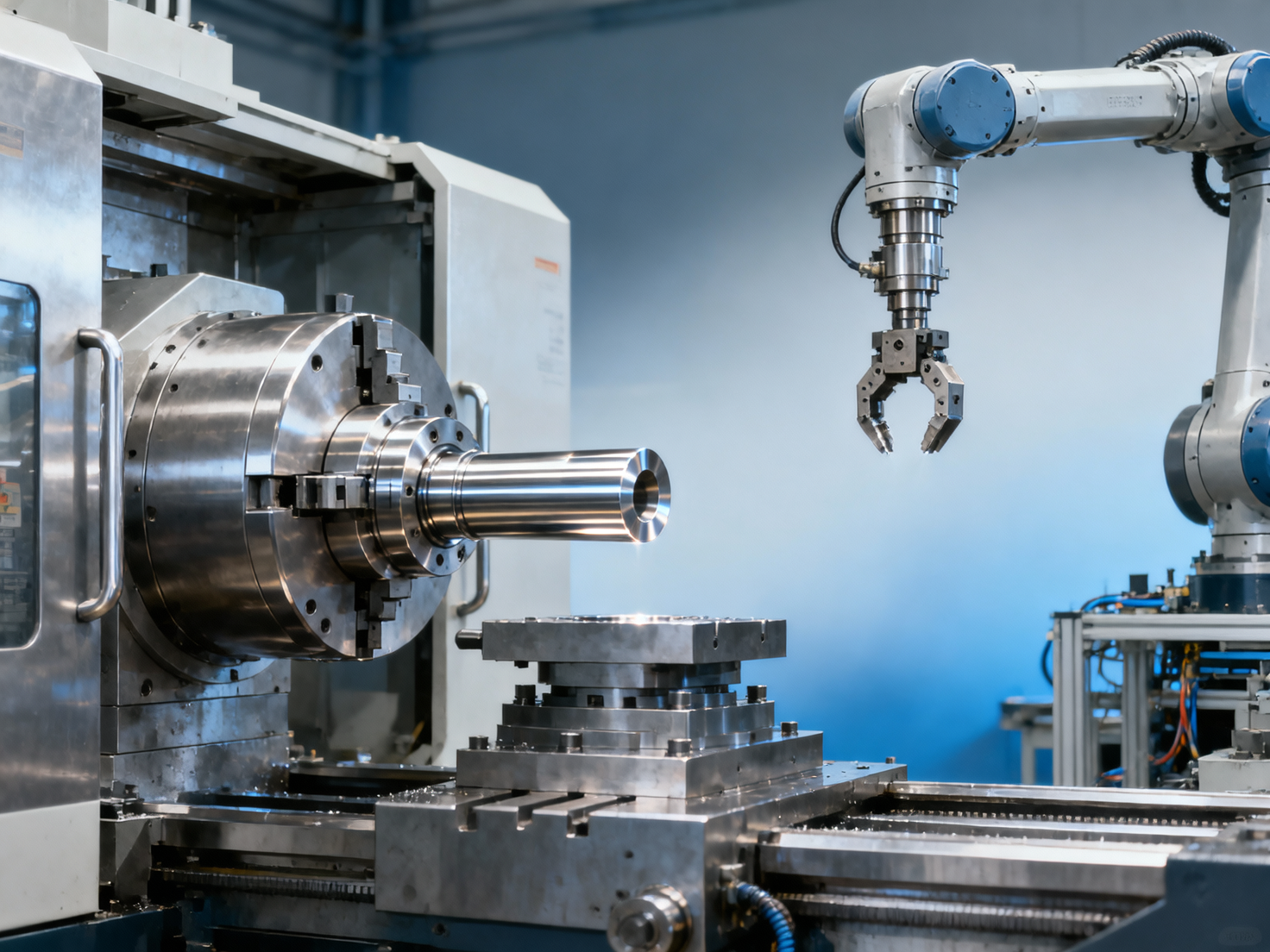
Southeast Asia’s CNC lathe imports are surging—not just due to competitive pricing, but driven by deeper forces in Global Manufacturing: rising demand for precision shaft parts, industrial automation adoption, and upgrades to automated production lines. As metal machining capacity expands across automotive, electronics, and energy equipment sectors, buyers increasingly prioritize industrial CNC reliability, CNC metalworking accuracy, and seamless integration with CNC programming and industrial robotics. This shift reflects evolving priorities among procurement professionals, operators, and decision-makers seeking long-term value in CNC industrial solutions—from vertical lathes to automated lathes and CNC milling systems—amid a dynamic Machine Tool Market.
Precision Demand Accelerates Lathe Adoption Across ASEAN Supply Chains
CNC lathe import growth in Southeast Asia isn’t anecdotal—it’s structural. Between 2022 and 2024, regional CNC lathe imports rose by an average of 18.3% year-on-year, with Vietnam (+26%), Thailand (+21%), and Indonesia (+19%) leading volume gains. This surge correlates directly with local manufacturing expansion: over 140 new Tier-2 and Tier-3 automotive component facilities opened across ASEAN in 2023 alone, each requiring ≥3–5 high-precision CNC lathes for shaft, hub, and flange production.
Unlike legacy turning applications, today’s ASEAN buyers specify tighter tolerances—±0.005 mm roundness, surface roughness Ra ≤ 0.4 μm—and demand multi-axis capability for integrated turning-milling operations. These requirements eliminate low-cost, non-networked machines from serious consideration. Instead, procurement teams now benchmark against ISO 230-2 positional accuracy standards and verify thermal stability under 8-hour continuous operation at 35°C ambient—a common factory condition in tropical climates.
The shift also reflects supply chain localization. For example, electronics manufacturers in Penang and Ho Chi Minh City now produce custom motor spindles and heat sink mounts in-house—replacing imported parts with locally machined alternatives. This drives demand for CNC lathes with live tooling, Y-axis capability, and sub-10 μm repeatability—features previously reserved for Japanese or German OEMs but now widely available from Tier-1 Chinese and Korean suppliers with localized technical support.
This table reveals a clear market pivot: ASEAN procurement teams no longer select based on lowest upfront cost. Instead, they evaluate total operational readiness—especially thermal management and open connectivity. Mid-tier lathes now dominate 62% of recent orders, reflecting strong alignment between performance thresholds and local infrastructure realities (e.g., stable power ±5%, compressed air at 6.5–7.2 bar, ambient humidity up to 85% RH).
Automation Integration Is the Real Price Differentiator
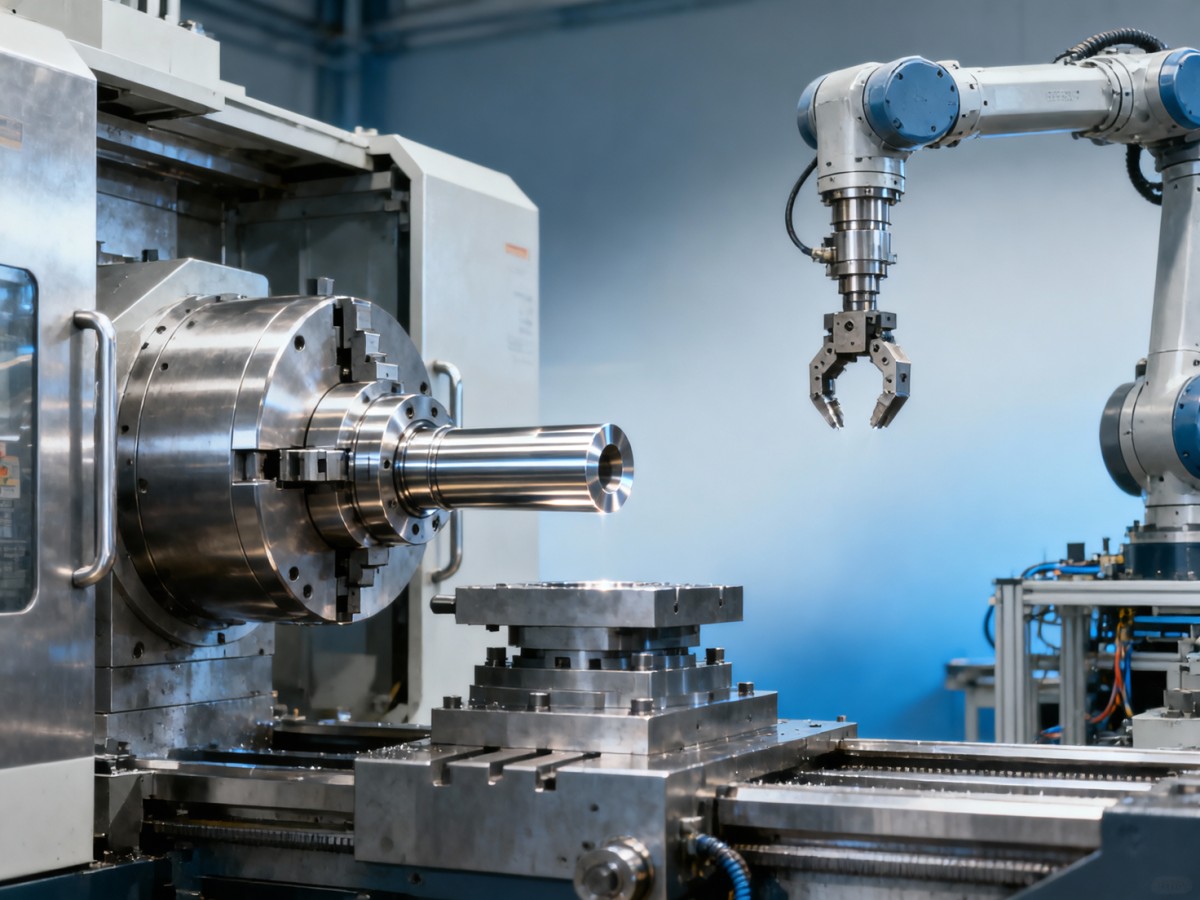
Price remains a factor—but “price” is now redefined as cost-per-functional-hour, not purchase price per unit. A $125,000 mid-range CNC lathe with robotic loading, predictive maintenance alerts, and embedded G-code optimization delivers 37% lower labor cost per part than a $89,000 base model requiring manual setup every 45 minutes. That math drives rapid adoption of automated lathes with pallet changers (cycle time reduction: 22–35%), integrated vision inspection (defect detection rate: ≥99.2%), and edge-based CNC programming interfaces compatible with Siemens NX and Mastercam Cloud.
Integration maturity matters more than brand origin. In Malaysia, 78% of newly installed CNC lathes in 2023 included pre-certified PLC communication modules for Rockwell ControlLogix and Beckhoff TwinCAT—enabling plug-and-play linkage to existing MES platforms. Similarly, Thai electronics contract manufacturers now require all new lathes to support MTConnect v1.7 for real-time OEE tracking across mixed-model production lines running 21.5 hours/day on average.
The operational implication is clear: standalone machines are becoming obsolete. Buyers now evaluate lathes as nodes within flexible systems—requiring standardized I/O pinouts, documented API endpoints, and firmware update cycles aligned with industrial cybersecurity best practices (e.g., NIST SP 800-82 compliant patch windows). This raises the effective entry barrier: only 34% of global CNC lathe exporters meet ASEAN’s current minimum integration specification set.
Procurement Priorities Are Shifting From Specs to Support Ecosystems
Decision-makers across ASEAN no longer compare brochures—they audit service footprints. A critical evaluation now includes local spare parts inventory depth (minimum 72-hour availability for top-10 consumables), certified technician response SLAs (≤48 hours for critical faults), and bilingual CNC programming training capacity (≥12 sessions/year per site). Leading suppliers now maintain regional hubs in Bangkok, Jakarta, and Ho Chi Minh City stocking ≥1,200 SKUs—including servo motor encoders, hydraulic chucks, and high-pressure coolant nozzles calibrated for tropical corrosion resistance.
This ecosystem focus reshapes vendor selection. For instance, 68% of Vietnamese automotive suppliers now require vendors to provide CNC lathe lifecycle cost modeling—projecting 5-year TCO including energy consumption (measured at 12.4–18.7 kW/hour under load), tooling amortization (average 3.2 years for carbide inserts), and predictive maintenance intervals (every 1,200–1,800 operating hours). Such analysis exposes hidden cost drivers: a “low-cost” machine consuming 22% more power or requiring 40% more frequent spindle rebuilds rapidly erodes initial savings.
These weighted criteria reflect how procurement has evolved from transactional to strategic. Vendors lacking localized service infrastructure—even with superior machine specs—are systematically deprioritized. The data shows that suppliers with ≥2 ASEAN service centers win 4.3× more competitive tenders than those relying solely on third-party agents.
Strategic Recommendations for Buyers and Suppliers
For procurement professionals: Prioritize interoperability validation before purchase. Require vendors to demonstrate live integration with your existing MES/SCADA platform using your actual part programs—not demo files. Insist on thermal stability test reports conducted at 35°C/85% RH, not lab-standard 20°C conditions.
For operators: Leverage built-in diagnostics—modern CNC lathes log >120 real-time parameters (spindle vibration, axis lag, coolant pressure decay). Use this data to establish baseline performance profiles and detect degradation trends 200+ hours before failure.
For decision-makers: Evaluate total system ROI—not just machine ROI. Include robotic loading, vision inspection, and predictive analytics licensing in your TCO model. Machines with native OPC UA support reduce integration costs by 55–70% versus retrofitting legacy controllers.
- Validate CNC programming compatibility with your CAM stack (Mastercam, Siemens NX, or HyperMill) before finalizing specifications.
- Require ≥3-year firmware upgrade commitment with documented cybersecurity patch cadence.
- Confirm local service center holds ≥5 certified technicians trained on your exact model series.
- Test coolant filtration and chip handling performance under simulated 16-hour continuous operation.
Conclusion: Value Is Measured in Uptime, Not Unit Cost
The surge in CNC lathe exports to Southeast Asia signals a maturing industrial base—one where price is merely the entry ticket, not the winning criterion. What truly drives adoption is verifiable precision under real-world conditions, seamless integration into automated workflows, and resilient local support ecosystems. Buyers who treat CNC lathes as intelligent, connected assets—not isolated tools—achieve measurable gains in OEE (up to 28% improvement), first-pass yield (average +14.6%), and workforce productivity (3.2 fewer manual interventions per shift).
Whether you’re sourcing for an electronics assembly plant in Singapore, scaling automotive components in Thailand, or building smart factory capabilities in Vietnam—your next CNC lathe decision must balance technical capability, operational readiness, and long-term partnership viability.
Get a customized ASEAN deployment assessment—including integration roadmap, local service coverage map, and 5-year TCO projection—by contacting our regional engineering team today.
Recommended for You
![]() Fuxing EMU Trainset Procurement Reaches ¥4.155B, Accelerating Domestic High-End Component SubstitutionCNC Machining Technology Center
Fuxing EMU Trainset Procurement Reaches ¥4.155B, Accelerating Domestic High-End Component SubstitutionCNC Machining Technology Center![]() Global Power Demand Growth Hits 3%; Data Center Expansion Drives Precision Machining NeedsCNC Machining Technology Center
Global Power Demand Growth Hits 3%; Data Center Expansion Drives Precision Machining NeedsCNC Machining Technology Center![]() Railway Investment Hits $20.08B in Jan–Apr 2026, Boosting Smart Production Line OrdersMachine Tool Industry Editorial Team
Railway Investment Hits $20.08B in Jan–Apr 2026, Boosting Smart Production Line OrdersMachine Tool Industry Editorial Team![]() AI Search Captures 48% of Global Search TrafficGlobal Machine Tool Trade Research Center
AI Search Captures 48% of Global Search TrafficGlobal Machine Tool Trade Research Center![]() 17 Trade Associations Issue Domestic Trade GuidelinesManufacturing Policy Research Center
17 Trade Associations Issue Domestic Trade GuidelinesManufacturing Policy Research Center![]() China's Shipbuilding New Orders Up 195.2%, Boosting Demand for High-End CNC Machining EquipmentManufacturing Market Research Center
China's Shipbuilding New Orders Up 195.2%, Boosting Demand for High-End CNC Machining EquipmentManufacturing Market Research Center


Aris Katos
Future of Carbide Coatings
15+ years in precision manufacturing systems. Specialized in high-speed milling and aerospace grade alloy processing.
▶
German DAX Manufacturing Sector Rises 3% on Machine Tool Demand SignalGlobal Machine Tool Trade Research Center▶
Germany's DAX Surges 3% on Resurgent Machine Tool DemandGlobal Machine Tool Trade Research Center▶
HarmonyOS Adapts to Leading CNC ControllersGlobal Machine Tool Trade Research Center▶
Vietnam Launches Green Channel for Chinese CNC EquipmentGlobal Machine Tool Trade Research Center▶
Vietnam Launches AI-Powered Origin Verification for CNC EquipmentGlobal Machine Tool Trade Research Center
Mastering 5-Axis Workholding Strategies
Join our technical panel on Nov 15th to learn about reducing vibrations in thin-wall components.

Providing you with integrated sanding solutions
Before-sales and after-sales services
Comprehensive technical support