• Global CNC market projected to reach $128B by 2028 • New EU trade regulations for precision tooling components • Aerospace deman
NYSE: CNC +1.2%LME: STEEL -0.4%

CNC industrial machines with lower downtime are changing demand
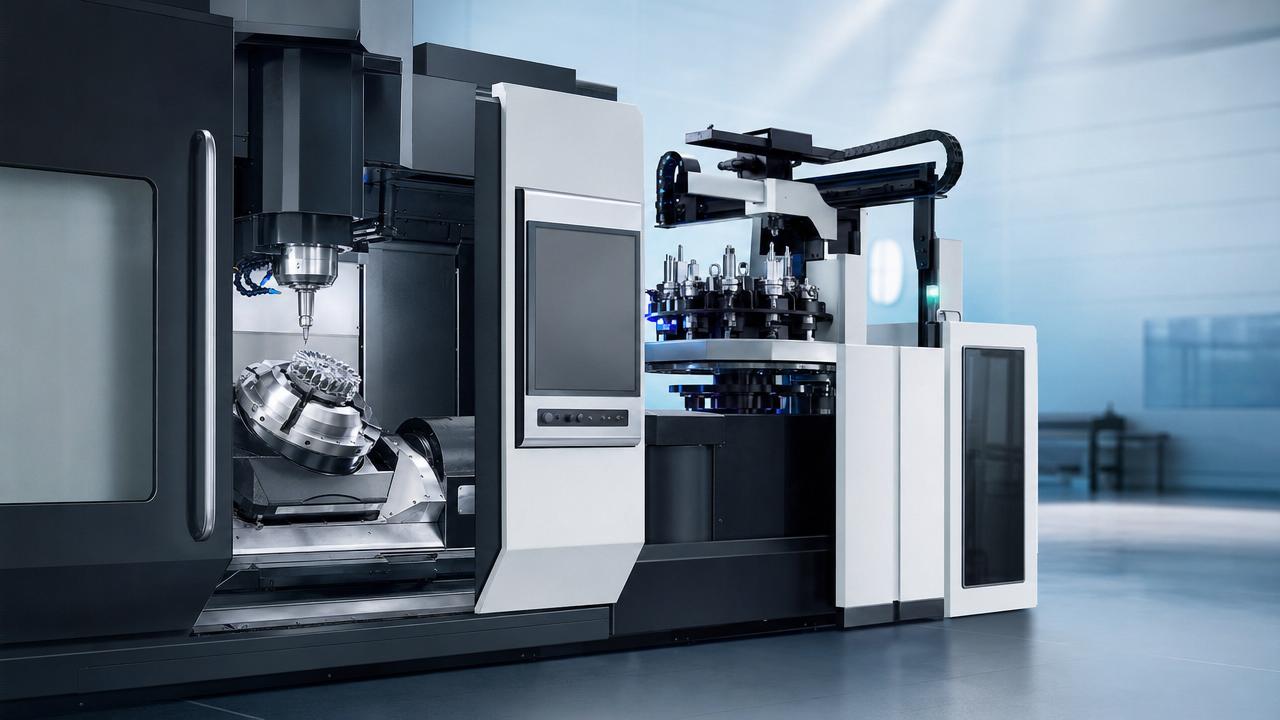
Demand is shifting fast as CNC industrial machines with lower downtime help manufacturers improve output, reduce service interruptions, and protect margins. For distributors, agents, and dealers, this trend is creating new opportunities in precision manufacturing, where buyers increasingly value reliability, automation, and long-term operating efficiency as much as cutting accuracy and production speed.
Behind this change is a clear market signal: end users no longer evaluate CNC industrial machines only by spindle speed, axis count, or unit price. They are asking a more practical question: how many productive hours can this machine deliver every month, and how quickly can problems be solved when production is under pressure?
For channel partners, this matters because procurement conversations are becoming more business-driven. A machine that reduces downtime can influence labor utilization, delivery performance, maintenance budgets, and even customer retention at the factory level. That makes reliability a sales argument, not just a technical feature.
In other words, lower downtime is changing demand because it changes how buyers measure value. Distributors and agents that understand this shift can position the right product mix, build stronger service offerings, and speak more directly to what manufacturers actually need.
What buyers really mean when they ask for lower-downtime CNC industrial machines
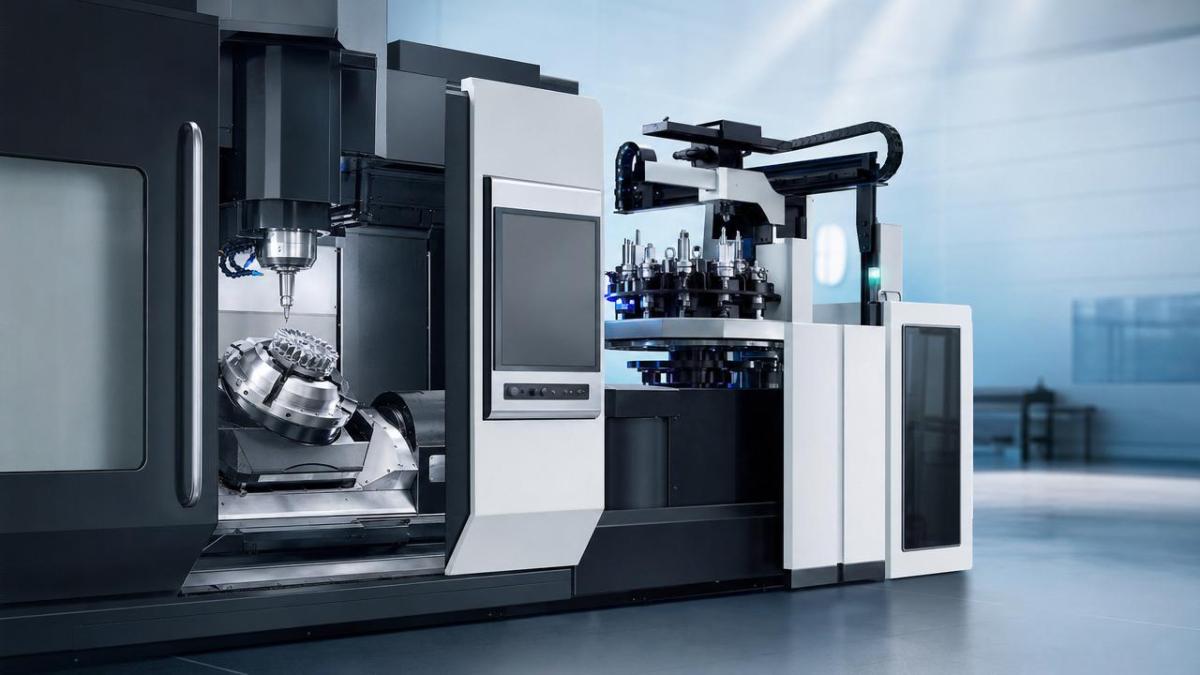
When manufacturers say they want lower downtime, they usually mean more than fewer breakdowns. They are looking for machines that keep production stable across long operating cycles, recover quickly from faults, and require less unplanned intervention from operators and maintenance teams.
That includes mechanical reliability, but it also includes software stability, tool life monitoring, remote diagnostics, spare parts availability, and ease of maintenance. A machine may have strong cutting performance, yet still create production risk if a minor fault stops the line for hours because troubleshooting is slow or replacement components are hard to source.
For buyers in automotive, aerospace, electronics, and energy equipment, downtime is expensive in different ways. In high-volume production, even short interruptions can affect daily output targets. In low-volume, high-value parts manufacturing, downtime can delay critical deliveries and tie up skilled labor and expensive material.
That is why many purchasing teams now compare CNC industrial machines through an operational lens. They want to know mean time between failures, average service response times, preventive maintenance schedules, control system reliability, and whether the supplier can support uptime after installation.
For distributors, this means that the sales conversation must evolve. Product specifications still matter, but decision-makers increasingly respond to a stronger message: this machine helps protect production continuity.
Why lower downtime is changing demand patterns across the market
The shift in demand is closely linked to cost pressure across manufacturing. Factories are dealing with tighter delivery windows, higher labor costs, more complex parts, and stronger competition. Under these conditions, machine availability becomes a direct driver of profitability.
If two machines produce similar tolerances and surface quality, buyers will often prefer the one that reduces stoppages, shortens maintenance time, and offers better support visibility. This is especially true for companies running multi-shift production, lights-out machining, or lean manufacturing systems where one machine failure can disrupt upstream and downstream processes.
Another reason demand is changing is that many manufacturers now calculate total cost of ownership more carefully. A lower purchase price can lose its appeal if the machine requires frequent service visits, causes scrap during unstable operation, or suffers long waits for technical assistance. Uptime, not just acquisition cost, now shapes purchasing decisions.
Smart manufacturing also contributes to the trend. As factories invest in digital production management, machine performance is becoming more transparent. Buyers can see actual utilization rates, downtime causes, maintenance patterns, and energy consumption more clearly than before. Once performance data is visible, unreliable equipment becomes harder to justify.
For dealers and agents, this creates a valuable opening. The market is rewarding suppliers who can connect machine features to measurable operational outcomes. That allows channel partners to move away from price-only competition and toward consultative selling.
What distributors, dealers, and agents should pay closest attention to
For the target reader, the key question is not whether lower downtime matters. It clearly does. The more important question is how to identify the CNC industrial machines that can truly deliver it, and how to prove that value to buyers.
First, evaluate the serviceability of the machine, not just its cutting capability. Machines designed with accessible maintenance points, modular components, standard interfaces, and stable control systems are easier to support in the field. Easier service often means shorter repair time and lower customer frustration.
Second, look closely at the supplier’s spare parts strategy. A technically advanced machine can still become a commercial problem if replacement parts are slow to arrive or if only a limited service network can handle repairs. Distributors should ask practical questions about local stock, lead times, interchangeability, and service documentation.
Third, assess the quality of the machine builder’s digital support tools. Remote monitoring, alarm history analysis, predictive maintenance features, and online diagnostics can reduce downtime significantly. They also improve the confidence of end users who want fast answers when production is at risk.
Fourth, consider the training burden. Some CNC industrial machines are powerful but difficult for operators and technicians to manage. Machines that simplify setup, fault diagnosis, and preventive care often perform better commercially because they fit the real capabilities of the customer’s workforce.
Finally, pay attention to industry fit. A lower-downtime machine should match the buyer’s production model. A job shop with frequent changeovers may value quick recovery, flexible programming, and simple maintenance. A high-volume factory may place more weight on automation integration, long unattended operation, and repeatability over long runs.
How to explain the business value of lower downtime to end users
Many buyers understand that downtime is costly, but distributors can strengthen the case by translating machine reliability into business outcomes. This is often where deals are won, especially when multiple vendors offer similar technical specifications.
Start with output stability. A machine that runs reliably helps customers maintain predictable throughput. That improves planning, supports on-time delivery, and reduces last-minute production adjustments. For manufacturers serving demanding OEMs, consistency can be just as important as maximum speed.
Next, connect downtime reduction to labor efficiency. When operators, programmers, and maintenance teams spend less time responding to faults, they can focus on productive work. In labor-constrained environments, this is a powerful argument because manufacturers are under pressure to do more with limited skilled staff.
Then address margin protection. Unplanned stoppages can create overtime, delayed shipments, scrap, rescheduling costs, and underutilized equipment. Lower downtime helps reduce these hidden losses. A machine that appears more expensive upfront may deliver better financial performance over its service life.
It also helps to frame reliability as a risk-management issue. Buyers in regulated or precision-critical sectors often care deeply about process stability. Reliable CNC industrial machines support quality control by reducing disruptions that can affect part consistency, tool wear behavior, and setup repeatability.
For channel partners, the most effective approach is to use concrete examples. Show how uptime affects parts per shift, maintenance interventions per quarter, or delivery performance over a production cycle. Buyers respond better to operational logic than to broad claims about “advanced technology.”
Key machine features that support lower downtime in real production
Not every reliability claim is equally meaningful. Distributors and agents should focus on the features and design elements that genuinely contribute to lower downtime in the field.
Stable structural design is one of them. A rigid machine base, thermal stability measures, quality spindle systems, and durable guideways all support long-term consistency. These factors reduce vibration, improve machining reliability, and help prevent performance drift that can eventually cause stoppages or quality issues.
Control system maturity is another major factor. Well-proven CNC controls with intuitive interfaces, clear diagnostics, and dependable software reduce operator errors and shorten troubleshooting time. Control reliability is often underestimated during sales discussions, but it has a major effect on uptime after installation.
Automated tool management also matters. Tool life monitoring, breakage detection, and tool condition compensation can prevent interruptions before they escalate into scrap or machine stops. In higher-volume machining, these functions directly support smoother production continuity.
Integrated automation support is increasingly important as well. CNC industrial machines that work well with robots, pallet changers, bar feeders, and automated loading systems can minimize manual intervention and reduce idle time between cycles. However, integration quality matters; poorly integrated automation can create a new source of downtime instead of solving it.
Condition monitoring and predictive maintenance tools are becoming strong differentiators. Sensors that track spindle condition, lubrication status, vibration, temperature, and alarm trends help users identify issues early. For distributors, these features can also support service contracts and long-term customer relationships.
How market demand differs by customer segment
Although the broad trend favors lower downtime, demand does not look identical across all customer groups. Understanding these differences helps channel partners position CNC industrial machines more effectively.
Large manufacturers usually look at uptime from a systems perspective. They care about integration into production lines, centralized monitoring, maintenance scheduling, and service responsiveness across multiple facilities. For these customers, the ability to standardize equipment and reduce operational variability is often a major selling point.
Small and mid-sized factories may be even more sensitive to downtime because they have less redundancy. If one key machine goes offline, production can slow dramatically. These buyers often prioritize dependable daily operation, easy maintenance, operator-friendly controls, and access to local technical support.
Job shops tend to value flexibility alongside uptime. They may process many part types, switch setups frequently, and serve diverse customers. In that environment, quick recovery from errors, fast setup support, and stable machining across varied materials can be more important than maximum automation depth.
Export-oriented manufacturers often focus strongly on delivery reliability. They face penalties, customer pressure, and reputation risk if production is interrupted. For them, lower-downtime CNC industrial machines are part of a broader strategy to secure lead times and compete internationally.
These distinctions matter because the same reliability message should be adapted to each customer type. The more precisely a dealer speaks to the buyer’s operating model, the stronger the commercial impact.
What concerns buyers still have before they commit
Even when manufacturers agree that lower downtime has value, they may still hesitate. The most common concern is whether the promise is real or just marketing language. Buyers want proof, not general claims.
This is why evidence matters. Case references, field performance data, service response metrics, and application-specific examples can all help. If a distributor can show how similar customers improved machine utilization or reduced maintenance interruptions, the conversation becomes more credible.
Another concern is cost. Buyers may worry that more reliable CNC industrial machines require a higher initial investment. The right response is not to avoid the issue, but to reframe it. Compare acquisition cost with expected uptime, support burden, maintenance savings, and operational continuity over several years.
Customers may also worry about dependence on specialized service. If a machine appears difficult to maintain without factory intervention, some buyers will hesitate. Distributors can address this by clarifying training resources, local service capability, spare parts access, and remote support options.
Finally, some manufacturers fear implementation risk, especially when replacing older equipment or adding automation. In these cases, channel partners should reduce uncertainty with practical rollout planning, application review, installation timelines, and operator onboarding support.
How distributors can turn this demand shift into growth
The move toward lower-downtime CNC industrial machines is not only a product trend. It is a channel opportunity. Distributors, agents, and dealers can use it to improve positioning, strengthen customer loyalty, and build more defensible revenue streams.
One strategy is to shift from feature-based selling to uptime-based selling. Instead of leading with technical specifications alone, frame the machine around production continuity, serviceability, and lifecycle value. This approach aligns better with how many buyers now evaluate capital equipment.
Another strategy is to build service into the commercial offer. Preventive maintenance packages, operator training, application support, remote diagnostics, and spare parts programs can all reinforce the lower-downtime message. These services also create recurring value beyond the initial sale.
It is also wise to segment the product portfolio. Not every customer needs the same level of automation, digital monitoring, or structural sophistication. A clear portfolio strategy helps channel partners match reliability features to customer needs without overcomplicating the offer.
Sales teams should also be trained to ask better questions. Instead of only discussing parts, tolerances, and budget, they should ask about current downtime sources, maintenance pain points, staffing constraints, and production scheduling pressure. These questions reveal where reliability can become a decisive factor.
Finally, partnerships with machine builders should be evaluated through a channel lens. Suppliers that support fast service, clear documentation, stable parts supply, and remote troubleshooting are easier to grow with in a market where uptime is becoming central to demand.
Conclusion: reliability is becoming a primary buying driver
CNC industrial machines with lower downtime are changing demand because manufacturers now judge equipment more directly by its effect on output, continuity, and cost control. Precision and speed still matter, but reliability has moved much closer to the center of the buying decision.
For distributors, dealers, and agents, the takeaway is clear. The strongest market opportunities are not only with machines that machine well, but with machines that help customers keep producing with fewer interruptions. That is where business value becomes visible.
The channel partners most likely to benefit from this shift will be those who understand end-user operations, verify service readiness, communicate total lifecycle value, and support customers after installation. In a more competitive manufacturing environment, lower downtime is no longer a secondary benefit. It is increasingly one of the reasons demand moves in the first place.
PREVIOUS ARTICLE
NEXT ARTICLE
Recommended for You
![]() Five Ministries Launch Joint Enforcement on EV Battery RecyclingManufacturing Policy Research Center
Five Ministries Launch Joint Enforcement on EV Battery RecyclingManufacturing Policy Research Center![]() Top 10 Future Industries Roadmap 2026 ReleasedManufacturing Market Research Center
Top 10 Future Industries Roadmap 2026 ReleasedManufacturing Market Research Center![]() Global Methanol-Electric Ecosystem Alliance LaunchedManufacturing Market Research Center
Global Methanol-Electric Ecosystem Alliance LaunchedManufacturing Market Research Center![]() ISO 23218-3:2026 Enters Force: CNC Digital Twin Interoperability Standard Goes GlobalCNC Machining Technology Center
ISO 23218-3:2026 Enters Force: CNC Digital Twin Interoperability Standard Goes GlobalCNC Machining Technology Center![]() ANVISA New Rule: Portuguese Biocompatibility Labels for Medical CNC EquipmentManufacturing Policy Research Center
ANVISA New Rule: Portuguese Biocompatibility Labels for Medical CNC EquipmentManufacturing Policy Research Center![]() KATS Updates KC Certification: CNC Cybersecurity Modules Must Comply with IEC 62443-4-2Manufacturing Policy Research Center
KATS Updates KC Certification: CNC Cybersecurity Modules Must Comply with IEC 62443-4-2Manufacturing Policy Research Center


Aris Katos
Future of Carbide Coatings
15+ years in precision manufacturing systems. Specialized in high-speed milling and aerospace grade alloy processing.
▶
Top 10 Future Industries Roadmap 2026 ReleasedManufacturing Market Research Center▶
CNC industrial machines with lower downtime are changing demandManufacturing Market Research Center▶
Industrial Robotics demand is rising fastest in which tasksManufacturing Market Research Center▶
How to compare industrial machining equipment by output needsManufacturing Market Research Center▶
Why some CNC industrial machines cost more to run than expectedManufacturing Market Research Center
Mastering 5-Axis Workholding Strategies
Join our technical panel on Nov 15th to learn about reducing vibrations in thin-wall components.

Providing you with integrated sanding solutions
Before-sales and after-sales services
Comprehensive technical support