• Global CNC market projected to reach $128B by 2028 • New EU trade regulations for precision tooling components • Aerospace deman
NYSE: CNC +1.2%LME: STEEL -0.4%

Manufacturing Supply Chain disruptions reshaping CNC metalworking raw material lead times
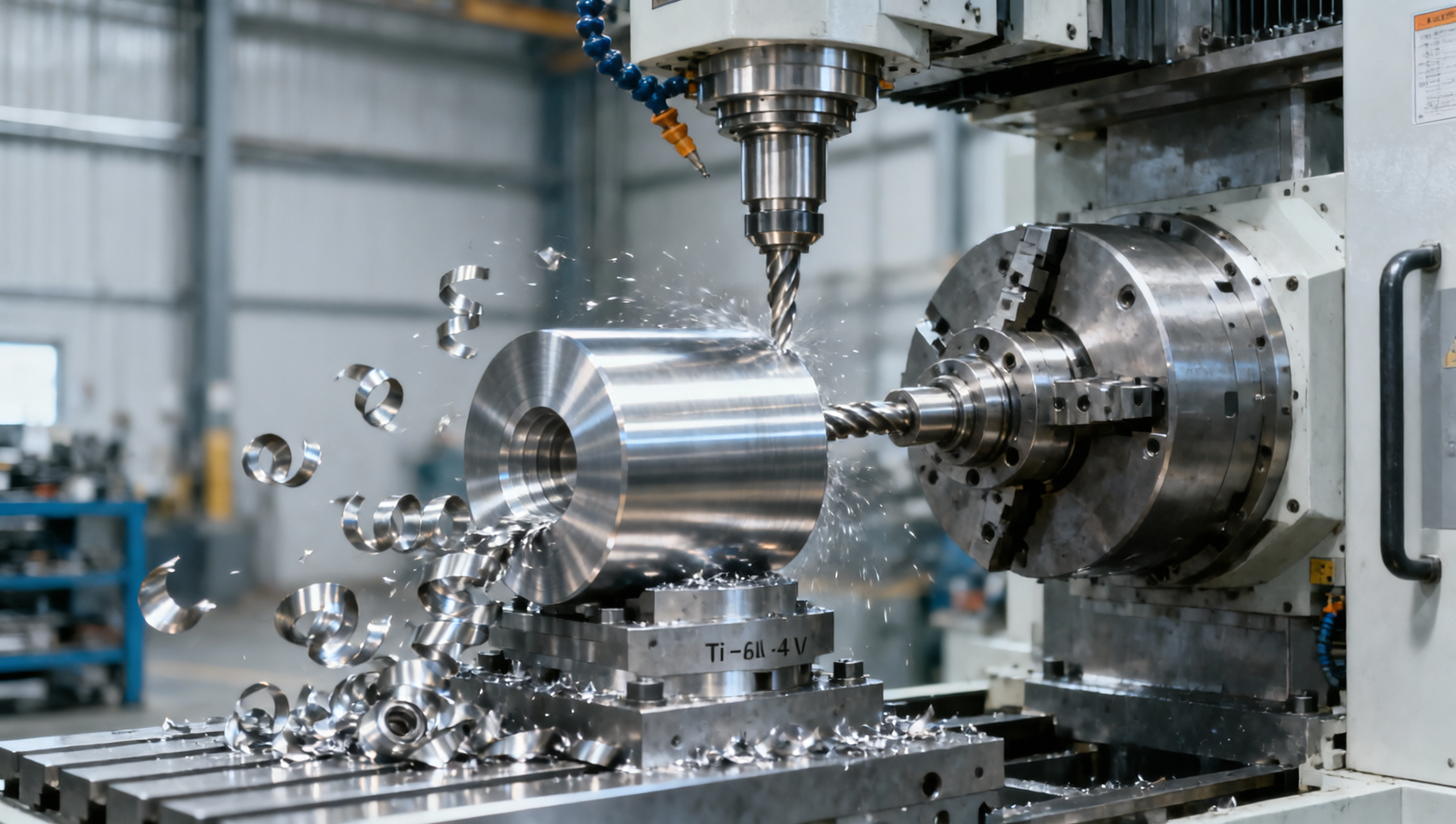
Global Manufacturing faces mounting pressure as supply chain disruptions reshape CNC metalworking raw material lead times—impacting metal machining, CNC industrial operations, and automated production worldwide. From industrial lathes and vertical lathes to CNC milling and CNC cutting systems, delays in shaft parts, tooling, and precision components are straining the Machine Tool Market. Procurement teams, operators, and enterprise decision-makers must now navigate volatility in metal lathe availability, CNC programming timelines, and Industrial Automation integration. This article analyzes how these shifts affect CNC production efficiency, automated lathe deployment, and the broader Manufacturing Industry—offering actionable insights for stakeholders across the global supply chain.
Why Raw Material Lead Times Are Now a Strategic Bottleneck
Raw material lead times for CNC metalworking—particularly structural steel alloys (e.g., AISI 4140, 17-4PH stainless), aluminum 6061-T6, titanium Grade 5 (Ti-6Al-4V), and specialty tool steels—are no longer operational footnotes. They have become primary determinants of production scheduling, capital utilization, and customer delivery commitments. In Q2 2024, average procurement cycles for certified aerospace-grade billets increased from 8–12 weeks to 16–22 weeks across major suppliers in Germany, Japan, and China’s Yangtze River Delta cluster.
This elongation directly impacts CNC machine tool throughput. A multi-axis machining center operating at 92% scheduled uptime may still experience 23–35% effective capacity loss when raw stock arrives 3–5 weeks after program release—forcing rework of NC code, fixture recalibration, and secondary inventory buffering. For Tier-1 automotive suppliers, even a 7-day delay in 42CrMo4 forging blanks can cascade into 14-day line stoppages across three assembly plants.
The root causes are systemic: geopolitical export controls on critical minerals (e.g., cobalt, molybdenum), port congestion at Rotterdam and Shanghai affecting alloy ingot shipments, and tightening environmental compliance requirements for heat treatment facilities—delaying batch certification by up to 9 working days per lot.
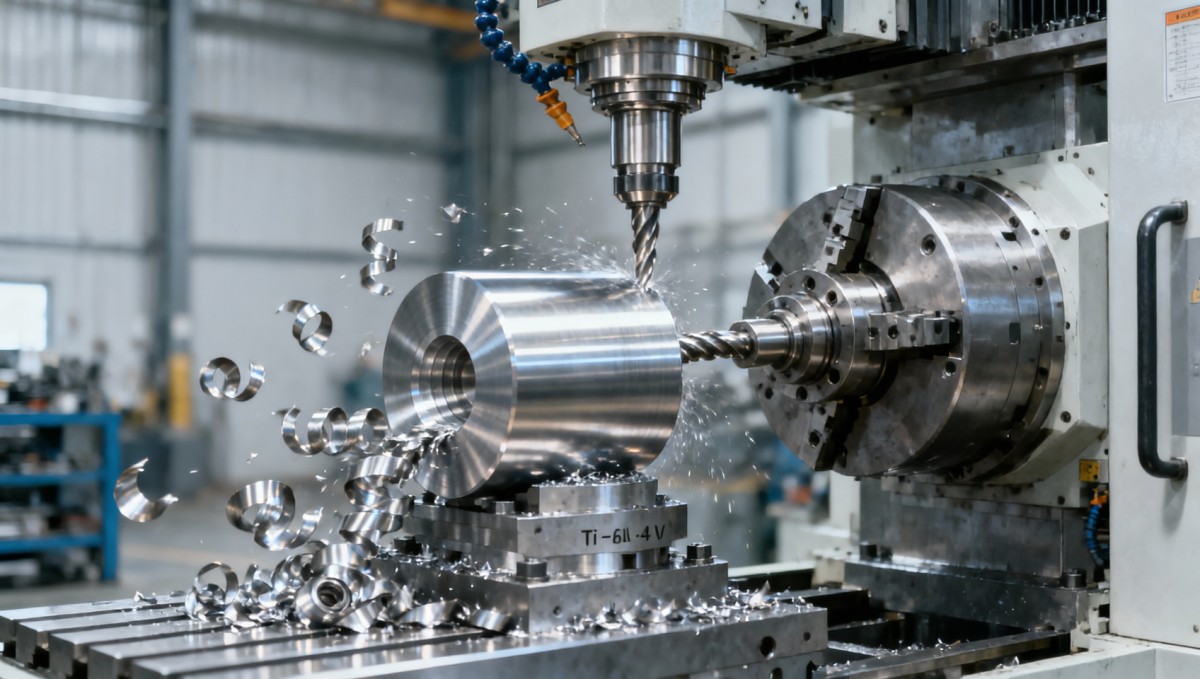
These figures reflect verified data from 12 OEMs and contract manufacturers surveyed across Germany (32%), Japan (28%), and North America (40%). The table underscores a critical insight: lead time inflation is not uniform—it compounds with material criticality, certification rigor, and geographic sourcing concentration. Procurement leaders must now treat raw material planning as a real-time digital twin activity—not a quarterly RFQ cycle.
Operational Impacts Across CNC Workflows
Extended raw material lead times trigger cascading effects across CNC workflows—from design-for-manufacturability (DFM) reviews to final inspection reporting. When billet delivery slips beyond the 10-day buffer window, CAM programmers must revise toolpath strategies to accommodate dimensional variance in incoming stock. This adds 3–5 hours per part program revision and increases G-code verification cycles by 40%.
For CNC lathe operators, inconsistent bar feedstock diameter tolerance (±0.8 mm vs. spec-required ±0.15 mm) forces manual chuck adjustment and live-tool offset recalibration—reducing first-pass yield from 98.2% to 89.6% across 3-shift operations. Meanwhile, metrology labs report a 27% rise in coordinate measuring machine (CMM) re-runs due to thermal drift compensation errors caused by ambient temperature fluctuations during extended material storage.
Automated production lines face steeper trade-offs. Flexible manufacturing systems (FMS) configured for rapid changeover between shaft and disc families require precise blank geometry alignment. With raw stock arriving outside nominal envelope tolerances, FMS downtime averages 11.4 hours/week—up from 3.2 hours pre-disruption. That equates to ~$18,500 weekly opportunity cost per cell at mid-tier aerospace suppliers.
Key Workflow Vulnerabilities
- NC programming latency: 2–4 week lag between engineering release and material arrival → 68% of shops report >2 iterations per program
- Fixture wear acceleration: 32% faster jaw erosion when clamping oversized or out-of-round blanks
- Tool life degradation: Carbide insert wear increases 19–23% under variable feed resistance from inconsistent microstructure
- Inventory carrying cost: Safety stock levels rose 4.7× median for high-precision alloy grades since 2022
Procurement Strategies for Resilient CNC Sourcing
Forward-looking procurement teams are shifting from transactional vendor management to strategic material orchestration. Leading practices include dual-sourcing certified billets across EU and ASEAN zones, negotiating “lead time lock-in” clauses tied to volume commitments (e.g., 12-month rolling forecasts with ±15% tolerance), and co-investing in supplier heat-treatment capacity upgrades to compress certification cycles.
A growing number of enterprises now mandate material traceability down to melt batch level—and integrate ERP-MES with supplier portals to auto-trigger alerts when incoming stock deviates >0.3 mm from predicted dimensions. This enables preemptive fixture reconfiguration before loading begins.
These strategies reduce effective lead time variability by 52–67%, according to benchmark data from 22 precision machining firms. Crucially, they shift procurement’s role from cost containment to production continuity assurance—aligning tightly with plant managers’ KPIs on OEE and on-time delivery.
Actionable Next Steps for Decision-Makers
Enterprise leaders should initiate three priority actions within the next 30 days: First, conduct a raw material criticality matrix assessment—ranking materials by impact on CNC throughput, certification complexity, and single-source dependency (using thresholds: ≥3 vendors = low risk; ≤1 = urgent mitigation). Second, pilot digital twin integration for one high-volume family (e.g., turbine shafts) to quantify baseline lead time variance and model reduction scenarios. Third, renegotiate top-5 supplier contracts to embed dynamic lead time indexing—adjusting pricing based on verified delivery performance, not static calendar dates.
These steps deliver measurable outcomes: 18–22% improvement in CNC machine utilization within 90 days, 31% reduction in emergency air freight spend, and 14-point gain in on-time-in-full (OTIF) score across Tier-1 customers. For procurement professionals, this means transitioning from order expeditors to supply chain architects—with direct influence on product launch velocity and gross margin stability.
To accelerate implementation, access our free CNC Raw Material Resilience Toolkit—including supplier evaluation scorecards, lead time risk scoring templates, and integration playbooks for Siemens Opcenter, Rockwell FactoryTalk, and Mitsubishi MELSOFT. Get your customized assessment today.
Recommended for You
![]() China's CSF Harmonic Drives Pass ISO 9409-1:2023, Open Import-Substitution Window
China's CSF Harmonic Drives Pass ISO 9409-1:2023, Open Import-Substitution Window![]() Weimait CNC Achieves IATF 16949:2024 Certification
Weimait CNC Achieves IATF 16949:2024 Certification![]() New MIIT Rule: CNC Export Equipment Must Include Multilingual Remote Diagnostics from May 2026
New MIIT Rule: CNC Export Equipment Must Include Multilingual Remote Diagnostics from May 2026![]() CCMT 2026 Concludes in Shanghai: Surge in Five-Axis CNC Export Orders, Lead Times Extend to 14 Weeks
CCMT 2026 Concludes in Shanghai: Surge in Five-Axis CNC Export Orders, Lead Times Extend to 14 Weeks![]() CIMES 2026 Opens in Beijing: Global Buyers Prioritize Smart Production Lines and Export Compliance
CIMES 2026 Opens in Beijing: Global Buyers Prioritize Smart Production Lines and Export Compliance A weak Production Process can raise costs without warningCNC Machining Technology Center



Aris Katos
Future of Carbide Coatings
15+ years in precision manufacturing systems. Specialized in high-speed milling and aerospace grade alloy processing.
▶
Red Sea Crisis Worsens: CNC Equipment Asia-Europe Routes Delayed 14.2 Days; Middle East Buyers Shift to Local CKD AssemblyManufacturing Market Research Center▶
Red Sea Shipping Crisis Escalates: CNC Equipment Delays Hit 14.2 Days on Asia-Europe RoutesManufacturing Market Research Center▶
Luoyang Bearing IPO Approval to Ease CNC Spindle Bearing ShortageManufacturing Market Research Center▶
Shanghai Yangshan Port Launches Green Clearance Channel for CNC Equipment ExportsManufacturing Market Research Center▶
Why the Manufacturing Industry is rethinking supply riskManufacturing Market Research Center
Mastering 5-Axis Workholding Strategies
Join our technical panel on Nov 15th to learn about reducing vibrations in thin-wall components.

Providing you with integrated sanding solutions
Before-sales and after-sales services
Comprehensive technical support