• Global CNC market projected to reach $128B by 2028 • New EU trade regulations for precision tooling components • Aerospace deman
NYSE: CNC +1.2%LME: STEEL -0.4%

Which Production Process delays usually ruin delivery plans?
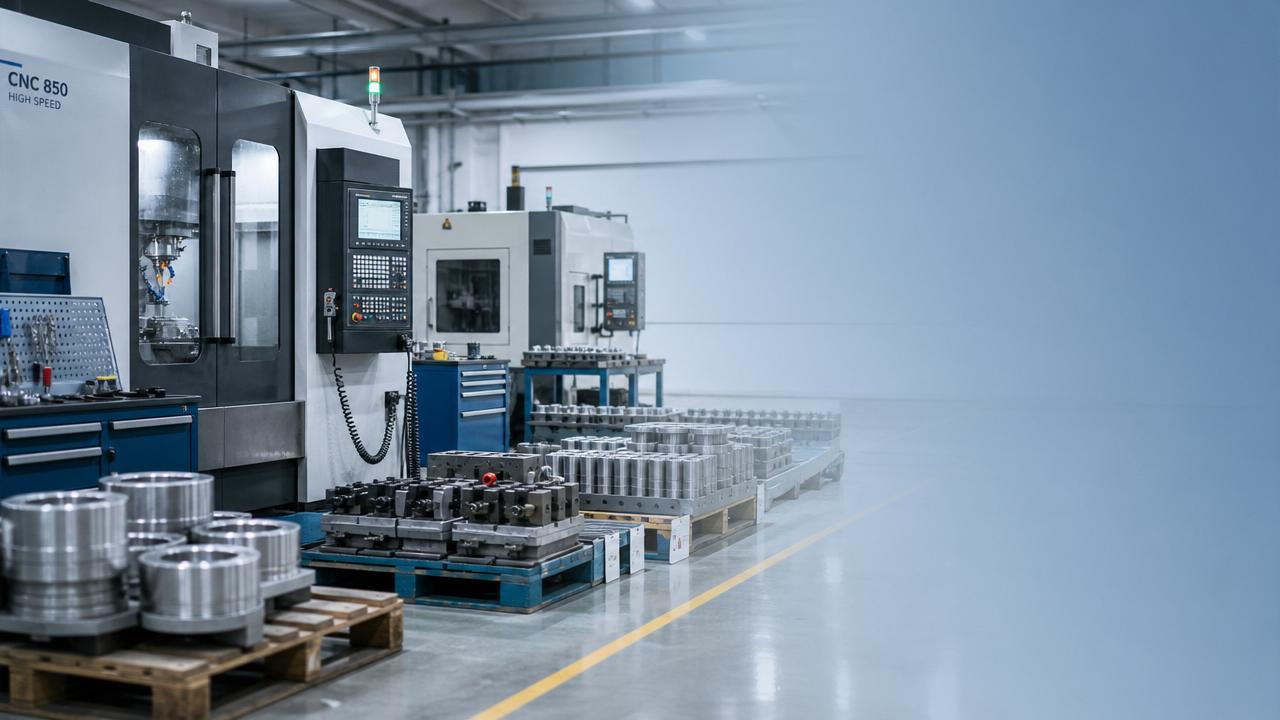
In complex manufacturing, even a well-planned Production Process can fail when small delays spread across the shop floor. Late material arrivals, unstable machine uptime, incomplete drawings, and changeovers often damage delivery plans before teams notice the risk.
For CNC machining, precision manufacturing, and automated production, understanding these delay patterns helps protect lead times. It also improves schedule accuracy, customer trust, capacity use, and overall Production Process control.
Which Production Process delays appear first in real manufacturing?
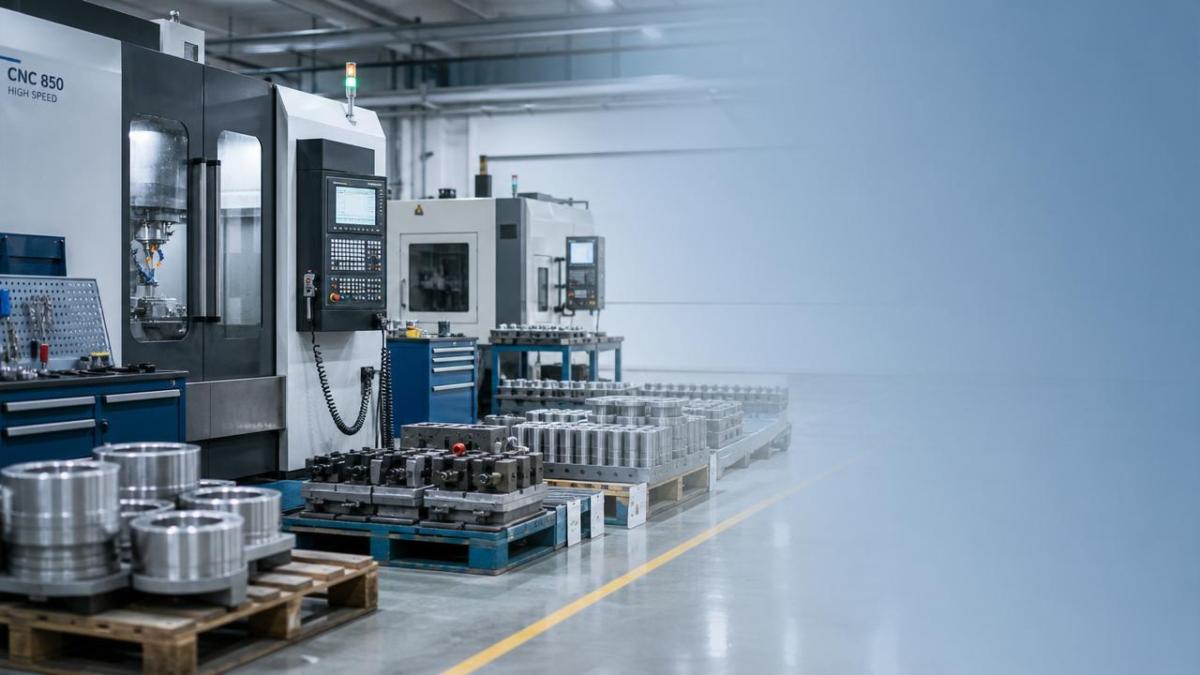
The earliest delays often begin before machining starts. A Production Process may look healthy in planning software, yet hidden upstream issues can already be building pressure.
Common first-stage delays include missing raw material, unclear technical documents, incomplete BOM alignment, and supplier response gaps. These issues usually seem minor, but they create cascading disruptions later.
In CNC environments, one absent bar stock size or one delayed casting can stop several scheduled jobs. If fixtures or special tools are also tied to that order, the entire Production Process queue shifts.
Another early warning sign is engineering release instability. When drawings, tolerances, or revision notes change too late, programming, setup, inspection, and purchasing all lose time together.
- Material arrives late or with wrong specifications
- Tooling is unavailable or not qualified
- NC programs are unfinished at release time
- Inspection plans are missing critical dimensions
- Production priorities change without capacity review
When these signals appear together, delivery dates become vulnerable. The Production Process is then no longer driven by plan, but by daily firefighting.
Why do material and supply delays ruin the Production Process so often?
Material flow is the foundation of any Production Process. If stock availability is uncertain, every downstream activity becomes unstable, regardless of machine capacity or labor planning.
In precision manufacturing, material delays are not only about late delivery. Problems also include heat treatment mismatch, wrong hardness, missing certificates, surface defects, and dimensional inconsistency.
A CNC machine may be ready, operators may be scheduled, and programs may be approved. Still, the Production Process stops if incoming material fails inspection or lacks traceability documents.
Global sourcing adds another layer of risk. Customs clearance, shipping congestion, and supplier overbooking can change practical lead times far beyond what ERP data suggests.
To reduce this type of delay, planning needs more than a promised delivery date. It should include supplier reliability history, critical item classification, and alternate source readiness.
Useful checks before release
- Confirm material availability by exact grade, size, and certification.
- Validate safety stock for long-cycle or imported items.
- Review alternative suppliers for high-risk parts.
- Link receiving inspection timing to machining schedules.
These controls strengthen the Production Process because they stop unrealistic release decisions before they create late orders.
How do machine downtime and tooling changes damage delivery plans?
Machine availability is often overestimated. A planned Production Process may assume continuous spindle time, but actual output depends on maintenance, setup duration, tool life, and operator intervention.
Unexpected downtime is especially harmful on bottleneck equipment. If one five-axis machining center stops, several linked orders may miss downstream assembly, coating, or shipping windows.
Tooling delays are just as serious. A missing insert, worn cutter, or delayed fixture approval can stretch setup time well beyond standard assumptions in the Production Process.
Frequent product switching also creates hidden losses. Each changeover consumes alignment time, first-piece inspection, and program verification. Small interruptions add up across the entire week.
When preventive maintenance is postponed, short-term output may look better. In reality, the Production Process becomes more fragile and more likely to suffer a long unplanned stop.
Can planning errors be more dangerous than physical production delays?
Yes. A weak planning system can ruin the Production Process even when machines, materials, and labor seem available. Bad assumptions create invisible risk that only appears when delivery dates are near.
One common issue is overloaded scheduling. If several urgent jobs are promised into the same capacity window, the Production Process becomes mathematically impossible from the start.
Another issue is inaccurate standard time. If setup or machining hours are underestimated, planning software produces dates that look competitive but cannot be achieved in real production.
Priority changes also create severe instability. When jobs are repeatedly inserted ahead of released orders, WIP rises, setups multiply, and delivery reliability falls across the whole Production Process.
Engineering and production misalignment is another hidden cause. A job may be scheduled before program approval, tooling qualification, or quality documentation is complete.
Signs that planning is the real bottleneck
- Frequent rescheduling with no improvement in on-time delivery
- High machine utilization but low shipment completion
- Released jobs waiting for drawings, tools, or inspection data
- Rush orders disrupting every normal queue
A resilient Production Process needs realistic finite scheduling, reliable lead-time data, and strict release discipline. Without that, physical improvements deliver only partial results.
Which quality issues cause the longest Production Process delays?
Quality problems create some of the most expensive Production Process delays because they often appear after time, labor, and machine hours have already been invested.
Typical causes include first-piece rejection, dimensional drift, unstable clamping, wrong program revision, burr defects, poor surface finish, and missing inspection records.
The worst case is rework on constrained equipment. A rejected part may return to a bottleneck machine, taking capacity away from planned jobs and extending several customer lead times.
Quality delays also spread into assembly and shipping. If one precision component fails final inspection, a completed kit may still remain blocked, despite high apparent production progress.
To protect the Production Process, quality control should begin earlier. Stable process capability, in-process checks, tool offset discipline, and revision traceability reduce late-stage surprises.
How can a Production Process be protected before delays destroy lead times?
The best protection is early visibility. A strong Production Process does not wait for missed delivery dates. It tracks conditions that predict delay while there is still time to respond.
Daily control should focus on a few practical signals: material readiness, constrained machine status, tooling completion, engineering release stability, and quality escape rate.
Digital dashboards can help, but only if the input data is reliable. False completion status creates false confidence and weakens Production Process decisions.
Simple escalation rules are often more effective than complex reports. If a critical part is not ready by a defined gate, the schedule should trigger review immediately.
Practical improvement steps include:
- Freeze priorities within a protected scheduling window.
- Separate bottleneck capacity from noncritical jobs.
- Approve tooling, programs, and quality plans before release.
- Monitor supplier performance by part criticality.
- Measure rework hours as a schedule risk, not only a quality metric.
A stable Production Process is rarely the result of one major fix. It usually comes from disciplined control of many small failure points.
Delivery plans are most often ruined by combined delays, not isolated events. Material shortages, planning errors, downtime, tooling gaps, and quality escapes interact and magnify each other.
Review the current Production Process against these risk areas, identify the earliest warning signals, and tighten release discipline. That step-by-step approach improves lead-time reliability where it matters most.
PREVIOUS ARTICLE
Recommended for You
![]() Vietnam Suspends CNC Equipment Import Licenses Amid New Tech RulesManufacturing Policy Research Center
Vietnam Suspends CNC Equipment Import Licenses Amid New Tech RulesManufacturing Policy Research Center![]() First Global CNC Machine Carbon Footprint Guide ReleasedManufacturing Policy Research Center
First Global CNC Machine Carbon Footprint Guide ReleasedManufacturing Policy Research Center![]() Japan METI Launches CNC Green Upgrade SubsidyManufacturing Market Research Center
Japan METI Launches CNC Green Upgrade SubsidyManufacturing Market Research Center![]() Brazil INMETRO Mandates IoT Modules for CNC Lathes from July 2026Manufacturing Policy Research Center
Brazil INMETRO Mandates IoT Modules for CNC Lathes from July 2026Manufacturing Policy Research Center![]() EU Launches Anti-Subsidy Investigation on Chinese Laser Cutting Heads and High-Power Fiber LasersManufacturing Policy Research Center
EU Launches Anti-Subsidy Investigation on Chinese Laser Cutting Heads and High-Power Fiber LasersManufacturing Policy Research Center![]() Red Sea Crisis Deepens: Suez Canal CNC Ship Delays Hit 11.4 DaysGlobal Machine Tool Trade Research Center
Red Sea Crisis Deepens: Suez Canal CNC Ship Delays Hit 11.4 DaysGlobal Machine Tool Trade Research Center


Aris Katos
Future of Carbide Coatings
15+ years in precision manufacturing systems. Specialized in high-speed milling and aerospace grade alloy processing.
▶
A weak Production Process often hides in these 5 signalsCNC Machining Technology Center▶
Which Production Process delays usually ruin delivery plans?CNC Machining Technology Center▶
What slows a Production Process more than teams expect?CNC Machining Technology Center▶
A weak Production Process often hides in these 5 signalsCNC Machining Technology Center▶
How to spot waste early in the Production ProcessCNC Machining Technology Center
Mastering 5-Axis Workholding Strategies
Join our technical panel on Nov 15th to learn about reducing vibrations in thin-wall components.

Providing you with integrated sanding solutions
Before-sales and after-sales services
Comprehensive technical support