• Global CNC market projected to reach $128B by 2028 • New EU trade regulations for precision tooling components • Aerospace deman
NYSE: CNC +1.2%LME: STEEL -0.4%

How regional environmental standards are reshaping coolant selection for CNC cutting
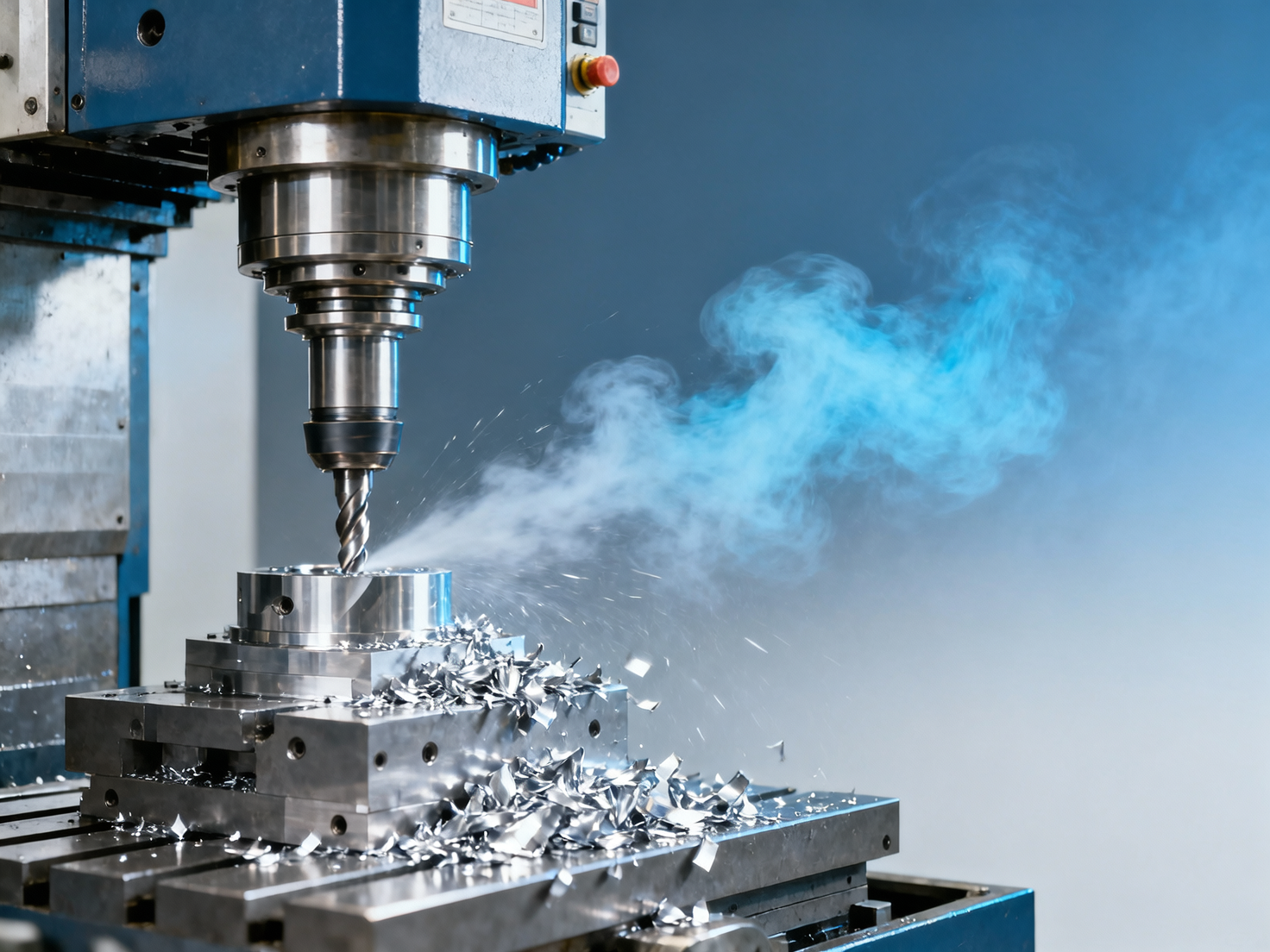
As regional environmental standards tighten—from the EU’s REACH regulations to China’s Green Manufacturing Initiative—coolant selection for CNC cutting is no longer just about performance and cost. For metal machining professionals, industrial CNC operators, and procurement decision-makers, compliance now directly impacts automated production efficiency, tool life, worker safety, and global market access. This shift is reshaping specifications across CNC metalworking, vertical lathe operations, CNC milling, and automated lathe applications—especially in high-precision shaft parts and aerospace-grade production processes. In today’s Global Manufacturing landscape, understanding how eco-regulations intersect with coolant chemistry, waste handling, and machine compatibility is critical for sustainable CNC production and competitive advantage in the Machine Tool Market.
Why Environmental Compliance Is Now a Core Technical Specification
Coolants were historically evaluated on lubricity, cooling capacity, rust inhibition, and emulsion stability. Today, regulatory frameworks treat them as chemical products subject to full lifecycle scrutiny—from formulation and labeling to workplace exposure limits and end-of-life disposal. The EU’s REACH Annex XVII restricts over 70 substances—including certain nitrites, formaldehyde donors, and aromatic amines—commonly used in legacy soluble oils. China’s Green Manufacturing Standard (GB/T 32151.1–2015) mandates VOC emissions ≤ 50 g/L for water-miscible coolants and requires biodegradability testing per ISO 14852 (≥60% CO₂ evolution in 28 days).
Non-compliance carries tangible operational consequences: EU customs authorities have rejected 127 CNC coolant shipments from Asia since Q3 2022 due to incomplete SCIP database submissions. In North America, OSHA’s updated Hazard Communication Standard (29 CFR 1910.1200) now requires SDS updates within 3 months of any ingredient change—even minor surfactant substitutions—triggering revalidation of machine fluid compatibility tests across 3–5 shift cycles.
For aerospace suppliers certified to AS9100 Rev D, coolant non-conformance can delay PPAP approvals by 4–6 weeks. Automotive Tier-1 plants report an average 18% increase in coolant-related downtime when transitioning between legacy and compliant formulations without prior tribological mapping of spindle bearings and gearboxes.
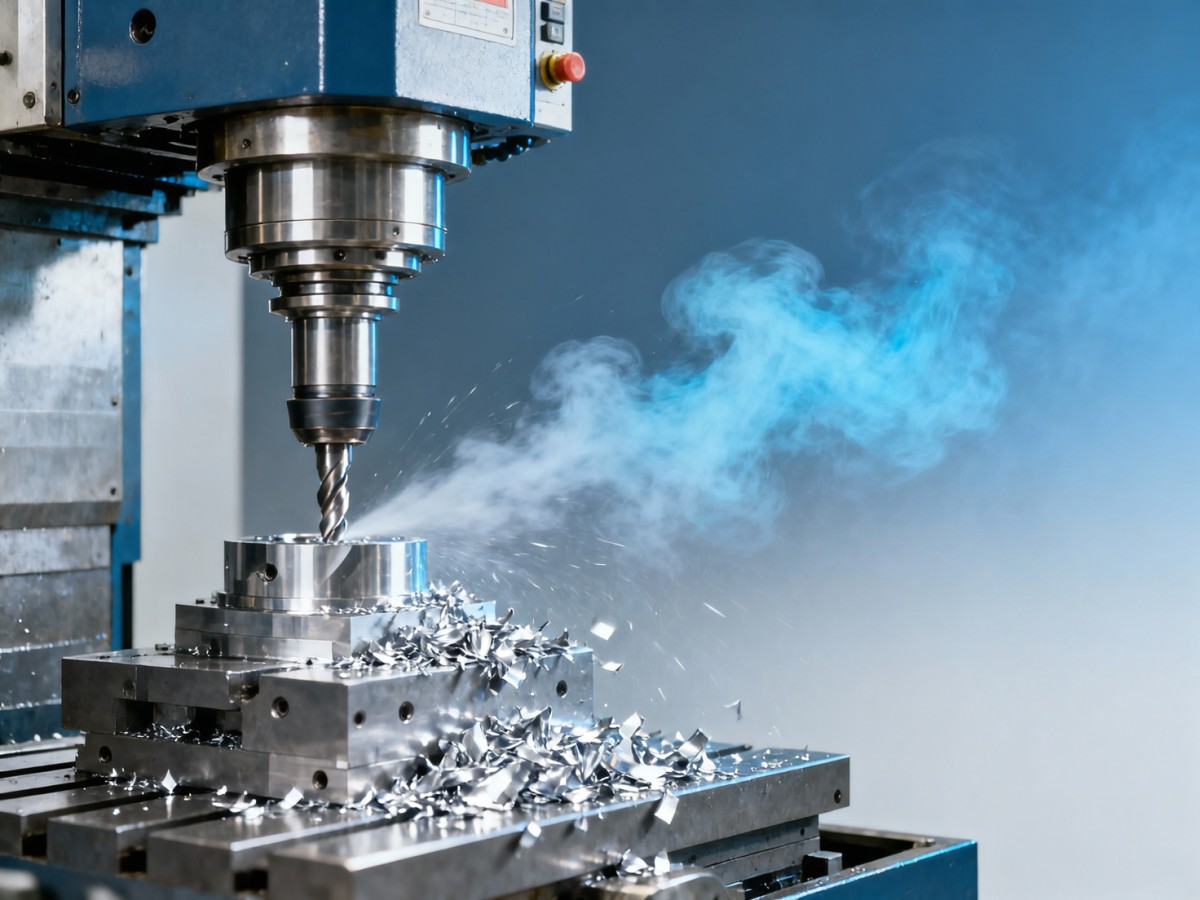
Regional Regulatory Landscapes: Key Requirements by Market
Regulatory divergence demands granular technical awareness—not just “eco-friendly” marketing claims. A coolant approved under Japan’s Chemical Substances Control Law (CSCL) may lack REACH SVHC screening for 12 additional substances. South Korea’s K-REACH requires pre-manufacture notification for volumes ≥1 ton/year, while China’s MEPP registration mandates local agent designation and full toxicological dossier submission within 6 months of market entry.
The table below compares mandatory technical thresholds for metalworking fluids in four major manufacturing regions:
Procurement teams must verify third-party test reports—not just supplier declarations—for each target market. For example, a coolant passing ISO 14852 in Shanghai lab conditions may fail OECD 301B replication in Hamburg due to differing inoculum sources and temperature control tolerances (±0.5°C vs. ±2.0°C). Cross-border supply chains require dual-certified formulations or region-specific blending lines.
Technical Selection Criteria Beyond “Green” Labeling
True compliance begins at molecular design. Modern high-performance coolants use ester-based synthetic carriers instead of mineral oil bases—reducing VOC emissions by up to 40% while maintaining film strength >120 MPa under 800°C flash-point conditions. Zinc-free corrosion inhibitors (e.g., triazole derivatives) replace traditional zinc dialkyldithiophosphates (ZDDPs), eliminating heavy metal discharge concerns in wastewater treatment systems.
Compatibility testing is non-negotiable: 73% of CNC thermal drift incidents in multi-axis machining centers trace to coolant-induced swelling of polyurethane wiper seals (ASTM D471 swell rate >15% after 72h immersion). Precision spindles operating above 20,000 rpm require viscosity index (VI) ≥ 130 to prevent oil-film collapse during rapid acceleration phases.
The following six parameters form the minimum technical evaluation checklist for procurement and process engineering teams:
- Flash point ≥ 110°C (ASTM D92) for fire safety in high-speed milling
- pH stability range: 8.5–9.5 (±0.3 over 30-day sump life)
- Emulsion droplet size distribution: Dv90 ≤ 2.5 µm (measured via laser diffraction)
- Residual chloride content ≤ 50 ppm (IC analysis per ASTM D4294)
- Microbial resistance: No growth after 14-day ASTM E2197 challenge test
- Filterability rating: ≥ 98% retention of 5-µm particles (ISO 11171)
Implementation Roadmap: From Audit to Full Integration
Transitioning to compliant coolants requires structured execution—not just product substitution. Leading manufacturers follow a 5-phase integration protocol:
- Sump Baseline Audit: Measure current fluid pH, conductivity, tramp oil content (%), and microbial load (CFU/mL) across all CNC cells (minimum 12 sampling points)
- Machine Compatibility Mapping: Validate seal, hose, and filter media compatibility per OEM service bulletins (e.g., DMG MORI P/N 123456-Rev F)
- Process Validation: Run comparative trials on 3 representative parts (e.g., aerospace titanium flange, automotive crankshaft, electronics aluminum housing) across 5 shifts
- Waste Stream Requalification: Update wastewater treatment permits and confirm sludge classification (non-hazardous per EPA 40 CFR 261.24)
- Operator Training & Documentation: Certify all maintenance staff on new SDS handling, PPE requirements (nitrile gloves + splash goggles), and emergency response protocols
Full deployment typically takes 8–12 weeks for mid-sized facilities (50–200 CNC units). Critical path items include obtaining OEM fluid approval letters (average lead time: 21 business days) and coordinating with local waste haulers for sump cleanout scheduling (48-hour advance notice required).
FAQ: Addressing Real Procurement and Operations Questions
How do I verify if a coolant meets both EU REACH and China Green Manufacturing requirements?
Request full documentation: REACH SCIP ID, EU ECHA registration number, China MEPP certificate number, and side-by-side test reports for VOC (EN 16763), biodegradability (ISO 14852), and heavy metals (IEC 62321-5). Cross-reference substance lists against latest REACH SVHC Candidate List (233 entries as of June 2024) and China’s “Dual-List” of hazardous chemicals (2023 edition).
Can I blend compliant coolants with existing inventory to reduce transition costs?
Not recommended. Incompatible base stocks cause phase separation within 48 hours, reducing lubricity by up to 35% and accelerating bacterial growth. Sump replacement is required—average downtime: 6–8 hours per machine. Pre-planned weekend shutdowns minimize production impact.
What are the typical cost implications of switching to fully compliant coolants?
Upfront cost increases 12–22% versus legacy formulations, but total cost of ownership drops 9–15% over 12 months due to extended sump life (from 6 to 9–12 weeks), 30% lower filtration media consumption, and reduced EHS incident reporting (average 4.2 fewer OSHA-recordable events/year per 100 machines).
Environmental regulation is no longer a compliance checkbox—it’s a precision engineering parameter embedded in every coolant specification, sump management protocol, and global supply chain decision. For CNC machine tool users, operators, and procurement leaders navigating aerospace, automotive, and energy equipment production, selecting the right coolant means balancing metallurgical performance, machine longevity, workforce safety, and cross-border market access—all within tightening chemical governance frameworks.
To receive a free coolant compliance assessment tailored to your CNC fleet, machine models, and target export markets—including region-specific SDS review, sump audit checklist, and OEM compatibility matrix—contact our technical applications team today.
Recommended for You
![]() Fuxing EMU Trainset Procurement Reaches ¥4.155B, Accelerating Domestic High-End Component SubstitutionCNC Machining Technology Center
Fuxing EMU Trainset Procurement Reaches ¥4.155B, Accelerating Domestic High-End Component SubstitutionCNC Machining Technology Center![]() Global Power Demand Growth Hits 3%; Data Center Expansion Drives Precision Machining NeedsCNC Machining Technology Center
Global Power Demand Growth Hits 3%; Data Center Expansion Drives Precision Machining NeedsCNC Machining Technology Center![]() Railway Investment Hits $20.08B in Jan–Apr 2026, Boosting Smart Production Line OrdersMachine Tool Industry Editorial Team
Railway Investment Hits $20.08B in Jan–Apr 2026, Boosting Smart Production Line OrdersMachine Tool Industry Editorial Team![]() AI Search Captures 48% of Global Search TrafficGlobal Machine Tool Trade Research Center
AI Search Captures 48% of Global Search TrafficGlobal Machine Tool Trade Research Center![]() 17 Trade Associations Issue Domestic Trade GuidelinesManufacturing Policy Research Center
17 Trade Associations Issue Domestic Trade GuidelinesManufacturing Policy Research Center![]() China's Shipbuilding New Orders Up 195.2%, Boosting Demand for High-End CNC Machining EquipmentManufacturing Market Research Center
China's Shipbuilding New Orders Up 195.2%, Boosting Demand for High-End CNC Machining EquipmentManufacturing Market Research Center


Aris Katos
Future of Carbide Coatings
15+ years in precision manufacturing systems. Specialized in high-speed milling and aerospace grade alloy processing.
▶
SAMR Releases New Standard: Stricter Limits on Harmful Substances in PVC FlooringManufacturing Policy Research Center▶
ISO/IEC 62443-3-3:2026 Released for CNC Machine CybersecurityManufacturing Policy Research Center▶
DIN SPEC 91446 Carbon Footprint Transition Ends 1 June 2026Manufacturing Policy Research Center▶
Germany Launches Transition Period for DIN SPEC 91446 Carbon Footprint RulesManufacturing Policy Research Center▶
EU CE Machinery Directive Draft: CNC Automation Lines Require ISO 13849-1:2023 PL eManufacturing Policy Research Center
Mastering 5-Axis Workholding Strategies
Join our technical panel on Nov 15th to learn about reducing vibrations in thin-wall components.

Providing you with integrated sanding solutions
Before-sales and after-sales services
Comprehensive technical support