• Global CNC market projected to reach $128B by 2028 • New EU trade regulations for precision tooling components • Aerospace deman
NYSE: CNC +1.2%LME: STEEL -0.4%

How Trade Regulations Affect CNC Machine Imports
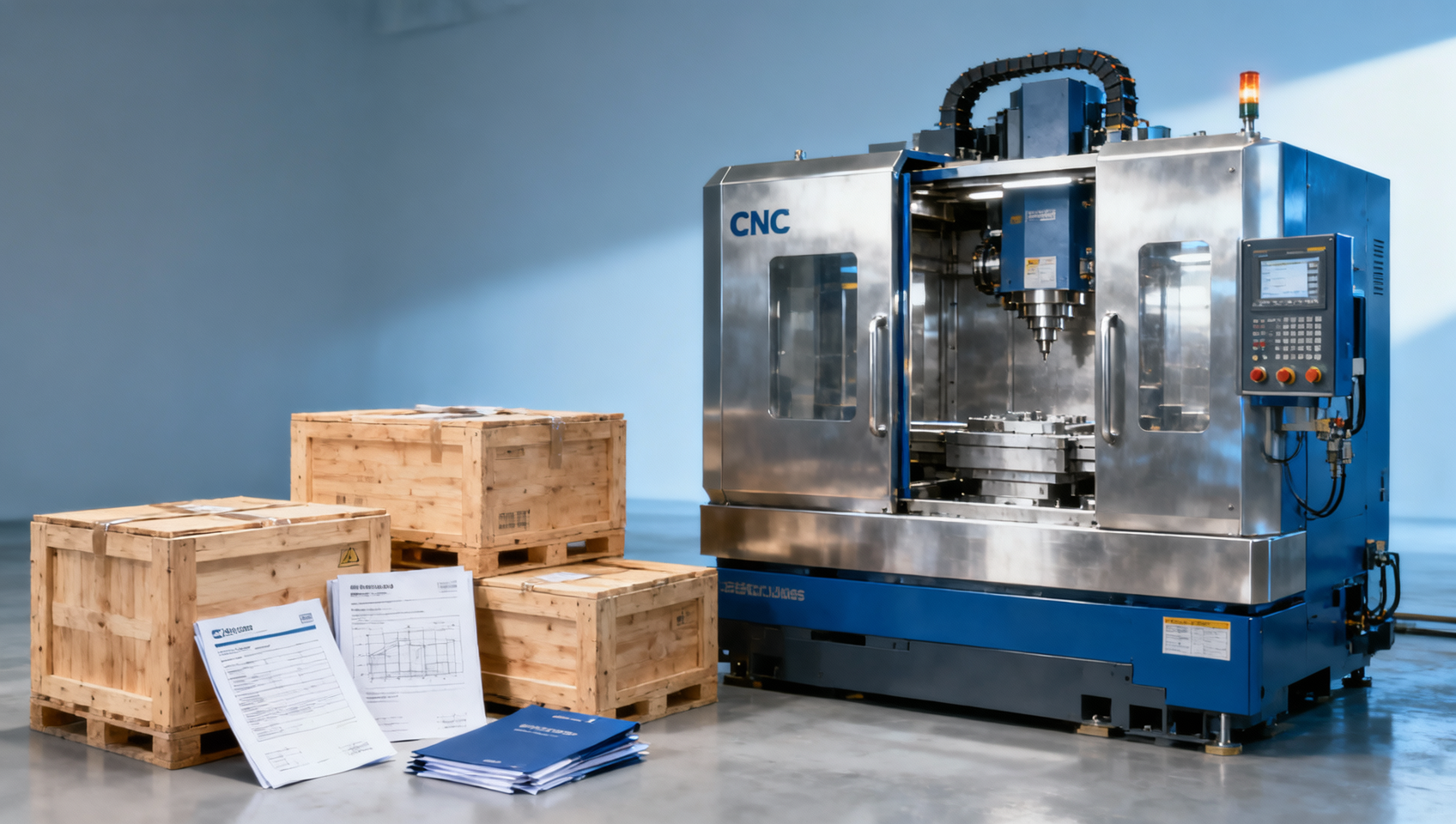
Trade regulations have a direct and practical impact on CNC machine imports: they influence landed cost, delivery timelines, technical compliance, after-sales service readiness, and even whether a machine can be installed and used without legal or operational disruption. For importers, operators, sourcing teams, and business evaluators, the real question is not simply whether a CNC machine can be imported, but whether it can be imported at the right total cost, with the right documents, and with acceptable risk. In today’s global manufacturing environment, that means looking beyond the quoted machine price and understanding tariffs, customs procedures, certification requirements, country-of-origin rules, and trade policy changes before placing an order.
What buyers really need to know before importing a CNC machine
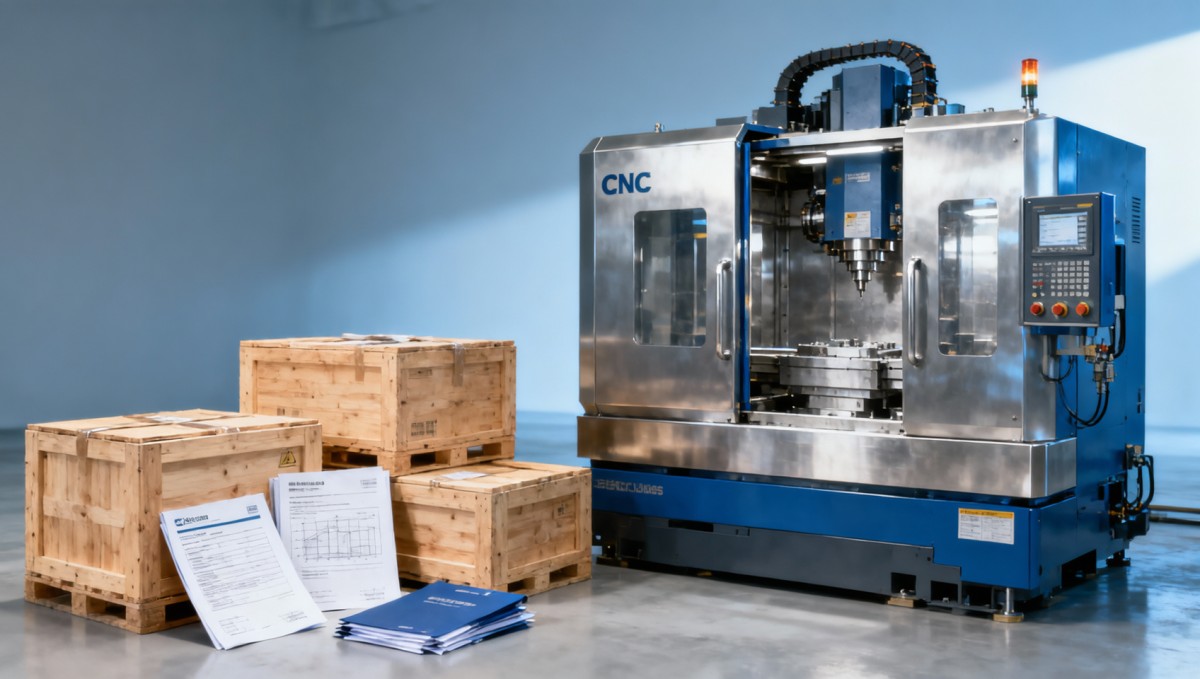
The core search intent behind this topic is highly practical: readers want to understand how trade regulations affect CNC machine imports in terms of cost, feasibility, risk, and procurement decisions. They are usually trying to answer questions such as:
- Will tariffs or duties make this machine too expensive?
- What import documents and certifications are required?
- How does the machine’s country of origin affect taxes or restrictions?
- Could customs delays disrupt production planning?
- What hidden compliance issues could create problems after purchase?
For the target audience, these are not abstract policy questions. A procurement manager may be comparing suppliers in China, Germany, Japan, or South Korea. An operator or plant team may be checking whether the imported CNC milling machine, metal lathe, or machining center can be installed and used under local safety and electrical requirements. A market analyst or business evaluator may be assessing whether changing trade rules will affect investment returns or sourcing strategy.
That is why the most useful way to understand trade regulations is to treat them as part of the machine selection process, not as a final logistics step.
How tariffs and import duties change the true cost of CNC machine imports
The most visible trade regulation is the tariff. For CNC machine imports, tariffs can significantly alter total acquisition cost, especially for high-value equipment such as multi-axis machining centers, precision CNC lathes, automated production cells, or integrated manufacturing lines.
Many buyers make the mistake of focusing on the supplier’s FOB or CIF quote without fully calculating landed cost. In reality, total cost may include:
- Import duty
- Value-added tax or sales tax
- Customs brokerage fees
- Port handling and inspection costs
- Inland transportation
- Insurance
- Compliance testing or certification expenses
- Costs caused by delays, detention, or document corrections
For example, a machine with a competitive base price may become less attractive if it falls under a higher tariff classification or if it is imported from a country subject to additional trade measures. In contrast, a machine with a higher quoted price may offer better total value if it qualifies for reduced duty under a trade agreement or faces lower customs scrutiny.
This is especially important in the Machine Tool Market, where margin pressure, project deadlines, and return on investment are closely tied to equipment cost. A small percentage difference in duty can mean a major budget impact on large capital equipment purchases.
Why HS codes and customs classification matter more than many importers expect
One of the most important but often overlooked issues in CNC machine imports is customs classification. Every imported machine is assigned a tariff code, often based on the Harmonized System (HS). That code determines duty rates, regulatory treatment, and sometimes additional import requirements.
Incorrect classification can create several problems:
- Overpayment or underpayment of duties
- Customs delays or inspections
- Fines or post-entry adjustments
- Disputes over product description and functionality
- Problems claiming preferential tariff treatment
This matters because CNC equipment is not always simple to classify. A standard CNC lathe, CNC milling machine, machining center, grinding machine, or automated production unit may fall into different categories depending on design, number of axes, intended use, degree of automation, or whether it is shipped as a complete system or in modular form.
For buyers, the practical lesson is clear: verify classification early. Do not assume that the supplier’s product description alone is enough. Review technical specifications, machine function, and customs treatment in the destination market before finalizing the transaction.
How certification and technical compliance rules affect machine usability after import
Trade regulations are not only about taxes. In many markets, imported CNC machines must meet specific safety, electrical, environmental, and technical standards before they can be legally cleared, installed, or operated.
Depending on the destination country, the importer may need to consider:
- Electrical compatibility and voltage standards
- Machine safety compliance
- CE-related or equivalent conformity requirements
- Documentation for control systems and operating manuals
- Environmental or energy-efficiency rules
- Marking, labeling, and language requirements
This is where trade compliance directly affects equipment usability. A CNC machine may arrive on time, but if the declaration of conformity, safety guarding documentation, or electrical design does not satisfy local requirements, the result may be installation delays, retrofitting costs, or restrictions on operation.
For operators and plant teams, this issue is critical. A machine that is compliant on paper but poorly adapted to local standards can still cause workflow problems, maintenance complications, or safety concerns. For procurement teams, technical compliance should be checked alongside price, capacity, and delivery terms.
Country of origin rules can influence duty rates, restrictions, and sourcing strategy
Country of origin is another key factor in how trade regulations affect CNC machine imports. Origin rules determine whether a machine qualifies for preferential treatment under a free trade agreement, whether it is subject to special duties, or whether it may face additional documentation requirements.
This is particularly relevant in global sourcing. Many CNC machines and machine tool systems are built through international supply chains. A machine may be assembled in one country using components, spindles, control units, ball screws, servo systems, or castings sourced from several others. In such cases, origin is not always obvious from the brand name or shipping location.
Buyers should pay attention to the difference between:
- Country of shipment
- Country of manufacture
- Declared country of origin for customs purposes
These distinctions can affect both customs cost and compliance exposure. If origin is misdeclared or poorly documented, the importer may lose access to reduced tariffs or become exposed to penalties and clearance delays.
From a business perspective, origin analysis also supports better sourcing decisions. In a changing trade environment, importers may diversify suppliers not only for price and quality, but also to reduce tariff concentration risk and improve policy resilience.
Customs procedures and documentation often determine whether delivery is smooth or disruptive
Even when tariff rates are acceptable and the machine is technically compliant, customs procedure can still affect the success of the import. CNC machine shipments usually involve high values, complex specifications, and supporting documentation that must be accurate and consistent.
Typical required documents may include:
- Commercial invoice
- Packing list
- Bill of lading or airway bill
- Certificate of origin
- Import license if applicable
- Technical specification sheets
- Compliance declarations or safety certificates
- Insurance and shipping documents
Problems often arise when product descriptions are inconsistent across documents, accessories are not separately declared, software or controller components are not clearly identified, or spare parts are bundled without proper classification. Since CNC equipment may include control cabinets, tool magazines, robotic units, probes, and automation modules, documentation detail matters.
For procurement and operations teams, customs readiness should be built into project planning. A delayed machine can affect line commissioning, customer orders, staffing schedules, and capital planning. In some cases, customs delay costs may be more damaging than the duty itself.
How trade regulations affect supplier selection in the global machine tool market
In the global Machine Tool Market, trade regulations influence supplier evaluation far beyond basic purchase price. When comparing machine builders or exporters, buyers increasingly need to assess which supplier can support a low-risk import process.
A strong supplier is not only one that offers precision, output, and reliability. It is also one that can provide:
- Clear and accurate export documentation
- Reliable origin declarations
- Compliance-ready technical files
- Experience with destination-market import requirements
- Responsive after-sales and spare parts support
This is highly relevant for industrial CNC investments, especially when importing machining centers, CNC milling systems, metal lathe equipment, or automated production lines used in automotive, aerospace, electronics, and energy manufacturing. A lower-priced supplier may introduce more administrative burden and compliance risk, while a better-prepared supplier may reduce total project uncertainty.
In practice, trade regulations often reward preparedness. Buyers who compare suppliers on import readiness, not just machine specifications, usually make stronger long-term decisions.
What risks matter most for procurement teams, operators, and business evaluators
Different readers care about different outcomes, but several risk areas consistently matter across roles.
For procurement teams:
- Unexpected landed cost increases
- Incorrect tariff assumptions
- Supplier documentation weaknesses
- Delays that affect project timelines
For operators and plant users:
- Installation issues due to compliance gaps
- Electrical or safety incompatibility
- Difficulty obtaining approved spare parts or service support
- Operational disruption caused by delayed commissioning
For business evaluators and market researchers:
- Trade policy volatility
- Dependence on one sourcing country
- Changing import economics across regions
- The effect of regulation on equipment investment returns
The common theme is that trade regulations affect not just border clearance, but the entire equipment lifecycle: sourcing, budgeting, delivery, installation, operation, and long-term service planning.
Practical steps to reduce import risk before placing a CNC machine order
For companies planning to import CNC equipment, a few practical checks can prevent expensive surprises.
- Estimate total landed cost early. Include duties, taxes, logistics, compliance costs, and delay contingencies.
- Confirm HS classification. Validate the likely tariff code based on machine function and technical design.
- Review origin carefully. Check whether the machine qualifies for any preferential tariff treatment and whether origin documents are credible.
- Verify compliance requirements. Make sure the machine meets destination-country standards for safety, electrical systems, documentation, and labeling.
- Audit supplier documentation quality. Weak paperwork is often an early warning sign of future customs issues.
- Coordinate procurement, logistics, and operations teams. Import success depends on cross-functional planning.
- Plan for spare parts and service imports too. Regulations may also affect consumables, replacement parts, and future upgrades.
These steps are especially valuable for capital-intensive equipment in precision manufacturing, where missed deadlines and unexpected costs can quickly undermine project value.
Conclusion: trade regulations are a strategic factor in CNC machine imports, not just an administrative detail
Trade regulations affect CNC machine imports by shaping total cost, customs speed, compliance burden, sourcing flexibility, and operational readiness. For readers researching industrial CNC, CNC milling, metal lathe, machining center, or automated production equipment, the most important takeaway is simple: import success depends on understanding regulations before the purchase, not after shipment.
In a global manufacturing market defined by precision, automation, and cross-border supply chains, the best import decisions are made when technical evaluation and trade compliance are considered together. Buyers who assess tariffs, classification, origin, certifications, and documentation upfront are better positioned to control risk, protect budgets, and choose suppliers that support stable long-term production.
In short, trade regulations do not just affect whether a CNC machine crosses the border. They affect whether the investment truly works for the business.
PREVIOUS ARTICLE
Recommended for You
![]() China Releases First Eastern Sea Seabed Elemental MapGlobal Machine Tool Trade Research Center
China Releases First Eastern Sea Seabed Elemental MapGlobal Machine Tool Trade Research Center![]() AIMM National Standard Advances for CNC Smart Factory CertificationManufacturing Policy Research Center
AIMM National Standard Advances for CNC Smart Factory CertificationManufacturing Policy Research Center![]() eVTOL Mass Production Drives CNC Export GrowthGlobal Machine Tool Trade Research Center
eVTOL Mass Production Drives CNC Export GrowthGlobal Machine Tool Trade Research Center![]() China Launches World's Largest Agri-Meteorological Observation NetworkManufacturing Market Research Center
China Launches World's Largest Agri-Meteorological Observation NetworkManufacturing Market Research Center![]() Robotics ToB Scaling Hits Data Bottleneck in CNC AI InspectionCNC Machining Technology Center
Robotics ToB Scaling Hits Data Bottleneck in CNC AI InspectionCNC Machining Technology Center![]() SAMR to Complete 1,800+ Standards Revisions in 2026Manufacturing Policy Research Center
SAMR to Complete 1,800+ Standards Revisions in 2026Manufacturing Policy Research Center


Aris Katos
Future of Carbide Coatings
15+ years in precision manufacturing systems. Specialized in high-speed milling and aerospace grade alloy processing.
▶
EU CBAM Enters Enforcement Phase for CNC Machine ToolsManufacturing Policy Research Center▶
How Trade Regulations Affect CNC Machine ImportsManufacturing Policy Research Center▶
Jiaokong Factoring Hosts Risk Control Seminar on ISO 13849-1Manufacturing Policy Research Center▶
Lianyirong AI Audit Case in China Supply Chain Finance Yearbook 2025Manufacturing Policy Research Center▶
Vietnam to Launch VN-CNC Mark for CNC Imports in Q3 2026Manufacturing Policy Research Center
Mastering 5-Axis Workholding Strategies
Join our technical panel on Nov 15th to learn about reducing vibrations in thin-wall components.

Providing you with integrated sanding solutions
Before-sales and after-sales services
Comprehensive technical support