• Global CNC market projected to reach $128B by 2028 • New EU trade regulations for precision tooling components • Aerospace deman
NYSE: CNC +1.2%LME: STEEL -0.4%

US ITC Launches Section 337 Investigation into Chinese CNC Systems

On May 10, 2026, the U.S. International Trade Commission (ITC) initiated a Section 337 investigation targeting CNC numerical control systems exported from China, focusing on alleged patent infringement in AI-driven real-time path optimization and high-precision interpolation modules. This development directly affects exporters of mid-to-high-end CNC controllers to the U.S. market and signals potential tightening of intellectual property due diligence requirements for distributors and resellers operating in the United States.
Event Overview
On May 10, 2026, the U.S. International Trade Commission (ITC) formally instituted a Section 337 investigation concerning CNC numerical control systems manufactured or exported by multiple Chinese enterprises. The complaint centers on claims of patent infringement related to AI-based real-time path optimization and high-precision interpolation algorithm modules. No further procedural details—including respondent names, complainant identity, or specific asserted patents—have been publicly disclosed as of the立案 date.
Industries Affected by Segment
Direct Exporters of CNC Controllers
These companies face immediate exposure to import bans or exclusion orders if the ITC finds violation. Impact manifests primarily through halted shipments to U.S. customers, potential seizure of inventory at U.S. ports, and mandatory redesign or licensing negotiations for contested modules.
Distributors and Resellers in the U.S. Market
U.S.-based channel partners distributing Chinese-made CNC systems must now reassess product-level IP due diligence. Their liability risk increases under Section 337’s strict liability framework—even without knowledge of infringement—making pre-sale technical and legal review of AI and interpolation components essential.
OEMs Integrating Chinese CNC Controllers
Manufacturers embedding these controllers into machine tools or automation systems may encounter downstream compliance pressure. If their end products incorporate contested modules, they could be named as respondents in follow-on investigations or face customer demands for indemnification or substitution.
Domestic Component Suppliers Supporting CNC Production
Suppliers providing hardware (e.g., FPGA chips, real-time OS licenses) or software development services tied specifically to AI path planning or interpolation functions may see reduced demand or require contractual IP warranties—especially where their deliverables are cited in the complaint as enabling infringement.
What Enterprises and Practitioners Should Monitor and Do Now
Track official ITC filings and procedural deadlines
The investigation will follow a defined timeline: respondents must file responses within 20 days of service; the ITC will issue an initial determination within ~6–8 months. Monitoring docket updates via the ITC’s Electronic Document Information System (EDIS) is critical to assess scope and timing.
Identify whether your product incorporates AI path optimization or real-time interpolation modules subject to scrutiny
Review firmware architecture, software documentation, and marketing materials for explicit references to AI-accelerated motion planning, adaptive feedrate adjustment, or sub-millisecond interpolation cycles. These features—rather than general CNC functionality—are the current focus of the complaint.
Distinguish between regulatory signal and enforceable obligation
This is a single investigation—not a broad policy change. While it may prompt future enforcement patterns, no new export controls, licensing rules, or statutory amendments have resulted from this action alone. Companies should avoid overgeneralizing its implications beyond the contested technical modules.
Prepare technical documentation and licensing records for high-risk modules
Assemble evidence of independent development, third-party licensing agreements, or prior art citations for AI path optimization and interpolation logic. Such documentation supports potential defenses—including non-infringement or invalidity—and facilitates faster internal risk assessment.
Editorial Perspective / Industry Observation
Observably, this investigation reflects a growing trend of using Section 337 to address discrete, high-value software-implemented functionalities—particularly those enabled by AI—in industrial control systems. Analysis shows that the focus is not on mechanical CNC hardware but on embedded algorithmic modules where U.S. patent portfolios are dense and commercially strategic. It is more accurately understood as an early-stage legal signal than an already operational trade barrier: no remedial orders exist yet, and outcomes remain contingent on evidentiary development and claim construction. The case warrants sustained attention because it may set precedent for how U.S. authorities treat AI-integrated industrial firmware in future IP disputes.
This event underscores how narrowly defined technical capabilities—rather than entire product categories—can become focal points of cross-border IP enforcement. For stakeholders across the CNC value chain, the priority is not broad restructuring but precise, module-level IP mapping and responsive procedural readiness.
Conclusion
The ITC’s May 10, 2026, initiation of a Section 337 investigation into Chinese CNC systems marks a targeted escalation in IP enforcement concerning AI-enabled motion control algorithms. Its significance lies less in immediate trade disruption and more in clarifying the technical boundaries of enforceable rights in next-generation industrial software. Current understanding should emphasize procedural vigilance and technical specificity—not generalized market withdrawal or systemic decoupling.
Source Attribution
Main source: U.S. International Trade Commission (ITC) official notice of investigation institution, dated May 10, 2026. Details regarding respondents, complainants, and asserted patents remain pending public filing. Ongoing developments—including complaint amendments, respondent submissions, and ITC staff determinations—require continuous monitoring.
Recommended for You
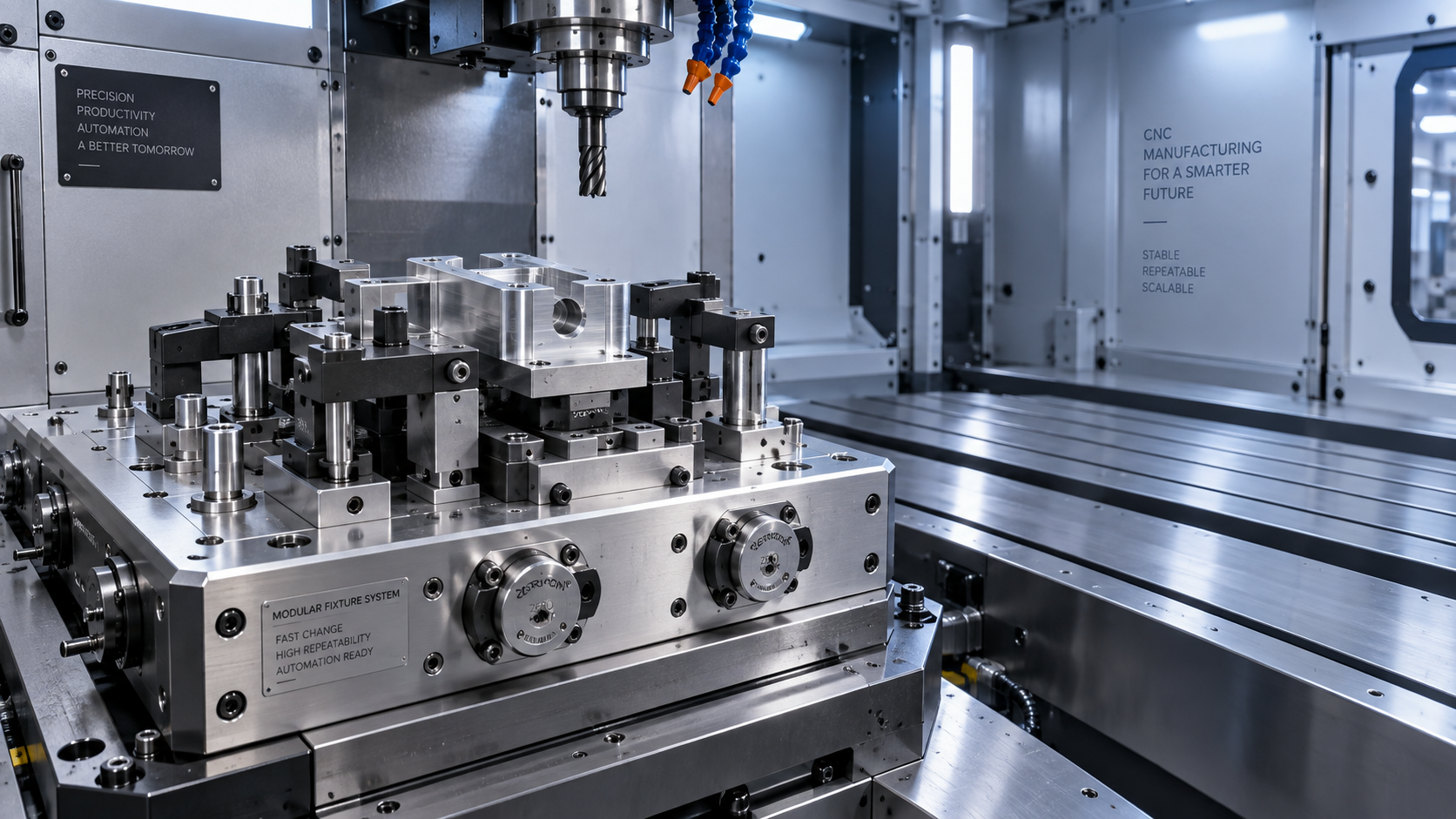
 Zero-Point Clamping or Modular Fixtures? Choosing a Faster CNC Changeover SystemCNC Machining Technology Center
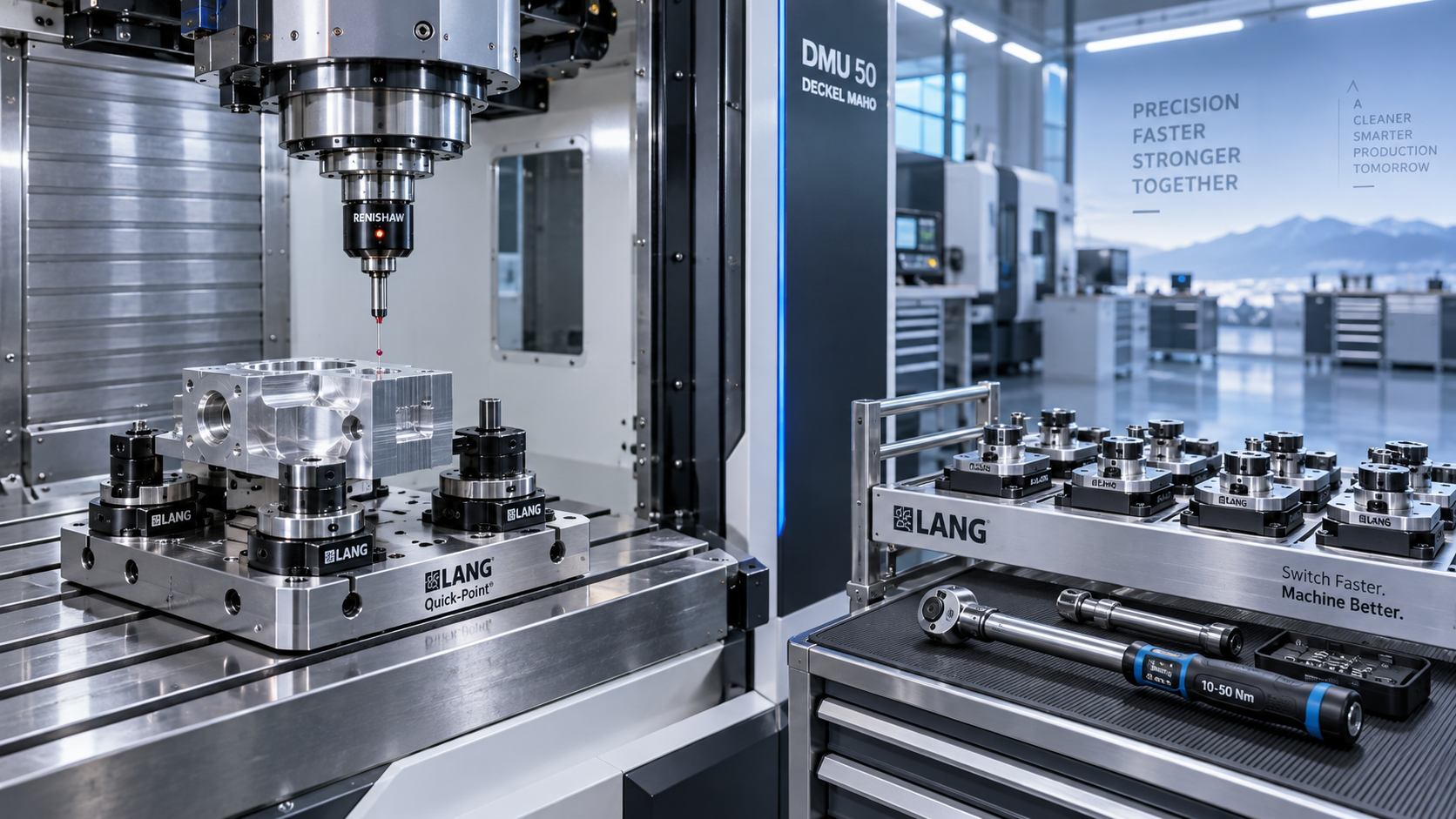
 How to Cut CNC Fixture Changeover Time Without Sacrificing Part AccuracyCNC Machining Technology Center
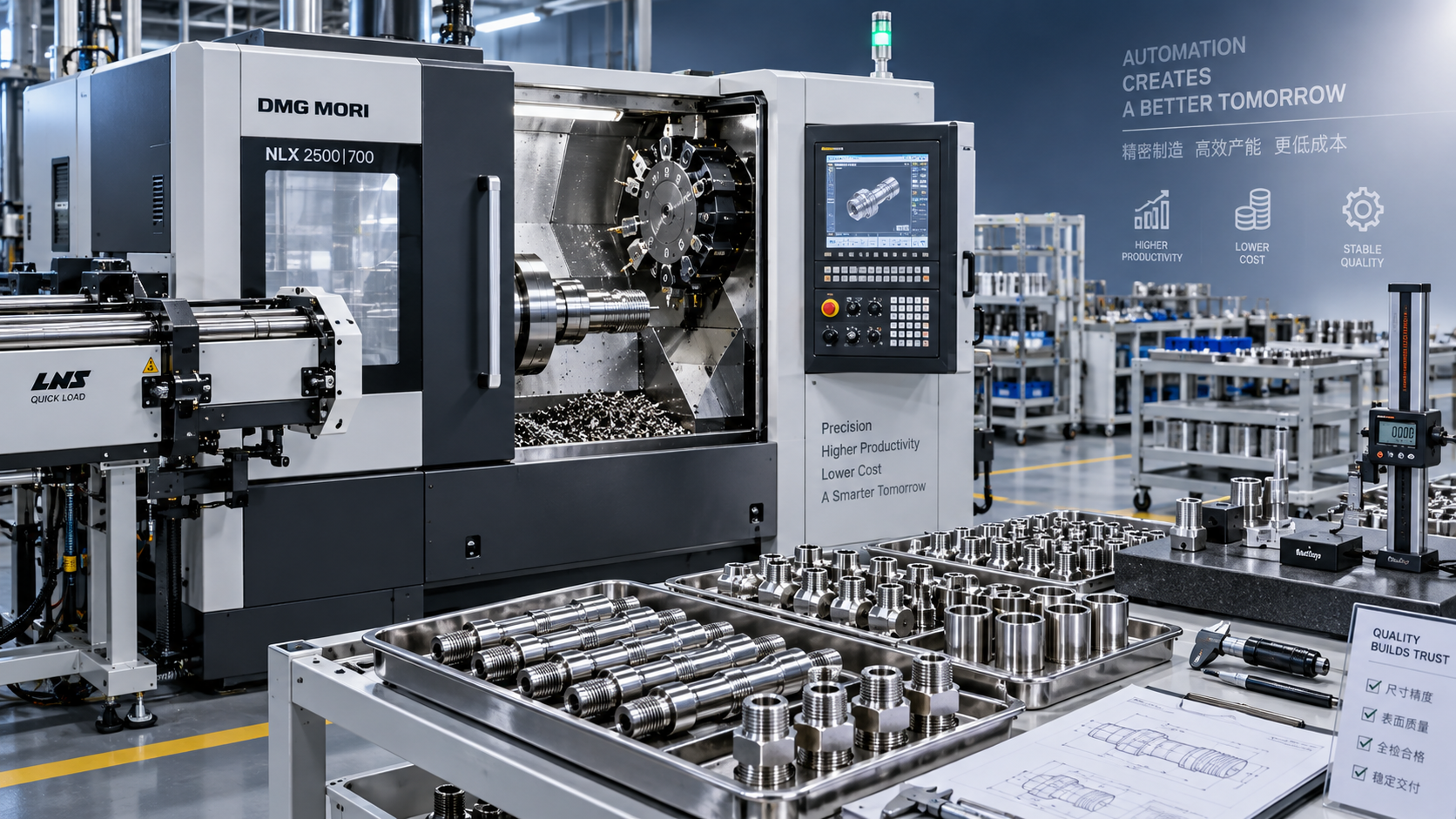
 When Does CNC Turning Pay Off? A Break-Even Guide by Annual Part VolumeMachine Tool Industry Editorial Team
 Machine Tool Standards by Country: What Importers Must Verify Before PurchaseManufacturing Policy Research Center
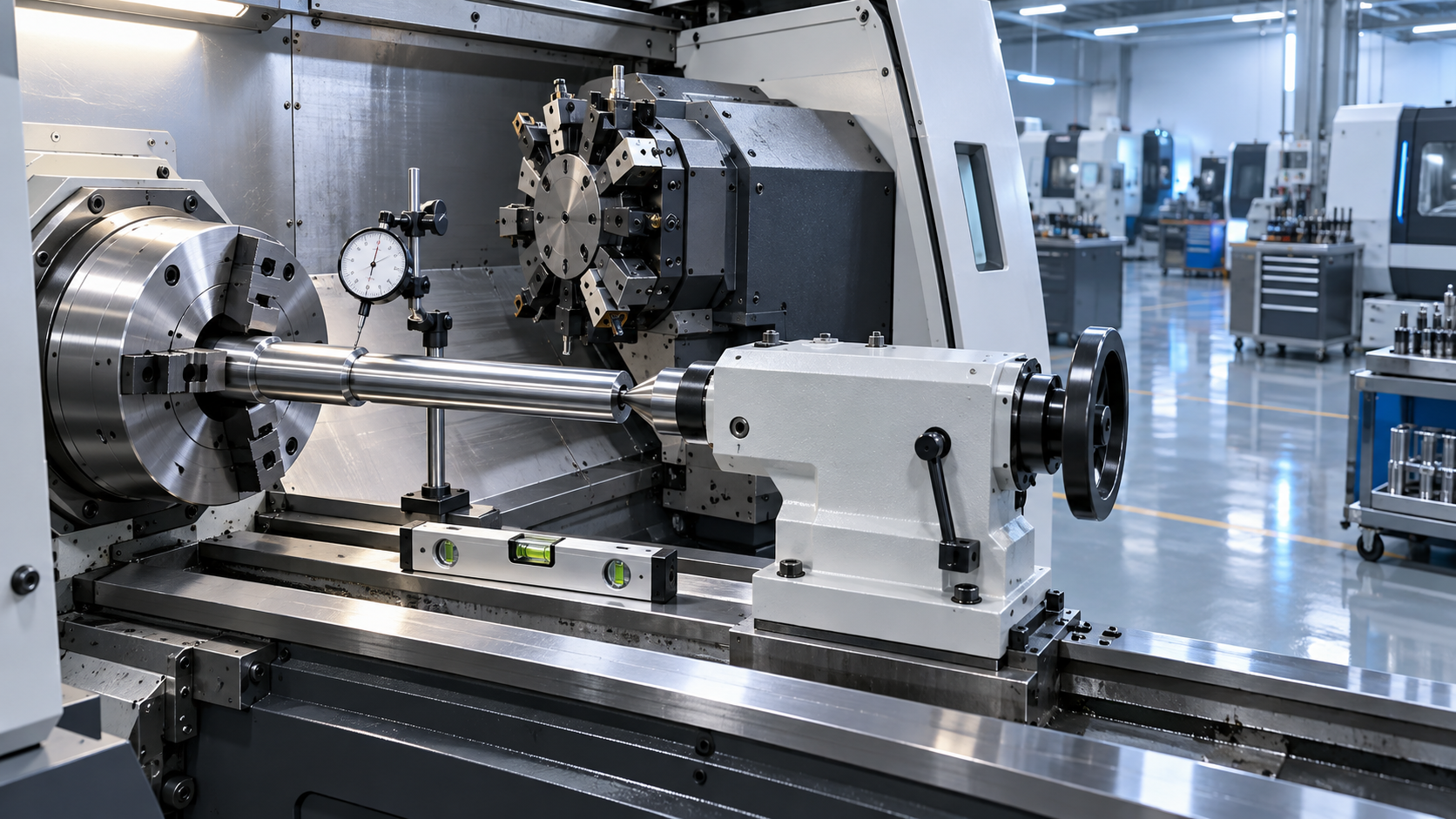
 CNC Lathe Quick Installation Guide: Alignment Checks Before First Production RunCNC Machining Technology Center
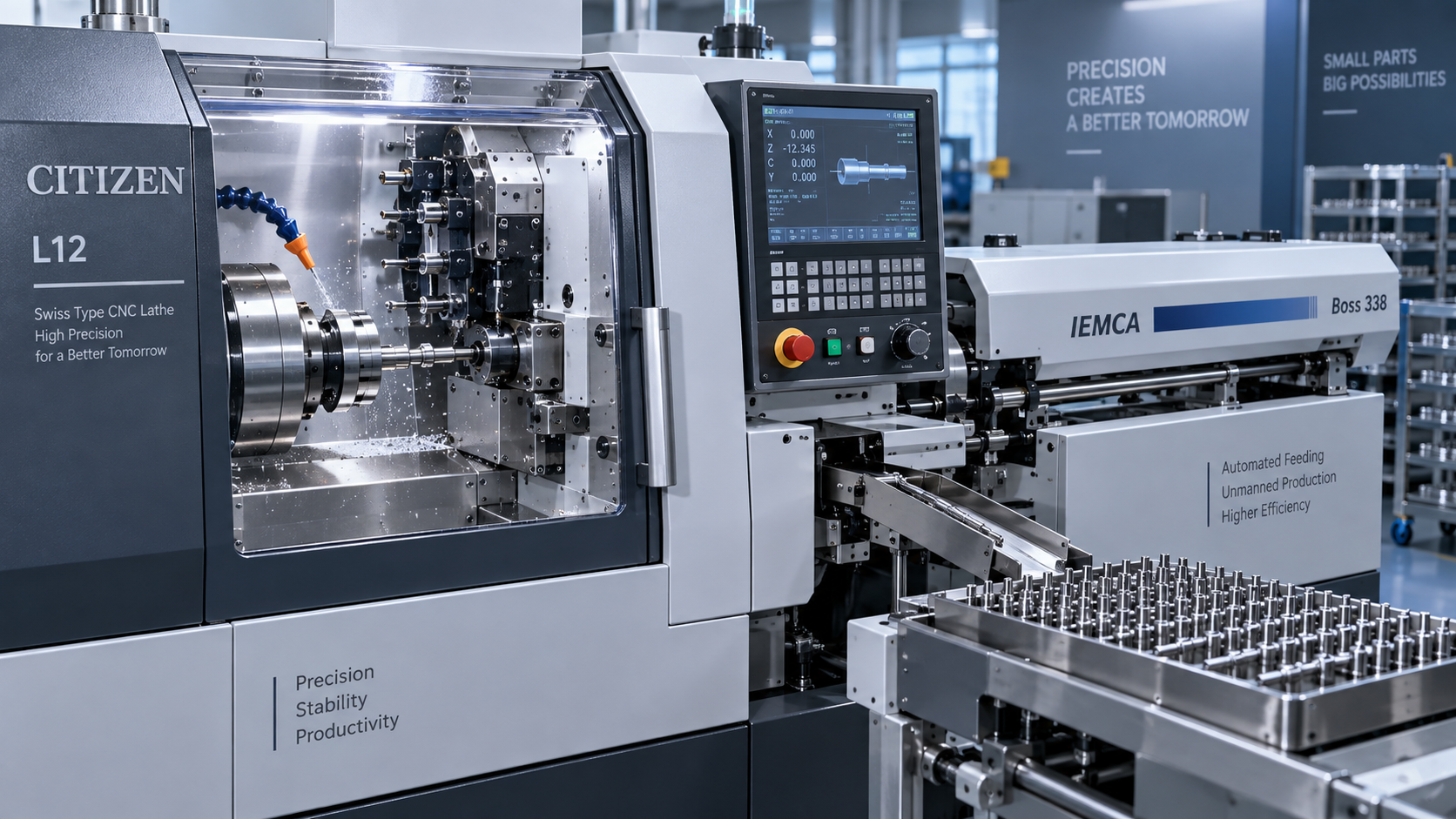
 How to Select a CNC Lathe for Small Parts Without Sacrificing Accuracy or Cycle TimeCNC Machining Technology Center

Aris Katos
Future of Carbide Coatings
15+ years in precision manufacturing systems. Specialized in high-speed milling and aerospace grade alloy processing.
▶
Japan Adds 5-Axis CNC Gear Grinders to Export ControlsMachine Tool Industry Editorial Team▶
How to Choose CNC Industrial Machines for High-Mix Production LinesMachine Tool Industry Editorial Team▶
US Opens 337 Probe Into Chinese CNC CentersMachine Tool Industry Editorial Team▶
US Tightens Export Controls on CNC Motion ModulesMachine Tool Industry Editorial Team▶
US Tightens CNC Export Controls on China SupplyMachine Tool Industry Editorial Team
Mastering 5-Axis Workholding Strategies
Join our technical panel on Nov 15th to learn about reducing vibrations in thin-wall components.

Providing you with integrated sanding solutions
Before-sales and after-sales services
Comprehensive technical support