• Global CNC market projected to reach $128B by 2028 • New EU trade regulations for precision tooling components • Aerospace deman
NYSE: CNC +1.2%LME: STEEL -0.4%

EU’s Revised Ecodesign Regulation for Machinery Enters Force: Mandatory Energy Labeling for CNC Machine Tools from May 10, 2026

The European Commission’s revised Machinery Ecodesign Regulation entered into force on May 10, 2026, mandating energy efficiency labeling for CNC machining centers and CNC lathes placed on the EU market. This development directly affects exporters of metalworking machine tools—particularly those based in China—and carries implications for certification, customs clearance, and product compliance across the global supply chain.
Event Overview
On May 10, 2026, the European Commission officially implemented the updated Machinery Ecodesign Regulation. Under this regulation, all CNC machining centers and CNC lathes placed on the EU market must bear the EN 17394-2:2026 energy label. The label classifies equipment into five efficiency classes (A–E) based on three verified metrics: no-load power consumption, specific cutting energy (MJ/kg), and standby power consumption. Equipment failing to meet minimum performance thresholds will be ineligible for CE marking renewal, thereby blocking market access and affecting type examination and customs release procedures.
Which Subsectors Are Affected
Direct Exporters (e.g., Chinese CNC Machine Tool Manufacturers)
These companies face immediate compliance pressure because their products must undergo new type examination under EN 17394-2:2026 prior to CE marking renewal. Non-compliant units cannot be re-certified after May 10, 2026, risking shipment delays, rejected consignments, or forced product recalls in EU distribution channels.
Component Suppliers & System Integrators
Suppliers of motors, drives, control systems, and cooling units used in CNC machines may experience revised technical specifications from OEMs seeking to meet the new labeling thresholds. Demand may shift toward higher-efficiency subsystems—especially those contributing to reduced no-load and standby consumption—though no regulatory obligation applies directly to components alone.
CE Certification Bodies & Testing Laboratories
Notified bodies authorized for CE conformity assessment must now incorporate EN 17394-2:2026 test protocols—including standardized measurement methods for specific cutting energy—into their type examination procedures. This requires updated testing capabilities and staff training, potentially extending lead times for certification applications submitted after May 2026.
Distribution & Aftermarket Service Providers
EU-based distributors and service providers handling legacy CNC equipment may encounter limitations in supporting non-labeled or non-compliant machines post-2026, especially if future maintenance or upgrade documentation references energy performance requirements. Warranty claims or spare parts provisioning could increasingly reference label-class alignment.
What Relevant Enterprises or Practitioners Should Focus On and How to Respond Now
Monitor official updates from the European Commission and EU Notified Bodies
Analysis shows that transitional provisions, enforcement timelines for existing stock, and detailed interpretation guidelines for specific cutting energy measurement remain pending. Enterprises should subscribe to official communications from the EC’s Directorate-General for Energy and designated Notified Bodies to track clarifications before committing to full-scale retesting.
Prioritize verification for high-volume export models and key EU customer platforms
Observably, not all CNC configurations carry equal risk. Manufacturers should identify top-selling models destined for EU markets—and those integrated into OEM platforms with strict sustainability procurement policies—and initiate pre-assessment against EN 17394-2:2026 criteria ahead of formal certification.
Distinguish between regulatory signal and operational readiness
Current policy implementation is mandatory as of May 10, 2026—but actual enforcement at border control or distributor level may vary during initial rollout. From an industry perspective, early compliance demonstrates due diligence; however, businesses should avoid over-investing in unvalidated retrofit solutions before test method harmonization is confirmed.
Prepare documentation, calibration records, and energy test reports in advance
EN 17394-2:2026 requires traceable, repeatable test conditions—including standardized workpiece materials, tooling, and cutting parameters. Exporters should begin compiling internal test logs and instrument calibration certificates aligned with Annex B of the standard, enabling faster submission to Notified Bodies when applying for renewed CE marking.
Editorial Perspective / Industry Observation
This regulation is better understood as a structural signal—not just a compliance checkpoint. Analysis shows it reflects the EU’s broader integration of product-level energy performance into circular economy policy, extending ecodesign principles beyond household appliances into industrial capital goods. Observably, the inclusion of specific cutting energy—a metric tied directly to production process efficiency—marks a departure from traditional ‘standby/no-load’ focus and introduces operational performance into regulatory scope. From an industry perspective, this signals increasing convergence between environmental policy and manufacturing productivity metrics. Continued attention is warranted, particularly as similar frameworks are under discussion in South Korea and Canada for industrial machinery.
Conclusion
The entry into force of the revised Machinery Ecodesign Regulation represents a formal tightening of market access conditions for CNC machine tools in the EU—not a temporary adjustment but a binding requirement anchored in harmonized standards. It does not introduce new environmental taxes or tariffs, nor does it ban any technology outright; rather, it establishes verifiable performance thresholds tied to measurable energy use during defined operational states. Current understanding should treat this as a baseline compliance shift—one requiring technical preparation, not strategic redirection.
Information Sources
Main source: European Commission Implementing Regulation (EU) 2026/XXX amending Regulation (EU) 2019/1781 on ecodesign requirements for electric motors and related products, published in the Official Journal of the European Union, May 10, 2026.
Additional reference: EN 17394-2:2026 “Sustainability of machinery — Energy efficiency of computer numerically controlled (CNC) machine tools — Part 2: Labelling and classification” (CEN, March 2026).
Note: Transitional arrangements for existing CE certificates and enforcement guidance at national customs authorities remain under observation and are not yet publicly finalized.
Recommended for You
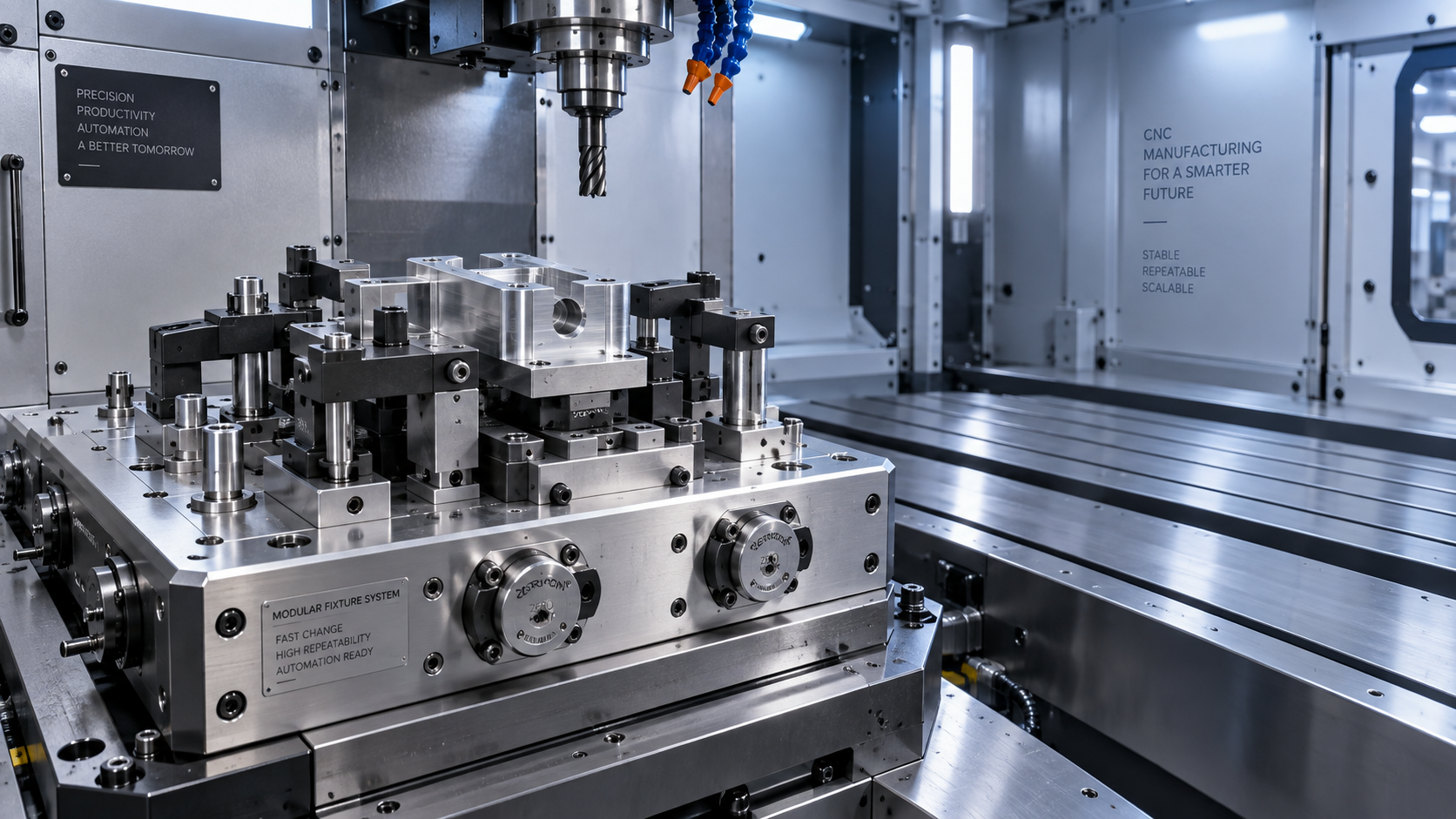
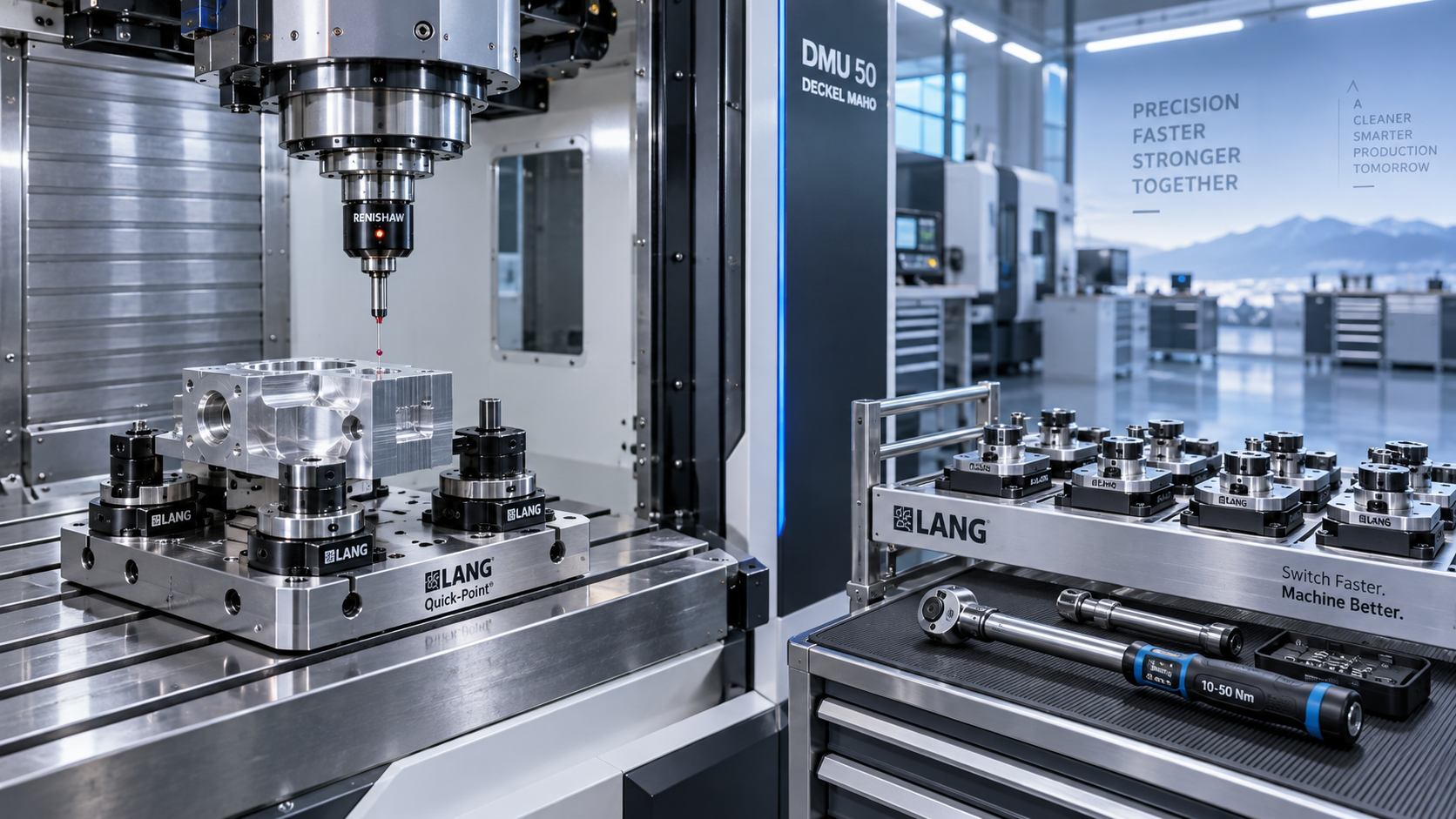
 Zero-Point Clamping or Modular Fixtures? Choosing a Faster CNC Changeover SystemCNC Machining Technology Center
 How to Cut CNC Fixture Changeover Time Without Sacrificing Part AccuracyCNC Machining Technology Center
 When Does CNC Turning Pay Off? A Break-Even Guide by Annual Part VolumeMachine Tool Industry Editorial Team
 Machine Tool Standards by Country: What Importers Must Verify Before PurchaseManufacturing Policy Research Center
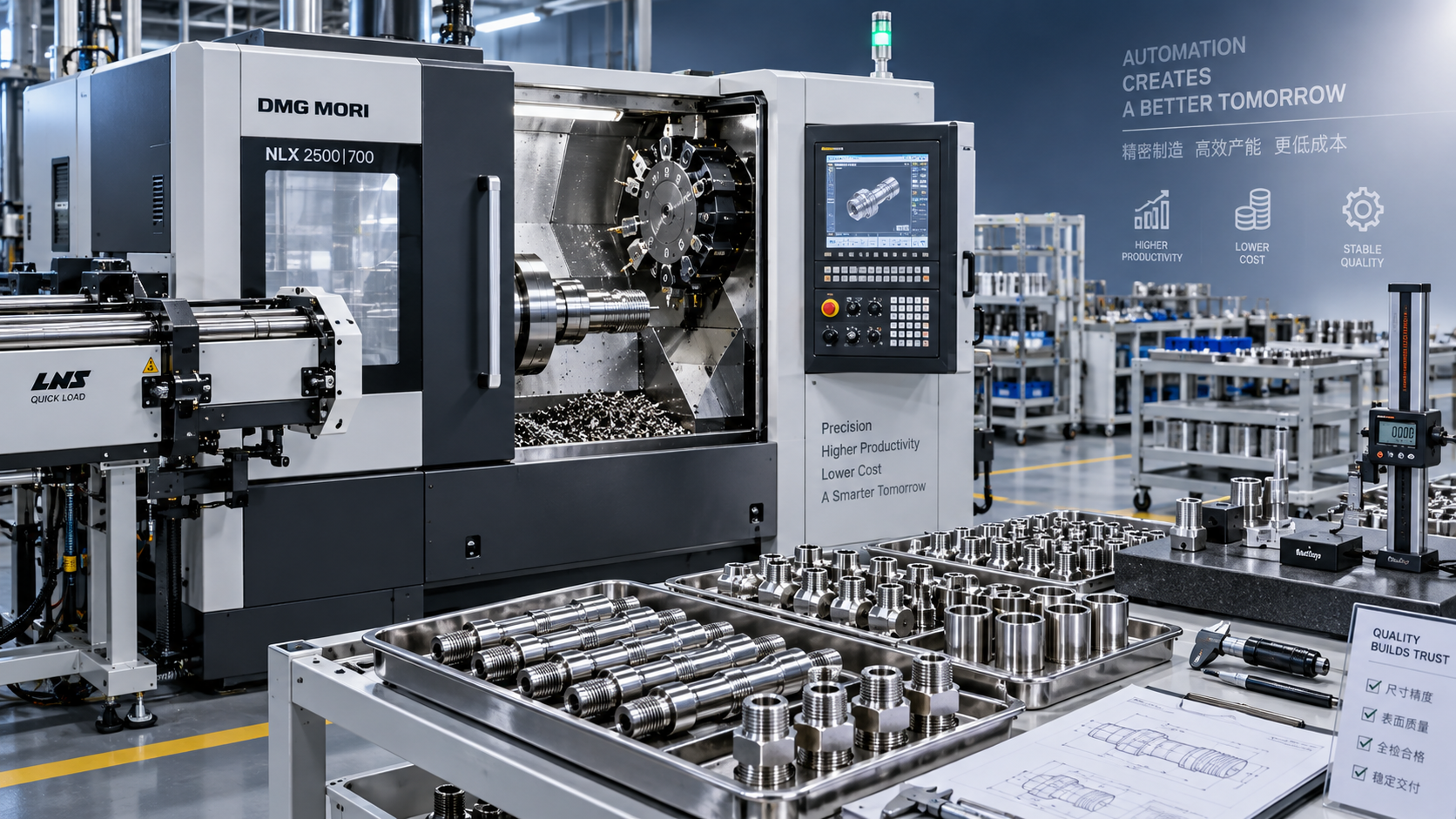
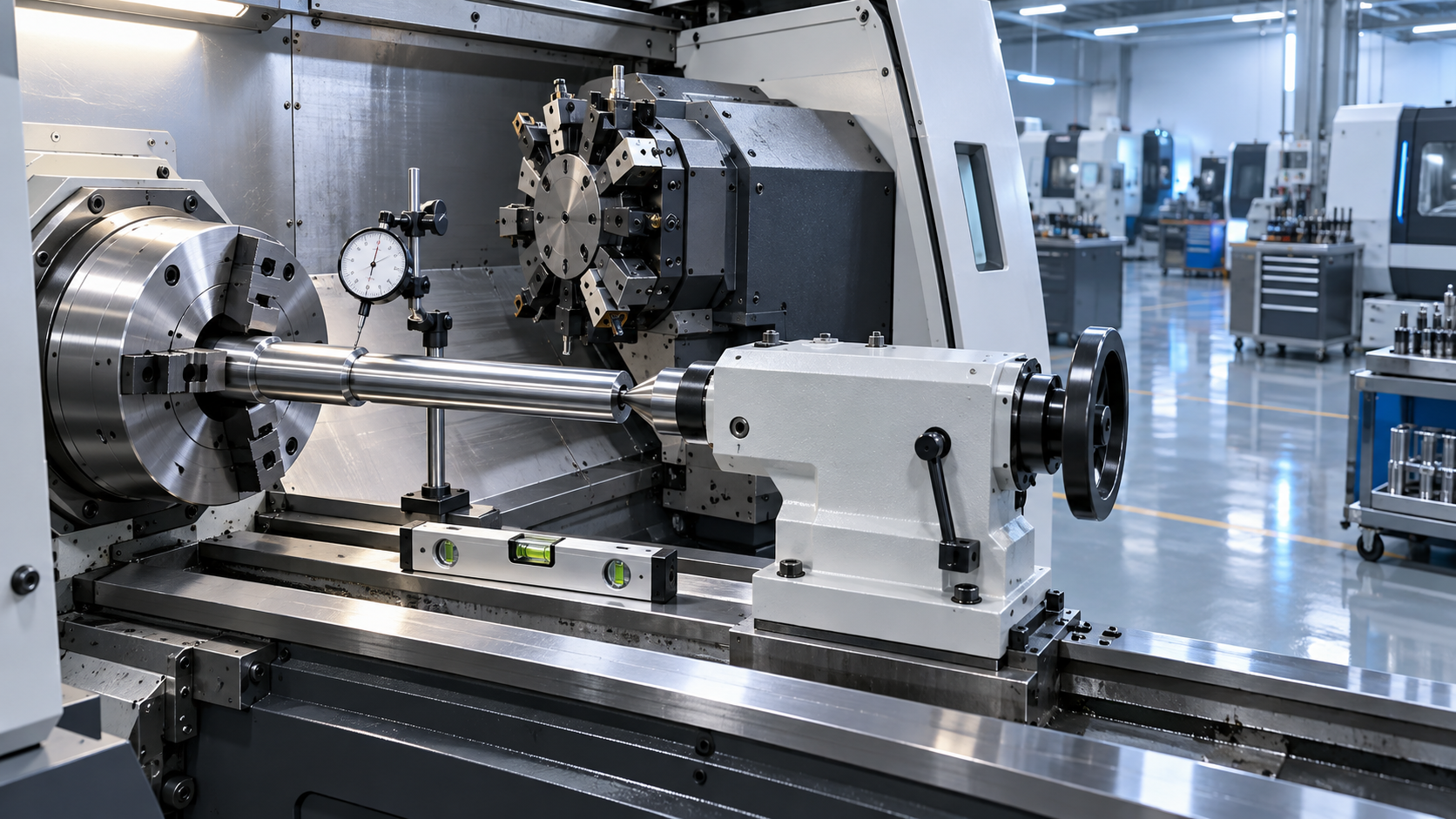
 CNC Lathe Quick Installation Guide: Alignment Checks Before First Production RunCNC Machining Technology Center
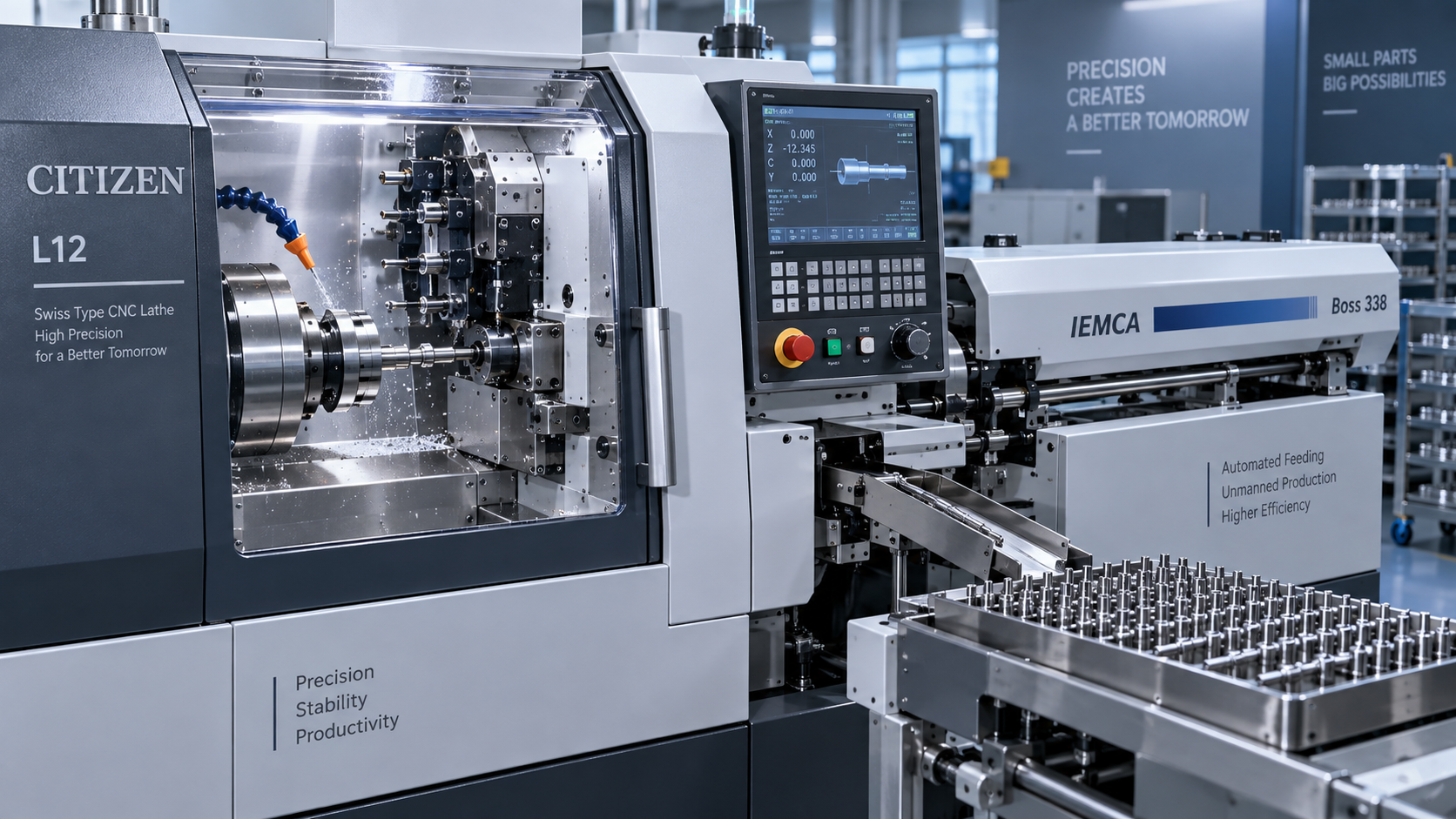
 How to Select a CNC Lathe for Small Parts Without Sacrificing Accuracy or Cycle TimeCNC Machining Technology Center

Aris Katos
Future of Carbide Coatings
15+ years in precision manufacturing systems. Specialized in high-speed milling and aerospace grade alloy processing.
▶
How to Compare Machine Tools for Small-Batch vs Mass Production JobsMachine Tool Industry Editorial Team▶
Multi-Axis Machine Tool Selection Guide: Travel, Spindle, Accuracy, and Control SystemMachine Tool Industry Editorial Team▶
How to Evaluate Precision Equipment for Tight-Tolerance Parts and Stable OutputMachine Tool Industry Editorial Team▶
KATS Tightens CNC Grinder Import Test RulesMachine Tool Industry Editorial Team▶
Precision Lathe Types Compared: Swiss-Type, Slant Bed, and Flat Bed DifferencesMachine Tool Industry Editorial Team
Mastering 5-Axis Workholding Strategies
Join our technical panel on Nov 15th to learn about reducing vibrations in thin-wall components.

Providing you with integrated sanding solutions
Before-sales and after-sales services
Comprehensive technical support