• Global CNC market projected to reach $128B by 2028 • New EU trade regulations for precision tooling components • Aerospace deman
NYSE: CNC +1.2%LME: STEEL -0.4%

Industrial Robotics Payback Looks Different in 2026
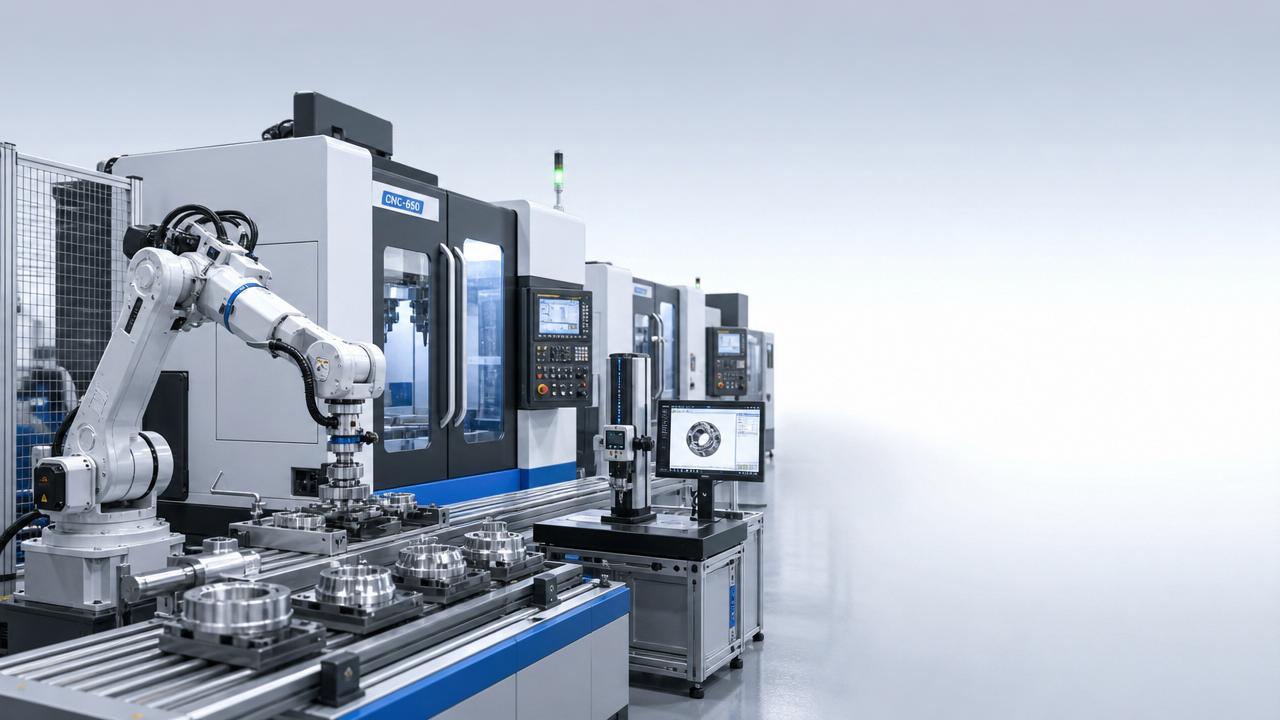
In 2026, Industrial Robotics investment is no longer judged by labor savings alone. For decision-makers in CNC machining and precision manufacturing, payback now depends on uptime, flexible production, quality consistency, and digital integration. As smart factories expand, understanding what really drives robotic ROI is becoming essential for staying competitive in a faster, more demanding global market.
For most manufacturing leaders, the key question is no longer whether robots reduce headcount. The real question is whether Industrial Robotics can improve throughput, stability, and responsiveness enough to justify capital spending.
That shift matters especially in CNC machining, precision parts production, and automated assembly. In these environments, payback often comes from fewer stoppages, lower scrap, better machine utilization, and stronger delivery performance.
In short, industrial robotics payback looks different in 2026 because production economics have changed. Rising quality expectations, labor volatility, smaller batch sizes, and digital factory requirements now shape how return on investment is measured.
Why Industrial Robotics ROI is being recalculated in 2026
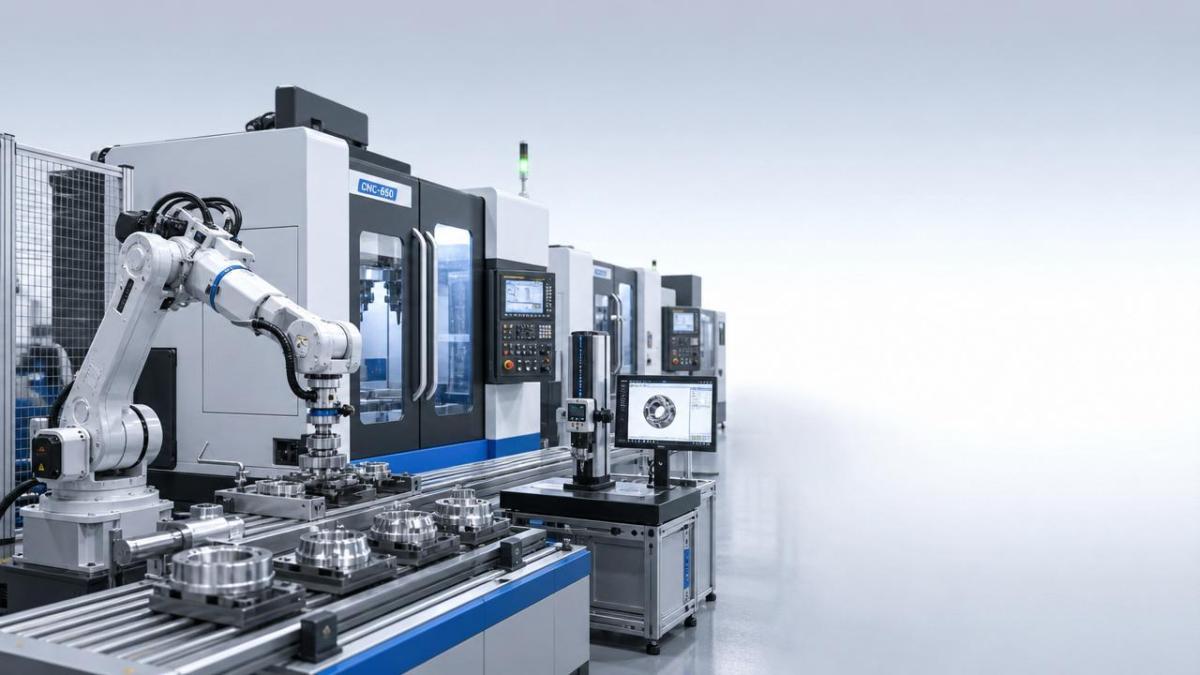
Traditional ROI models focused heavily on direct labor replacement. That approach is now too narrow for decision-makers managing advanced manufacturing operations with tight margins, high precision demands, and unstable supply conditions.
In CNC and precision manufacturing, one robot may not eliminate many positions. However, it can keep spindles running longer, reduce manual loading delays, and support unattended or lightly attended production across shifts.
That means the economic value increasingly comes from capacity gain rather than wage savings alone. If a robotic cell adds machine hours without expanding floor space, the business case changes significantly.
Another factor is quality cost. Scrap, rework, inconsistent handling, and variation between operators can quietly erode profit. Industrial Robotics often improves repeatability, especially in loading, unloading, deburring, transfer, and inspection-related tasks.
Manufacturers are also under pressure to respond faster to customers. Lead times are shorter, order mixes are more volatile, and changeovers matter more. Robots that support flexible production can reduce the penalty of frequent schedule adjustments.
Finally, digital integration has become part of the payback discussion. When robots connect with CNC systems, MES platforms, quality monitoring, and production analytics, they contribute data value as well as automation value.
What decision-makers care about most before approving a robotics project
Enterprise leaders usually do not start with technical specifications. They want to know how quickly a robotic system can improve output, how reliable it will be, and what operational risks may slow returns.
The first concern is utilization. A robot that stands idle because of poor part flow, unstable fixturing, or frequent program changes will not deliver attractive payback, even if its theoretical cycle time looks strong.
The second concern is integration complexity. In machine tool environments, robotics success depends on compatibility with CNC machines, grippers, fixtures, tool management, safety systems, and upstream or downstream handling processes.
Third comes flexibility. In 2026, many manufacturers cannot justify automation built for only one high-volume part. They want robotic cells that can support families of components and adapt to shifting production priorities.
Leaders also care about ramp-up time. A system that takes too long to install, debug, and stabilize can delay value realization. Fast deployment and predictable commissioning are now important decision criteria.
Another major issue is workforce impact. Management wants to know whether existing teams can operate and maintain the robotic system, or whether the project creates new dependence on scarce automation specialists.
These concerns explain why modern Industrial Robotics proposals need stronger operational and financial logic. Technical capability alone is not enough. The winning case must connect directly to production outcomes and business resilience.
The new drivers of robotic payback in CNC and precision manufacturing
For companies in machining and precision manufacturing, the strongest return drivers are usually hidden in daily operations rather than in payroll reduction. That is why payback looks different today.
One major driver is spindle utilization. When operators manually load and unload machines, productive cutting time is often interrupted by walking, waiting, checking, and repositioning. Robots reduce these gaps and stabilize cycle flow.
Even modest utilization gains can be financially meaningful. If expensive machining centers run more consistently across multiple shifts, output increases without the cost of adding new machine tools or expanding facilities.
Another driver is unattended production. Industrial Robotics can support lights-out or near-lights-out machining for suitable part types, especially where handling is repetitive and process conditions are already stable.
Quality consistency is also a significant source of return. Robotic handling applies repeatable force, motion, and timing. That reduces damage risk on finished surfaces, lowers variability, and supports more predictable downstream inspection results.
In high-mix operations, flexibility has become a return driver in its own right. A well-designed robotic system can help manufacturers switch between jobs more smoothly, reducing the cost of volatility rather than merely chasing scale.
Traceability and data collection matter as well. Connected robotic cells can provide event logs, uptime records, cycle data, and alarm histories that help managers identify bottlenecks and improve planning accuracy.
Safety improvements should not be ignored. While safety alone may not justify an investment, reducing hazardous manual handling can lower incident risk, improve retention, and protect continuity in labor-constrained environments.
How to evaluate Industrial Robotics beyond simple labor savings
If decision-makers still use a labor-only payback model, they may reject projects that could create substantial strategic value. A better evaluation framework should include several layers of economic impact.
Start with direct effects: labor hours saved, machine tending efficiency, reduced overtime, and lower dependence on temporary staffing. These remain important, but they should be treated as only one part of the calculation.
Next, measure capacity effects. Estimate how many additional productive machine hours the robotic cell can generate each day, week, or year. Then connect those hours to actual contribution margin, not just theoretical output.
Then assess quality impact. Include scrap reduction, rework avoidance, damage prevention, and lower inspection disruption. In precision manufacturing, these gains can materially influence margin even when labor savings seem modest.
Downtime reduction should also be modeled. If robotics helps smooth part flow, reduce operator-related delays, or support faster restarts, the value can be considerable, especially for high-value machine assets.
Do not overlook scheduling benefits. A robotic system that allows more stable output can reduce late deliveries, compressed changeovers, and firefighting. These indirect savings are harder to quantify, but they affect business performance.
Finally, include strategic value where relevant. If Industrial Robotics helps a company win higher-specification work, satisfy key customers, or support reshoring and regional production, the investment may deliver competitive advantages beyond short-term payback.
Where robotics projects succeed and where they disappoint
Industrial Robotics projects usually succeed when the production problem is clearly defined. Companies that identify a specific constraint, such as machine idle time or handling inconsistency, are more likely to achieve measurable returns.
They also succeed when the underlying process is stable. Robotics can amplify a good process, but it rarely fixes a broken one. Poor tooling, inconsistent raw material, or unreliable fixturing will undermine performance.
Another success factor is realistic cell design. The best projects account for part variation, maintenance access, gripper wear, error recovery, and upstream material flow instead of optimizing only nominal cycle time.
By contrast, disappointment often comes from overestimating flexibility. Not every robotic system can switch seamlessly across many part types. If changeovers require extensive manual intervention, actual utilization may fall below expectations.
Projects also struggle when internal ownership is weak. Without clear responsibility across production, engineering, quality, and maintenance, problems linger and the system never reaches stable, high-value operation.
Vendor selection matters too. The right partner should understand machine tool automation, not just robotics in general. In CNC environments, details such as chip control, coolant exposure, part orientation, and machine interface design are critical.
What a practical 2026 investment decision should look like
For enterprise decision-makers, the best approach is not asking whether robots are good in general. The better question is where Industrial Robotics creates the most measurable operational leverage in your specific production system.
Begin by identifying processes with high machine value, repetitive handling, quality sensitivity, or staffing instability. These are often stronger candidates than low-value tasks where automation savings remain too small.
Then compare scenarios. What happens if current staffing remains difficult? What if customer demand becomes more variable? What if quality requirements tighten further? Robotics value often increases under realistic future conditions.
Pilot projects can reduce risk if chosen carefully. A pilot should target a process with visible pain points and measurable metrics, not just a low-stakes application that proves little about broader business value.
Build the business case around time to stable operation, expected utilization, and process readiness. A more conservative model with credible assumptions is better than an optimistic projection that loses support after commissioning.
Also plan for scaling early. If the first cell performs well, can the company replicate standards for interfaces, training, maintenance, and data integration? Repeatability across sites or lines strengthens long-term returns.
In 2026, companies that treat robotics as part of manufacturing strategy, not just equipment procurement, are more likely to outperform. The strongest returns come when automation, machining, quality, and digital systems work together.
Conclusion: payback now reflects performance, resilience, and adaptability
Industrial Robotics payback looks different in 2026 because manufacturing priorities are different. Labor reduction still matters, but it is no longer the main lens for evaluating value in advanced production environments.
For CNC machining and precision manufacturing leaders, the most important returns often come from higher uptime, better machine utilization, stronger quality consistency, and more flexible response to changing demand.
That means the smartest investment decisions are built on operational reality. Companies should evaluate robotics based on throughput impact, process stability, integration fit, and long-term competitiveness, not on simplistic automation assumptions.
When applied to the right processes with the right execution model, Industrial Robotics can do more than lower cost. It can increase capacity, strengthen resilience, and help manufacturers compete in a faster, more digital industrial market.
Recommended for You
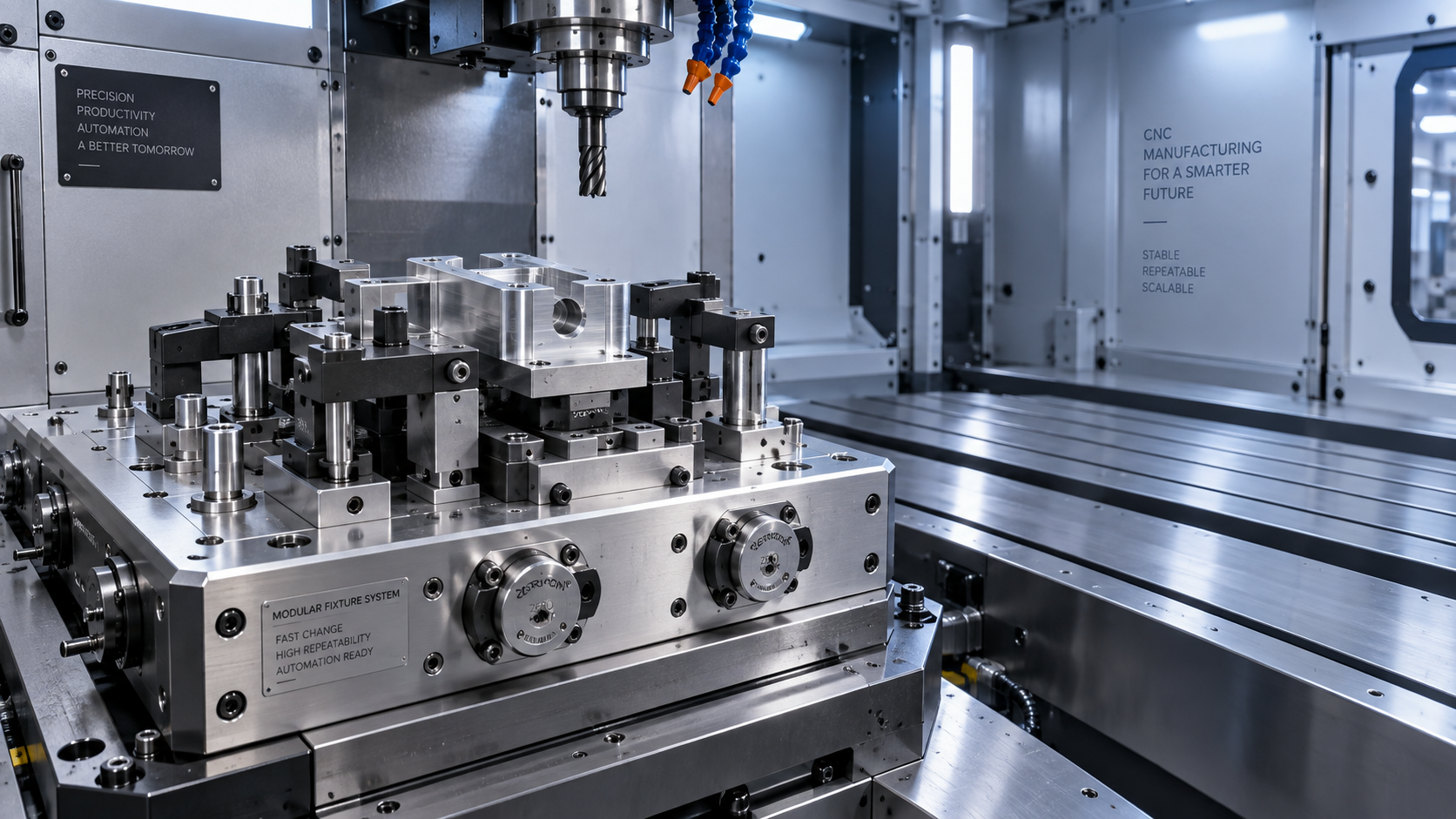
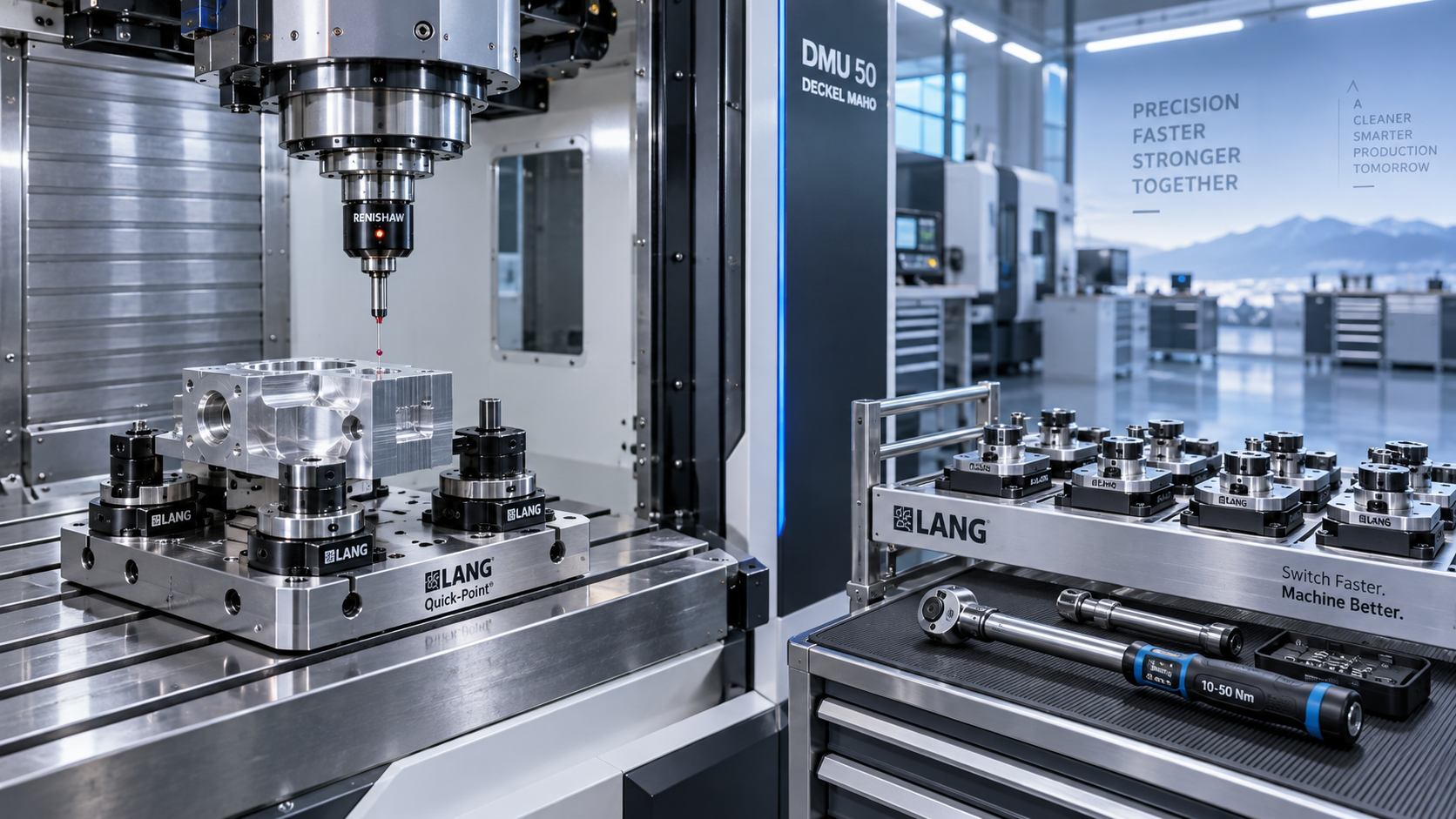
 Zero-Point Clamping or Modular Fixtures? Choosing a Faster CNC Changeover SystemCNC Machining Technology Center
 How to Cut CNC Fixture Changeover Time Without Sacrificing Part AccuracyCNC Machining Technology Center
 When Does CNC Turning Pay Off? A Break-Even Guide by Annual Part VolumeMachine Tool Industry Editorial Team
 Machine Tool Standards by Country: What Importers Must Verify Before PurchaseManufacturing Policy Research Center
 CNC Lathe Quick Installation Guide: Alignment Checks Before First Production RunCNC Machining Technology Center
 How to Select a CNC Lathe for Small Parts Without Sacrificing Accuracy or Cycle TimeCNC Machining Technology Center

Aris Katos
Future of Carbide Coatings
15+ years in precision manufacturing systems. Specialized in high-speed milling and aerospace grade alloy processing.
▶
What Production Volume Justifies a CNC Turning Investment?Manufacturing Market Research Center▶
What to check before investing in Industrial RoboticsManufacturing Market Research Center▶
What to check before investing in Industrial RoboticsManufacturing Market Research Center▶
Is Industrial Automation worth it for rising labor costsManufacturing Market Research Center▶
When does Industrial Automation actually pay for itself?Manufacturing Market Research Center
Mastering 5-Axis Workholding Strategies
Join our technical panel on Nov 15th to learn about reducing vibrations in thin-wall components.

Providing you with integrated sanding solutions
Before-sales and after-sales services
Comprehensive technical support