• Global CNC market projected to reach $128B by 2028 • New EU trade regulations for precision tooling components • Aerospace deman
NYSE: CNC +1.2%LME: STEEL -0.4%

Is the Machine Tool Market Cooling or Just Rebalancing?

Is the Machine Tool Market truly cooling, or is it entering a healthier phase of rebalancing? This question now sits at the center of industrial planning.
Short-term softness is visible in some regions, especially where inventories expanded too quickly after reopening cycles and delayed capital spending.
Yet the broader Machine Tool Market still reflects strong structural demand tied to automation, precision machining, energy transition, aerospace production, and digital factory upgrades.
The key is to separate cyclical moderation from long-term industrial transformation. That distinction shapes better timing, better valuation, and better market positioning.
What the Machine Tool Market Represents Today

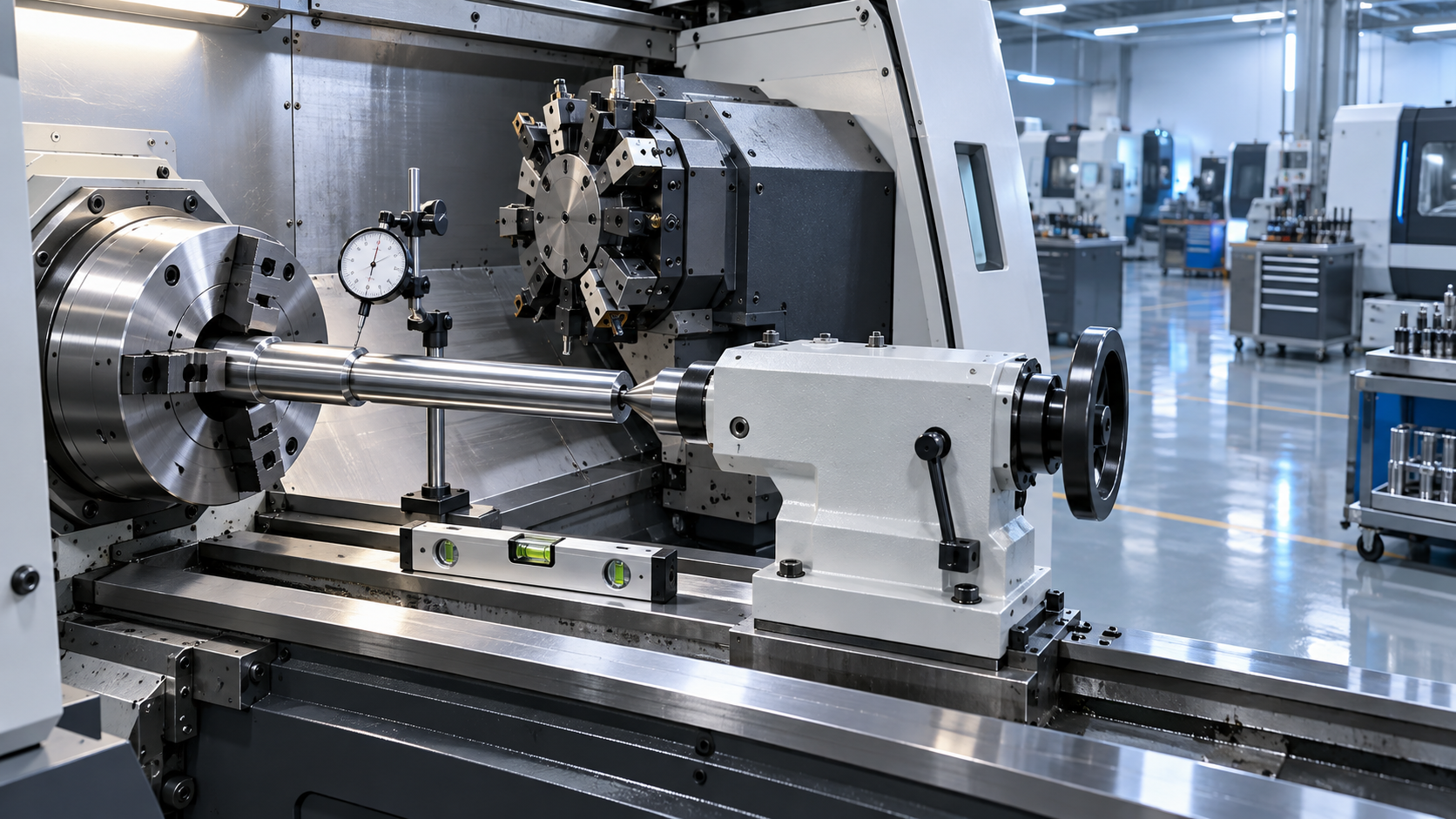
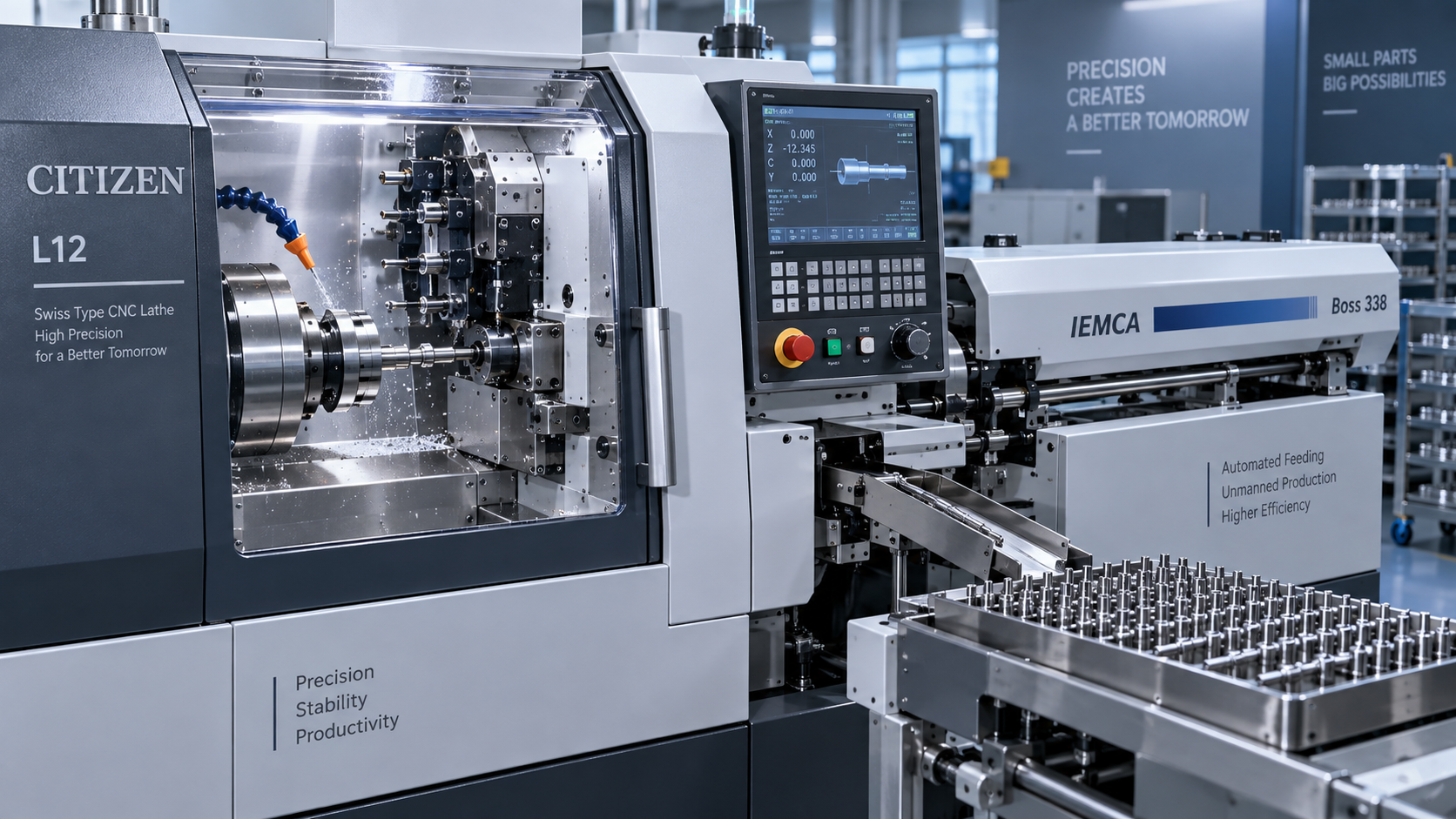
The Machine Tool Market covers CNC lathes, machining centers, grinding systems, multi-axis platforms, tooling, fixtures, controls, and integrated automation equipment.
It supports the production of shafts, housings, discs, structural parts, molds, and high-tolerance components across diverse industrial sectors.
In modern manufacturing, machine tools are not just metal-cutting assets. They are productivity systems linked with software, sensors, robotics, and process optimization.
That is why changes in the Machine Tool Market often signal broader shifts in industrial confidence, factory modernization, and export competitiveness.
Core elements shaping market value
- Precision capability and repeatability
- Cycle time reduction and automation readiness
- Software integration with smart factory systems
- Tool life management and operating efficiency
- After-sales support and global service coverage
Current Signals Behind the Rebalancing Trend
Recent data across the Machine Tool Market suggests uneven momentum rather than a universal contraction. Some segments are cooling, while others remain active.
General-purpose equipment has faced price pressure in slower export environments. However, high-end CNC systems still attract investment in strategic industries.
Orders now depend less on broad expansion and more on targeted modernization. This is a classic sign of market rebalancing.
Why cooling headlines can mislead
The Machine Tool Market is highly cyclical. Sharp demand surges are often followed by digestion periods, especially after heavy restocking or subsidy-driven buying.
A slowdown in shipments does not automatically mean shrinking relevance. In many cases, it means buyers are shifting toward fewer but more capable systems.
Why Long-Term Demand Still Looks Durable
Several structural forces continue to support the Machine Tool Market, even when near-term sentiment looks cautious.
- Automotive platforms require precision parts and flexible lines.
- Aerospace depends on complex machining and certified repeatability.
- Energy equipment needs large, durable, high-accuracy components.
- Electronics production increasingly relies on miniature precision machining.
- Labor shortages encourage higher automation across workshops.
Digital integration adds another layer of resilience. Monitoring systems, predictive maintenance, and closed-loop control improve utilization and reduce unplanned downtime.
This means the Machine Tool Market is benefiting from both equipment replacement and production model transformation.
From volume growth to quality growth
The market is no longer driven only by adding more machines. It is increasingly driven by smarter capacity, tighter tolerances, and integrated process control.
That transition tends to favor advanced CNC machine tools, automated loading systems, and precision manufacturing ecosystems over commodity-only offerings.
Business Meaning Across the Manufacturing Chain
A rebalancing Machine Tool Market changes how industrial opportunities should be evaluated. Price competition matters, but technology positioning matters more.
Businesses linked to controls, tooling, spindles, fixtures, automation cells, and service networks may see stronger resilience than basic standalone equipment segments.
Recurring revenue also becomes more important. Software updates, maintenance contracts, retrofits, and application engineering can soften cyclical equipment sales swings.
Typical Segments Within the Machine Tool Market
Not every segment behaves the same. Understanding where demand is resilient helps clarify whether the market is cooling or simply reallocating value.
Representative market categories
- CNC lathes for shafts, valves, and rotational components
- Machining centers for structural parts and batch production
- Five-axis machines for aerospace and complex geometries
- Grinding systems for surface finish and ultra-tight tolerances
- Flexible cells with robots, pallets, and digital scheduling
Among these, advanced and automated systems typically hold stronger pricing power because they solve deeper production bottlenecks.
Standard machines remain important, but buyers now compare lifecycle efficiency more carefully than before.
Practical Evaluation Factors and Cautions
When reviewing the Machine Tool Market, several practical indicators deserve close attention beyond headline shipment data.
- Check the mix between standard machines and high-spec CNC equipment.
- Track order backlogs, not only quarterly deliveries.
- Measure service revenue and software-linked income.
- Compare exposure to automotive, aerospace, energy, and electronics.
- Assess regional policy support for advanced manufacturing investment.
It is also useful to monitor replacement cycles. Older equipment fleets often create delayed but strong demand when precision or compliance requirements rise.
Another caution involves reading low-cost expansion as a positive signal. In a rebalancing Machine Tool Market, weak margins can hide underlying competitive fragility.
A Measured Outlook for the Next Phase
The most balanced interpretation is that the Machine Tool Market is not simply cooling. It is shifting from broad-cycle expansion toward selective, technology-led growth.
That favors businesses aligned with precision manufacturing, industrial automation, smart factory integration, and durable aftermarket support.
The next useful step is to map demand by segment, region, and application rather than relying on a single market headline.
A clearer view of the Machine Tool Market emerges when cyclical pressure is separated from structural modernization. That is where the most practical opportunity remains.
For ongoing analysis, follow indicators tied to CNC machine tools, precision machine tools, automated production lines, and cross-border manufacturing investment.
Those signals provide a more reliable guide to where the Machine Tool Market is heading next.
PREVIOUS ARTICLE
Recommended for You
 Zero-Point Clamping or Modular Fixtures? Choosing a Faster CNC Changeover SystemCNC Machining Technology Center
 How to Cut CNC Fixture Changeover Time Without Sacrificing Part AccuracyCNC Machining Technology Center
 When Does CNC Turning Pay Off? A Break-Even Guide by Annual Part VolumeMachine Tool Industry Editorial Team
 Machine Tool Standards by Country: What Importers Must Verify Before PurchaseManufacturing Policy Research Center
 CNC Lathe Quick Installation Guide: Alignment Checks Before First Production RunCNC Machining Technology Center
 How to Select a CNC Lathe for Small Parts Without Sacrificing Accuracy or Cycle TimeCNC Machining Technology Center

Aris Katos
Future of Carbide Coatings
15+ years in precision manufacturing systems. Specialized in high-speed milling and aerospace grade alloy processing.
▶
Global Machine Tool Backlog Falls 12% as Automation Shifts DemandManufacturing Market Research Center▶
What Drives Machine Tool Price: 7 Cost Factors Buyers Should Compare Before OrderingManufacturing Market Research Center▶
Manufacturing Industry Cost Drivers in 2025: Labor, Energy, Freight, and Sourcing RisksManufacturing Market Research Center▶
CCMT2026 Ends With 40.2% Rise in Five-Axis Export PricesManufacturing Market Research Center▶
China CNC Localization Tops 50%, Pressuring FANUCManufacturing Market Research Center
Mastering 5-Axis Workholding Strategies
Join our technical panel on Nov 15th to learn about reducing vibrations in thin-wall components.

Providing you with integrated sanding solutions
Before-sales and after-sales services
Comprehensive technical support