• Global CNC market projected to reach $128B by 2028 • New EU trade regulations for precision tooling components • Aerospace deman
NYSE: CNC +1.2%LME: STEEL -0.4%

DIN SPEC 91446 Carbon Footprint Transition Ends 1 June 2026

On 10 May 2026, the German Institute for Standardization (DIN) issued an urgent notice advancing the transition deadline for DIN SPEC 91446 — the carbon footprint reporting requirement for CNC machine tools and key functional components — from 1 July to 1 June 2026. This change directly affects Chinese exporters of CNC machinery supplying the German market, particularly those engaged in public procurement or large industrial projects.
Event Overview
On 10 May 2026, DIN announced that the transition period for compliance with DIN SPEC 91446 ends on 1 June 2026. As of that date, all CNC machine tools and critical functional components (e.g., spindles, servo systems) placed on the German market must be accompanied by a Life Cycle Assessment (LCA) report verified by a DAkkS-accredited body. Absence of such a verified report will result in exclusion from German public procurement processes and major industrial project tenders.
Which Subsectors Are Affected
Direct Exporters of CNC Machinery
Chinese manufacturers exporting CNC machine tools or key functional components to Germany are directly subject to the requirement. The impact is operational and contractual: without a DAkkS-verified LCA report submitted by 1 June 2026, shipments may be rejected for tender eligibility or customs clearance in procurement contexts.
Component Suppliers to OEMs
Suppliers of spindles, servo drives, and other defined ‘key functional components’ face upstream demand pressure. OEMs preparing tenders for German clients may require verified LCA data at the subassembly level — meaning component-level reporting may now be contractually mandated even if not yet enforced at national border control.
LCA Service Providers & Verification Intermediaries
Third-party LCA consultants and verification bodies accredited by DAkkS — especially those serving Chinese manufacturers — face intensified near-term workload. Lead times for verification are likely to compress, and capacity constraints may emerge as deadlines approach.
What Relevant Enterprises or Practitioners Should Focus On
Monitor Official Updates from DIN and DAkkS
While the 1 June 2026 deadline is confirmed, DIN has not yet published revised guidance on scope interpretation (e.g., whether retrofits, spare parts, or refurbished units fall under the requirement). Enterprises should track official publications and FAQs released by DIN and DAkkS through mid-May 2026.
Prioritise Reporting for High-Value Tender-Eligible Products
Given limited verification capacity, exporters should identify which product lines are actively targeted in German public tenders or Tier-1 industrial contracts — and allocate LCA reporting resources accordingly. Not all exported CNC units will face immediate enforcement; priority lies with those entering formal procurement pipelines.
Distinguish Between Policy Signal and Enforcement Reality
Although the deadline applies broadly, initial enforcement is expected to focus on public procurement gateways (e.g., tender submissions, bid documentation), not general import declarations. Enterprises should verify whether their current sales channels involve formal tendering — rather than assuming blanket customs-level enforcement from day one.
Prepare Documentation and Supplier Coordination Early
LCA reporting requires primary data from upstream suppliers (e.g., steel, motors, electronics). Exporters should initiate data collection from material and component suppliers no later than late May 2026 to avoid bottlenecks in final verification.
Editorial Perspective / Industry Observation
Observably, this accelerated deadline signals growing institutional urgency around embedded carbon accountability in capital goods — not just consumer products. It does not yet represent full regulatory enforcement across all import flows, but functions as a de facto gatekeeper for high-stakes commercial access. Analysis shows that the shift reflects tightening alignment between German procurement policy and the EU’s broader Product Environmental Footprint (PEF) framework, though DIN SPEC 91446 remains a national specification, not an EU regulation. From an industry perspective, this is less a standalone compliance event and more an early indicator of cascading carbon transparency requirements across B2B industrial supply chains in Europe.
This development underscores how voluntary or transitional specifications can rapidly acquire operational weight when tied to procurement access — a dynamic increasingly relevant beyond Germany, particularly for exporters targeting EU public infrastructure or green industrial programs.
From an implementation standpoint, the compressed timeline suggests that enterprises should treat the requirement as operationally binding, even if formal penalties or audit mechanisms remain undefined for the immediate term.
Conclusion
The advancement of the DIN SPEC 91446 transition deadline to 1 June 2026 marks a concrete escalation in carbon accountability expectations for Chinese CNC exporters serving the German industrial market. It is best understood not as a broad-based import restriction, but as a targeted eligibility condition for participation in public and large-scale private procurement. Current readiness hinges less on universal compliance and more on strategic prioritisation, supplier coordination, and precise alignment with tender-specific documentation requirements.
Information Sources
Main source: German Institute for Standardization (DIN), official notice dated 10 May 2026. No additional background documents, implementation guidelines, or enforcement protocols have been publicly released as of the announcement date. Ongoing monitoring of DIN and DAkkS publications is recommended for updates on scope clarification and verification procedures.
Recommended for You
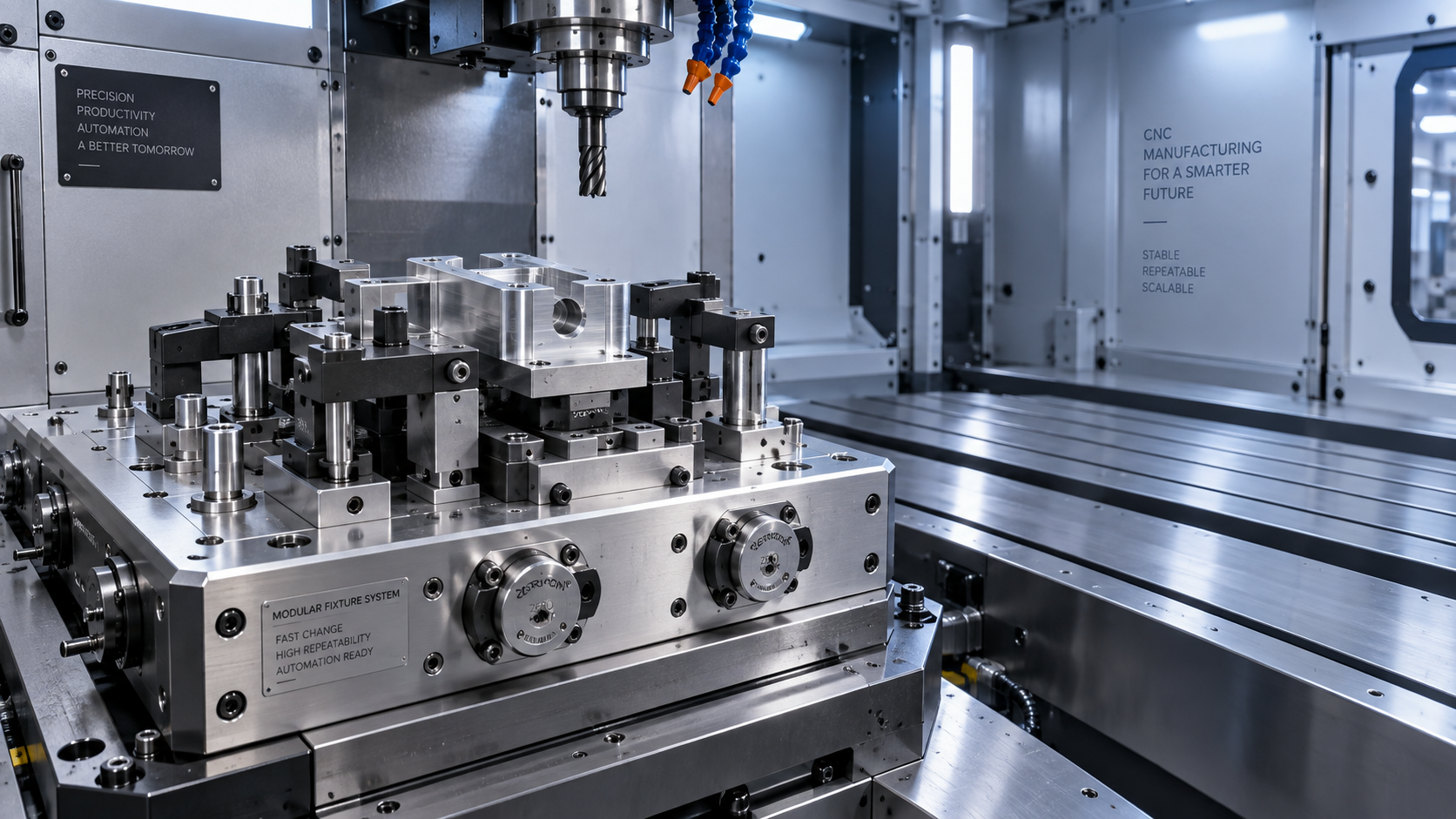
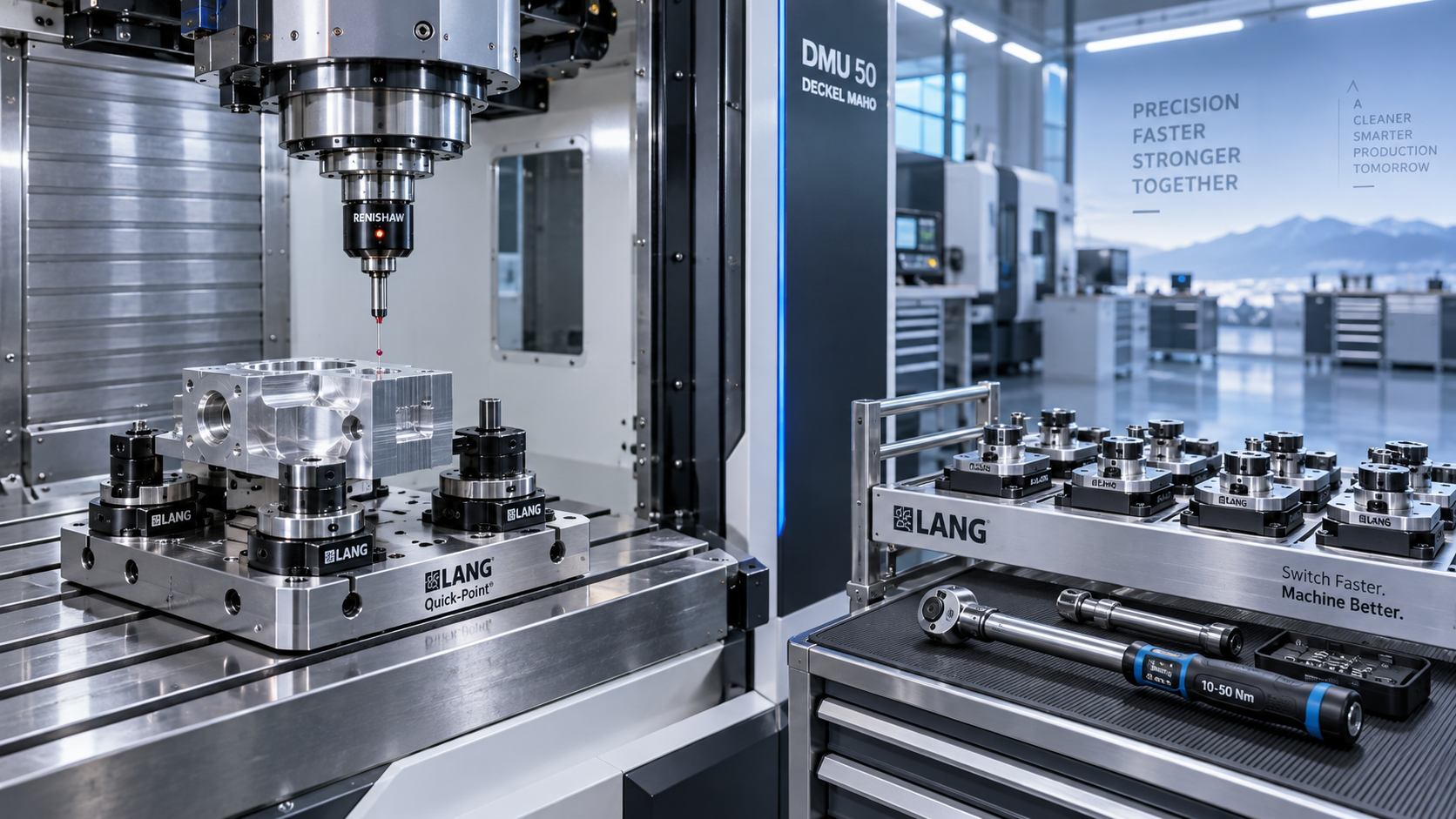
 Zero-Point Clamping or Modular Fixtures? Choosing a Faster CNC Changeover SystemCNC Machining Technology Center
 How to Cut CNC Fixture Changeover Time Without Sacrificing Part AccuracyCNC Machining Technology Center
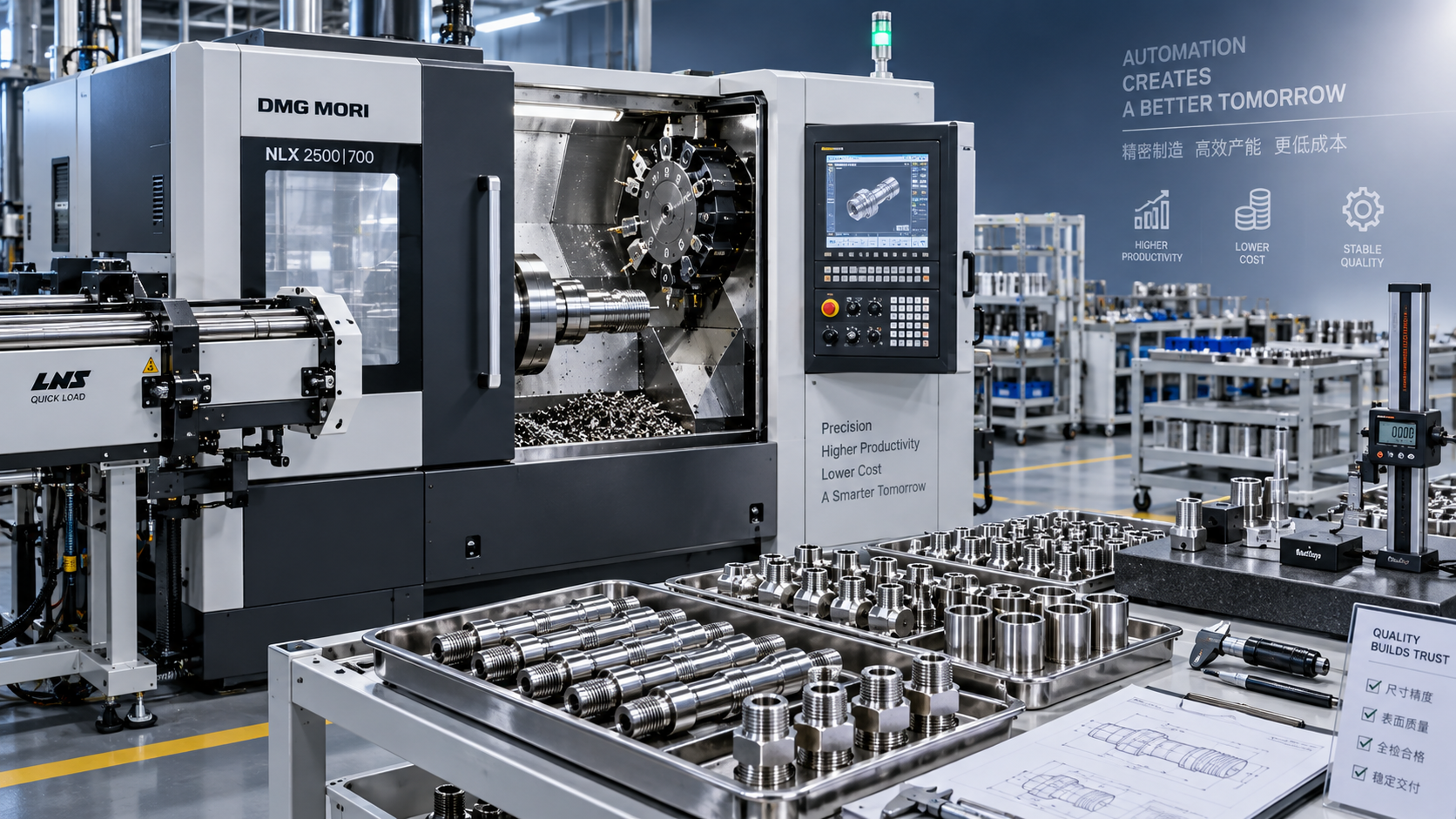
 When Does CNC Turning Pay Off? A Break-Even Guide by Annual Part VolumeMachine Tool Industry Editorial Team
 Machine Tool Standards by Country: What Importers Must Verify Before PurchaseManufacturing Policy Research Center
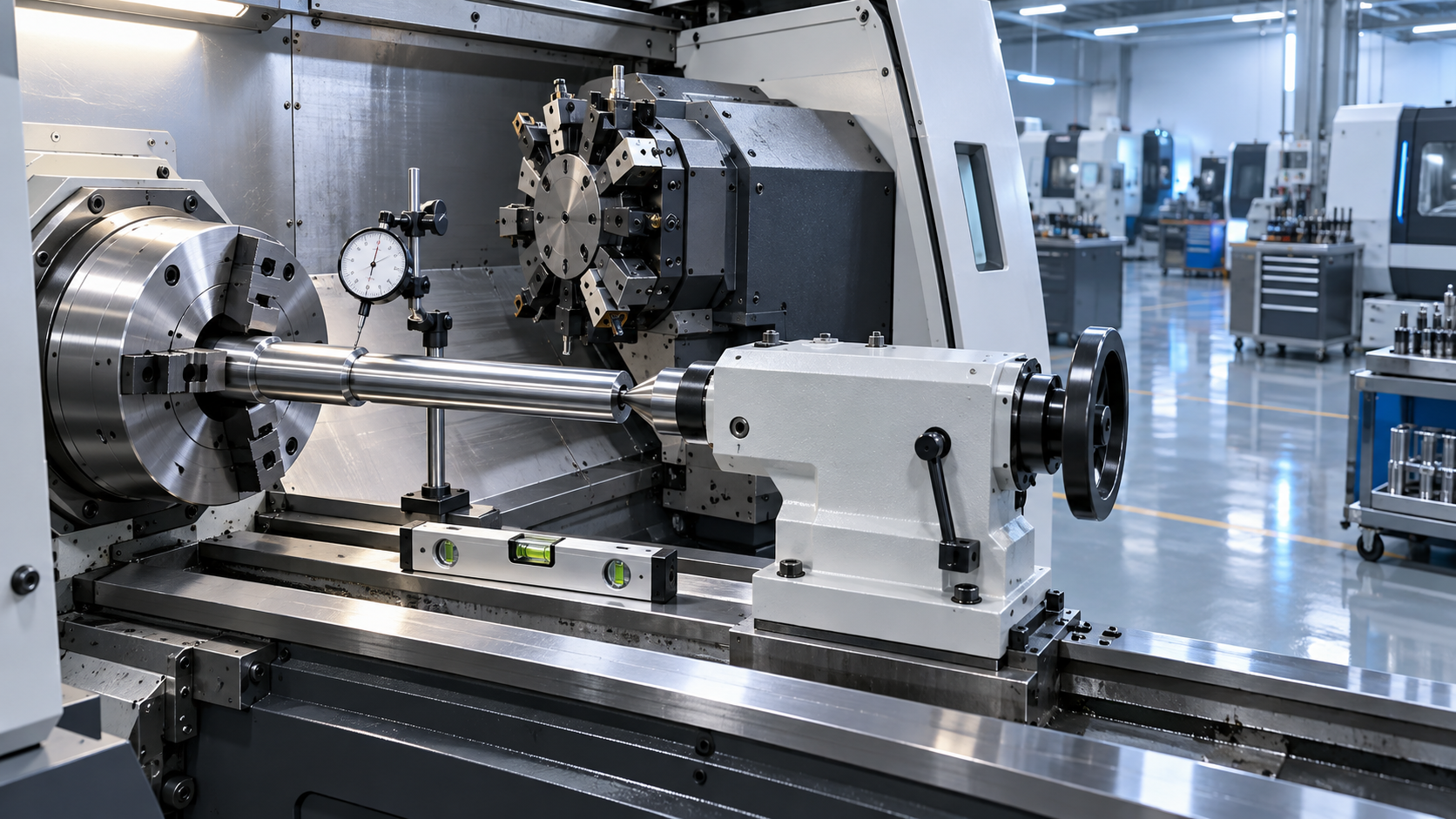
 CNC Lathe Quick Installation Guide: Alignment Checks Before First Production RunCNC Machining Technology Center
 How to Select a CNC Lathe for Small Parts Without Sacrificing Accuracy or Cycle TimeCNC Machining Technology Center


Aris Katos
Future of Carbide Coatings
15+ years in precision manufacturing systems. Specialized in high-speed milling and aerospace grade alloy processing.
▶
EU REACH Adds Limits on Nanomaterial Cutting Fluid AdditivesManufacturing Policy Research Center▶
Energy-Saving CNC Manufacturing: Which Upgrades Deliver the Best ROI?Manufacturing Policy Research Center▶
Vietnam Requires ISO 50001 Proof for Imported CNC MachinesManufacturing Policy Research Center▶
EU Tightens REACH Rules for Nickel-Coated CNC ToolsManufacturing Policy Research Center▶
EU Carbon-Footprint Rule Nears for CNC Power ModulesManufacturing Policy Research Center
Mastering 5-Axis Workholding Strategies
Join our technical panel on Nov 15th to learn about reducing vibrations in thin-wall components.

Providing you with integrated sanding solutions
Before-sales and after-sales services
Comprehensive technical support