• Global CNC market projected to reach $128B by 2028 • New EU trade regulations for precision tooling components • Aerospace deman
NYSE: CNC +1.2%LME: STEEL -0.4%

When an Automated Production Line becomes hard to maintain
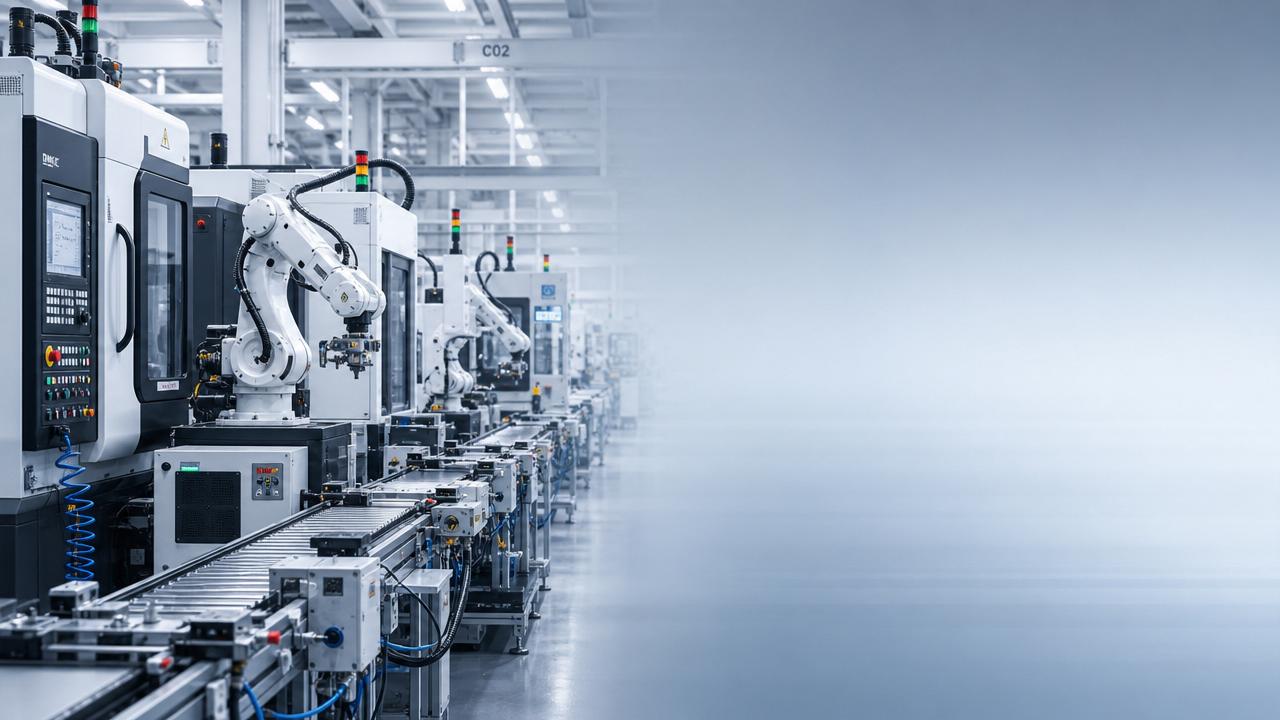
An Automated Production Line can raise output and improve consistency, but it often becomes harder to maintain as equipment, controls, software, and data systems become more tightly linked. For after-sales maintenance personnel, the real difficulty is not only repairing failures quickly. It is also about finding root causes across multiple subsystems, securing the right spare parts, handling vendor differences, and reducing downtime without complete visibility.
In most cases, maintainability starts to decline when line design prioritizes production speed and integration, while service access, standardization, documentation, and lifecycle planning receive less attention. The result is a line that looks advanced on paper but becomes expensive and slow to support in daily operation.
For maintenance teams working in CNC machining, automated assembly, and precision manufacturing, understanding these failure points is essential. It helps them judge whether a line needs better preventive maintenance, better spare strategy, stronger remote diagnostics, or even a redesign of service procedures.
Why an Automated Production Line becomes difficult to maintain in practice
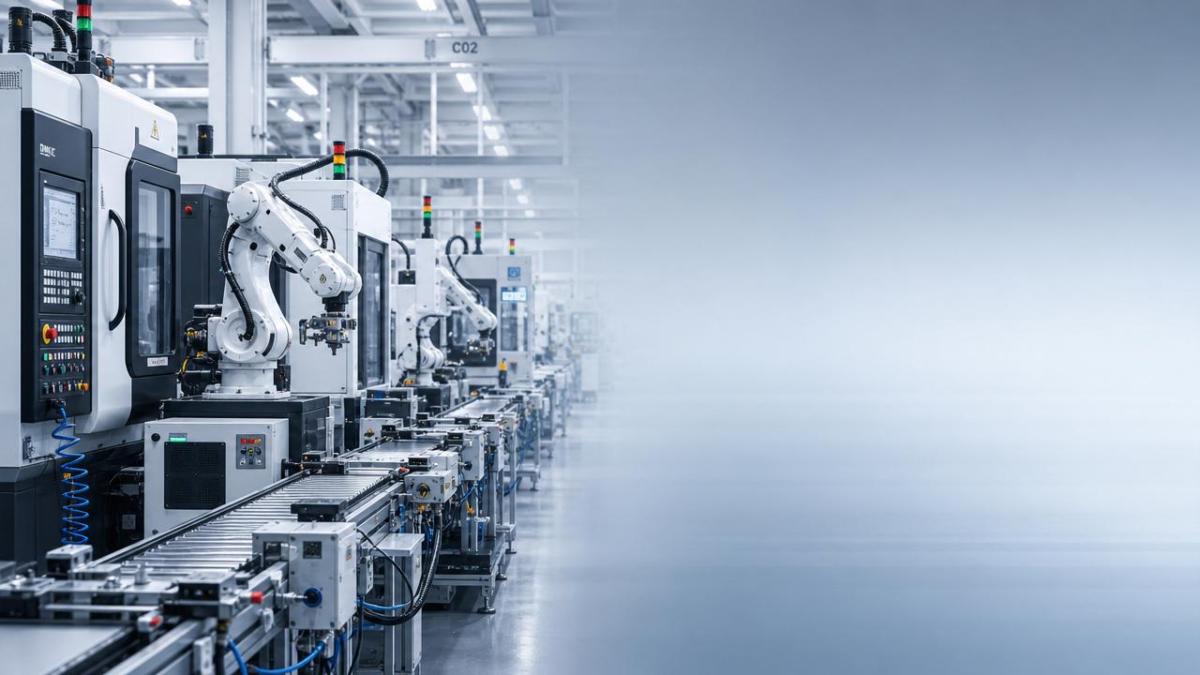
The main reason an Automated Production Line becomes hard to maintain is rising system complexity. A modern line is no longer a set of isolated machines. It is an interconnected environment of CNC machines, robots, conveyors, sensors, PLCs, HMIs, safety systems, vision modules, industrial networks, and production software.
When one machine fails in a standalone setup, troubleshooting is usually limited to one control cabinet, one mechanical system, or one electrical circuit. In an automated line, the same symptom may come from upstream logic, downstream blockage, communication loss, tool wear, sensor drift, or software interlocks.
This creates a diagnostic burden for after-sales teams. A single alarm rarely tells the whole story. Technicians often need to check machine status, IO states, PLC logic, network connections, servo data, robot positions, and process conditions before they can isolate the true cause.
Maintenance also becomes harder because different subsystems may come from different suppliers. One line may include CNC machine tools from one brand, robots from another, vision components from a third, and software interfaces built by an integrator. That fragmentation slows response and complicates accountability.
Even when every supplier performs well individually, the integrated line can still be difficult to service. Interface problems, software version conflicts, parameter mismatches, and communication protocol issues often appear only after long-term operation, product changeover, or production expansion.
What after-sales maintenance teams care about most
After-sales personnel are usually not asking whether automation is useful. They already know it is. Their main concern is whether the line can be kept running reliably with the available people, tools, response time, and spare stock.
The first concern is troubleshooting speed. When a customer reports a stop, the maintenance team needs to know whether the failure can be diagnosed remotely, whether the alarm history is clear, and whether the issue is mechanical, electrical, or software-related.
The second concern is repeat failures. A line that stops for different reasons is difficult enough, but a line that repeats the same fault without clear correction quickly erodes customer trust. Repeat downtime usually points to incomplete root cause analysis, unstable process design, or poor preventive routines.
The third concern is spare parts coordination. As production lines become more customized, parts become less interchangeable. A failed servo drive, spindle unit, safety module, or robot reducer can extend downtime significantly if no standard stock plan exists.
The fourth concern is skill mismatch. Traditional machine maintenance skills remain important, but many service teams now need competence in fieldbus networks, PLC diagnostics, robot teach logic, industrial PC systems, data collection platforms, and software backup management.
The fifth concern is documentation quality. If electrical drawings, PLC comments, parameter records, lubrication schedules, and parts lists are incomplete or outdated, even experienced technicians will lose time during urgent intervention.
Common signals that maintainability is getting worse
Some production lines do not fail dramatically at first. Instead, maintainability declines gradually. Recognizing the early signs can help maintenance teams act before service costs rise sharply or customer complaints become frequent.
One signal is longer mean time to repair. If failures that were once solved in thirty minutes now require several hours, the problem may not be worse equipment quality. It may be reduced visibility, weaker documentation, or more interdependent failure paths.
Another signal is rising dependence on specific individuals. If only one engineer understands the robot-cell handshake, or one PLC specialist knows how to restore a recipe interface, then the line is already difficult to maintain. Knowledge concentration is a major service risk.
Frequent nuisance alarms are also a warning sign. These include intermittent sensor faults, unstable communication alarms, random safety reset issues, and minor jams that operators clear repeatedly. Such events may seem small, but they consume maintenance time and hide deeper instability.
Spare consumption patterns also reveal maintainability issues. If uncommon parts are suddenly needed more often, or emergency purchasing becomes routine, the line may have design weaknesses, poor environmental protection, incorrect settings, or insufficient preventive inspection.
Another sign is difficult changeover support. If changing part programs, fixtures, tool offsets, or robot paths repeatedly causes stoppages, the line is not only complex to operate. It is also hard to maintain because every product switch introduces new failure opportunities.
Why diagnostics become more difficult than the repair itself
In many automated systems, the actual repair may be simple once the fault is correctly identified. The real delay comes from diagnosis. A faulty sensor, damaged cable, stuck actuator, or overloaded axis may be easy to replace. Finding it is the hard part.
This happens because alarms often describe the effect, not the cause. For example, a robot position timeout may actually result from a conveyor stop, a fixture not clamping, a missing part detection signal, or a network delay between stations.
In CNC-centered automated lines, process variation adds another layer. Tool wear, chip buildup, coolant contamination, spindle temperature drift, fixture accuracy changes, and probing errors can create downstream faults that look electrical or software-related at first.
For after-sales teams, this means effective service depends on structured fault isolation. Good technicians move from symptom to signal path, from signal path to subsystem, and from subsystem to root cause. Without that discipline, maintenance becomes guesswork and part swapping.
Remote diagnostic capability can help, but only when the system architecture supports it. If the line lacks consistent alarm logs, historical trend data, secure access paths, and clear device naming, remote support may add little value during urgent downtime.
How poor standardization increases maintenance cost
Standardization is one of the most underestimated factors in serviceability. When each station uses different sensor brands, different HMI layouts, different PLC programming styles, and different fasteners or pneumatic fittings, maintenance workload increases far beyond the visible fault count.
After-sales teams lose time because they must adapt to each equipment variation. They may need different software tools, different passwords, different spare inventories, and different troubleshooting methods across one customer line or across multiple customer sites.
Non-standardized lines also make training less effective. Lessons learned from one installation are harder to transfer to another. That increases dependence on senior engineers and slows the development of junior service staff.
For global CNC and precision manufacturing operations, standardization matters even more because customers often expect fast support across countries and shifts. A standardized line structure, common alarm philosophy, and unified parts strategy can significantly shorten recovery time.
Maintainability improves when builders standardize electrical design, naming conventions, common wear parts, communication protocols, lubrication methods, and backup procedures. These measures may seem administrative, but they directly reduce downtime during real service events.
What makes spare parts management especially difficult
Spare parts are not only a warehouse issue. In automated production, they are a maintenance strategy issue. A line may be mechanically strong and logically well designed, but if one unavailable component stops the entire sequence, uptime still suffers.
The challenge grows because not all parts have the same criticality. Some low-cost items, such as proximity sensors, relays, connectors, or air preparation units, can stop a station immediately. Some high-value items, such as servo amplifiers or spindle assemblies, have longer lead times.
After-sales teams need more than a parts list. They need a criticality-based spare map. This should identify which items can stop the line, which items fail most often, which items are hard to source internationally, and which items require parameter restoration after replacement.
Another difficulty is version compatibility. Replacing a module is not always enough. Firmware, communication settings, safety signatures, and machine parameters may need matching. If backup control files are missing or outdated, a simple hardware replacement can become a long outage.
For maintenance organizations supporting multiple sites, spare pooling can help. However, pooling only works when equipment platforms are standardized enough to share key items safely and when logistics response is aligned with actual downtime risk.
How to make an Automated Production Line easier to support
Improving maintainability does not always require major reconstruction. In many cases, practical changes in service design, documentation, and maintenance workflow can reduce support difficulty quickly.
First, improve fault visibility. Every station should provide clear alarm hierarchy, device naming, time stamps, signal tracing, and reset conditions. Technicians should be able to understand not only what stopped, but what sequence led to the stop.
Second, build complete backups. This includes PLC programs, HMI projects, robot files, CNC parameters, drive settings, network configurations, vision recipes, and software versions. Backup records should be easy to access and verified regularly, not created once and forgotten.
Third, classify failure modes. Separate mechanical wear issues, contamination issues, electrical faults, communication faults, software logic faults, and process instability. This helps teams choose the right preventive action instead of treating all downtime as random breakdown.
Fourth, develop station-level service guides. These should include common alarms, probable causes, inspection points, recovery steps, and restart precautions. Good guides shorten dependence on memory and support faster intervention during night shifts or cross-site service.
Fifth, review physical serviceability. Can technicians safely access sensors, valves, lubrication points, filters, cable routes, and adjustment points? A high-performance line is still hard to maintain if basic inspection and replacement tasks require excessive disassembly.
Sixth, invest in cross-disciplinary training. Modern after-sales service requires mechanical, electrical, control, and process knowledge working together. A team that understands only one layer will struggle when faults cross subsystem boundaries.
Seventh, connect preventive maintenance to real failure history. Maintenance intervals should reflect actual wear, contamination, load, and cycle data, not only manual recommendations. Data-based maintenance is especially valuable in CNC and automated manufacturing environments.
How maintenance teams can assess whether a line is still supportable
After-sales personnel often need a practical way to judge support difficulty before costs escalate. A useful assessment can focus on a few clear questions rather than a long theoretical checklist.
How long does it take to identify the root cause of a typical stop? How many faults require escalation to senior specialists? How often are repairs delayed by missing spares or missing backups? How often do the same alarms return within weeks?
Teams should also ask whether the line can be restored consistently across shifts. If recovery quality depends heavily on one expert, then the line is serviceable only in a limited sense. True maintainability means repeatable support under normal field conditions.
It is also important to measure the relationship between downtime and integration complexity. If most major stoppages come from interfaces rather than core machine hardware, then maintenance improvement should focus on communication, sequencing, and control architecture.
When these indicators show deterioration, the right response is not always more reactive repair effort. Often the better solution is a maintainability improvement plan that combines standardization, documentation, diagnostics, training, and spare optimization.
Conclusion
An Automated Production Line becomes hard to maintain when complexity grows faster than serviceability. More machines, more software, and more integration can increase output, but they also increase hidden maintenance burdens if visibility, standards, and support planning are weak.
For after-sales maintenance teams, the key issue is not simply fixing what breaks. It is building a support system that can diagnose faults accurately, restore operation quickly, prevent repeat failures, and manage lifecycle risk across machines, controls, and supply chains.
The most reliable lines are not only productive. They are also designed and managed to be maintainable. When manufacturers, integrators, and service teams treat maintainability as a core performance factor, downtime drops, customer confidence rises, and long-term operating value becomes much stronger.
PREVIOUS ARTICLE
NEXT ARTICLE
Recommended for You
![]() Delta NC5 CNC System Gains TÜV Safety Certification, Enters BMW Production ValidationMachine Tool Industry Editorial Team
Delta NC5 CNC System Gains TÜV Safety Certification, Enters BMW Production ValidationMachine Tool Industry Editorial Team![]() Vietnam's Draft AI Safety Rule for CNC Machines Requires Dual CertificationManufacturing Policy Research Center
Vietnam's Draft AI Safety Rule for CNC Machines Requires Dual CertificationManufacturing Policy Research Center![]() First CNC Machine Carbon Footprint Guide Released in ChinaManufacturing Policy Research Center
First CNC Machine Carbon Footprint Guide Released in ChinaManufacturing Policy Research Center![]() Brazil INMETRO Launches Spot Inspections on CNC LathesMachine Tool Industry Editorial Team
Brazil INMETRO Launches Spot Inspections on CNC LathesMachine Tool Industry Editorial Team![]() Japan METI Green Subsidy: Up to ¥4M for Chinese High-Efficiency CNC SystemsManufacturing Policy Research Center
Japan METI Green Subsidy: Up to ¥4M for Chinese High-Efficiency CNC SystemsManufacturing Policy Research Center![]() Red Sea Shipping Crisis Escalates: CNC Equipment Delays Hit 14.2 Days on Asia-Europe RoutesManufacturing Market Research Center
Red Sea Shipping Crisis Escalates: CNC Equipment Delays Hit 14.2 Days on Asia-Europe RoutesManufacturing Market Research Center


Aris Katos
Future of Carbide Coatings
15+ years in precision manufacturing systems. Specialized in high-speed milling and aerospace grade alloy processing.
▶
When an Automated Production Line becomes hard to maintainMachine Tool Industry Editorial Team▶
Why Industrial Robotics payback is shorter than many expectMachine Tool Industry Editorial Team▶
When an Automated Production Line becomes hard to maintainMachine Tool Industry Editorial Team▶
Industrial Automation mistakes that raise operating costsMachine Tool Industry Editorial Team▶
Are Industrial Robotics worth the cost for small plants?Machine Tool Industry Editorial Team
Mastering 5-Axis Workholding Strategies
Join our technical panel on Nov 15th to learn about reducing vibrations in thin-wall components.

Providing you with integrated sanding solutions
Before-sales and after-sales services
Comprehensive technical support