• Global CNC market projected to reach $128B by 2028 • New EU trade regulations for precision tooling components • Aerospace deman
NYSE: CNC +1.2%LME: STEEL -0.4%

What buyers now expect from the Machine Tool Market
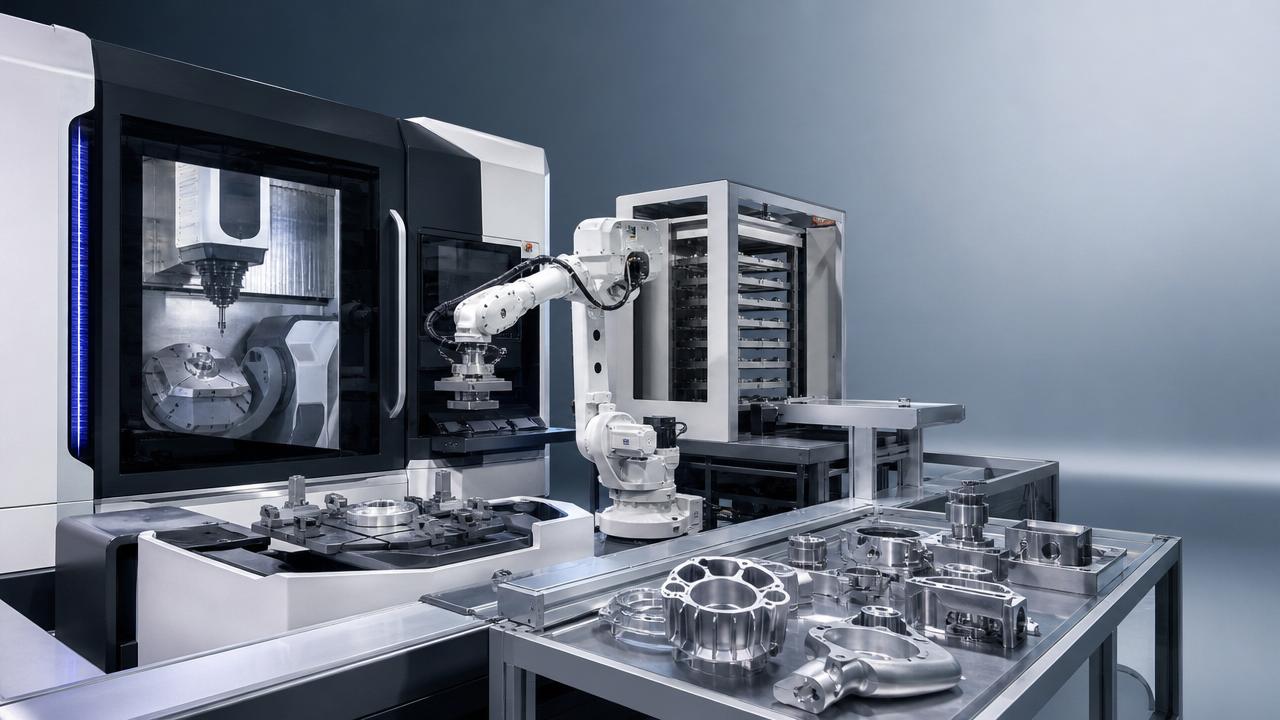
In today’s Machine Tool Market, expectations have moved well beyond accuracy, spindle power, and basic productivity.
Buyers now evaluate automation compatibility, digital connectivity, lifecycle support, supply resilience, and total operating value.
This shift reflects broader manufacturing change across automotive, aerospace, electronics, energy equipment, and precision engineering.
As smart factories expand, the Machine Tool Market increasingly rewards suppliers that combine hardware performance with software, service, and reliability.
For business evaluation, understanding these expectations helps reduce investment risk and supports stronger long-term equipment decisions.
Machine Tool Market basics and why expectations are changing
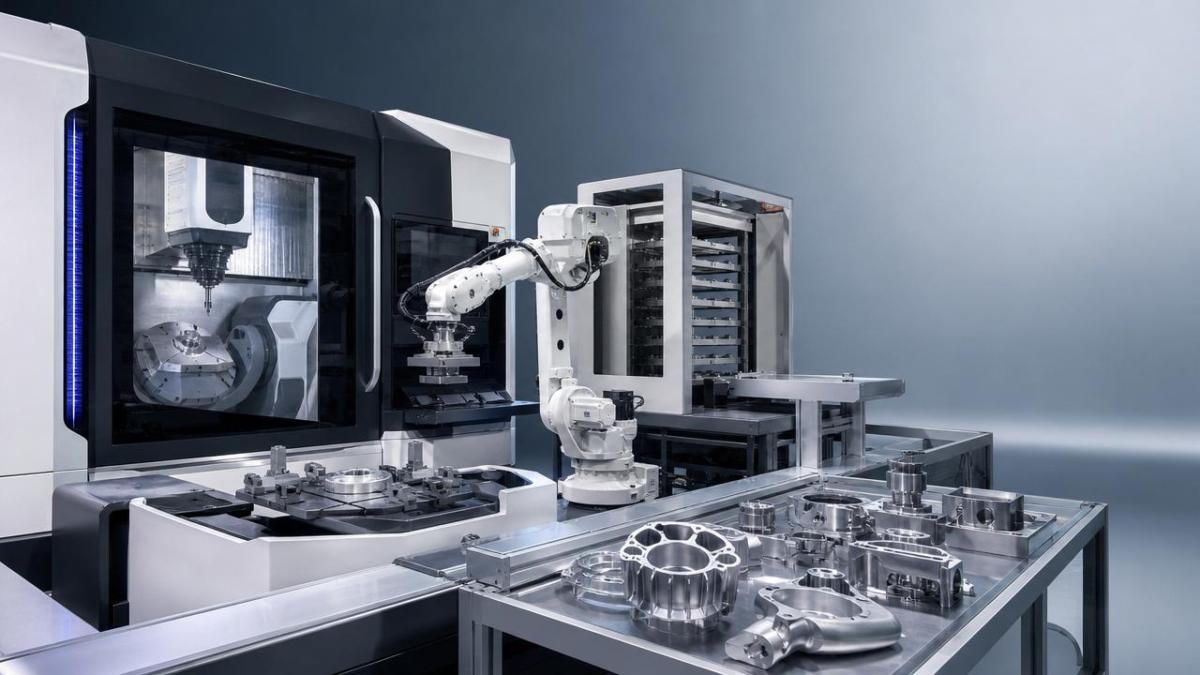
The Machine Tool Market includes CNC lathes, machining centers, grinders, multi-axis systems, tooling, fixtures, and related automation solutions.
Traditionally, buyers focused on precision, rigidity, speed, and machine uptime.
Those factors still matter, but they no longer define value on their own.
Production environments now demand shorter lead times, mixed-batch flexibility, data visibility, and easier integration with existing factory systems.
That means machine tools must work as part of a connected process, not as isolated equipment.
The rise of robotics, MES platforms, predictive maintenance, and remote diagnostics has changed supplier evaluation standards.
Global competition also plays a role.
Equipment from China, Germany, Japan, and South Korea continues to shape pricing, quality benchmarks, and innovation expectations in the Machine Tool Market.
As a result, buyers increasingly compare complete production outcomes rather than machine specifications alone.
Current signals shaping demand in the Machine Tool Market
Several market signals explain why buyer behavior has become more selective and more strategic.
- Higher labor costs are pushing interest in automation-ready machine tools.
- Complex parts require multi-axis capability and stable repeatability.
- Digital manufacturing needs machines that share usable production data.
- Supply disruptions have increased focus on parts availability and service reach.
- Energy pressure has raised demand for efficient systems with lower operating waste.
These trends affect nearly every segment of the Machine Tool Market, from standard turning centers to advanced flexible machining cells.
Core expectations buyers bring to machine tool decisions
Automation readiness
A machine in the current Machine Tool Market should be easy to connect with loaders, robots, conveyors, and in-line inspection systems.
Even when automation is not installed immediately, expansion readiness strongly influences perceived value.
Digital visibility
Buyers expect machine data to be accessible, structured, and useful.
Downtime alerts, spindle load trends, maintenance records, and process data should support faster operational decisions.
Stable precision over time
Precision is no longer judged only at installation.
The Machine Tool Market now places stronger emphasis on thermal control, repeatability, rigidity under real loads, and long-term consistency.
Supply continuity and service support
Service networks, spare parts inventories, and remote troubleshooting capabilities affect confidence as much as initial machine quality.
A low purchase price can quickly lose appeal if support delays stop production.
Lifecycle economics
The Machine Tool Market increasingly rewards equipment that lowers energy use, reduces setup time, extends tool life, and improves output per labor hour.
Business value behind these expectations
These expectations are not abstract trends.
They directly affect production cost, delivery reliability, compliance readiness, and future competitiveness.
In the Machine Tool Market, better alignment between equipment capability and production strategy creates measurable business advantages.
- Faster changeovers improve responsiveness for mixed-volume orders.
- Connected machines support traceability and process improvement.
- Reliable automation reduces labor dependency in repetitive operations.
- Predictive maintenance lowers unplanned downtime risk.
- Efficient systems improve return on capital over longer operating periods.
This is especially relevant in sectors where tolerance stability, documentation, and throughput all matter at once.
Typical demand patterns across manufacturing applications
Different applications shape expectations differently within the Machine Tool Market.
This variety explains why the Machine Tool Market cannot be judged by a single benchmark.
The best-fit solution depends on process complexity, output mix, staffing model, and digital maturity.
Practical evaluation points before selecting equipment
A structured review process helps separate attractive specifications from durable production value in the Machine Tool Market.
- Verify actual machining performance on representative materials and part geometries.
- Check communication protocols and software compatibility with factory systems.
- Review maintenance intervals, spare parts lead times, and service coverage.
- Assess upgrade flexibility for automation, probing, and monitoring modules.
- Estimate total cost over several years, not only acquisition price.
- Examine training quality, documentation depth, and startup support.
These checks are especially important when comparing suppliers from different industrial regions and technology ecosystems.
A grounded next step in the Machine Tool Market
The Machine Tool Market is becoming more integrated, more data-driven, and more sensitive to operational risk.
Buyers now expect machine tools to support precision, automation, digital management, and long-term service continuity together.
A practical next step is to build a comparison framework based on process fit, connectivity, support strength, and lifecycle return.
That approach makes it easier to identify which offerings in the Machine Tool Market can truly support stable and scalable manufacturing growth.
PREVIOUS ARTICLE
NEXT ARTICLE
Recommended for You
![]() China's Energy Storage Sector Faces 'Advanced Shortage, Outdated Surplus'Machine Tool Industry Editorial Team
China's Energy Storage Sector Faces 'Advanced Shortage, Outdated Surplus'Machine Tool Industry Editorial Team![]() Top 50 Cosmetics Brands’ Retail Sales Up 11.56%, Boosting Demand for High-Precision CNC EquipmentManufacturing Market Research Center
Top 50 Cosmetics Brands’ Retail Sales Up 11.56%, Boosting Demand for High-Precision CNC EquipmentManufacturing Market Research Center![]() Home Service Skills Hub Launches, Boosting Robot Export TrainingMachine Tool Industry Editorial Team
Home Service Skills Hub Launches, Boosting Robot Export TrainingMachine Tool Industry Editorial Team![]() Steel Structure Mezzanine Tech Moves Beyond 'Adequate'CNC Machining Technology Center
Steel Structure Mezzanine Tech Moves Beyond 'Adequate'CNC Machining Technology Center![]() Fireproof Cable Tray Industry Shifts to High-Performance CompositesManufacturing Policy Research Center
Fireproof Cable Tray Industry Shifts to High-Performance CompositesManufacturing Policy Research Center![]() Foil Winding Machines Shift to Digital Servo DrivesMachine Tool Industry Editorial Team
Foil Winding Machines Shift to Digital Servo DrivesMachine Tool Industry Editorial Team


Aris Katos
Future of Carbide Coatings
15+ years in precision manufacturing systems. Specialized in high-speed milling and aerospace grade alloy processing.
▶
What buyers now expect from the Machine Tool MarketManufacturing Market Research Center▶
What Is Shaping the Machine Tool Market in 2026?Manufacturing Market Research Center▶
How the Machine Tool Market Is Shifting in 2026Manufacturing Market Research Center▶
Why the Machine Tool Market Feels Uneven Across RegionsManufacturing Market Research Center▶
Is the Machine Tool Market Cooling or Just Rebalancing?Manufacturing Market Research Center
Mastering 5-Axis Workholding Strategies
Join our technical panel on Nov 15th to learn about reducing vibrations in thin-wall components.

Providing you with integrated sanding solutions
Before-sales and after-sales services
Comprehensive technical support