• Global CNC market projected to reach $128B by 2028 • New EU trade regulations for precision tooling components • Aerospace deman
NYSE: CNC +1.2%LME: STEEL -0.4%

How Global Manufacturing shifts are reshaping supplier choices
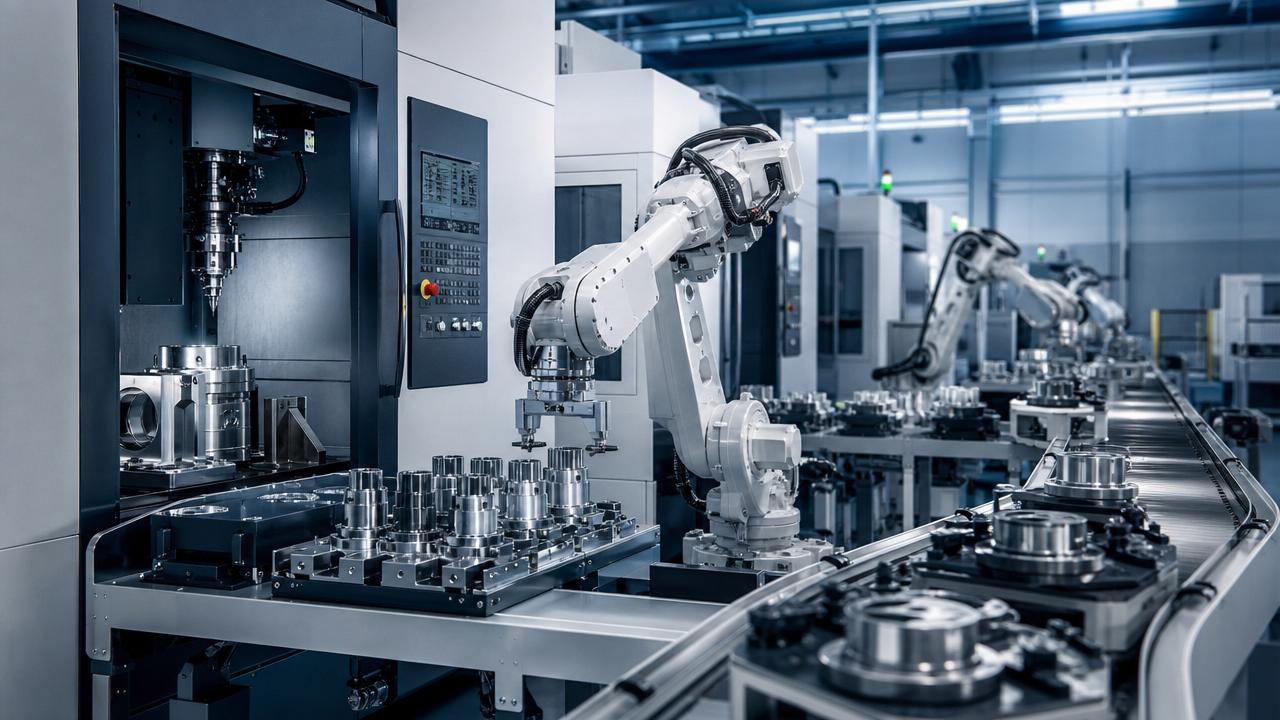
Global Manufacturing shifts are changing how supplier choices are evaluated across precision manufacturing, CNC machine tools, and automated production systems. Cost advantages alone no longer explain the best sourcing decision.
Regional capacity, process stability, logistics resilience, digital visibility, and technical support now shape supplier comparison. In sectors linked to machine tools, these variables directly affect uptime, quality consistency, and long-term investment security.
For businesses comparing CNC lathes, machining centers, components, or integrated production lines, understanding Global Manufacturing changes helps reduce sourcing risk and improve supply chain flexibility.
When global production geography changes, supplier evaluation must change too
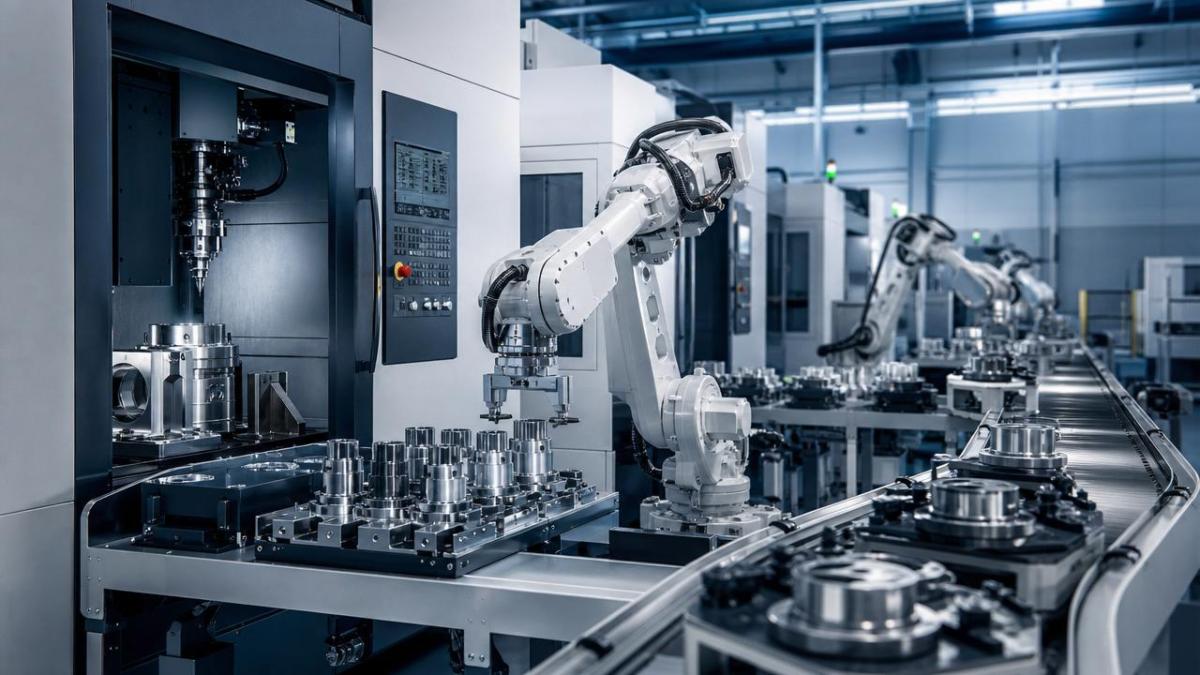
Global Manufacturing is no longer centered on a single low-cost logic. Production is spreading across established hubs and emerging regions with different strengths, compliance levels, and delivery patterns.
In machine tool supply chains, this matters because precision parts, castings, controllers, spindle systems, and automation modules often come from multiple countries. One weak node can disrupt total equipment performance.
Supplier selection now depends on scenario-based judgment. A partner suitable for standard metal cutting may not fit high-mix aerospace machining or fast-response aftermarket support.
Key signals behind the shift
- Rising labor and energy costs in traditional production centers
- Regional trade policy changes and tariff uncertainty
- Growing demand for localized technical service
- Faster adoption of smart factory and automation tools
- Stronger requirements for quality traceability and delivery transparency
These conditions are reshaping Global Manufacturing and pushing buyers to compare suppliers by operational fit, not only by quotation.
Different sourcing scenarios require different supplier priorities
Not every sourcing task should follow the same decision model. Global Manufacturing shifts affect standard equipment purchases differently from custom precision manufacturing projects.
Scenario 1: Standard CNC machine tools for stable production
When demand is predictable, the best supplier often offers repeatable quality, spare parts availability, and strong installation support. Ultra-low pricing becomes less important than total lifecycle cost.
In this scenario, Global Manufacturing shifts favor regions with mature machine tool clusters, established component ecosystems, and experienced service networks.
Scenario 2: Custom precision parts for high-tolerance industries
A supplier for aerospace, energy equipment, or advanced electronics must demonstrate process capability, inspection discipline, and engineering communication. Geographic cost advantage means little if tolerance stability fails.
Here, Global Manufacturing trends highlight the importance of digital inspection records, material traceability, and multi-axis machining expertise.
Scenario 3: Automated production lines with integration risk
Integrated lines involve CNC machines, robots, conveyors, fixturing, sensors, and software. The supplier decision must assess interface compatibility and commissioning capacity, not just equipment specifications.
As Global Manufacturing becomes more digital, line integrators with remote diagnostics and standardized data protocols gain a clear advantage.
Scenario 4: Dual-source or regionalized procurement for resilience
Some projects require backup capacity in separate regions. This approach reduces risk from logistics disruption, policy shifts, or local shutdowns.
Under current Global Manufacturing conditions, regional diversification can improve continuity, but only if specifications, tooling standards, and quality systems remain aligned.
How supplier requirements differ across manufacturing situations
The table below shows how Global Manufacturing changes influence decision criteria in common sourcing situations linked to machine tools and precision production.
What to check when Global Manufacturing trends affect CNC-related sourcing
The strongest supplier may differ by application, but several practical checks now matter in nearly every Global Manufacturing decision.
1. Production cluster depth
Suppliers inside strong industrial clusters usually access better castings, drives, tooling, metrology, and technical labor. This improves response speed and quality consistency.
2. Digital process visibility
Global Manufacturing increasingly rewards suppliers that share real-time production status, quality records, maintenance plans, and shipment milestones.
3. Engineering communication quality
For CNC machining and automation projects, poor communication creates drawing errors, fixture mistakes, and delayed validation. Technical clarity should be evaluated early.
4. Regional service capability
Machine tools require installation, calibration, training, and maintenance. A distant supplier without service support may increase downtime even if purchase price seems attractive.
5. Capacity stability under disruption
Ask whether key parts rely on a single source. Global Manufacturing volatility often appears first in electronics, control systems, bearings, or logistics bottlenecks.
Practical supplier adaptation strategies for changing global conditions
A useful response to Global Manufacturing change is not constant supplier switching. It is structured adaptation based on project type, technical risk, and service expectations.
- Separate strategic sourcing from transactional buying
- Create different scorecards for equipment, parts, and integrated systems
- Audit digital traceability before scaling new orders
- Validate service response time with actual cases
- Test sample batches before long-term commitments
- Build backup options for critical machine tool components
These actions align sourcing strategy with how Global Manufacturing is evolving across cost, technology, and regional industrial capability.
Common misjudgments when comparing suppliers across regions
One frequent mistake is treating all manufacturing regions as interchangeable. Global Manufacturing creates broad access, but not equal capability in every process or product category.
Another mistake is overvaluing headline price while ignoring installation delays, rejection rates, machine calibration issues, or spare parts lead times.
Some evaluations also ignore software compatibility in automated systems. In modern Global Manufacturing, digital integration problems can damage output more than mechanical defects.
A final oversight is assuming today’s best supplier will remain best under changing trade routes, energy costs, or regional policy shifts. Supplier reviews should be updated regularly.
Next-step actions for stronger supplier decisions
To respond effectively to Global Manufacturing shifts, start by mapping sourcing categories into clear scenarios: standard equipment, precision parts, automation systems, and risk-sensitive components.
Then compare suppliers with scenario-specific criteria, including process strength, delivery resilience, service support, and digital transparency. This produces more realistic sourcing decisions.
For CNC machine tool and precision manufacturing projects, long-term value comes from matching supplier capability to application needs. In the current Global Manufacturing environment, resilient partnerships outperform simple low-cost sourcing.
A structured review of regional strengths, technical fit, and supply chain stability can reveal which partners are best positioned for future manufacturing demands.
PREVIOUS ARTICLE
Recommended for You
![]() Delta NC5 CNC System Gains TÜV Safety Certification, Enters BMW Production ValidationMachine Tool Industry Editorial Team
Delta NC5 CNC System Gains TÜV Safety Certification, Enters BMW Production ValidationMachine Tool Industry Editorial Team![]() Vietnam's Draft AI Safety Rule for CNC Machines Requires Dual CertificationManufacturing Policy Research Center
Vietnam's Draft AI Safety Rule for CNC Machines Requires Dual CertificationManufacturing Policy Research Center![]() First CNC Machine Carbon Footprint Guide Released in ChinaManufacturing Policy Research Center
First CNC Machine Carbon Footprint Guide Released in ChinaManufacturing Policy Research Center![]() Brazil INMETRO Launches Spot Inspections on CNC LathesMachine Tool Industry Editorial Team
Brazil INMETRO Launches Spot Inspections on CNC LathesMachine Tool Industry Editorial Team![]() Japan METI Green Subsidy: Up to ¥4M for Chinese High-Efficiency CNC SystemsManufacturing Policy Research Center
Japan METI Green Subsidy: Up to ¥4M for Chinese High-Efficiency CNC SystemsManufacturing Policy Research Center![]() Red Sea Shipping Crisis Escalates: CNC Equipment Delays Hit 14.2 Days on Asia-Europe RoutesManufacturing Market Research Center
Red Sea Shipping Crisis Escalates: CNC Equipment Delays Hit 14.2 Days on Asia-Europe RoutesManufacturing Market Research Center


Aris Katos
Future of Carbide Coatings
15+ years in precision manufacturing systems. Specialized in high-speed milling and aerospace grade alloy processing.
▶
Why the Manufacturing Industry is rethinking capacity plansManufacturing Market Research Center▶
How Global Manufacturing shifts are reshaping supplier choicesManufacturing Market Research Center▶
How Global Manufacturing is shifting beyond low-cost hubsManufacturing Market Research Center▶
Why the Manufacturing Industry is rethinking capacityManufacturing Market Research Center▶
Global Manufacturing is moving faster than many firms expectManufacturing Market Research Center
Mastering 5-Axis Workholding Strategies
Join our technical panel on Nov 15th to learn about reducing vibrations in thin-wall components.

Providing you with integrated sanding solutions
Before-sales and after-sales services
Comprehensive technical support