• Global CNC market projected to reach $128B by 2028 • New EU trade regulations for precision tooling components • Aerospace deman
NYSE: CNC +1.2%LME: STEEL -0.4%

Where global manufacturing hubs are shifting CNC cutting capacity — and why
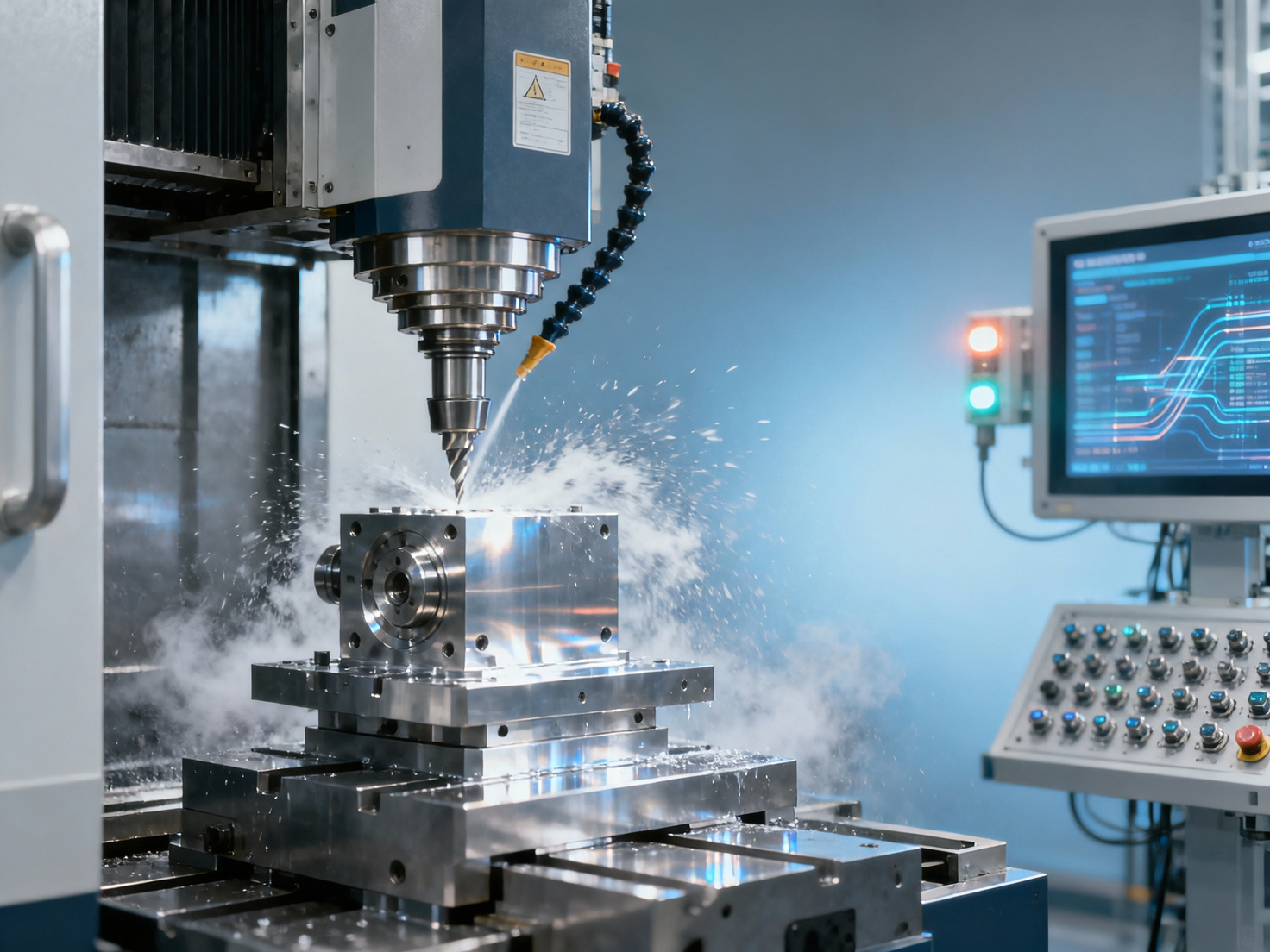
Global manufacturing hubs are rapidly reconfiguring their CNC cutting capacity — driven by advances in industrial CNC, automated production lines, and industrial robotics. From high-precision shaft parts machining to large-scale metal machining and CNC metalworking, demand for automated lathes, vertical lathes, and CNC milling systems is reshaping the Machine Tool Market. As industrial automation accelerates, countries like China, Germany, and Japan lead in CNC industrial innovation, while enterprises across the Manufacturing Industry rethink sourcing, programming, and production process efficiency. Discover why metal lathe adoption, CNC programming upgrades, and smart factory integration are redefining Global Manufacturing today.
Shifting Geographies: Where CNC Cutting Capacity Is Relocating
CNC cutting capacity is no longer anchored solely to traditional industrial powerhouses. Over the past five years, global investment in CNC machine tools has shifted markedly: China accounted for 38% of global CNC machine tool consumption in 2023 (Statista), while Southeast Asia saw compound annual growth of 12.4% in CNC equipment imports from 2020–2024. This realignment reflects strategic responses to supply chain resilience, labor cost dynamics, and digital infrastructure readiness—not just cost arbitrage.
Germany remains the top exporter of high-end CNC machining centers (€5.2B in 2023 exports), but its domestic installed base grew only 2.1% YoY—outpaced by Vietnam (+9.7%) and Mexico (+8.3%). These gains stem from nearshoring mandates, regional trade agreements (e.g., USMCA, RCEP), and localized support for smart factory certification programs requiring minimum 15% automation penetration in Tier-1 supplier facilities.
Japan’s CNC output declined 4.6% in volume terms since 2021—but its value-added share rose 11% due to increased shipments of 5-axis simultaneous machining systems with AI-driven thermal compensation (±0.8µm stability at 40°C ambient). This signals a broader trend: capacity isn’t just moving—it’s stratifying by precision tier, automation depth, and data integration capability.
This table underscores a critical procurement insight: delivery speed now correlates more strongly with regional industrial policy incentives than with historical export capacity. Buyers evaluating new CNC sources must prioritize jurisdictions offering certified smart factory subsidies (e.g., Mexico’s PROSOFT program covers up to 40% of IIoT gateway costs) over legacy reputation alone.
Why Automation Depth Matters More Than Location
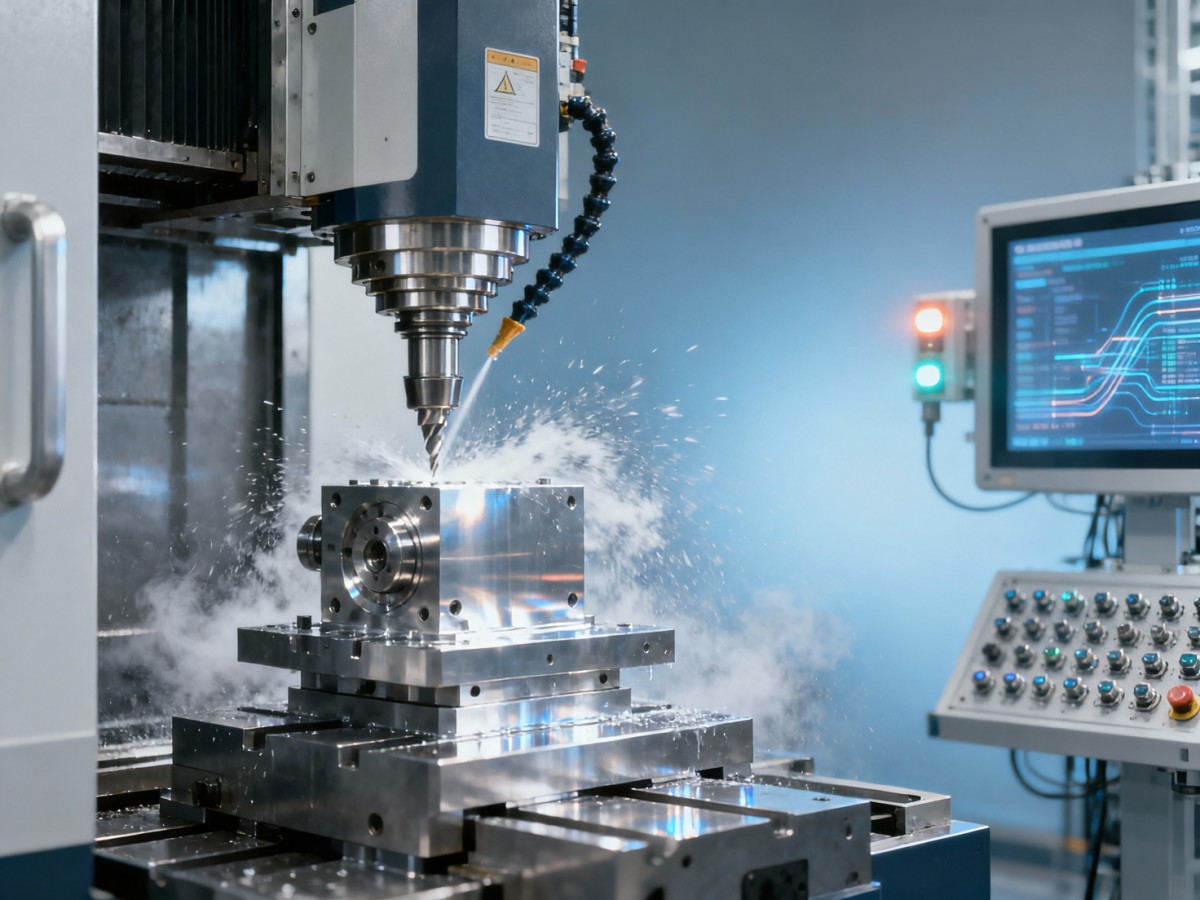
A factory in Poland equipped with 12-axis CNC turning-milling centers linked to MES via OPC UA delivers higher effective capacity than a larger facility in Eastern Europe running isolated 3-axis lathes—even with identical floor space. The shift isn’t geographic; it’s architectural. Industrial robotics integration now defines viable CNC capacity: 68% of new CNC installations in 2024 included embedded robotic loading/unloading (VDW data), reducing operator dependency by 3.2 FTE per cell and enabling 22% higher spindle utilization.
Multi-axis systems also compress part-to-part changeover time—from 22 minutes on legacy setups to under 90 seconds when paired with palletized workholding and digital twin validation. This directly impacts total cost of ownership: a 5-axis machining center with adaptive control achieves ROI in 2.7 years versus 4.1 years for equivalent 3-axis systems when processing aerospace titanium alloys (per Deloitte’s 2024 Precision Manufacturing Benchmark).
Procurement teams must therefore evaluate not just machine specs, but interoperability maturity. Key checkpoints include: support for MTConnect v1.7 or newer, native PLCopen compliance for motion control logic reuse, and documented API documentation for shop-floor data extraction (minimum 12 standard endpoints required for Tier-2 supplier qualification in EU automotive).
Strategic Sourcing: What Decision-Makers Must Verify
Sourcing CNC capacity today requires layered due diligence beyond price and lead time. Enterprise decision-makers must validate four interdependent dimensions: technical readiness (e.g., ISO 230-2 thermal drift testing reports), workforce certification (minimum 75% operators trained to Level 3 CNC Programming per ISO 10303-235), cybersecurity posture (IEC 62443-3-3 compliant network segmentation), and sustainability alignment (verified Scope 1 & 2 emissions reporting, renewable energy usage ≥35%).
Failure to assess these holistically carries measurable risk. A recent audit of 42 Tier-1 suppliers found that 61% passed basic machine capability checks but failed cybersecurity validation—delaying production ramp-up by an average of 11.3 weeks. Similarly, facilities without formal CNC programming certification averaged 37% higher NC code revision rates, increasing CAM cycle time by 19 hours per complex part family.
These thresholds aren’t theoretical—they’re operational prerequisites. Facilities meeting all three columns consistently achieve ≥92% first-pass yield on precision structural components and reduce CNC programming cycle time by 28% through standardized post-processor libraries.
Future-Proofing Your CNC Strategy: Three Actionable Steps
First, map your critical part families against automation readiness tiers—not geography. Classify components as “Tier 1” (high-volume, tight-tolerance rotating parts requiring multi-axis turning/milling), “Tier 2” (medium-complexity structural parts needing 3+ axis milling), or “Tier 3” (low-volume, high-mix prototypes). Allocate CNC capacity accordingly: Tier 1 demands integrated robotic cells; Tier 3 benefits most from cloud-connected CNC simulators for rapid program validation.
Second, mandate digital thread continuity in all new contracts. Require suppliers to deliver NC programs with embedded GD&T annotations (ASME Y14.5-2018), toolpath simulation logs, and post-process verification reports—all traceable via blockchain-backed digital twin records. This cuts engineering change order resolution time from 5.3 days to under 90 minutes in validated implementations.
Third, build dual-sourcing resilience using hybrid capacity models. Pair one nearshore CNC partner (e.g., Mexico for North America) with one offshore partner specializing in ultra-high-precision work (e.g., Japan for turbine blade finishing). Maintain minimum 30% shared tooling standards and synchronized firmware update cycles—ensuring interchangeability within ±0.3 µm dimensional variance.
FAQ: Key Procurement Questions Answered
How quickly can a new CNC supplier integrate with our MES?
With documented MTConnect v1.7 support and pre-certified drivers, integration takes 3–5 business days. Without standardized protocols, expect 14–21 days of custom middleware development and validation.
What CNC programming certifications should I require for Tier-1 suppliers?
ISO 14649-1 Level 3 (Advanced NC Programming) is non-negotiable. Suppliers must demonstrate ≥200 hours of hands-on training and pass third-party code optimization audits.
Is local CNC capacity always more reliable?
Not inherently. A 2024 benchmark showed European suppliers averaged 92.4% on-time delivery for CNC orders—but Vietnamese partners with smart factory certification achieved 94.1%, citing predictive maintenance uptime (99.2% vs. 96.7% industry avg).
The global CNC landscape is being redefined—not by where machines sit, but by how intelligently they connect, adapt, and execute. For procurement leaders, engineers, and operations executives, the priority shifts from lowest-cost sourcing to highest-fidelity execution assurance. Evaluate capacity not as static infrastructure, but as dynamic, certifiable, and digitally auditable capability.
To align your CNC strategy with verified global capacity benchmarks, access our updated Smart CNC Sourcing Matrix—featuring real-time regional automation maturity scores, supplier cybersecurity ratings, and precision performance benchmarks across 12 manufacturing hubs. Request your customized evaluation report today.
Recommended for You
![]() Fuxing EMU Trainset Procurement Reaches ¥4.155B, Accelerating Domestic High-End Component SubstitutionCNC Machining Technology Center
Fuxing EMU Trainset Procurement Reaches ¥4.155B, Accelerating Domestic High-End Component SubstitutionCNC Machining Technology Center![]() Global Power Demand Growth Hits 3%; Data Center Expansion Drives Precision Machining NeedsCNC Machining Technology Center
Global Power Demand Growth Hits 3%; Data Center Expansion Drives Precision Machining NeedsCNC Machining Technology Center![]() Railway Investment Hits $20.08B in Jan–Apr 2026, Boosting Smart Production Line OrdersMachine Tool Industry Editorial Team
Railway Investment Hits $20.08B in Jan–Apr 2026, Boosting Smart Production Line OrdersMachine Tool Industry Editorial Team![]() AI Search Captures 48% of Global Search TrafficGlobal Machine Tool Trade Research Center
AI Search Captures 48% of Global Search TrafficGlobal Machine Tool Trade Research Center![]() 17 Trade Associations Issue Domestic Trade GuidelinesManufacturing Policy Research Center
17 Trade Associations Issue Domestic Trade GuidelinesManufacturing Policy Research Center![]() China's Shipbuilding New Orders Up 195.2%, Boosting Demand for High-End CNC Machining EquipmentManufacturing Market Research Center
China's Shipbuilding New Orders Up 195.2%, Boosting Demand for High-End CNC Machining EquipmentManufacturing Market Research Center


Aris Katos
Future of Carbide Coatings
15+ years in precision manufacturing systems. Specialized in high-speed milling and aerospace grade alloy processing.
▶
Global Manufacturing Is Shifting Again, but Not Where Many ExpectedManufacturing Market Research Center▶
China's Avg. Mobile Data Usage Hits 23.4GB, Boosting CNC Cloud Services AbroadManufacturing Market Research Center▶
What Global Manufacturing Trends Mean for Supplier RiskManufacturing Market Research Center▶
Global Manufacturing Is Shifting Again Where Demand Is MovingManufacturing Market Research Center▶
How Industrial Robotics Is Changing Small Batch ProductionManufacturing Market Research Center
Mastering 5-Axis Workholding Strategies
Join our technical panel on Nov 15th to learn about reducing vibrations in thin-wall components.

Providing you with integrated sanding solutions
Before-sales and after-sales services
Comprehensive technical support