• Global CNC market projected to reach $128B by 2028 • New EU trade regulations for precision tooling components • Aerospace deman
NYSE: CNC +1.2%LME: STEEL -0.4%

Vietnam Launches AI-Powered Origin Verification for CNC Equipment

On May 10, 2026, Vietnam’s Ministry of Industry and Trade and General Department of Vietnam Customs launched the VnOrigin AI v2.0 system—a new intelligent origin verification platform—specifically targeting CNC machine tools and numerical control tooling imported from China. This development significantly shortens customs clearance time for compliant shipments to ≤48 hours, down from an average of 5.2 days. Importers, distributors, and project-based equipment suppliers operating in or serving the Vietnamese industrial automation, precision manufacturing, and machinery integration sectors should closely monitor its operational implications.
Event Overview
Effective May 10, 2026, Vietnam implemented the VnOrigin AI v2.0 system, jointly deployed by the Ministry of Industry and Trade and the General Department of Vietnam Customs. The system applies AI-powered image recognition and blockchain-verified cross-checking of certificates of origin for CNC machine tools and numerical control tooling originating from China. Publicly confirmed outcomes include a reduction in average customs clearance time for fully documented CNC equipment imports from 5.2 days to no more than 48 hours.
Impact on Specific Industry Segments
Direct Trading Enterprises (China–Vietnam Machinery Exporters)
These firms face tighter documentation discipline: AI image recognition requires high-fidelity, consistent labeling and packaging photos aligned with declared HS codes and technical specifications. Discrepancies—even minor ones in equipment identification—may trigger manual review, negating the 48-hour benefit. Impact manifests as increased pre-shipment compliance workload and potential delays if certificate-of-origin metadata is not blockchain-registered in advance.
Channel Distribution Enterprises (Vietnam-Based Machinery Distributors)
Distributors gain faster inventory turnover and improved responsiveness to local OEM or job-shop demand. However, the speed advantage applies only to shipments with fully compliant, digitally verifiable origin documentation. Those relying on legacy paper-based or manually processed certificates may see no improvement—or even longer delays—as system prioritization favors AI-validated submissions.
Project-Based Equipment Integrators (Vietnam-Based Automation System Providers)
For integrators delivering turnkey solutions involving imported CNC components, reduced clearance time improves predictability in project timelines and working capital flow. Yet this benefit is conditional: it assumes upstream suppliers submit synchronized, blockchain-authenticated origin data prior to shipment—not just upon arrival. Delays in upstream documentation readiness will bottleneck the entire import process.
What Relevant Enterprises or Practitioners Should Monitor and Do Now
Track official guidance on document formatting and AI submission protocols
The VnOrigin AI v2.0 system relies on standardized image capture and structured metadata. Current public information does not specify required photo angles, resolution thresholds, or mandatory fields in digital certificates. Enterprises should monitor updates from Vietnam Customs’ official portal and verify alignment with their logistics partners’ documentation workflows.
Confirm blockchain registration capability for origin certificates
Blockchain verification implies integration with Vietnam’s national trade documentation platform (e.g., VNACCS/VCIS or its successor). Exporters and distributors must confirm whether their current certificate issuers (e.g., CCPIT, CIQ) support direct blockchain anchoring—and whether third-party certifiers are authorized under the new system. Absence of this capability may require switching to approved issuing bodies.
Distinguish between policy rollout and operational readiness
While the system launched on May 10, 2026, full nationwide deployment across all seaports and land border crossings may be phased. Early adoption appears concentrated at major gateways (e.g., Cai Mep, Hai Phong, Lao Bao). Enterprises should verify processing timelines at their specific entry points before adjusting lead-time assumptions.
Pre-validate equipment imagery and certificate linkage ahead of first shipment
Given the AI component’s reliance on visual matching, enterprises should conduct internal dry-runs: capturing representative images of actual shipped units and testing alignment with submitted certificate data (model numbers, serial prefixes, branding elements). This helps identify mismatches early—before customs submission triggers review.
Editorial Perspective / Industry Observation
Observably, this initiative reflects Vietnam’s broader shift toward automated, data-driven trade facilitation—not merely a procedural update. The integration of AI image analysis with blockchain-anchored origin data signals a move toward real-time, evidence-based verification rather than retrospective audits. Analysis shows that while the 48-hour clearance benchmark is now technically achievable, it functions less as a universal service level and more as a performance ceiling attainable only when all upstream documentation and physical identifiers meet strict digital interoperability standards. From an industry perspective, this is best understood not as a completed simplification, but as the activation of a new compliance layer—one where speed is directly contingent on data fidelity and system alignment across the supply chain.
Conclusion
This development marks a measurable tightening of documentation rigor in Vietnam’s import regime for industrial machinery—where efficiency gains are tightly coupled to digital readiness. It does not lower regulatory thresholds, but rather raises the bar for consistency between physical goods, commercial documents, and digital records. Currently, it is more appropriately understood as an operational calibration point than a broad deregulatory shift: enterprises benefiting most are those already operating with high-documentation discipline and integrated digital trade infrastructure.
Information Sources
Main source: Official announcement issued jointly by Vietnam’s Ministry of Industry and Trade and the General Department of Vietnam Customs, effective May 10, 2026.
Note: Ongoing observation is warranted regarding rollout scope across regional customs offices, acceptance criteria for non-Vietnamese-issued blockchain certificates, and any transitional arrangements for legacy documentation formats.
PREVIOUS ARTICLE
Recommended for You
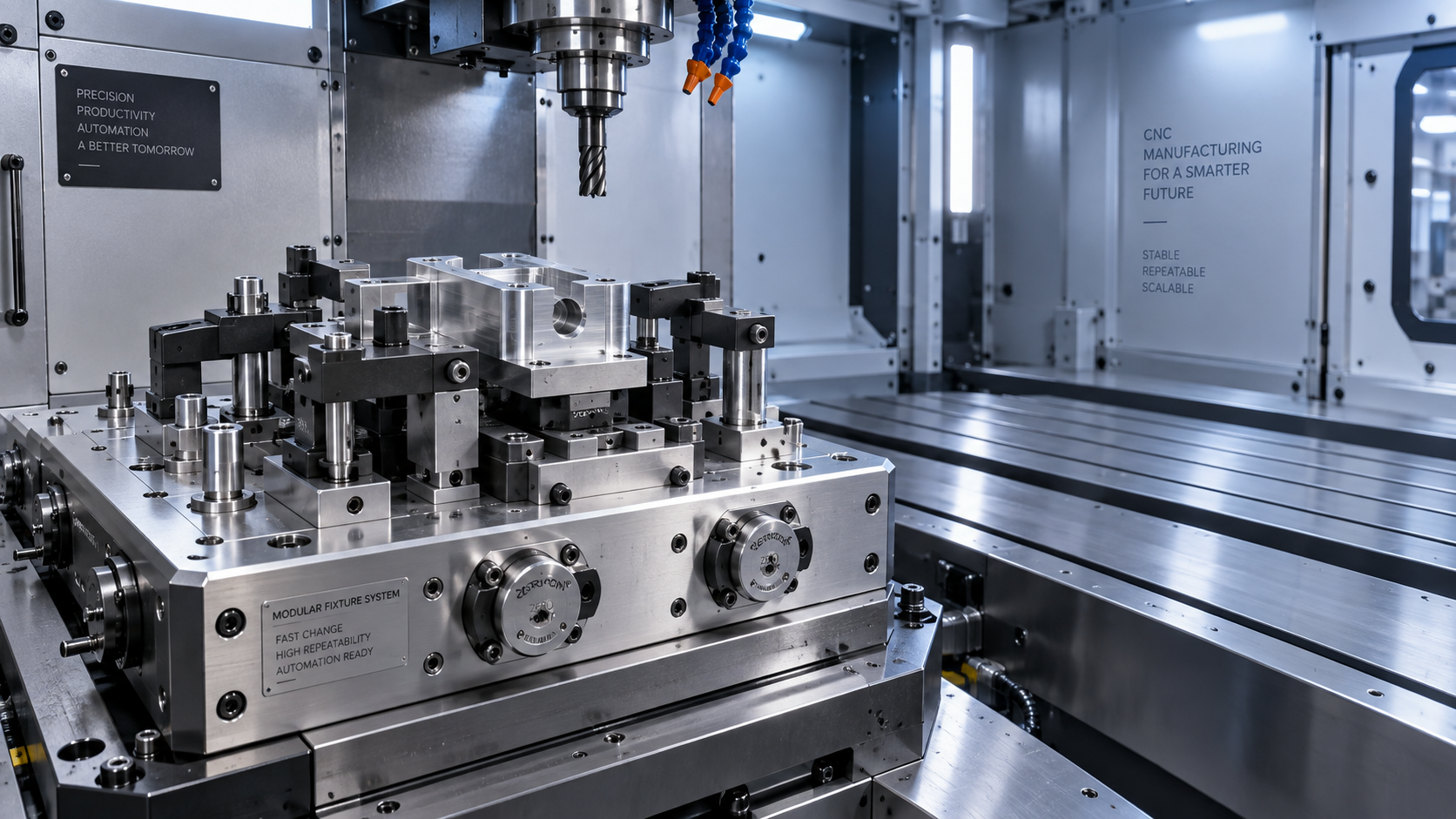
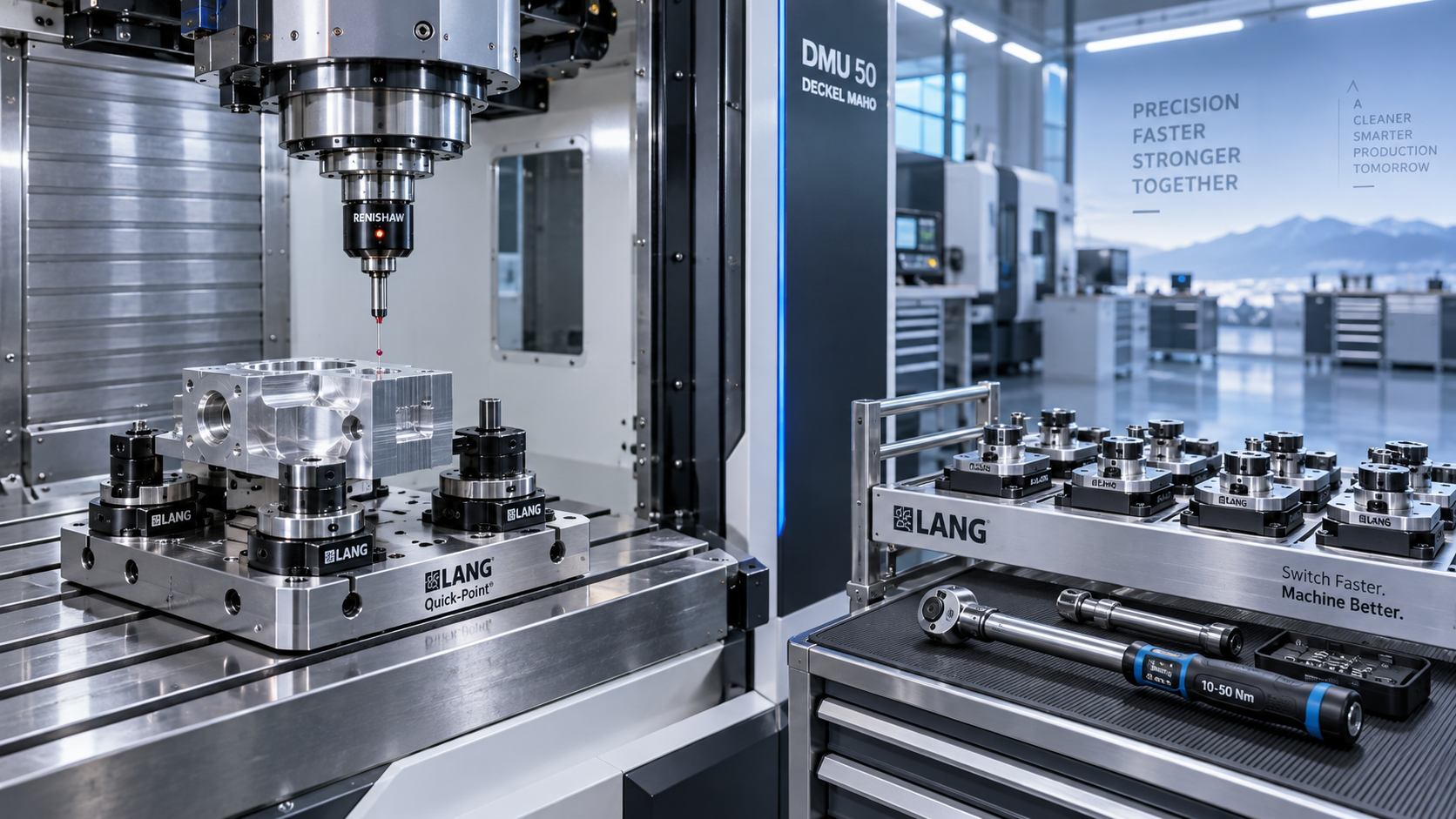
 Zero-Point Clamping or Modular Fixtures? Choosing a Faster CNC Changeover SystemCNC Machining Technology Center
 How to Cut CNC Fixture Changeover Time Without Sacrificing Part AccuracyCNC Machining Technology Center
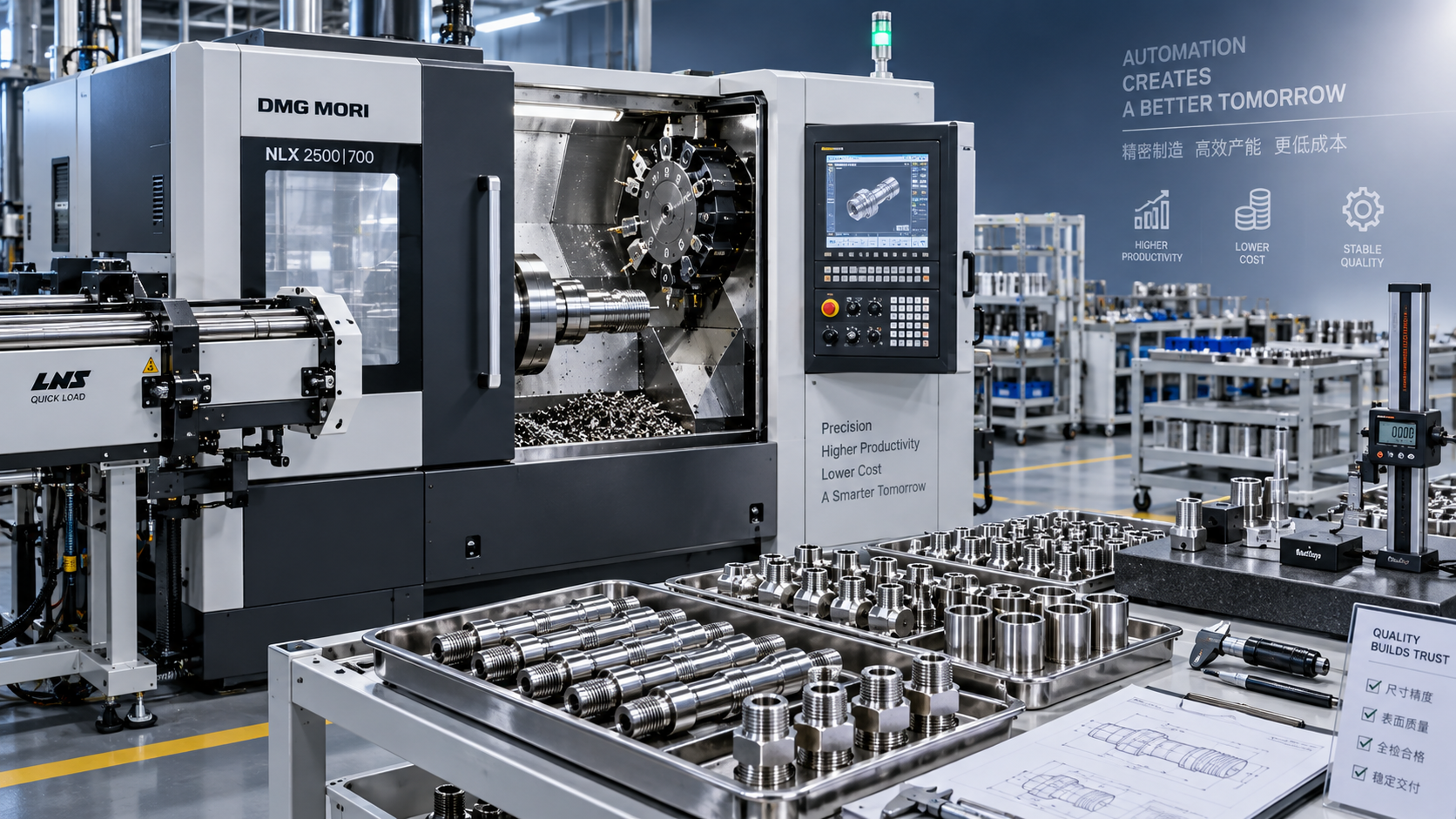
 When Does CNC Turning Pay Off? A Break-Even Guide by Annual Part VolumeMachine Tool Industry Editorial Team
 Machine Tool Standards by Country: What Importers Must Verify Before PurchaseManufacturing Policy Research Center
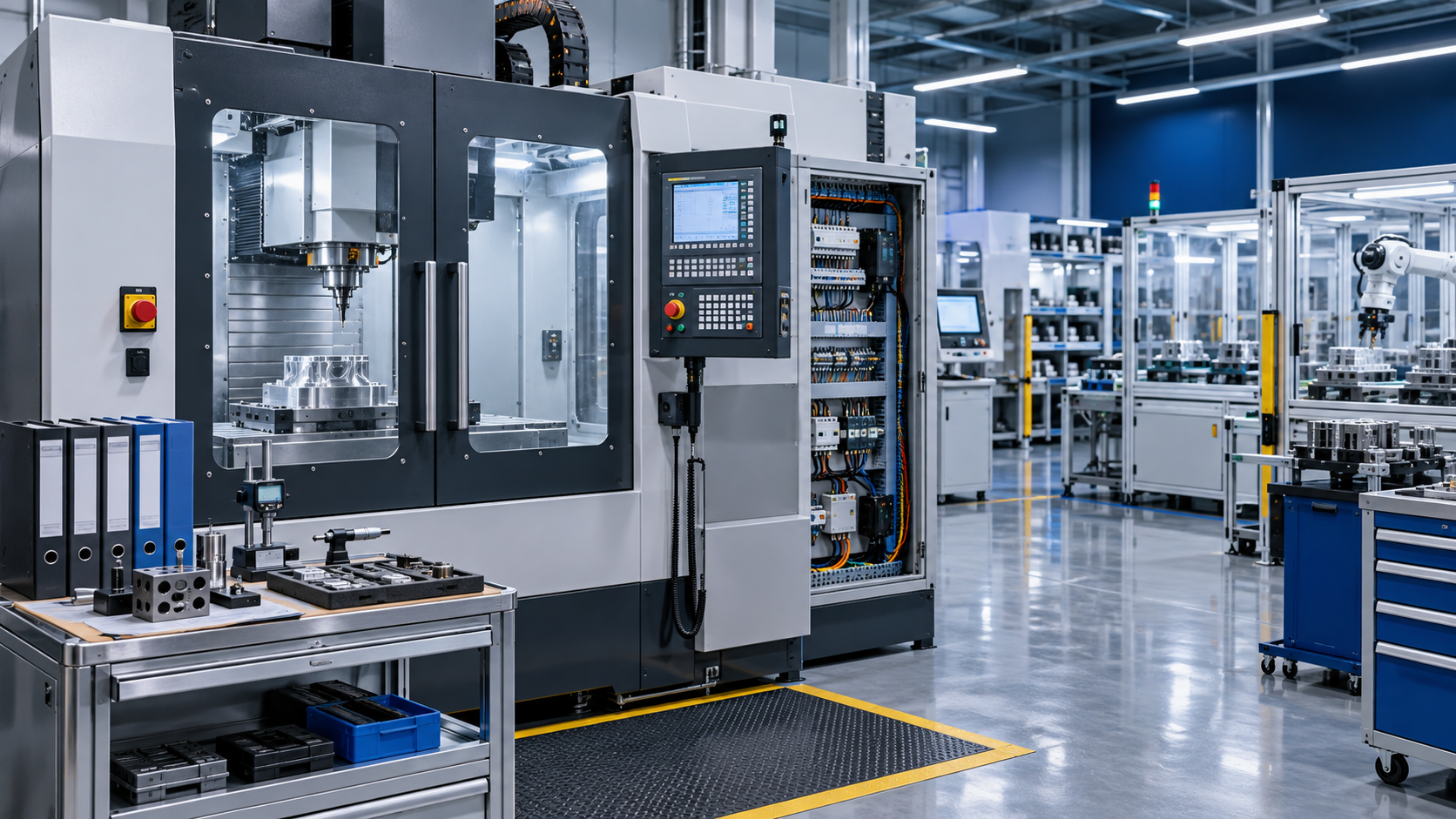
 CNC Lathe Quick Installation Guide: Alignment Checks Before First Production RunCNC Machining Technology Center
 How to Select a CNC Lathe for Small Parts Without Sacrificing Accuracy or Cycle TimeCNC Machining Technology Center

Aris Katos
Future of Carbide Coatings
15+ years in precision manufacturing systems. Specialized in high-speed milling and aerospace grade alloy processing.
▶
日本高端机床出口管制生效,五轴CNC审批趋严Global Machine Tool Trade Research Center▶
Japan Tightens Controls on High-End Machine Tool ExportsGlobal Machine Tool Trade Research Center▶
US Proposes 25% Tariff on China CNC Servo DrivesGlobal Machine Tool Trade Research Center▶
US Adds 37 Chinese Machine Tool Firms to Export ListGlobal Machine Tool Trade Research Center▶
US Tightens CNC Export Curbs, Adds 52 China EntitiesGlobal Machine Tool Trade Research Center
Mastering 5-Axis Workholding Strategies
Join our technical panel on Nov 15th to learn about reducing vibrations in thin-wall components.

Providing you with integrated sanding solutions
Before-sales and after-sales services
Comprehensive technical support