• Global CNC market projected to reach $128B by 2028 • New EU trade regulations for precision tooling components • Aerospace deman
NYSE: CNC +1.2%LME: STEEL -0.4%

Vietnam Launches Green Channel for Chinese CNC Equipment

VIETNAM LAUNCHES GREEN CHANNEL FOR CHINESE CNC EQUIPMENT
On May 11, 2026, Vietnam’s Ministry of Industry and Trade (MOIT), in coordination with the General Department of Vietnam Customs, introduced a fast-track import clearance mechanism for energy-efficient CNC machine tools manufactured in China. The policy targets equipment certified to China’s GB/T 36220–2025 standard (Level 1 energy efficiency) — specifically machining centers and CNC lathes — and aims to accelerate market access amid rising regional demand for high-efficiency industrial automation.
Event Overview
On May 11, 2026, Vietnam’s Ministry of Industry and Trade and the General Department of Vietnam Customs jointly announced the implementation of an expedited customs verification process for Chinese-made machining centers and CNC lathes that comply with GB/T 36220–2025 Level 1 energy efficiency requirements. Under the new arrangement, on-site customs inspection time is capped at two hours, and sampling-based testing is waived. The measure applies exclusively to eligible products declared with valid conformity documentation.
Industries Affected
Direct Trading Enterprises
Exporters and distributors of Chinese CNC equipment operating in Vietnam face reduced lead times and lower demurrage-related costs. Since physical inspection no longer triggers mandatory lab testing or multi-day holds, inventory turnover improves and working capital tied up in port storage decreases significantly. However, eligibility hinges strictly on pre-submitted technical compliance evidence — meaning documentation rigor becomes a critical operational bottleneck.
Raw Material Procurement Enterprises
Firms sourcing structural components (e.g., cast iron beds, linear guides, spindles) from Chinese suppliers for local assembly or retrofitting are indirectly affected. While not covered by the green channel themselves, they benefit from faster availability of core machine platforms — enabling more responsive quoting and shorter project timelines for turnkey solutions. Yet, this advantage assumes seamless alignment between component certifications and final machine-level compliance claims.
Contract Manufacturing & OEM Enterprises
Vietnamese contract manufacturers investing in capacity expansion — especially those serving electronics, automotive parts, and precision metalworking sectors — gain quicker access to cost-competitive, high-efficiency production assets. Faster deployment supports just-in-time equipment upgrades aligned with ESG reporting goals. Still, integration readiness (e.g., operator training, tooling compatibility, software licensing) remains unaffected by customs speed alone.
Supply Chain Service Providers
Freight forwarders, customs brokers, and compliance consultants see shifting service demands: less time spent managing extended inspections, but increased need for pre-arrival conformity validation support. Firms offering GB/T 36220–2025 certification advisory services may experience higher inquiry volume, particularly from Vietnamese importers unfamiliar with Chinese national standards.
Key Considerations and Recommended Actions
Verify GB/T 36220–2025 Level 1 Certification Before Shipment
Eligibility is conditional on verifiable, third-party-certified compliance with the full scope of GB/T 36220–2025 Level 1 — not self-declaration or partial testing. Exporters must ensure certificates include model-specific test reports, issued by CNAS-accredited labs, and submitted digitally via Vietnam’s National Single Window prior to arrival.
Align Documentation Across Exporter, Freight Forwarder, and Local Importer
Discrepancies between HS code classification, declared technical specifications, and certificate wording have already caused delays in early pilot cases. All parties must jointly review labeling, manuals, and conformity statements to prevent rejection at the point of entry — even under the green channel.
Monitor Scope Updates and Potential Expansion
The current policy covers only machining centers and CNC lathes. Observably, MOIT has indicated it may extend the framework to grinding machines and EDM equipment later in 2026 — contingent on evaluation of initial implementation data. Stakeholders should track official MOIT circulars for scope adjustments.
Editorial Perspective / Industry Observation
This initiative is better understood as a targeted trade facilitation measure — not a broad tariff reduction or regulatory harmonization step. Analysis shows it reflects Vietnam’s dual priorities: accelerating adoption of energy-efficient capital goods to meet national decarbonization targets, while simultaneously strengthening technical linkages with China’s advanced manufacturing ecosystem. It does not signal easing of broader non-tariff barriers (e.g., cybersecurity assessments for connected CNC systems or local after-sales service mandates), which remain unchanged.
Conclusion
The green channel marks a pragmatic, standards-based pathway for qualified Chinese CNC equipment to gain faster traction in Vietnam’s industrial upgrading cycle. Its real-world impact will depend less on headline processing speed and more on consistency of implementation, transparency of eligibility criteria, and responsiveness to cross-border documentation friction. For the regional machine tool supply chain, it reinforces the growing importance of interoperable energy performance frameworks — not just price or brand recognition.
Source Attribution
Official announcement issued by Vietnam’s Ministry of Industry and Trade and the General Department of Vietnam Customs, published May 11, 2026, accessible via moit.gov.vn and customs.gov.vn.
GB/T 36220–2025 standard published by China’s State Administration for Market Regulation (SAMR).
Note: Implementation guidelines, list of accredited verification bodies, and scope extension timelines remain under active development; stakeholders are advised to monitor official updates quarterly.
PREVIOUS ARTICLE
NEXT ARTICLE
Recommended for You
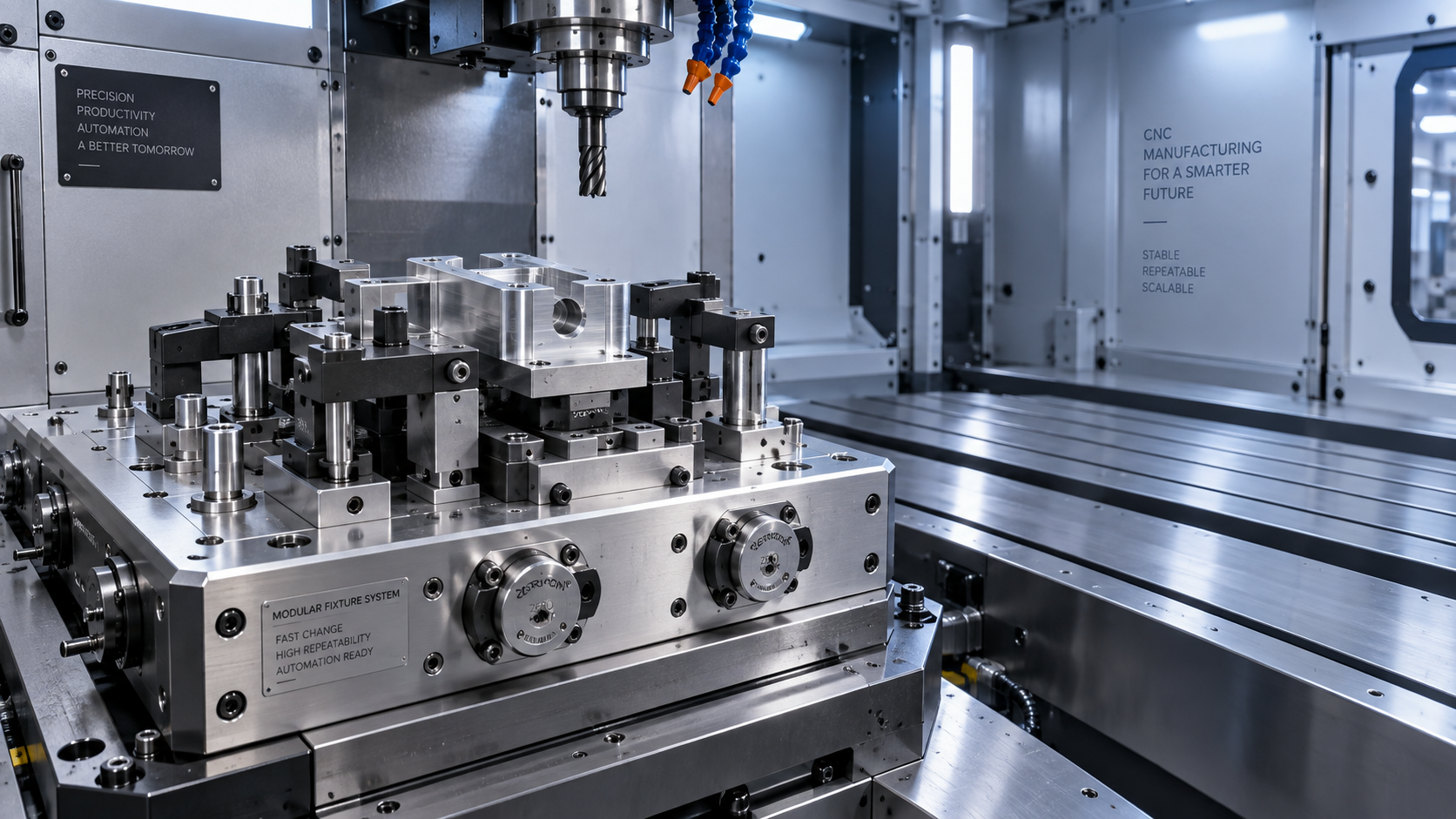
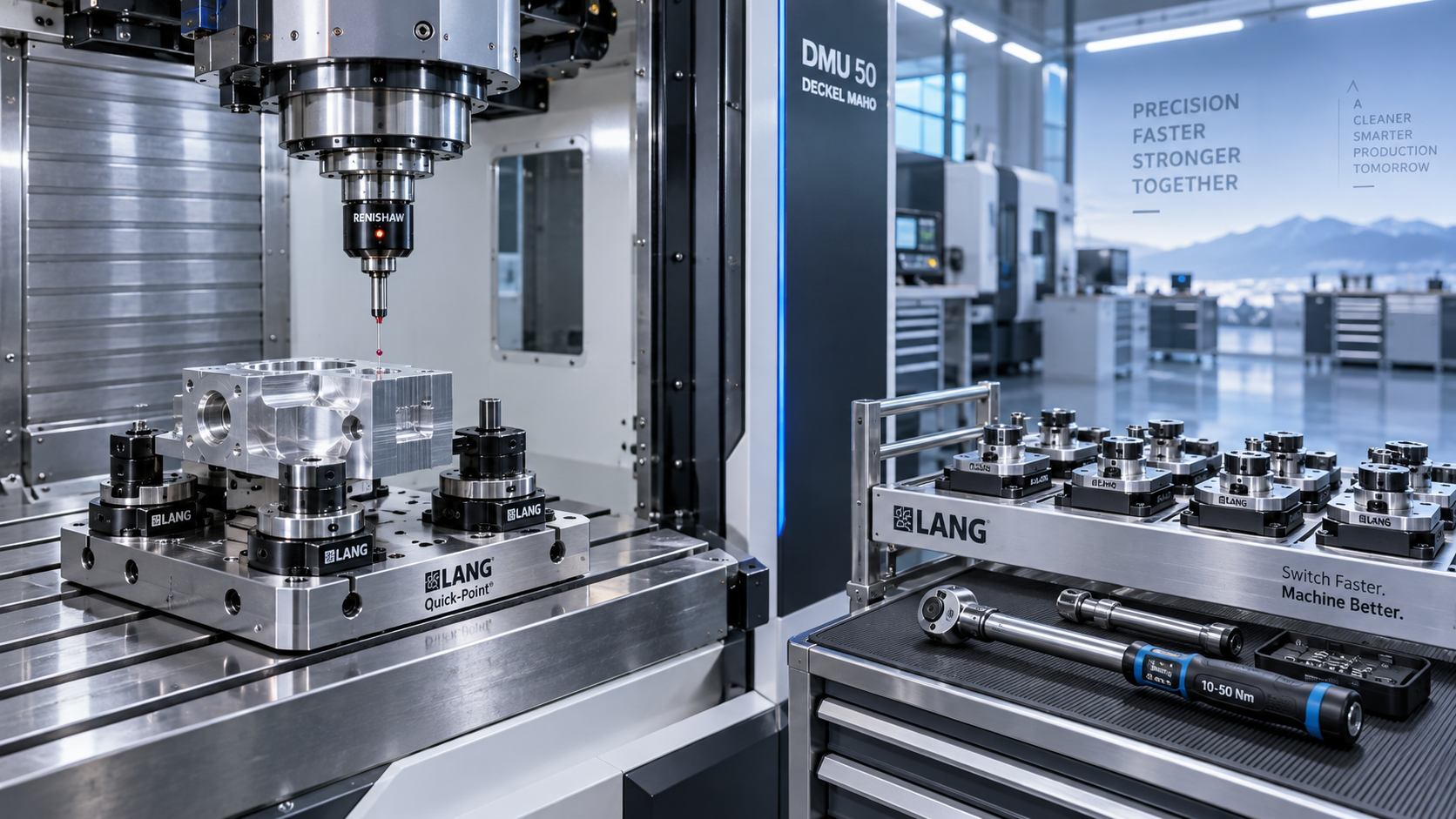
 Zero-Point Clamping or Modular Fixtures? Choosing a Faster CNC Changeover SystemCNC Machining Technology Center
 How to Cut CNC Fixture Changeover Time Without Sacrificing Part AccuracyCNC Machining Technology Center
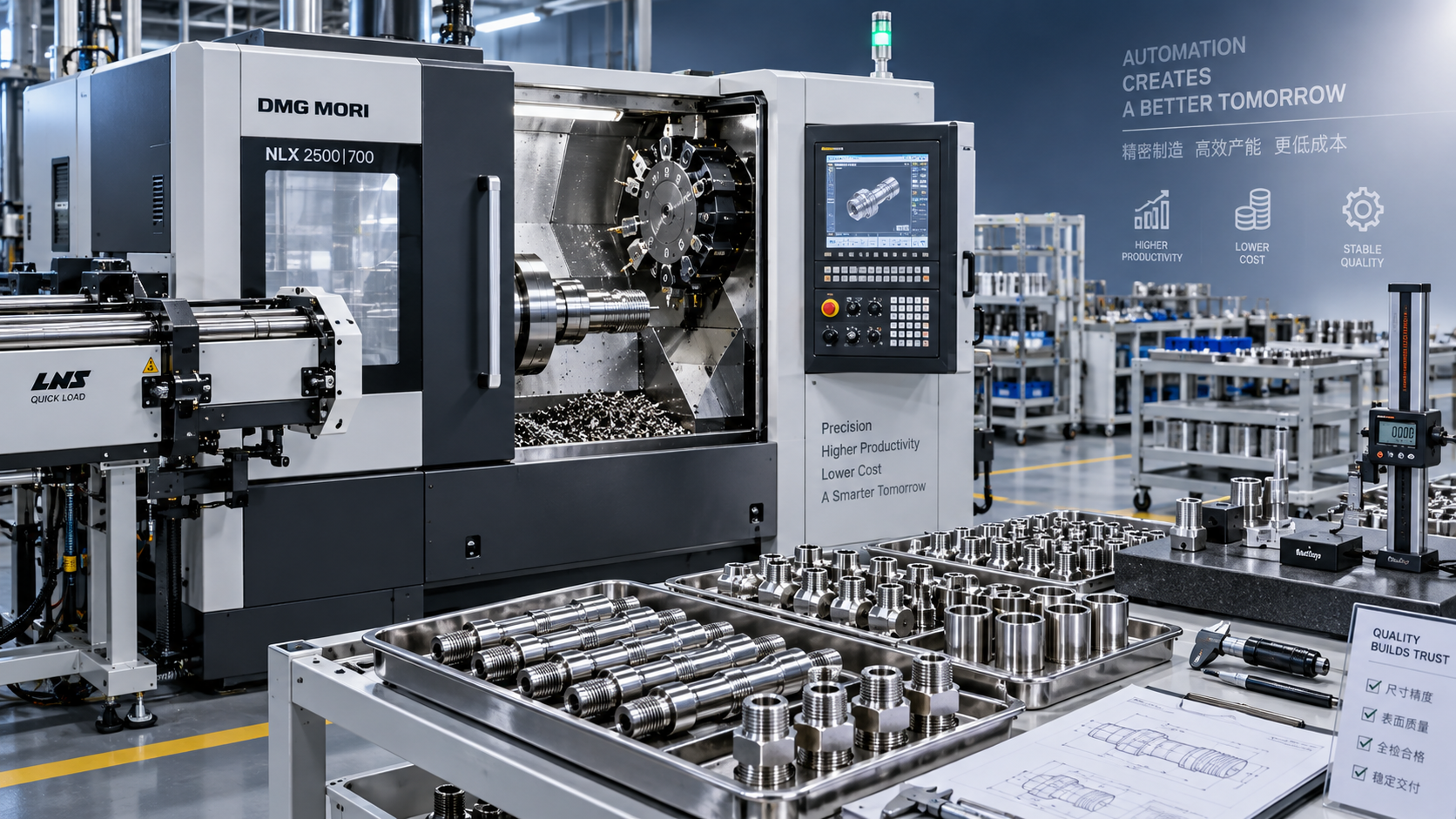
 When Does CNC Turning Pay Off? A Break-Even Guide by Annual Part VolumeMachine Tool Industry Editorial Team
 Machine Tool Standards by Country: What Importers Must Verify Before PurchaseManufacturing Policy Research Center
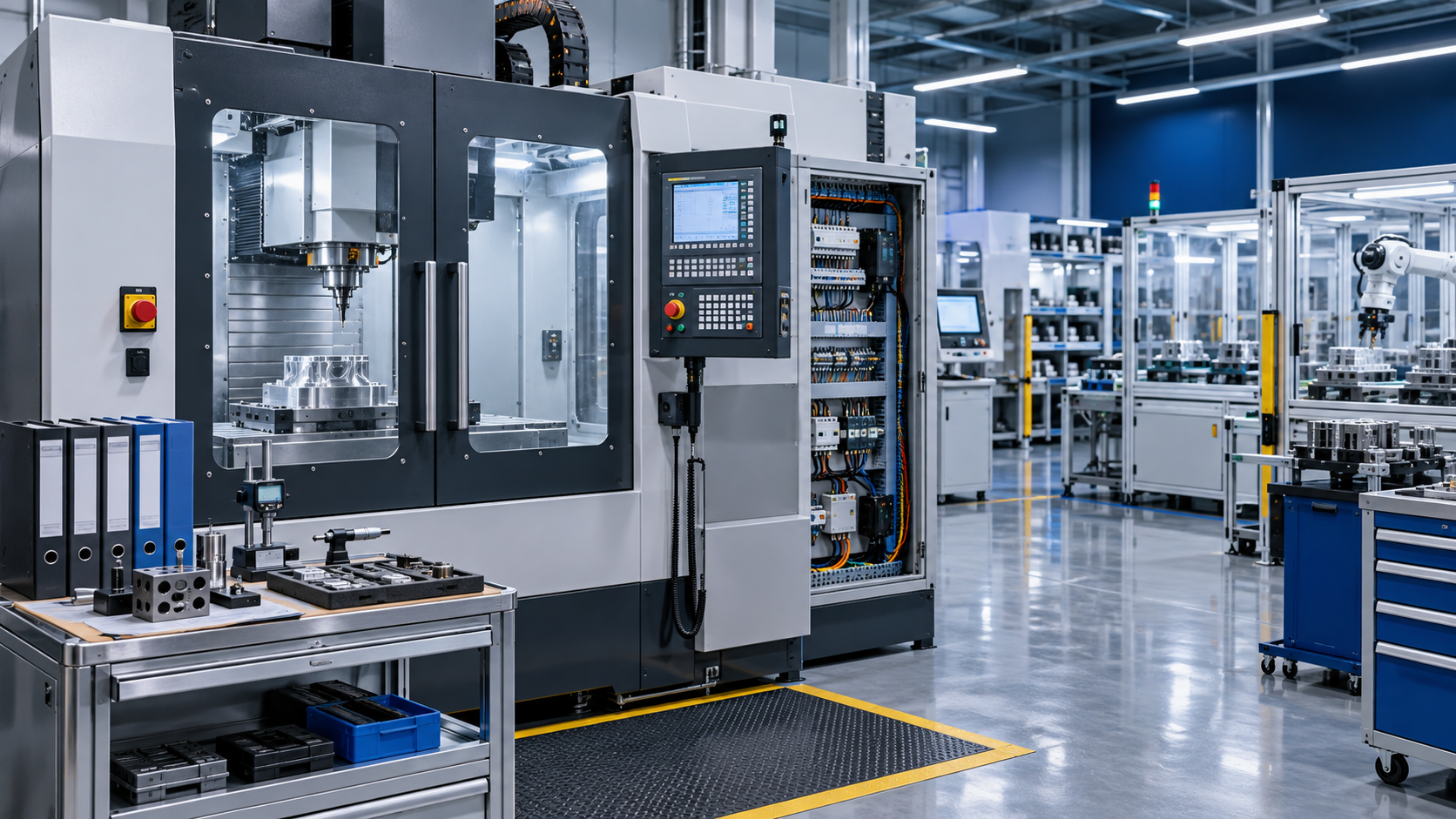
 CNC Lathe Quick Installation Guide: Alignment Checks Before First Production RunCNC Machining Technology Center
 How to Select a CNC Lathe for Small Parts Without Sacrificing Accuracy or Cycle TimeCNC Machining Technology Center

Aris Katos
Future of Carbide Coatings
15+ years in precision manufacturing systems. Specialized in high-speed milling and aerospace grade alloy processing.
▶
日本高端机床出口管制生效,五轴CNC审批趋严Global Machine Tool Trade Research Center▶
Japan Tightens Controls on High-End Machine Tool ExportsGlobal Machine Tool Trade Research Center▶
US Proposes 25% Tariff on China CNC Servo DrivesGlobal Machine Tool Trade Research Center▶
US Adds 37 Chinese Machine Tool Firms to Export ListGlobal Machine Tool Trade Research Center▶
US Tightens CNC Export Curbs, Adds 52 China EntitiesGlobal Machine Tool Trade Research Center
Mastering 5-Axis Workholding Strategies
Join our technical panel on Nov 15th to learn about reducing vibrations in thin-wall components.

Providing you with integrated sanding solutions
Before-sales and after-sales services
Comprehensive technical support