• Global CNC market projected to reach $128B by 2028 • New EU trade regulations for precision tooling components • Aerospace deman
NYSE: CNC +1.2%LME: STEEL -0.4%

CNC Milling or Outsourcing? The Cost Gap Is Not Always Obvious
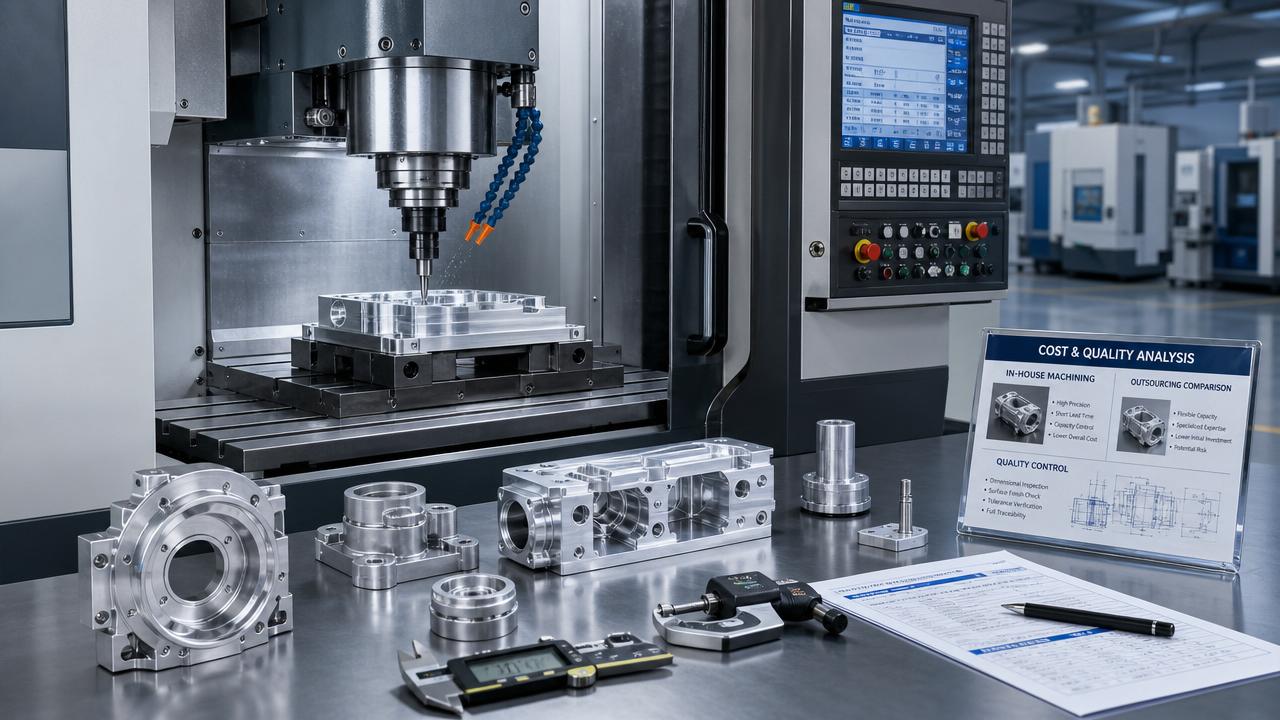
When evaluating CNC milling capacity, the real cost difference between in-house production and outsourcing is not always as clear as it seems. For distributors, agents, and channel partners, the decision affects pricing, delivery flexibility, quality control, and long-term customer trust. Understanding where hidden costs and strategic advantages lie can help you make smarter sourcing choices in a highly competitive manufacturing market.
Why the CNC Milling Cost Gap Often Looks Smaller or Larger Than Reality
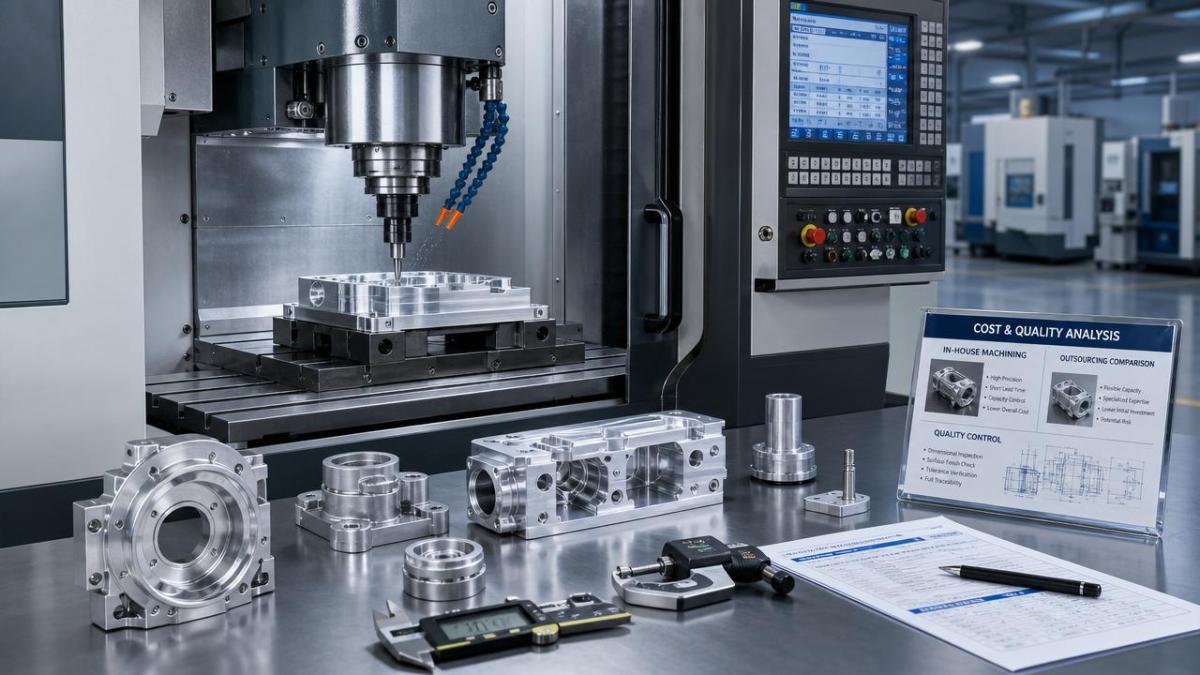
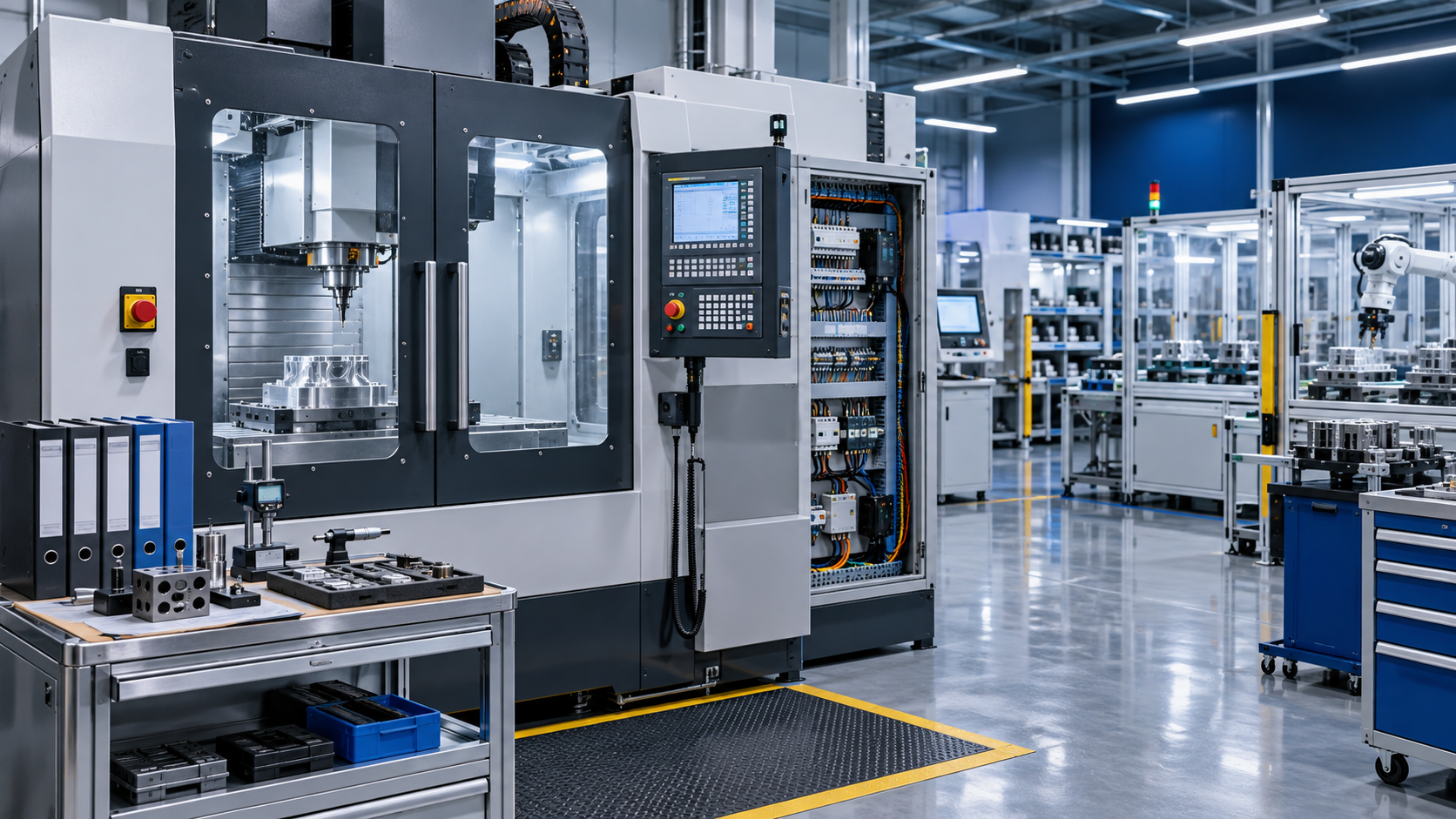
In the CNC machine tool sector, pricing is rarely determined by machine hour alone. CNC milling decisions are shaped by spindle capability, fixturing, programming time, operator skill, material yield, inspection methods, and batch stability. For distributors and agents, that means a quote that seems cheaper at first glance may create hidden cost pressure later.
This is especially true in industries such as automotive, aerospace, energy equipment, and electronics, where tolerance, repeatability, and delivery consistency matter as much as unit price. A partner evaluating whether to build internal CNC milling capacity or outsource production must look at commercial risk, technical complexity, and channel reputation together.
The global market is also changing. Smart manufacturing, multi-axis systems, industrial robots, and digital process control are increasing productivity, but they also raise the threshold for efficient internal production. Many resellers underestimate the cost of reaching stable output, not just acquiring equipment.
- Machine purchase is only the visible part of the investment; tooling, software, metrology, and process validation often expand the actual budget.
- Outsourcing may appear expensive per part, yet it can reduce inventory risk, idle capacity, and scrap exposure for mixed-volume orders.
- The right choice depends on order profile, customer lead-time expectations, drawing complexity, and compliance requirements.
What Costs Should Distributors Include Before Comparing In-House and Outsourced CNC Milling?
A useful comparison starts with total landed manufacturing cost, not just the workshop rate. For CNC milling, channel partners often focus on machine price and labor, while missing process engineering and quality-related expenses that directly affect resale margin and after-sales claims.
The table below highlights the cost categories that should be reviewed before deciding whether to keep CNC milling in-house or work with an external precision machining supplier.
For many distributors, low or irregular order volume is the main reason the internal cost model becomes misleading. A machining center may be productive during peak periods, but if monthly demand is uneven, the idle burden can erase expected savings from in-house CNC milling.
Hidden costs that are often underestimated
- Engineering hours for new part introduction, toolpath optimization, and fixture verification.
- Unplanned downtime caused by spindle maintenance, coolant management, or tool breakage.
- Cost of quality escapes, especially when parts are resold into high-value assemblies.
- Inventory holding cost when raw material and finished parts are stocked to protect delivery performance.
Which Business Scenarios Make In-House CNC Milling More Competitive?
In-house CNC milling is not automatically the costly option. In certain distribution and agency models, building internal machining capability can improve responsiveness and margin control. The key is whether your order structure can support utilization, technical standardization, and repeatability.
Best-fit conditions for internal production
- You handle repeat orders for the same family of components, such as housings, plates, brackets, or precision structural parts.
- Your customers require rapid engineering changes, small urgent replenishment lots, or local after-sales replacement parts.
- You can bundle CNC milling with assembly, finishing, or inspection services to create a higher-value offer.
- You already have technical staff familiar with process control, tool management, and dimensional verification.
In these scenarios, the benefit is not only lower external spend. Internal CNC milling can shorten communication loops, support confidential projects, and give channel partners more flexibility in delivery commitments. That can be decisive when supplying industrial buyers who judge distributors by reliability, not just price.
Where internal production still creates pressure
Even when demand looks stable, the mix of materials and tolerances can complicate internal operations. Aluminum prototypes, stainless steel functional parts, and hardened alloy components do not behave the same in CNC milling. Different workholding, tool life, and cycle optimization requirements can reduce efficiency if the workshop is not specialized.
When Does Outsourced CNC Milling Deliver Better Commercial Value?
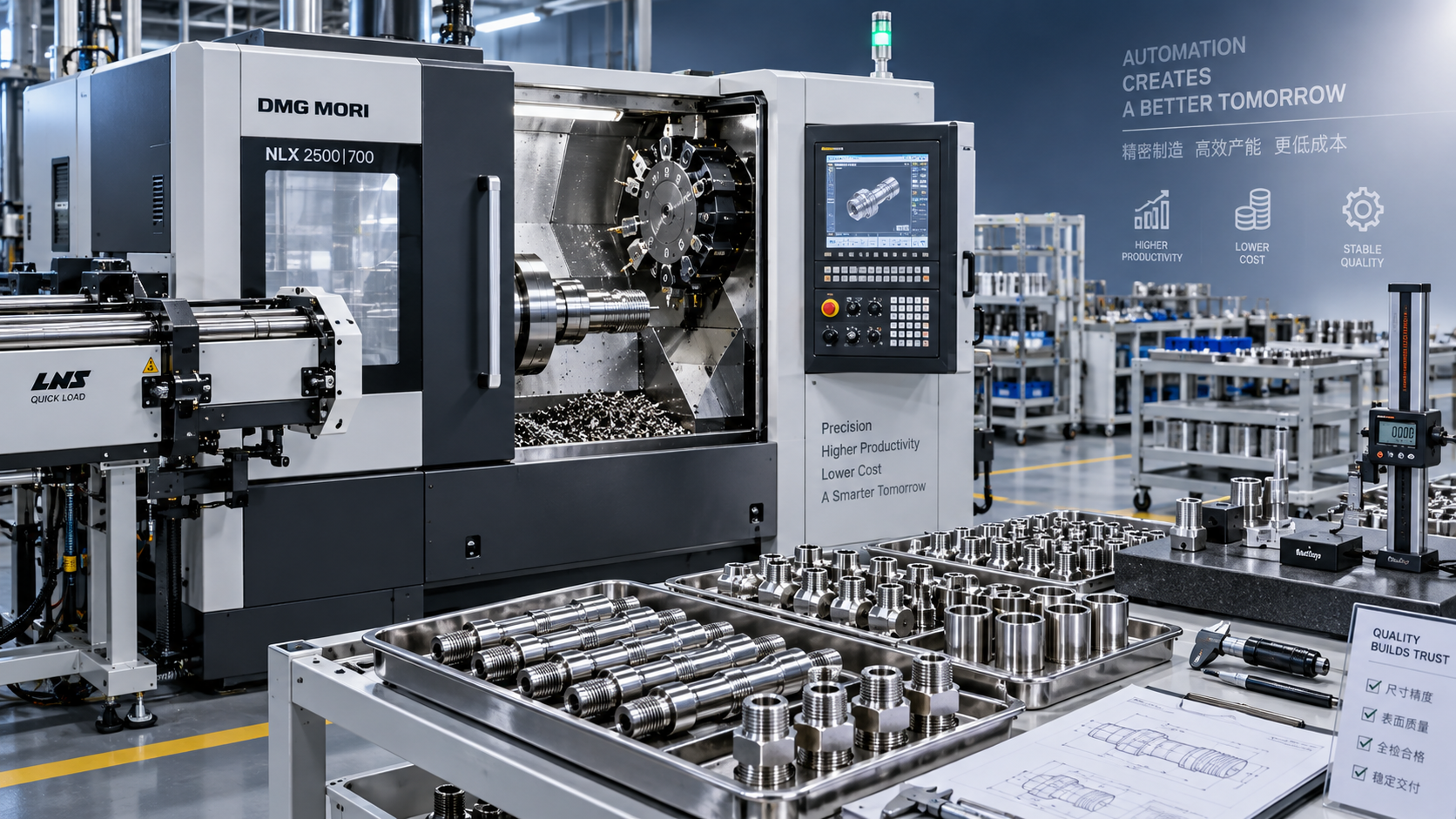
Outsourcing is often the better commercial choice when part variety is broad, order volume is uncertain, or customers demand multiple process capabilities beyond milling. A qualified external supplier may combine CNC milling, turning, surface treatment, heat treatment coordination, and final inspection under one production plan.
This model is particularly useful for agents and distributors serving several industries at once. Instead of investing in one machine configuration that fits only part of the portfolio, they can access a wider technical base through a machining partner network.
The comparison table below shows where outsourced CNC milling tends to outperform an internal setup from a channel-management perspective.
Outsourced CNC milling becomes especially attractive when your value lies in market access, customer development, and solution packaging rather than in direct factory operation. In that case, preserving cash flow and flexibility can be more valuable than owning every production step.
How Should You Evaluate Technical and Quality Risk Before Choosing?
A sourcing decision in CNC milling should never be based on price alone. If the final customer works under strict performance requirements, the cost of one rejected batch may exceed months of expected savings. Technical assessment must therefore be part of commercial evaluation.
Key checkpoints for technical due diligence
- Tolerance capability: confirm whether the process can consistently hold required dimensions, not just achieve them once during sampling.
- Material control: verify traceability for aluminum, stainless steel, alloy steel, and other specified materials where end-use requirements matter.
- Inspection method: ask what measuring tools are used for first article, in-process, and final inspection.
- Process stability: review how tool wear, fixture repeatability, and operator changeovers are controlled.
- Documentation readiness: determine whether basic quality records, dimensional reports, and packing traceability can be provided when needed.
For channel partners supplying export markets, it is also practical to ask about common management standards such as ISO 9001-based quality systems, material certifications when relevant, and drawing revision control. These are not guarantees of performance, but they help reduce transaction risk in outsourced CNC milling programs.
A Practical Procurement Guide for Distributors and Agents
If you need to compare internal and external CNC milling resources quickly, use a structured review process. This is more effective than debating price before clarifying the production scenario. The goal is to protect customer satisfaction while keeping your sourcing model commercially sustainable.
A five-step sourcing framework
- Group parts by geometry, tolerance, material, and annual volume instead of treating all CNC milling jobs as one category.
- Estimate total cost over a realistic planning period, including rejects, urgent shipments, engineering support, and stock coverage.
- Compare lead-time resilience, not just standard lead time. Ask what happens when demand doubles or drawings change.
- Validate quality with samples, first article review, and clear acceptance criteria before scaling volume.
- Decide which SKUs should remain strategic and flexible through outsourcing, and which should be standardized for internal handling.
The procurement matrix below can help channel partners screen CNC milling projects more consistently across different customer industries.
This approach helps distributors avoid a common mistake: choosing the lowest quoted CNC milling route for a project that actually requires the most stable process control and communication discipline.
Common Misconceptions About CNC Milling Cost Decisions
“Owning the machine always lowers cost”
Only if utilization, staffing, and part mix support efficient output. Otherwise, depreciation and indirect overhead can make internal CNC milling more expensive than specialized subcontracting.
“Outsourcing means less control”
Control depends on process definition, supplier qualification, and communication quality. A disciplined outsourced CNC milling model with documented checkpoints can outperform a loosely managed internal workshop.
“One supplier can fit every machining job”
Different projects need different strengths. Prototype speed, multi-axis capability, thin-wall machining, and production volume control may not all sit with the same source. Channel partners should segment suppliers by capability, not convenience.
FAQ: What Buyers and Channel Partners Ask Most About CNC Milling Sourcing
How do I know whether CNC milling should stay in-house or be outsourced?
Start with volume stability, part similarity, and tolerance complexity. If orders repeat regularly and the process can be standardized, internal production may work. If demand is variable or the part mix is wide, outsourced CNC milling is usually more flexible and less capital-intensive.
What should I check first when reviewing a CNC milling supplier?
Review drawing understanding, material handling, fixture approach, inspection method, and delivery planning. A fast quote is useful, but it should be supported by technical clarity. Ambiguity at quotation stage often becomes quality or schedule trouble later.
Is CNC milling outsourcing suitable for urgent orders?
It can be, if the supplier has available capacity, clear communication, and stable process documentation. For recurring urgent demand, many distributors use a hybrid model: outsource standard production while keeping small emergency stock or light finishing operations closer to the customer.
What is the biggest cost mistake in CNC milling procurement?
Ignoring the cost of inconsistency. Scrap, delayed shipment, emergency freight, and customer claims can quickly exceed any visible savings from a cheaper quote. The best sourcing decision balances piece price with process reliability and supply responsiveness.
Why a Hybrid CNC Milling Strategy Is Often the Most Practical
For many distributors, agents, and regional channel partners, the smartest answer is not fully in-house or fully outsourced. A hybrid CNC milling strategy often creates the best balance. Standard repeat parts can be sourced from qualified production partners, while urgent modifications, sample verification, or limited local operations are handled closer to the market.
This model aligns well with the broader direction of the machine tool industry: higher precision, stronger automation, and better digital coordination. It also allows channel businesses to stay flexible as customer requirements shift across sectors such as electronics, energy equipment, and industrial assemblies.
Why Choose Us for CNC Milling Sourcing Support
We focus on the global CNC machining and precision manufacturing industry, with practical insight into machine tools, production workflows, sourcing risk, and international industrial trade. That helps distributors and agents make CNC milling decisions with stronger technical and commercial visibility.
You can contact us to discuss specific issues such as parameter confirmation, part suitability for CNC milling, supplier comparison, delivery schedule planning, custom sourcing solutions, drawing review coordination, sample support, and quotation communication for different market regions.
- Need help comparing in-house and outsourced CNC milling cost structures for a target product line?
- Need support checking whether a supplier can meet tolerance, inspection, or documentation expectations?
- Need guidance on lead time, sample planning, or channel-ready sourcing options for mixed-volume industrial customers?
Bring your drawings, expected annual volume, material requirements, and delivery targets. With that information, the sourcing path for CNC milling becomes much clearer, and the real cost gap becomes easier to judge before it affects your margin or customer relationship.
Recommended for You
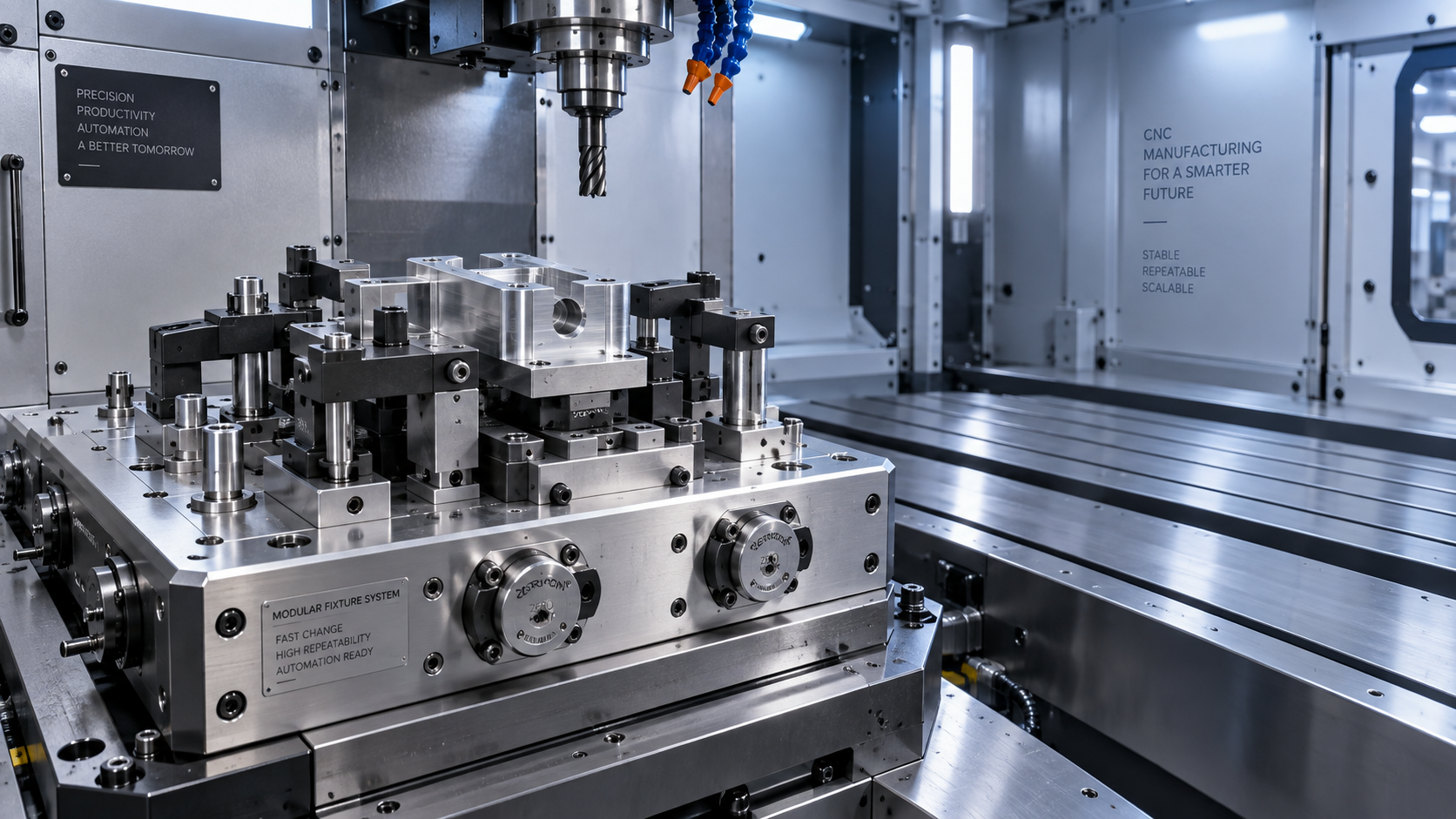
 Zero-Point Clamping or Modular Fixtures? Choosing a Faster CNC Changeover SystemCNC Machining Technology Center
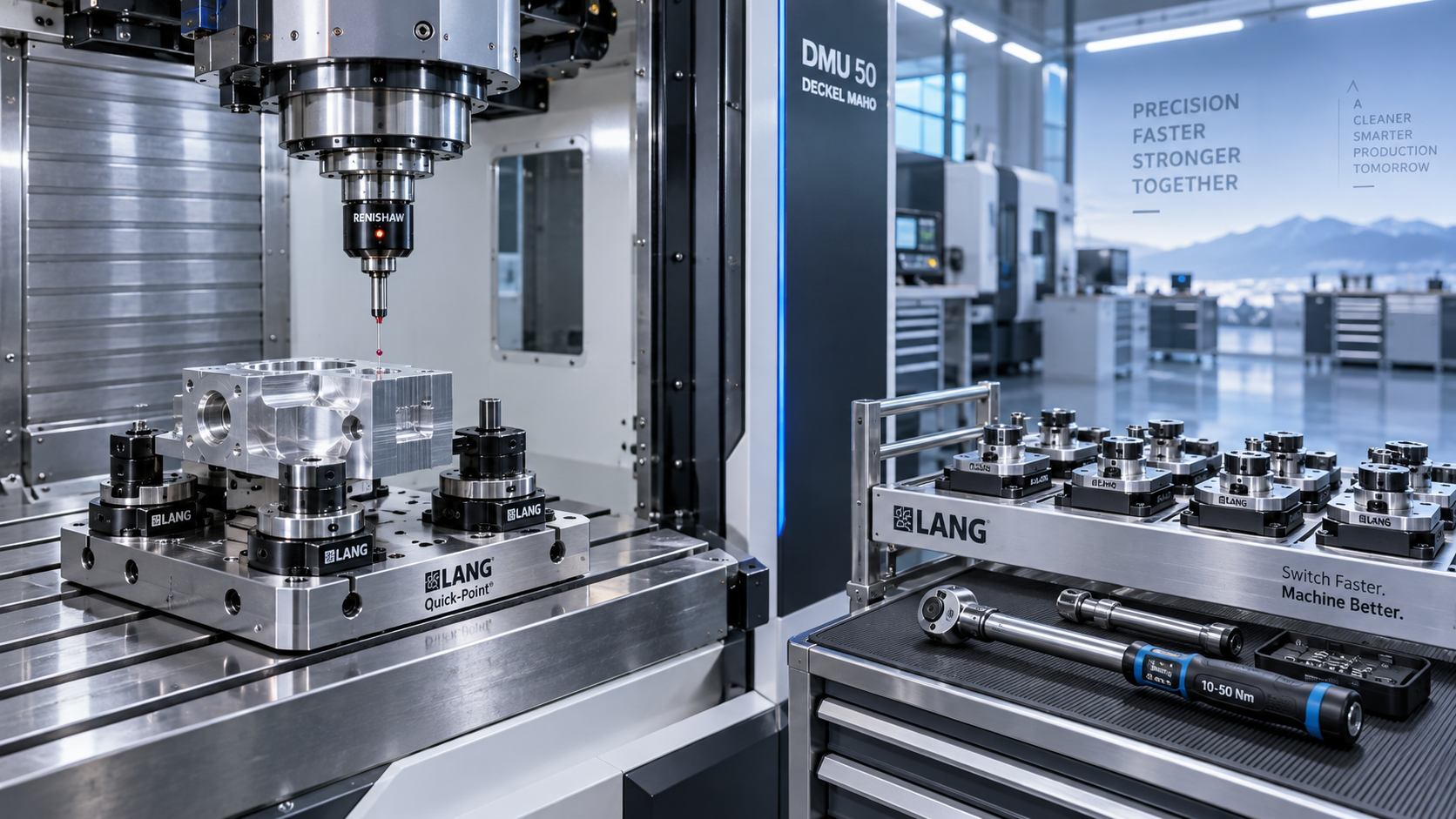
 How to Cut CNC Fixture Changeover Time Without Sacrificing Part AccuracyCNC Machining Technology Center
 When Does CNC Turning Pay Off? A Break-Even Guide by Annual Part VolumeMachine Tool Industry Editorial Team
 Machine Tool Standards by Country: What Importers Must Verify Before PurchaseManufacturing Policy Research Center
 CNC Lathe Quick Installation Guide: Alignment Checks Before First Production RunCNC Machining Technology Center
 How to Select a CNC Lathe for Small Parts Without Sacrificing Accuracy or Cycle TimeCNC Machining Technology Center

Aris Katos
Future of Carbide Coatings
15+ years in precision manufacturing systems. Specialized in high-speed milling and aerospace grade alloy processing.
▶
How to Evaluate a Machine Tool Factory Before Sourcing CNC EquipmentGlobal Machine Tool Trade Research Center▶
How to Evaluate a CNC Machine Tool Manufacturer for Precision and Service SupportGlobal Machine Tool Trade Research Center▶
What Affects Cost-Effective CNC Manufacturing? Key Drivers Behind Part Price and Lead TimeGlobal Machine Tool Trade Research Center▶
How to Evaluate a CNC Tooling System Supplier in Germany for Quality, Lead Time, and CostGlobal Machine Tool Trade Research Center▶
How to Evaluate a CNC Tooling System Supplier in Germany for Quality, Lead Time, and SupportGlobal Machine Tool Trade Research Center
Mastering 5-Axis Workholding Strategies
Join our technical panel on Nov 15th to learn about reducing vibrations in thin-wall components.

Providing you with integrated sanding solutions
Before-sales and after-sales services
Comprehensive technical support