• Global CNC market projected to reach $128B by 2028 • New EU trade regulations for precision tooling components • Aerospace deman
NYSE: CNC +1.2%LME: STEEL -0.4%

Mexico to Extend CNC Parts Tariff Exemption to Tier-2 Suppliers

Editor’s Note: This article reports on a regulatory proposal published by Mexico’s Ministry of Economy on May 10, 2026. The draft amendment to the IMMEX program is currently in public consultation and has not yet entered into force.
Event Overview
On May 10, 2026, Mexico’s Ministry of Economy released a draft amendment to the IMMEX (Maquiladora, Manufacturing, and Export Services) program for public consultation. The proposed revision would extend import tariff exemptions—currently applicable only to first-tier assembly manufacturers—to certified local tier-2 suppliers involved in the production of CNC machine tools. Specifically, the exemption would cover key imported components including servo motors, high-precision linear encoders, and electric spindles used in final CNC equipment assembly.
Industries Affected
Direct Trading Enterprises
Companies engaged in cross-border trade of CNC-related components—from China, Germany, Japan, or Taiwan—will face revised customs classification and documentation requirements. While tariff relief may improve competitiveness for exports destined to tier-2 Mexican suppliers, it also introduces new compliance obligations: suppliers must now be registered and certified under the IMMEX framework to qualify, adding administrative layers previously unnecessary for indirect exporters.
Raw Material & Component Procurement Enterprises
Firms sourcing critical motion control and metrology components (e.g., precision encoders, servo drives) for resale into Mexican manufacturing ecosystems will see demand shift toward certified intermediaries. Unregistered distributors may lose access to tariff-exempt channels, compressing margins unless they pursue IMMEX certification—a process requiring traceability systems, fiscal accountability, and operational transparency.
Contract Manufacturing & Assembly Enterprises
Tier-2 contract manufacturers producing subassemblies (e.g., motorized tool turrets, integrated spindle modules) for CNC OEMs stand to benefit directly from lower landed costs on imported core components. However, eligibility hinges on formal IMMEX registration and adherence to strict inventory tracking and export linkage rules—raising entry barriers for smaller workshops lacking digital ERP or customs compliance infrastructure.
Supply Chain Service Providers
Logistics integrators, customs brokers, and nearshoring consultants will experience increased demand for IMMEX certification support, duty drawback advisory services, and component traceability audits. Notably, service providers assisting clients with tier-2 qualification must now demonstrate familiarity with both SAT (Mexican Tax Administration) requirements and SE (Secretariat of Economy) technical validation protocols—expanding scope beyond traditional import facilitation.
Key Considerations & Recommended Actions
Verify IMMEX Certification Eligibility Criteria for Tier-2 Entities
Eligibility is not automatic. Applicants must prove direct involvement in value-added manufacturing (not mere warehousing or repackaging), maintain auditable records linking imported parts to exported finished goods, and meet minimum annual export thresholds. Companies should initiate pre-assessment with authorized Mexican customs advisors before submission.
Evaluate Component Sourcing Strategy Against New Duty Pathways
Importers previously routing components through first-tier IMMEX plants may now consider direct shipments to qualified tier-2 partners—potentially reducing handling time and inventory duplication. But this requires alignment on harmonized tariff codes, origin documentation, and synchronized production scheduling to avoid customs delays.
Assess ERP & Traceability System Readiness
The draft mandates real-time reporting of component usage and export outcomes via Mexico’s VUCEM (Single Window for Foreign Trade) platform. Firms lacking integrated inventory-export reconciliation modules should prioritize system upgrades or third-party integration solutions ahead of the expected Q4 2026 implementation window.
Editorial Perspective / Industry Observation
This amendment reflects a deliberate recalibration of Mexico’s nearshoring incentive architecture—not merely expanding benefits, but deepening supply chain integration. Observably, the focus on certified tier-2 participation signals a policy pivot toward localized value addition over simple assembly. Analysis shows that while Chinese CNC equipment makers gain cost leverage, their competitive advantage will increasingly depend on partner ecosystem development—not just factory setup—in Mexico. From an industry perspective, the move is better understood as a structural nudge toward vertical consolidation in the regional machine tool supply chain, rather than a broad-based tariff reduction.
Conclusion
The proposed IMMEX revision marks a consequential step in Mexico’s effort to anchor advanced manufacturing capabilities within its borders. For global CNC stakeholders, it redefines ‘localization’ from physical presence to certified, traceable, and export-linked participation across tiers. The broader significance lies less in immediate cost savings and more in the long-term signal: regulatory frameworks are evolving to reward embeddedness—not just proximity—in nearshore ecosystems.
Source Attribution
Official notice published by Mexico’s Ministry of Economy (Secretaría de Economía) on May 10, 2026, under public consultation reference SE/DOF/CONS/2026/0510/IMMEX-CNC. Full draft text available via the Federal Official Gazette (Diario Oficial de la Federación) portal. Note: Final regulation text, effective date, and certification guidelines remain pending; stakeholders are advised to monitor updates through the Ministry’s IMMEX Unit and SAT’s VUCEM notifications.
Recommended for You
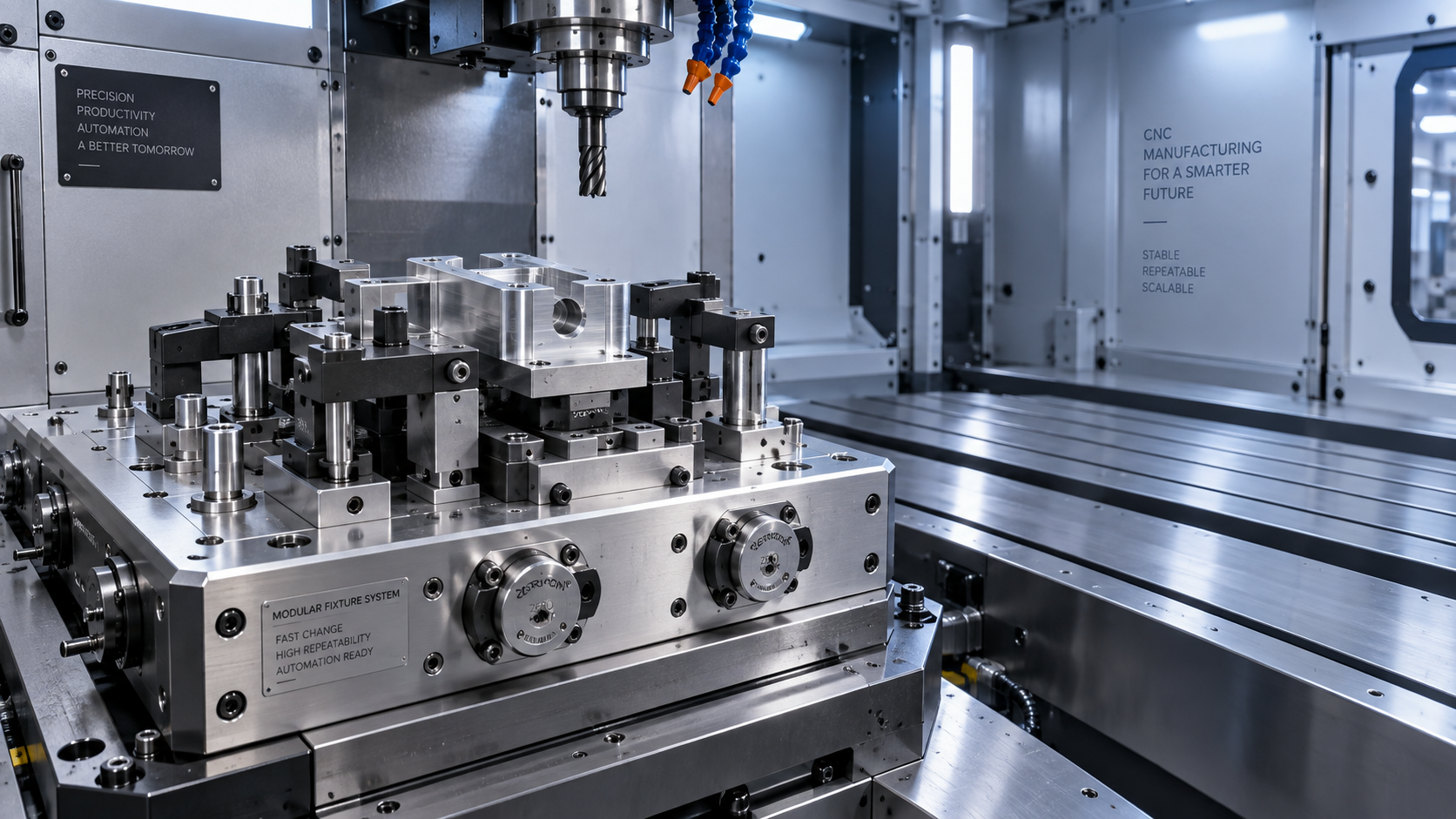
 Zero-Point Clamping or Modular Fixtures? Choosing a Faster CNC Changeover SystemCNC Machining Technology Center
 How to Cut CNC Fixture Changeover Time Without Sacrificing Part AccuracyCNC Machining Technology Center
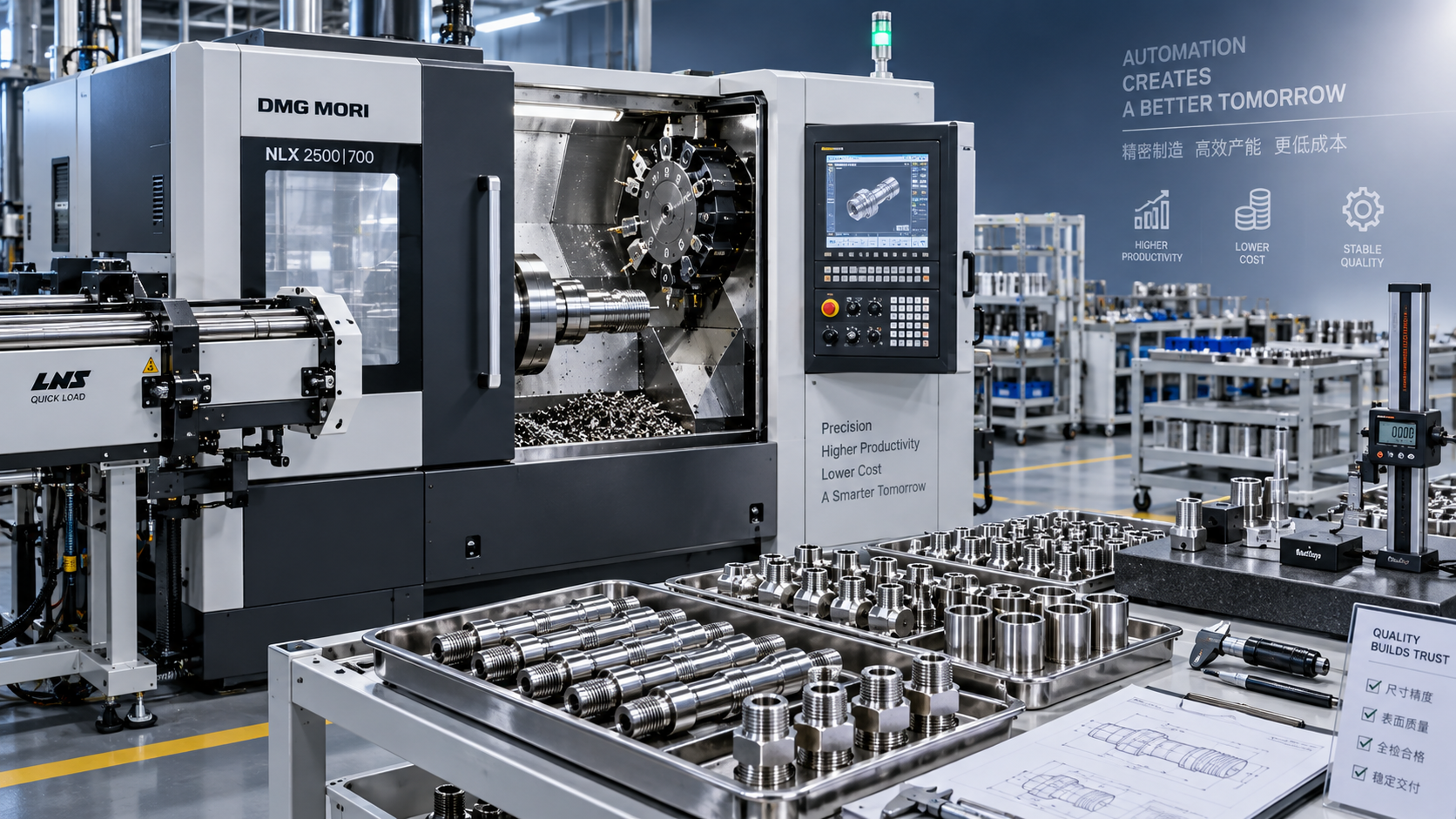
 When Does CNC Turning Pay Off? A Break-Even Guide by Annual Part VolumeMachine Tool Industry Editorial Team
 Machine Tool Standards by Country: What Importers Must Verify Before PurchaseManufacturing Policy Research Center
 CNC Lathe Quick Installation Guide: Alignment Checks Before First Production RunCNC Machining Technology Center
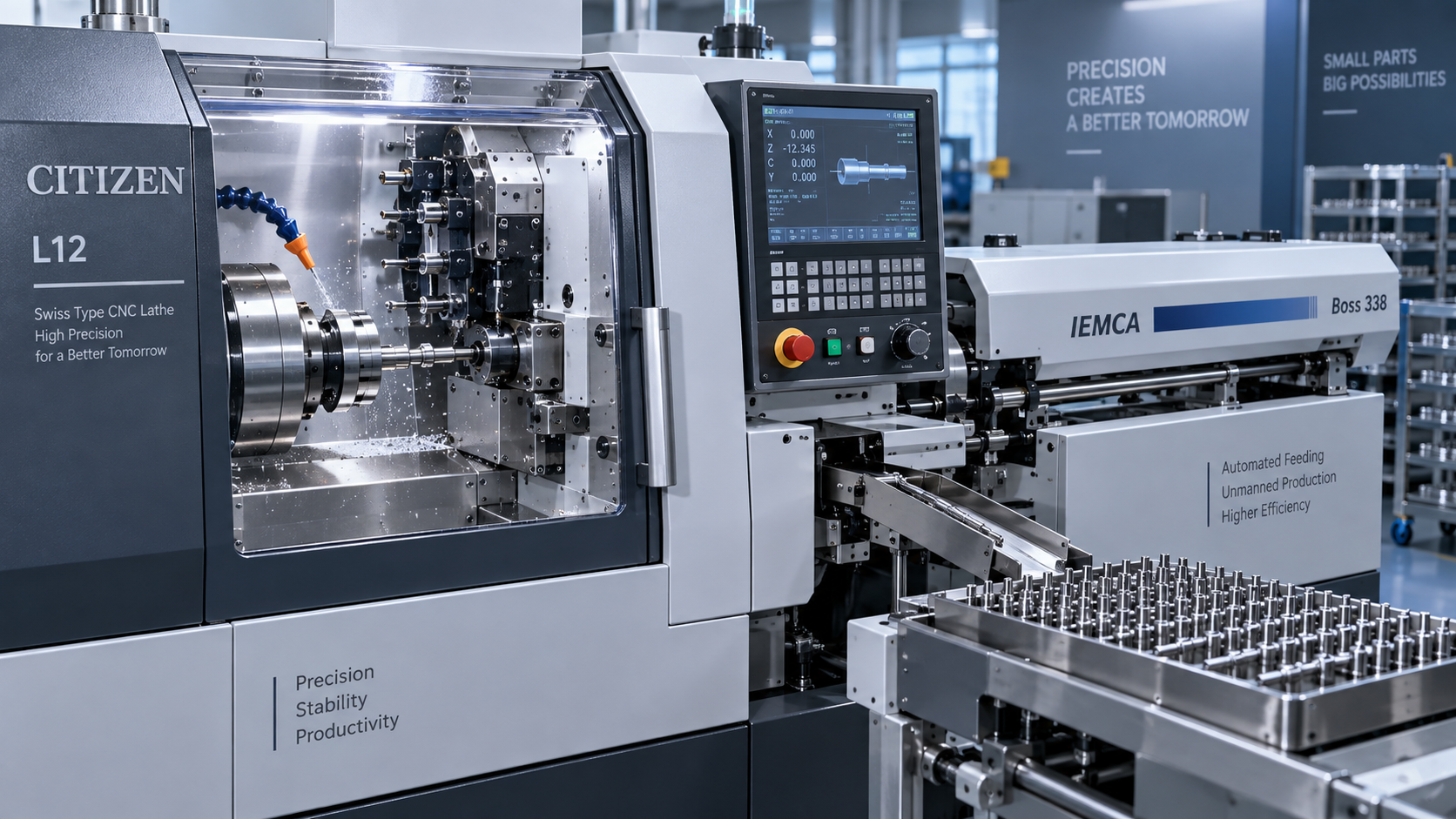
 How to Select a CNC Lathe for Small Parts Without Sacrificing Accuracy or Cycle TimeCNC Machining Technology Center




Aris Katos
Future of Carbide Coatings
15+ years in precision manufacturing systems. Specialized in high-speed milling and aerospace grade alloy processing.
▶
How to Evaluate a Machine Tool Factory Before Sourcing CNC EquipmentGlobal Machine Tool Trade Research Center▶
How to Evaluate a CNC Machine Tool Manufacturer for Precision and Service SupportGlobal Machine Tool Trade Research Center▶
What Affects Cost-Effective CNC Manufacturing? Key Drivers Behind Part Price and Lead TimeGlobal Machine Tool Trade Research Center▶
How to Evaluate a CNC Tooling System Supplier in Germany for Quality, Lead Time, and CostGlobal Machine Tool Trade Research Center▶
How to Evaluate a CNC Tooling System Supplier in Germany for Quality, Lead Time, and SupportGlobal Machine Tool Trade Research Center
Mastering 5-Axis Workholding Strategies
Join our technical panel on Nov 15th to learn about reducing vibrations in thin-wall components.

Providing you with integrated sanding solutions
Before-sales and after-sales services
Comprehensive technical support