• Global CNC market projected to reach $128B by 2028 • New EU trade regulations for precision tooling components • Aerospace deman
NYSE: CNC +1.2%LME: STEEL -0.4%

ISO 230-6:2026 Sets New CNC Thermal Test Rules

On July 15, 2026, ISO/TC 39 put ISO 230-6:2026 into effect, introducing a new compliance baseline for thermal deformation testing of CNC machine tools. The change matters beyond test laboratories: machine builders, exporters, certification-facing teams, procurement functions, and delivery planning for the European market may all be affected because the standard has also been adopted by EU CE certification bodies as a mandatory referenced file. What deserves closer attention is that this is not only a technical update, but a rule change with direct implications for market access and conformity preparation.
What the standard now requires
The confirmed facts are limited but clear. ISO/TC 39 formally implemented ISO 230-6:2026, titled Machine tool test code - Part 6: Methods for the determination of thermal distortion, on July 15, 2026. The new edition for the first time makes a continuous four-hour thermal stability test mandatory under ambient temperature fluctuation conditions of plus or minus 3 degrees Celsius. It also introduces a validation procedure for AI-assisted thermal drift compensation algorithms.
The same standard has been adopted by EU CE certification bodies as EN ISO 230-6:2026 for mandatory reference. According to the event summary provided, equipment that does not meet this requirement will not be able to obtain the CE mark for entry into the European market.
Where the commercial impact is likely to appear first
For machine tool manufacturers, testing becomes part of market access preparation
From an industry perspective, manufacturers are likely to feel the impact first because the new requirements are tied directly to product verification and CE-related conformity work. The practical pressure point is not only whether a machine can perform in use, but whether its thermal behavior can be demonstrated under the specified test conditions and whether any AI-assisted compensation function can pass the required validation procedure. This may affect pre-certification testing, technical file preparation, and shipment readiness for products intended for Europe.
For exporters and sales channels, CE eligibility becomes a transaction condition
Export-oriented businesses and channel partners may need to treat compliance with EN ISO 230-6:2026 as a front-end commercial condition rather than a back-end documentation issue. Analysis shows that where CE marking is required for entry, the inability to show compliance could affect quotations, order confirmation, delivery commitments, and customs-facing transaction planning tied to the European market. In commercial practice, this raises the importance of checking whether technical offers, product declarations, and customer-facing compliance claims are aligned with the new testing rule.
For buyers and sourcing teams, specification alignment may tighten
Procurement teams purchasing CNC machine tools, especially for projects involving export, cross-border installation, or CE-dependent delivery, may need to review whether supplier qualification and acceptance criteria reflect the new standard. Observably, the change may move thermal deformation testing and related validation evidence closer to bid documents, purchase specifications, acceptance checklists, and supplier document requests. The immediate implication is less about price movement and more about whether sourced equipment can clear downstream certification and delivery requirements.
For certification and testing service providers, document review may become more detailed
Certification-related companies and testing institutions may face more detailed review work around test conditions, test duration, and validation records for AI-assisted compensation methods. Based on the provided facts, the confirmed change is the new mandatory test requirement and the standard's CE-linked referenced status; any broader enforcement pattern still requires observation. Even so, service providers involved in conformity assessment may need to pay closer attention to whether client documentation, test reports, and supporting technical records clearly match the updated standard language.
What companies should review now
Check whether existing conformity files still match the new reference
Analysis shows that companies already selling or preparing to sell CNC machine tools into Europe should first verify whether their current conformity documentation, test reports, and technical files are built against an earlier test basis. If so, the key issue is whether those materials remain usable once EN ISO 230-6:2026 is the mandatory referenced document for CE-related work.
Review test capability against the new thermal stability conditions
What deserves closer attention is the operational side of compliance. The event summary specifies a continuous four-hour thermal stability test under ambient temperature fluctuation of plus or minus 3 degrees Celsius. Companies may therefore need to review whether internal or external testing arrangements can support that requirement and whether the resulting records are suitable for certification review. This is a practical compliance question, not merely a standards interpretation issue.
Examine how AI-assisted compensation is described and evidenced
The introduction of a validation procedure for AI-assisted thermal drift compensation algorithms means companies using such functions should pay attention to how those features are documented, tested, and presented in technical materials. Since the provided information does not include detailed execution criteria, it would be premature to assume a uniform review method. Still, product teams, compliance teams, and certification-facing staff should monitor how this validation requirement is reflected in technical documentation and assessment practice.
Watch contract and delivery language for Europe-bound orders
For orders tied to the European market, businesses may need to review contract language, delivery conditions, and customer documentation requirements to ensure that CE-related compliance assumptions remain accurate. Observably, where equipment has not yet been tested or documented under the new standard, the commercial risk may emerge at the handover stage rather than the order stage. That makes early document screening and supplier coordination more relevant for delivery planning.
Why this looks like a live compliance signal
From an industry perspective, this development is more appropriate to understand as an already effective rule change with direct certification relevance, rather than as a distant standards discussion. The effective date is clear, the new technical testing obligations are stated, and the linkage to CE market access has been identified in the provided event summary.
At the same time, analysis also shows that several practical points still need observation. The input does not provide detailed enforcement guidance, review timing, or document templates. For that reason, companies should not overstate certainty about how every certification case will be handled. Continued attention is likely to focus on certification interpretation, tender specification updates, technical file expectations, and how market participants adjust their compliance workflows.
How this change is best understood at this stage
The immediate significance of ISO 230-6:2026 lies in the fact that thermal deformation testing for CNC machine tools is now tied more directly to conformity preparation and European market entry. The confirmed facts support a practical reading: this is not only a revision of measurement methodology, but a standards change that may affect testing, certification preparation, procurement screening, and export delivery coordination.
Current observation suggests that the event is best understood as a rule that has already landed, while its exact implementation practices still warrant continued monitoring. A measured response is therefore more appropriate than broad conclusions: companies with Europe-facing business should focus first on document alignment, test readiness, and certification communication.
Basis of this article and points that still require verification
This article is based on the user-provided news title, event date, and event summary. For events of this kind, commonly relevant source categories may include official notices, regulator communications, trade or customs authority information, industry association materials, standards organization documents, and reporting by established professional media. No specific official source link was provided in the input, so the underlying official publication path still needs to be verified on an ongoing basis.
Further observation is also needed on detailed certification interpretation, implementation wording used by assessment bodies, changes in tender or procurement documents, industry feedback, and how companies execute testing and documentation updates in practice. Any conclusions beyond the confirmed facts should therefore be treated as analysis rather than established outcome.
PREVIOUS ARTICLE
NEXT ARTICLE
Recommended for You
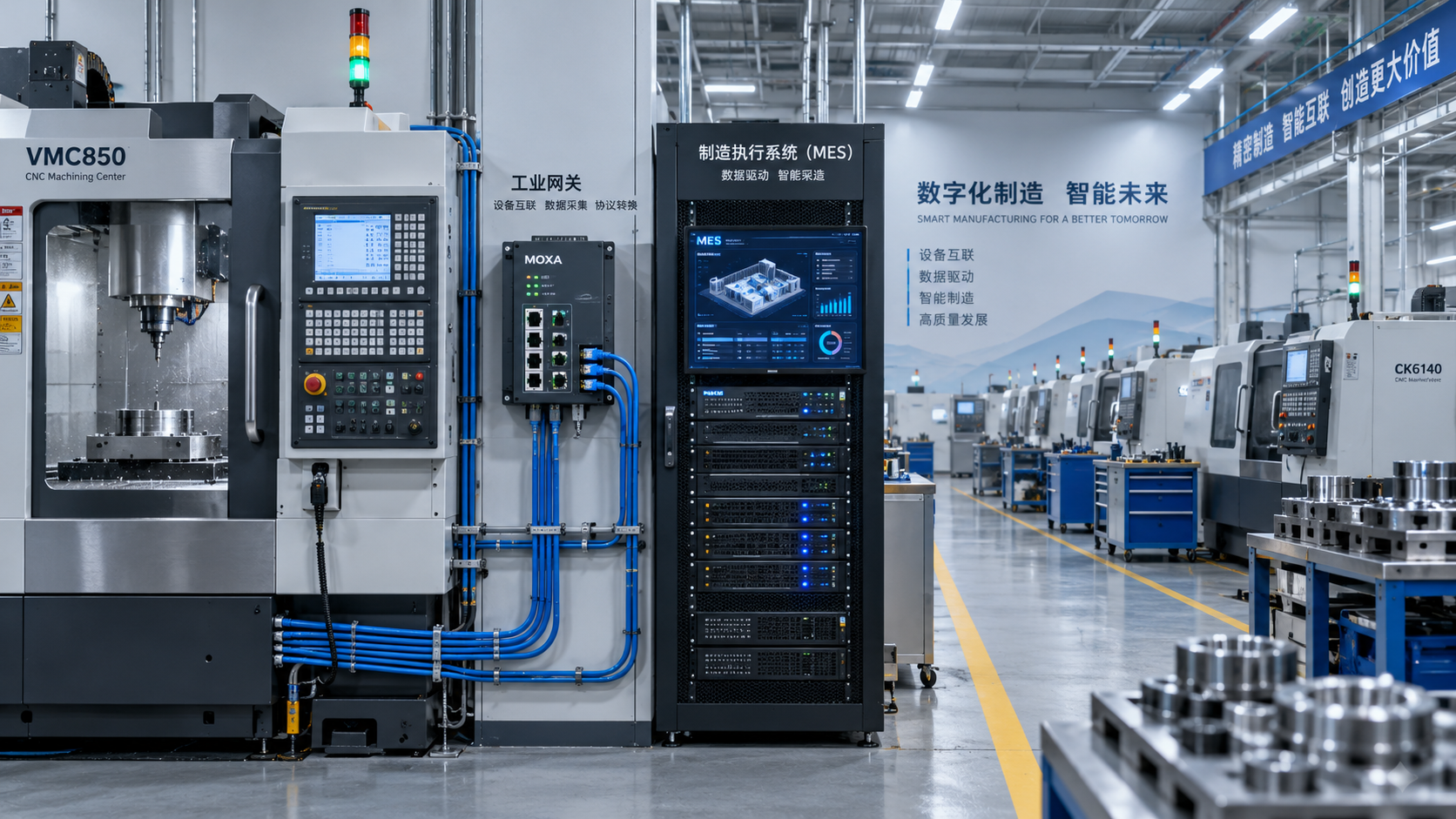
 Digital Manufacturing for Smart Factories: Connecting Legacy Machines to MESMachine Tool Industry Editorial Team
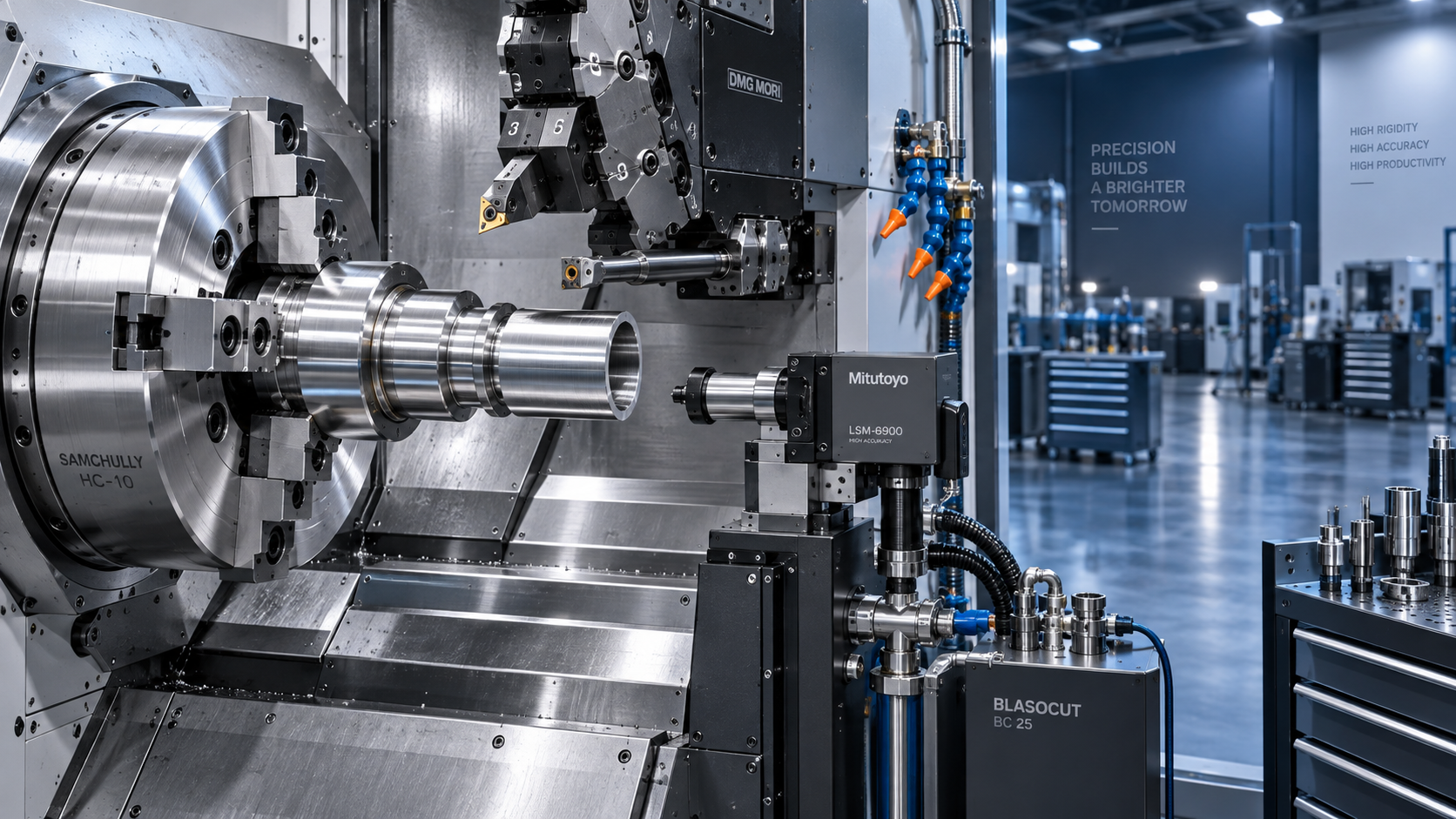
 How to Select a CNC Metal Lathe for Tight-Tolerance Shaft and Sleeve PartsCNC Machining Technology Center
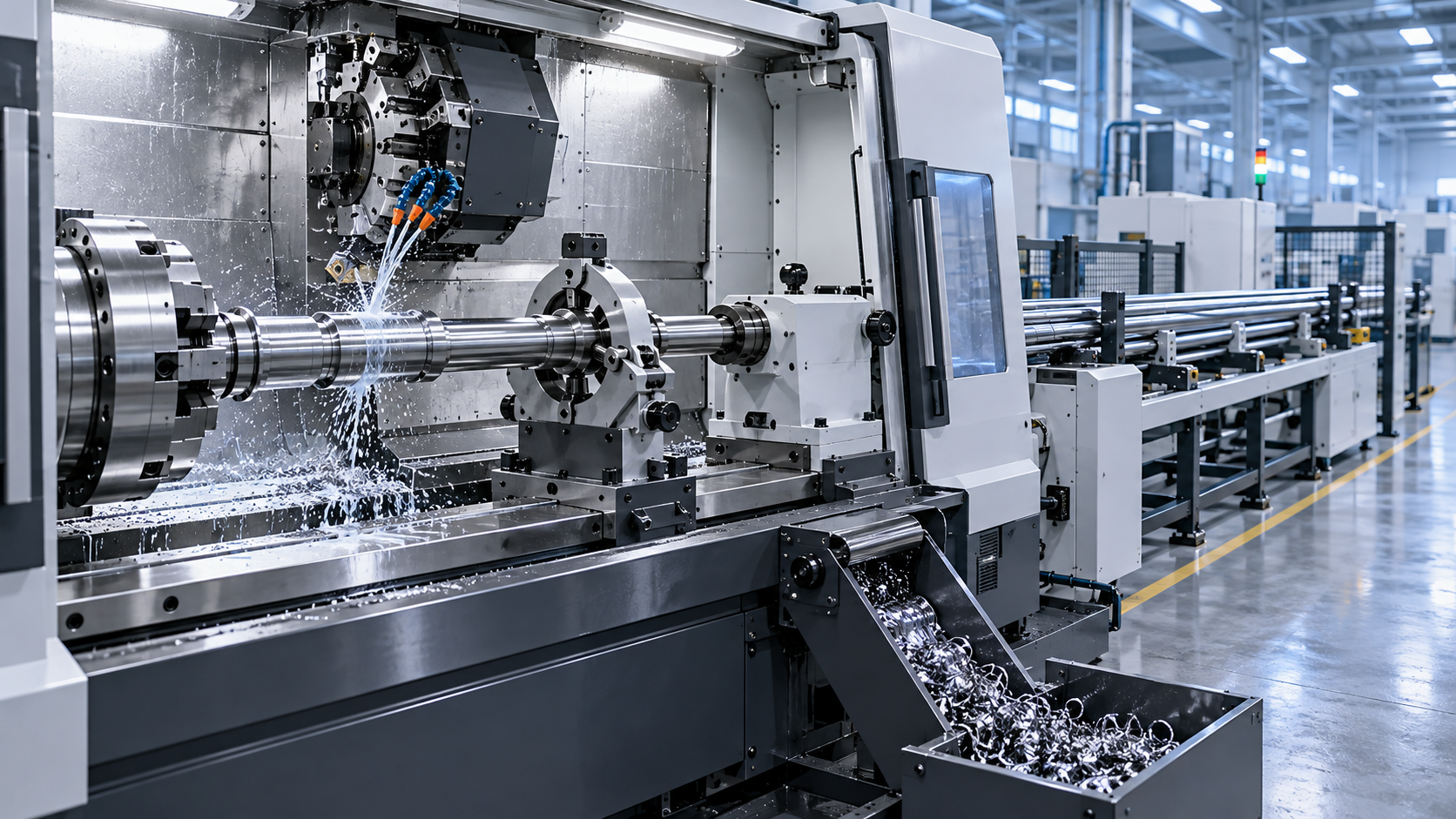
 How to Select an Industrial Lathe for High-Volume Shaft ProductionMachine Tool Industry Editorial Team
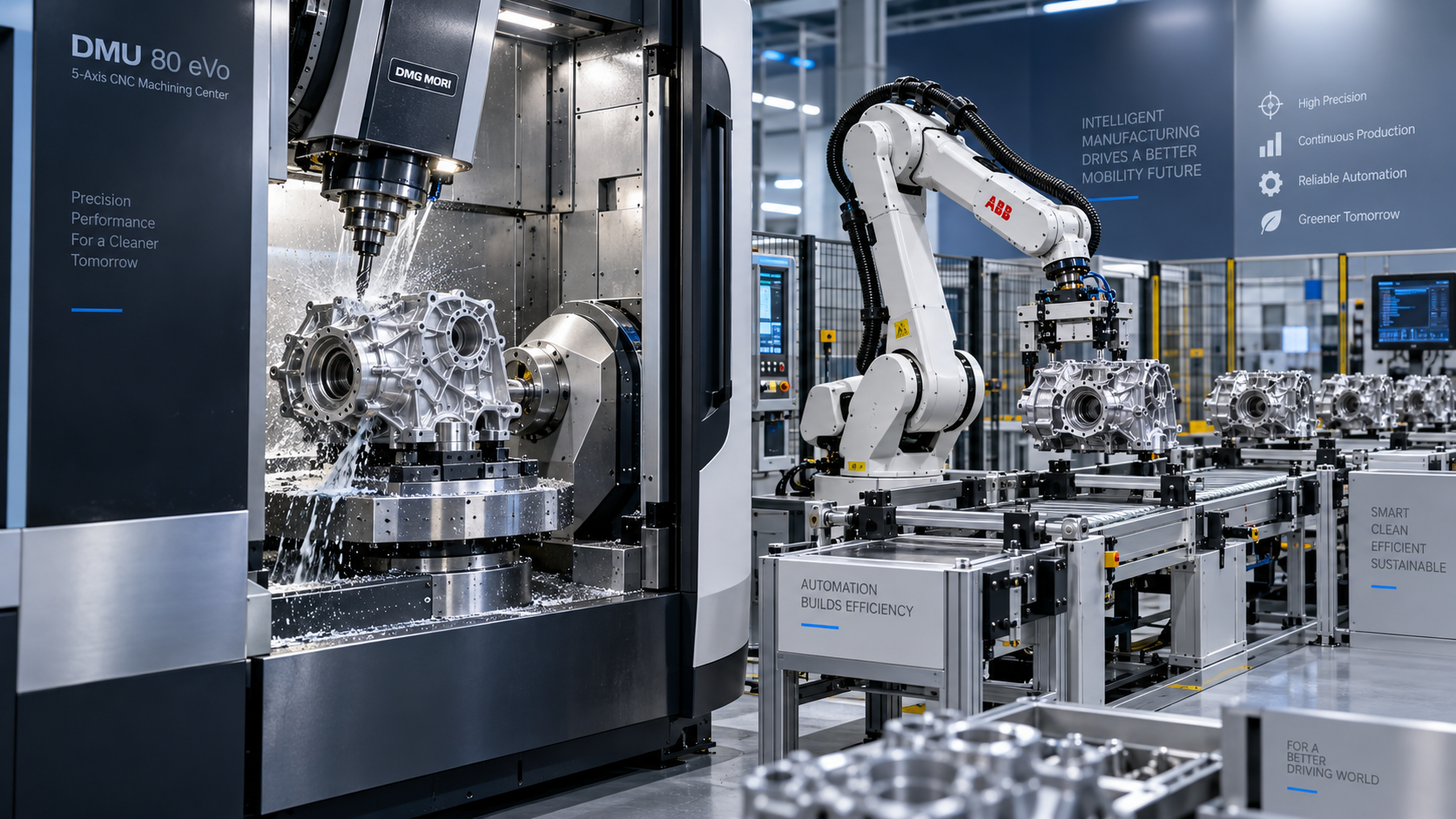
 Selecting Machine Tools for Automotive Parts: Accuracy, Throughput, and AutomationMachine Tool Industry Editorial Team
 Industrial Machining: Selecting Processes for Tight-Tolerance Metal PartsCNC Machining Technology Center
 Manufacturing Technology Trends That Improve Throughput and Quality ControlManufacturing Market Research Center


Aris Katos
Future of Carbide Coatings
15+ years in precision manufacturing systems. Specialized in high-speed milling and aerospace grade alloy processing.
▶
Digital Manufacturing for Smart Factories: Connecting Legacy Machines to MESMachine Tool Industry Editorial Team▶
How to Select a CNC Metal Lathe for Tight-Tolerance Shaft and Sleeve PartsCNC Machining Technology Center▶
How to Select an Industrial Lathe for High-Volume Shaft ProductionMachine Tool Industry Editorial Team▶
Selecting Machine Tools for Automotive Parts: Accuracy, Throughput, and AutomationMachine Tool Industry Editorial Team▶
Industrial Machining: Selecting Processes for Tight-Tolerance Metal PartsCNC Machining Technology Center
Mastering 5-Axis Workholding Strategies
Join our technical panel on Nov 15th to learn about reducing vibrations in thin-wall components.

Providing you with integrated sanding solutions
Before-sales and after-sales services
Comprehensive technical support