• Global CNC market projected to reach $128B by 2028 • New EU trade regulations for precision tooling components • Aerospace deman
NYSE: CNC +1.2%LME: STEEL -0.4%

CNC Technology vs Conventional Machining: What Changes in Tolerance and Throughput?
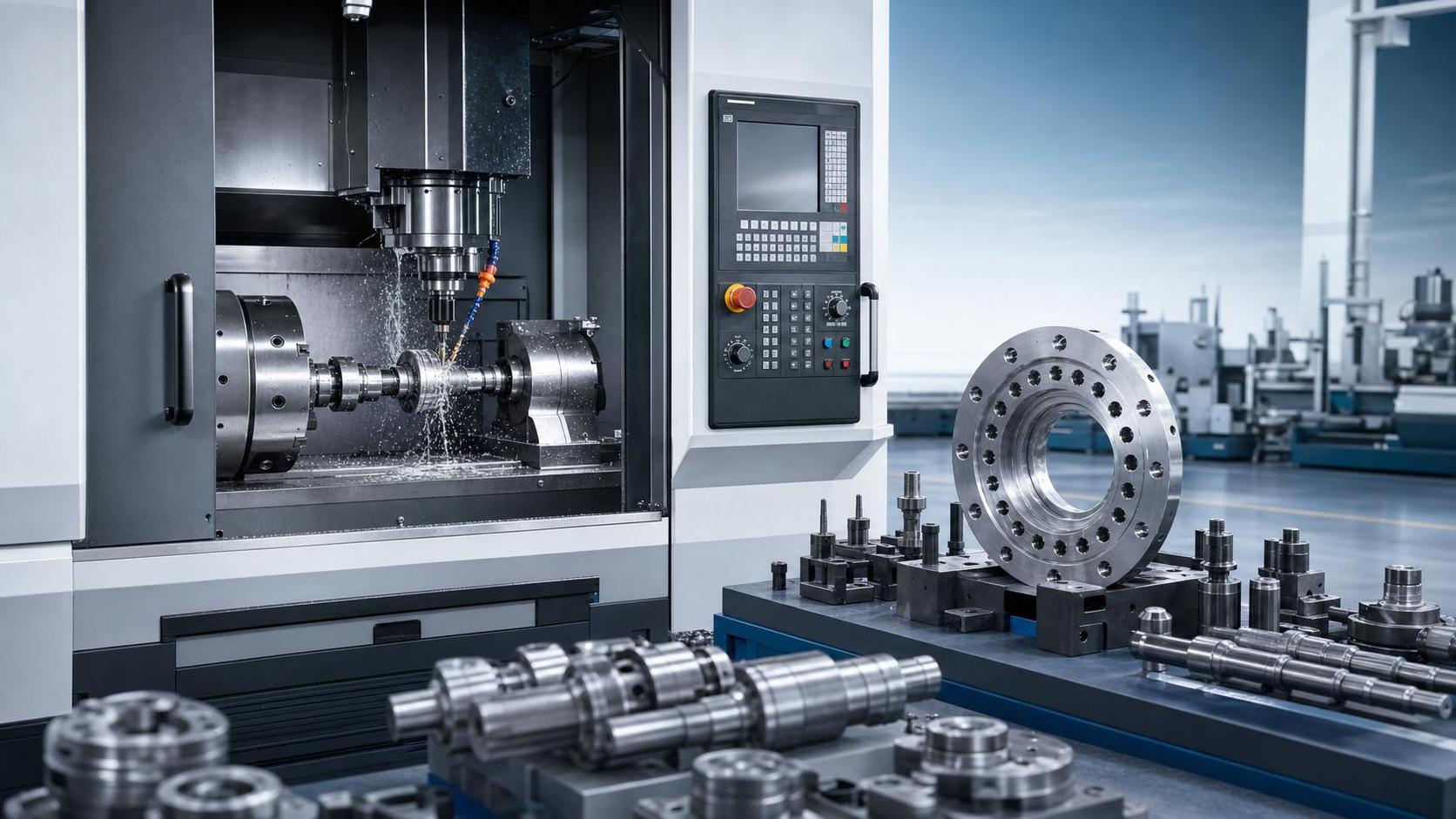
CNC Technology vs Conventional Machining: What Changes in Tolerance and Throughput?
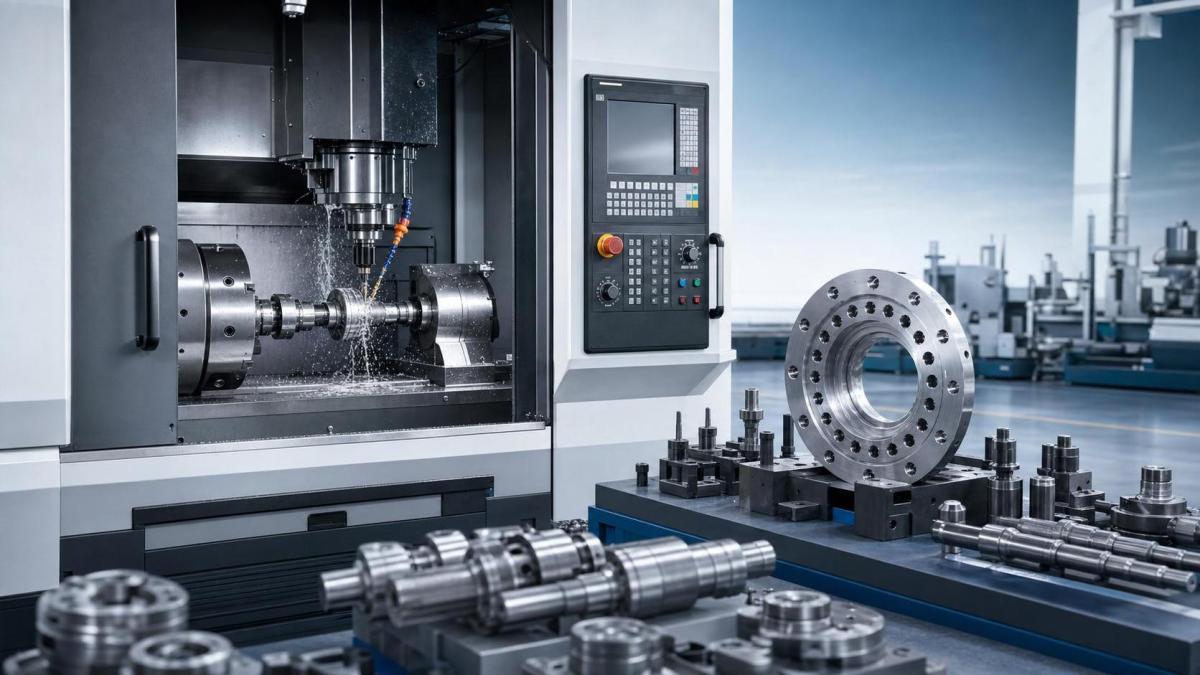
For many manufacturers, the move to CNC technology is no longer optional.
It changes how parts are made, how fast orders move, and how stable quality remains across batches.
That matters most when tolerance targets tighten and delivery pressure keeps rising.
Conventional machining still has value.
In repair work, simple parts, and low-volume jobs, manual machines can stay practical and cost-effective.
But once repeatability, traceability, and scaling become business priorities, the comparison shifts quickly.
The real decision is not only about automation.
It is about whether your production system can hold consistent accuracy while increasing output without losing margin.
That is where CNC technology and conventional machining begin to separate in measurable ways.
Tolerance Control: Where CNC Technology Creates the Biggest Gap
Tolerance is often the first decision point in machining selection.
If a part requires stable dimensions across dozens or thousands of units, CNC technology usually holds the advantage.
A manual process depends heavily on operator skill, setup consistency, and measurement discipline.
That can work well for experienced shops, but variation tends to rise as complexity increases.
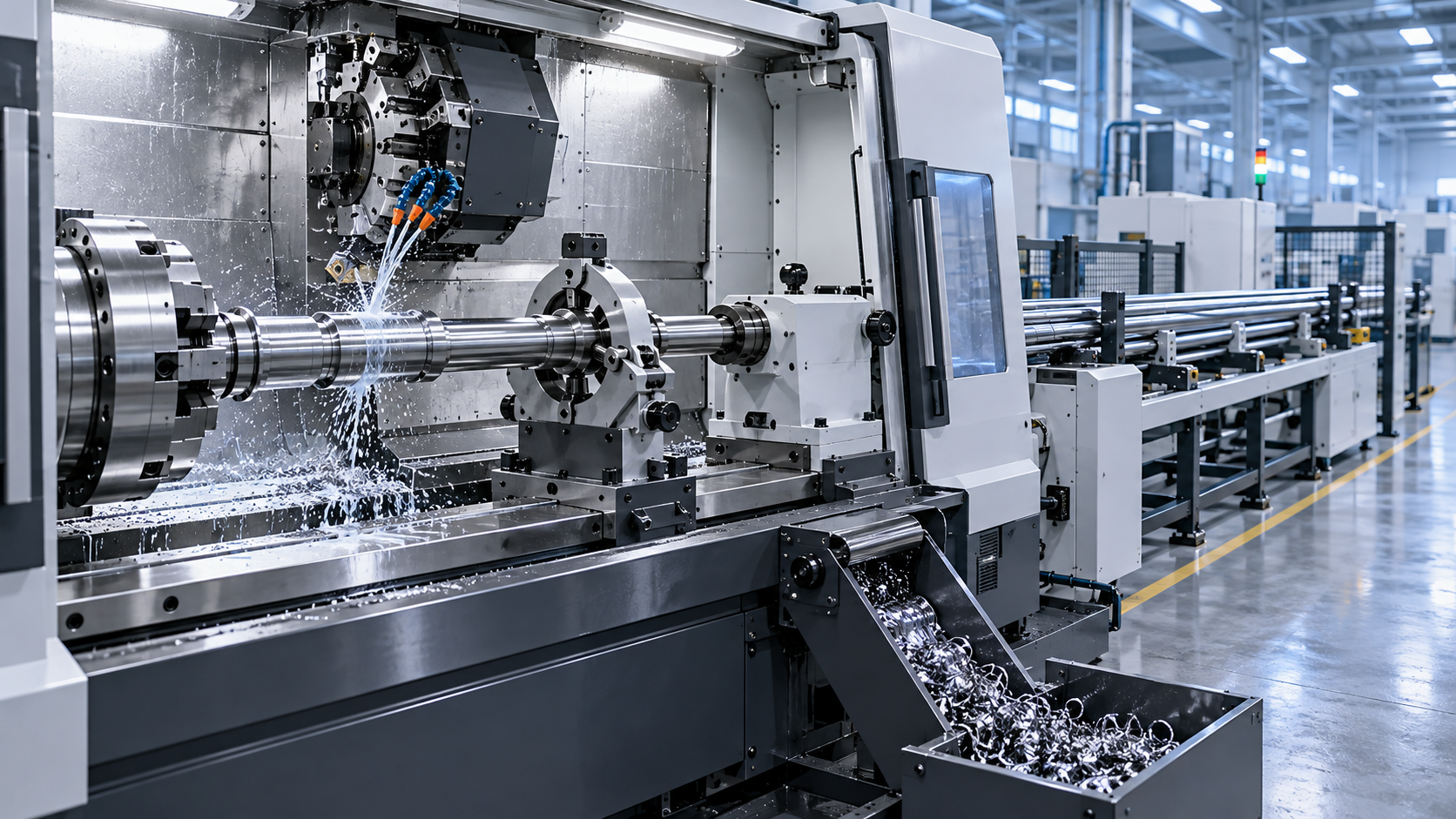
CNC technology improves tolerance control through programmed motion, repeatable tool paths, and tighter process control.
The machine executes the same instructions repeatedly, reducing dependence on manual adjustment between parts.
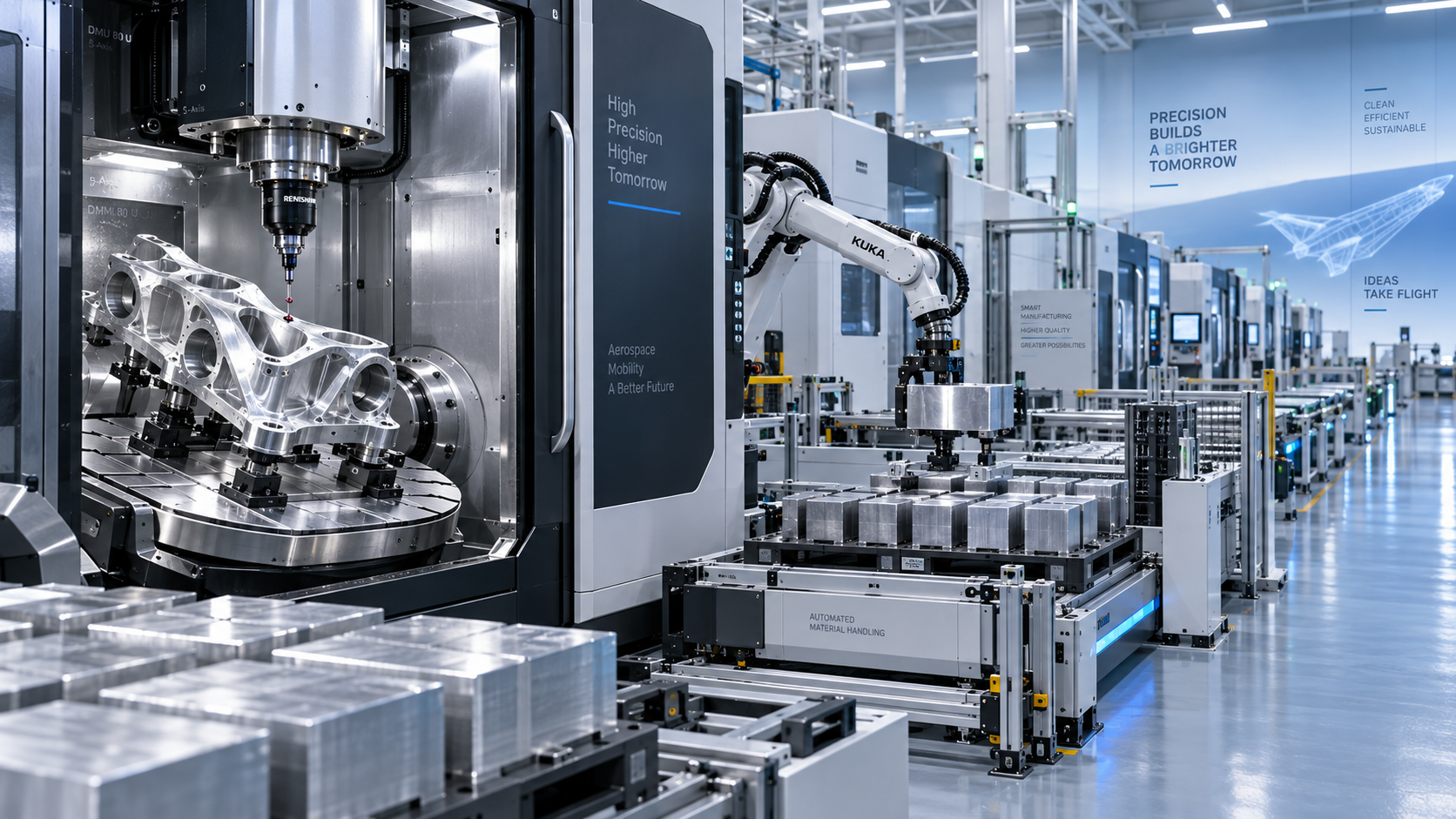
This is especially important for aerospace fittings, automotive shafts, precision discs, and electronic housings.
In those applications, a small deviation can affect assembly fit, vibration behavior, or downstream performance.
- Manual machining can be sufficient for broader tolerances and simpler geometries.
- CNC technology is stronger when tolerance windows are narrow and repeatability must stay stable over time.
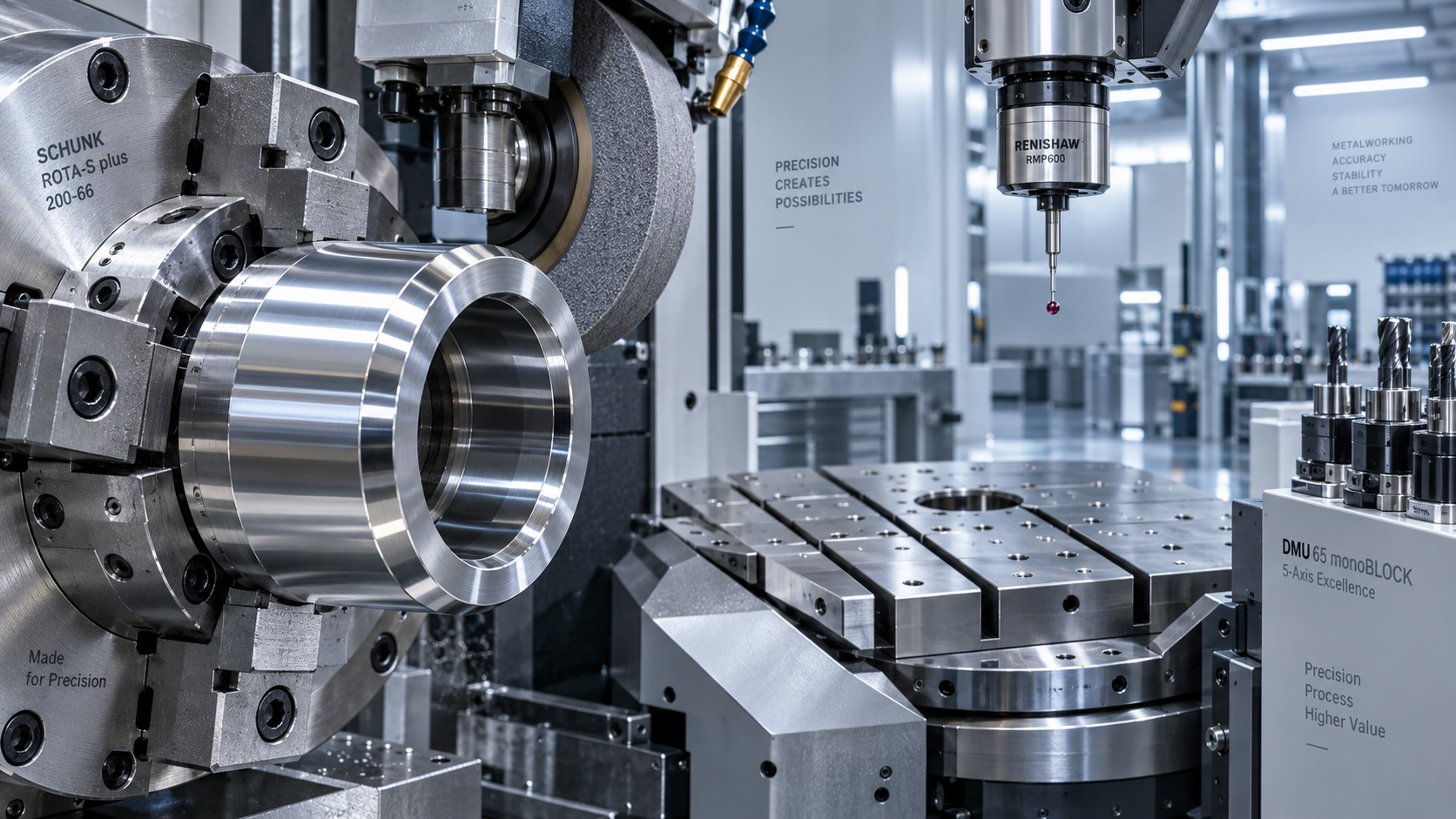
- Multi-axis CNC systems further reduce repositioning errors on complex parts.
From a business view, tolerance consistency lowers scrap, rework, and customer complaints.
It also reduces the hidden cost of inspection bottlenecks and delayed shipment approvals.
Throughput: Speed Is Not Just Cycle Time
Throughput is often misunderstood as spindle speed or cutting speed alone.
In practice, throughput includes setup time, changeover frequency, operator intervention, inspection flow, and machine utilization.
This is where CNC technology changes the production equation.
Once a program is validated, repeat jobs can run faster with fewer manual resets.
Tool offsets, fixture positions, and cutting sequences stay documented and reusable.
Conventional machining usually slows down when production volume rises.
The process becomes harder to standardize, and output depends on who is operating the machine that day.
CNC technology supports faster throughput because it reduces variability around each part-making step.
That gain becomes clearer in batch production, frequent repeat orders, and mixed-model manufacturing.
Typical Throughput Differences
That said, CNC technology does not automatically guarantee higher throughput.
Poor programming, unstable tooling, or weak fixture design can still limit performance.
The machine is only one part of the system.
Cost Impact: Upfront Investment vs Operational Return
The cost discussion usually starts with capital expenditure.
CNC technology requires a larger upfront investment in machines, software, tooling, and training.
Conventional machines are cheaper to acquire and simpler to deploy for basic work.
But purchasing cost alone rarely tells the full story.
In actual operations, cost per part matters more than machine price.
CNC technology often reduces unit cost when production volume is moderate to high.
It does so through lower scrap, less rework, shorter cycle planning, and fewer labor hours per repeat order.
The return becomes more visible when quality claims are expensive or delivery reliability affects contracts.
This is common in automotive, energy equipment, and export manufacturing.
Where the Financial Difference Usually Appears
- Higher dimensional consistency lowers rejection rates.
- Faster repeat setups improve machine availability.
- Digital programs reduce tribal knowledge risk.
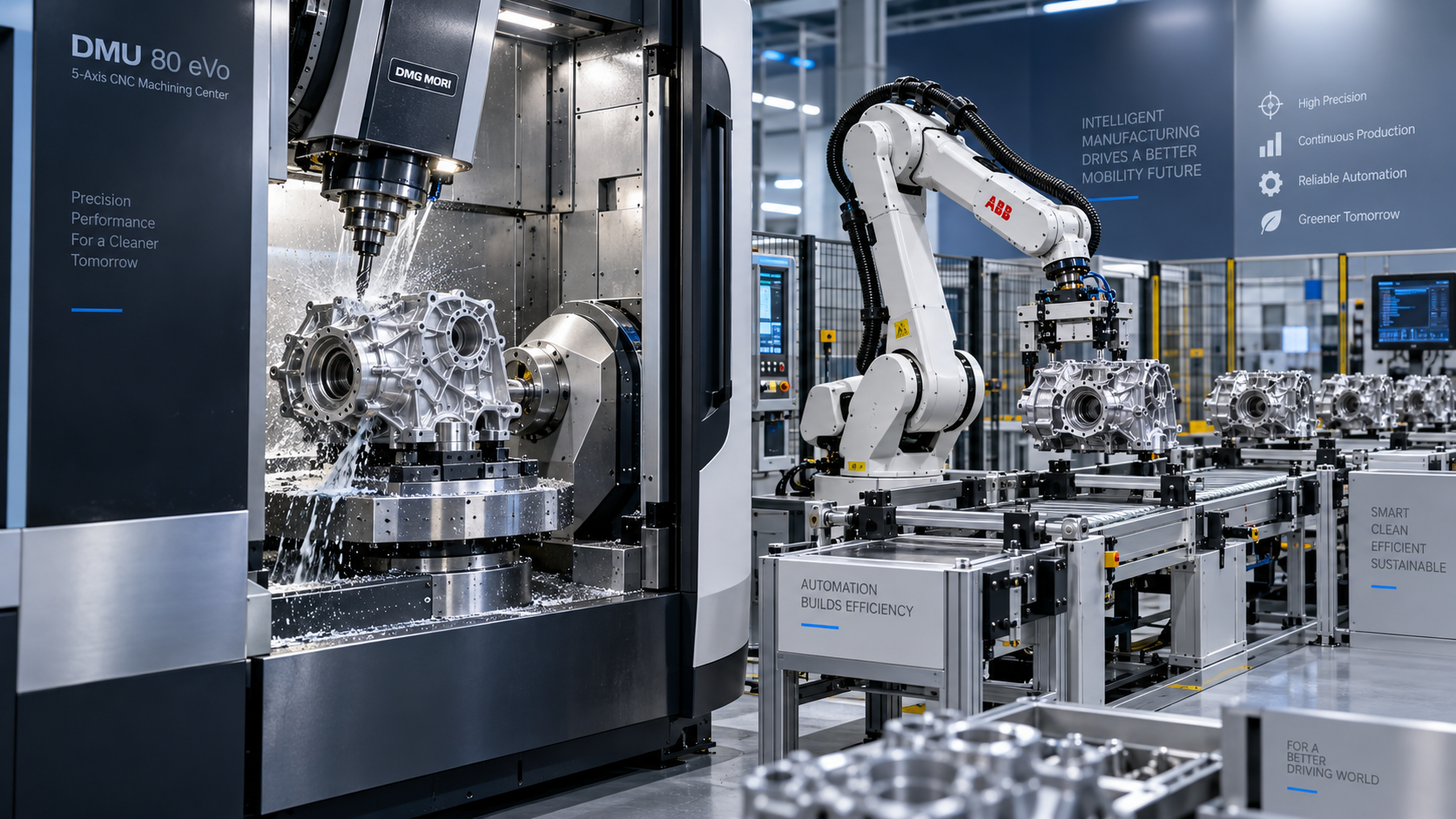
- Automation compatibility supports future expansion.
- Production data improves planning and quoting accuracy.
A small shop with irregular custom jobs may not recover CNC investment quickly.
A supplier handling recurring precision work usually sees the economics much sooner.
Application Fit: When Conventional Machining Still Makes Sense
The rise of CNC technology does not eliminate conventional machining.
It simply narrows the situations where manual methods are the better choice.
Conventional machining remains useful in several cases:
- One-off repairs where setup speed matters more than repeatability.
- Simple geometries with loose tolerances.
- Prototype adjustments requiring frequent manual judgment.
- Low-budget operations with limited production complexity.
Even so, once product designs become more complex, those advantages fade.
Internal channels, compound angles, contour surfaces, and strict matching dimensions usually favor CNC technology.
That is why many factories now run hybrid production models.
They keep manual equipment for support tasks while moving core production to CNC machining centers or CNC lathes.
Decision Framework: How to Choose the Right Machining Route
A sound machining decision starts with the production profile, not with machine preference.
The most useful questions are practical and measurable.
- How tight are the tolerance requirements?
- How often will the part repeat?
- How complex is the geometry?
- What is the cost of scrap or delayed delivery?
- Will the process need automation later?
If the answers point toward repeatability, documented workflows, and scalable output, CNC technology is usually the stronger long-term choice.
If the work is occasional, simple, and highly variable, conventional machining may still be enough.
From recent industry shifts, the clearer signal is integration.
CNC technology now fits more naturally into digital planning, quality tracking, and flexible production lines.
That also means the decision affects future manufacturing options, not only today’s part output.
Final Takeaway
When comparing CNC technology with conventional machining, the biggest differences show up in tolerance stability and throughput consistency.
Manual methods still serve useful roles, especially in simple or one-off work.
But for precision parts, growing order volumes, and quality-sensitive industries, CNC technology usually delivers stronger operational control.
The smartest next step is to review current part families, tolerance bands, batch sizes, and rework costs together.
That assessment will show whether CNC technology is a selective upgrade or the right foundation for broader manufacturing growth.
Recommended for You
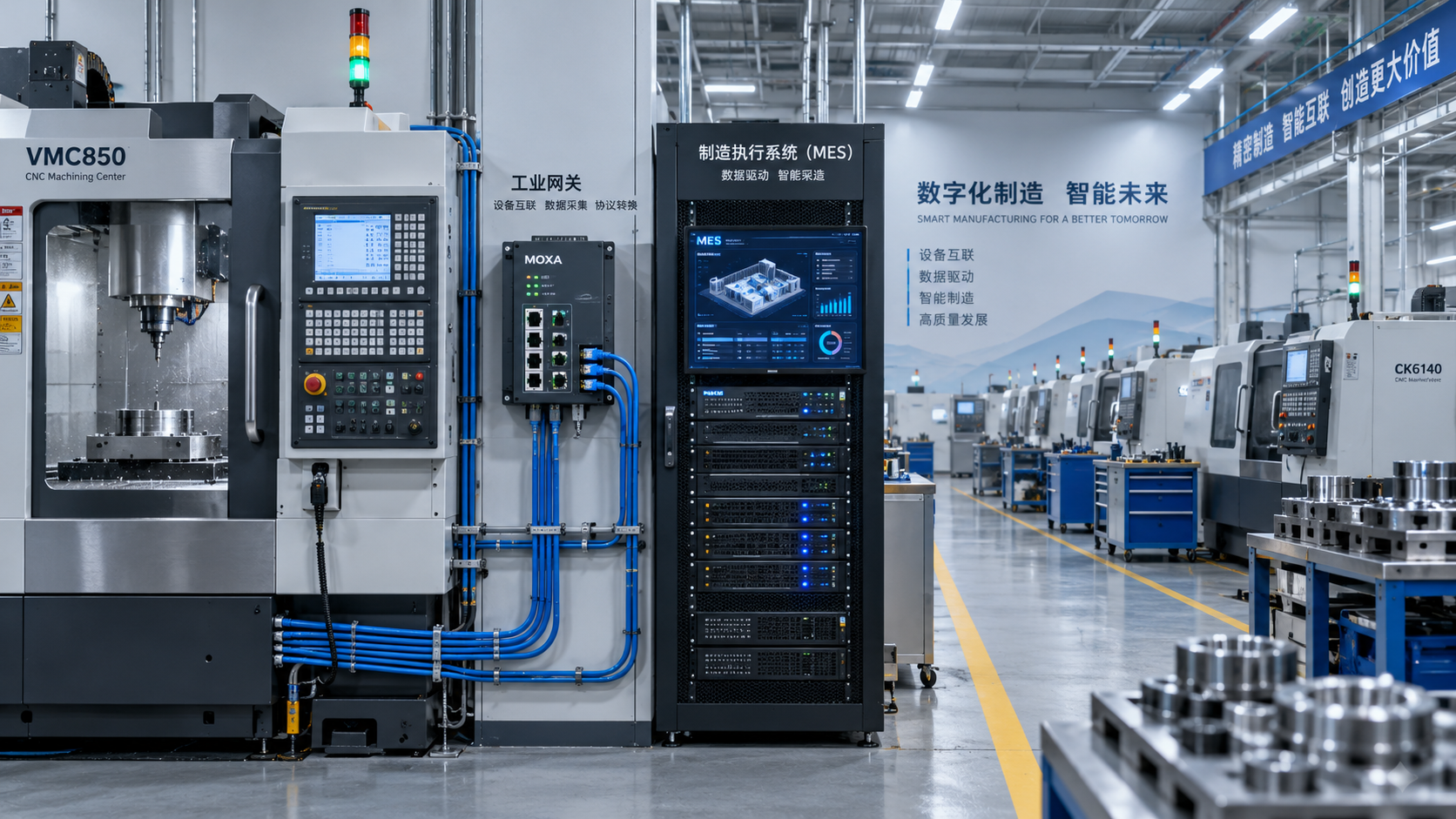
 Digital Manufacturing for Smart Factories: Connecting Legacy Machines to MESMachine Tool Industry Editorial Team
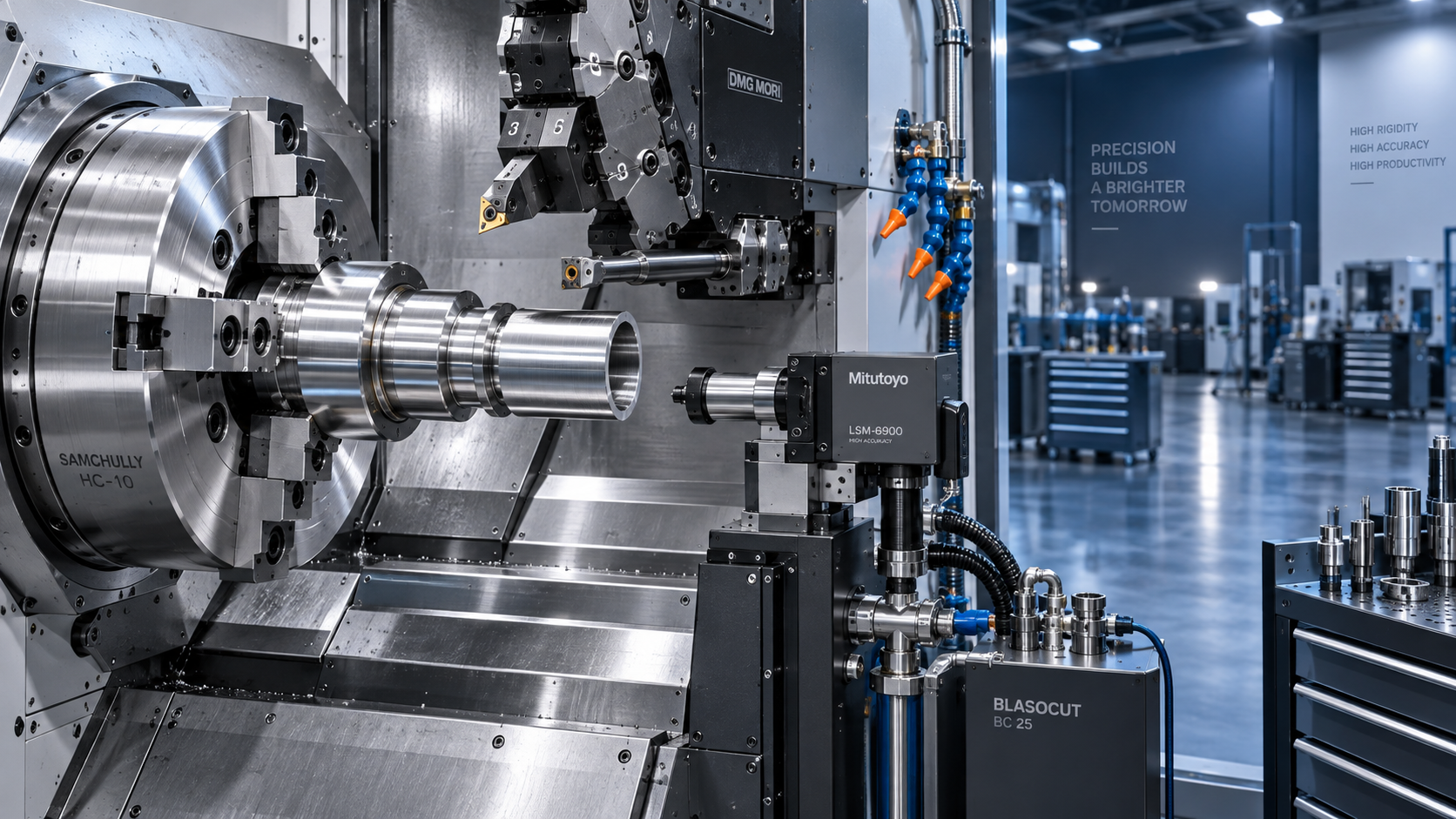
 How to Select a CNC Metal Lathe for Tight-Tolerance Shaft and Sleeve PartsCNC Machining Technology Center
 How to Select an Industrial Lathe for High-Volume Shaft ProductionMachine Tool Industry Editorial Team
 Selecting Machine Tools for Automotive Parts: Accuracy, Throughput, and AutomationMachine Tool Industry Editorial Team
 Industrial Machining: Selecting Processes for Tight-Tolerance Metal PartsCNC Machining Technology Center
 Manufacturing Technology Trends That Improve Throughput and Quality ControlManufacturing Market Research Center

Aris Katos
Future of Carbide Coatings
15+ years in precision manufacturing systems. Specialized in high-speed milling and aerospace grade alloy processing.
▶
Is Learning CNC Programming Worth It for Shop Owners Seeking Higher Margins?CNC Machining Technology Center▶
How to Select CNC Equipment for High-Mix, Low-Volume ProductionCNC Machining Technology Center▶
Can CNC Machining Inconel Control Tool Wear in High-Temperature Aerospace Parts?CNC Machining Technology Center▶
How Automated Precision Machining Maintains Tolerance in High-Mix ProductionCNC Machining Technology Center▶
CNC Programming Explained: From CAD Models to Reliable Shop-Floor ToolpathsCNC Machining Technology Center
Mastering 5-Axis Workholding Strategies
Join our technical panel on Nov 15th to learn about reducing vibrations in thin-wall components.

Providing you with integrated sanding solutions
Before-sales and after-sales services
Comprehensive technical support