• Global CNC market projected to reach $128B by 2028 • New EU trade regulations for precision tooling components • Aerospace deman
NYSE: CNC +1.2%LME: STEEL -0.4%

Industrial Automation Costs More Up Front, But Where?
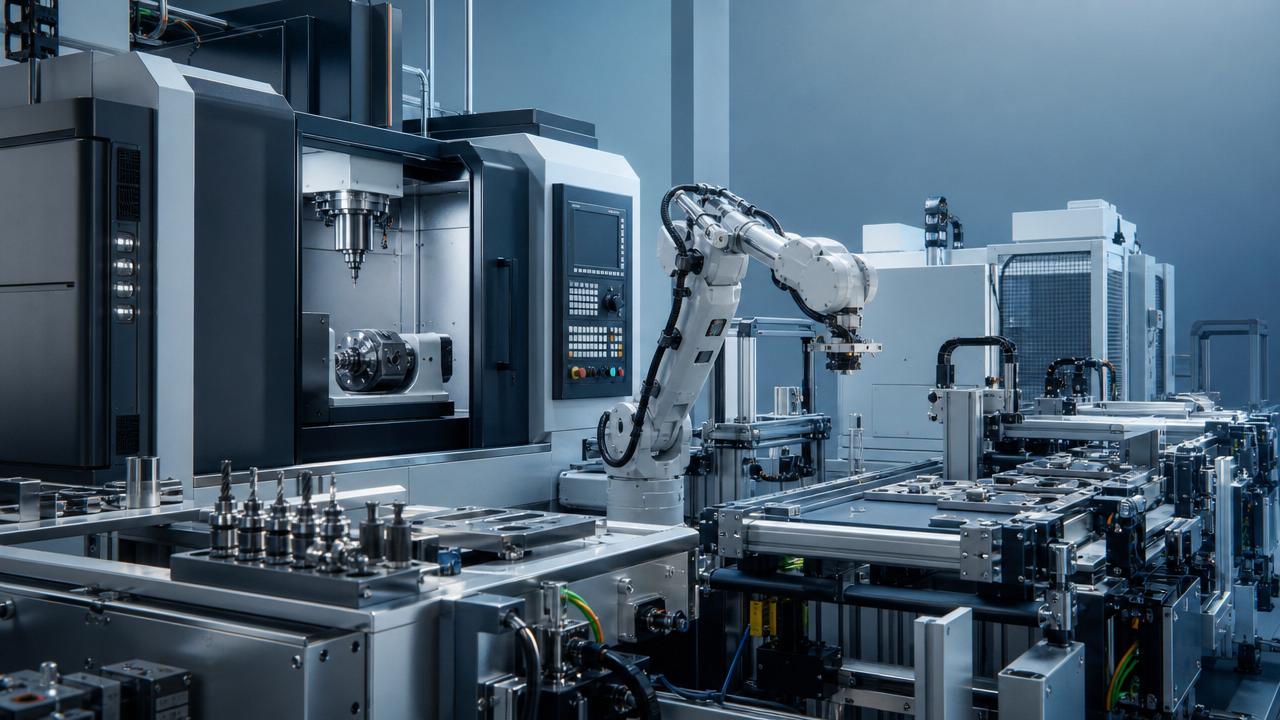
Industrial Automation often looks expensive at the purchase stage, but finance leaders rarely lose deals because a robot or CNC system seems costly in isolation. The harder question is where the upfront burden actually sits, how much of it is visible on a quotation, and which cost layers tend to be underestimated during approval.
For financial decision-makers in manufacturing, the answer is clear: the largest early costs are usually not limited to the machine itself. They concentrate across equipment, integration, software, tooling, facility adaptation, workforce readiness, and production disruption during ramp-up. Understanding this distribution is what turns Industrial Automation from a capital expense debate into a measurable investment case.
In CNC machining, precision manufacturing, and automated production lines, this matters even more. A machining center, robot cell, or flexible line may promise labor savings and higher throughput, but the real ROI depends on whether the business has correctly scoped the hidden and adjacent costs before implementation begins.
Where do Industrial Automation costs really concentrate?
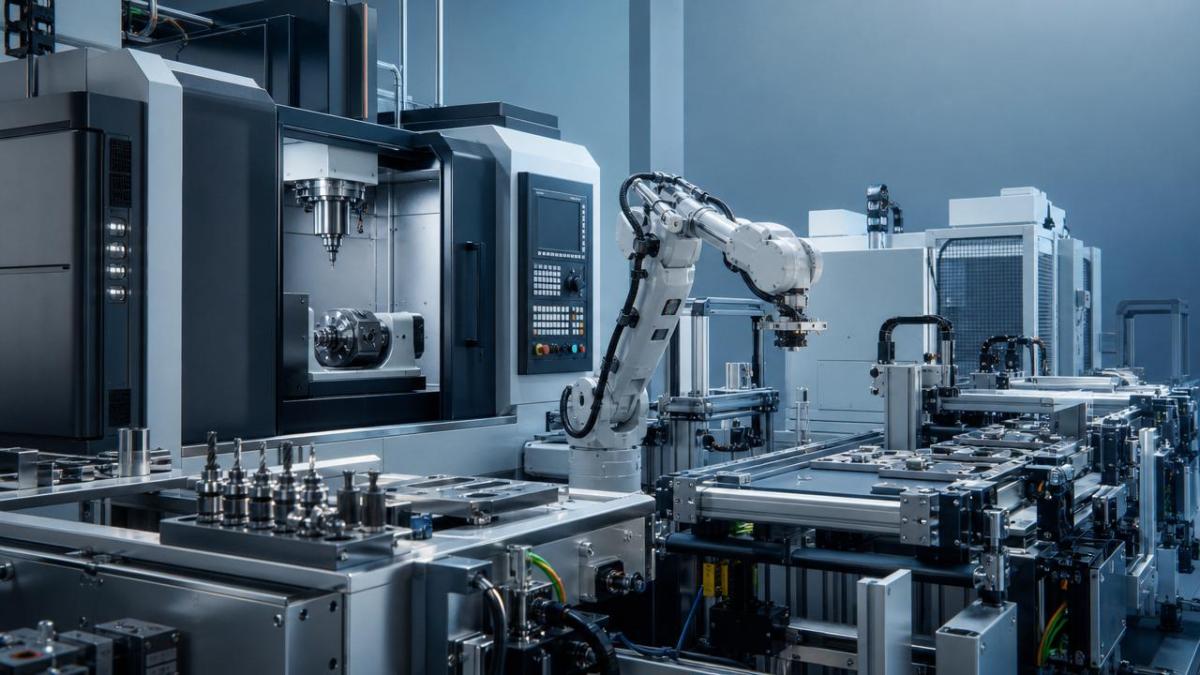
When companies evaluate Industrial Automation, they often anchor on the headline equipment price. That is only one part of the upfront picture. In most projects, spending clusters into six main buckets, each affecting approval, risk, and eventual payback.
First comes core equipment: CNC machine tools, robots, conveyors, sensors, controllers, vision systems, and safety hardware. This is the most visible portion because suppliers quote it directly. In some projects, it represents the majority of initial capex. In others, especially retrofit or multi-system automation, it is only the beginning.
Second is integration. This includes system design, electrical work, PLC programming, machine communication, process synchronization, and startup support. For finance teams, integration is often the least intuitive cost category, yet it can consume a large share of the total budget because it turns separate assets into one functioning production system.
Third is software and digital infrastructure. Manufacturers increasingly need MES connectivity, SCADA layers, machine monitoring, scheduling tools, digital quality tracking, cybersecurity controls, and data storage. These items may seem secondary compared with hardware, but without them, automation often fails to deliver expected visibility and control.
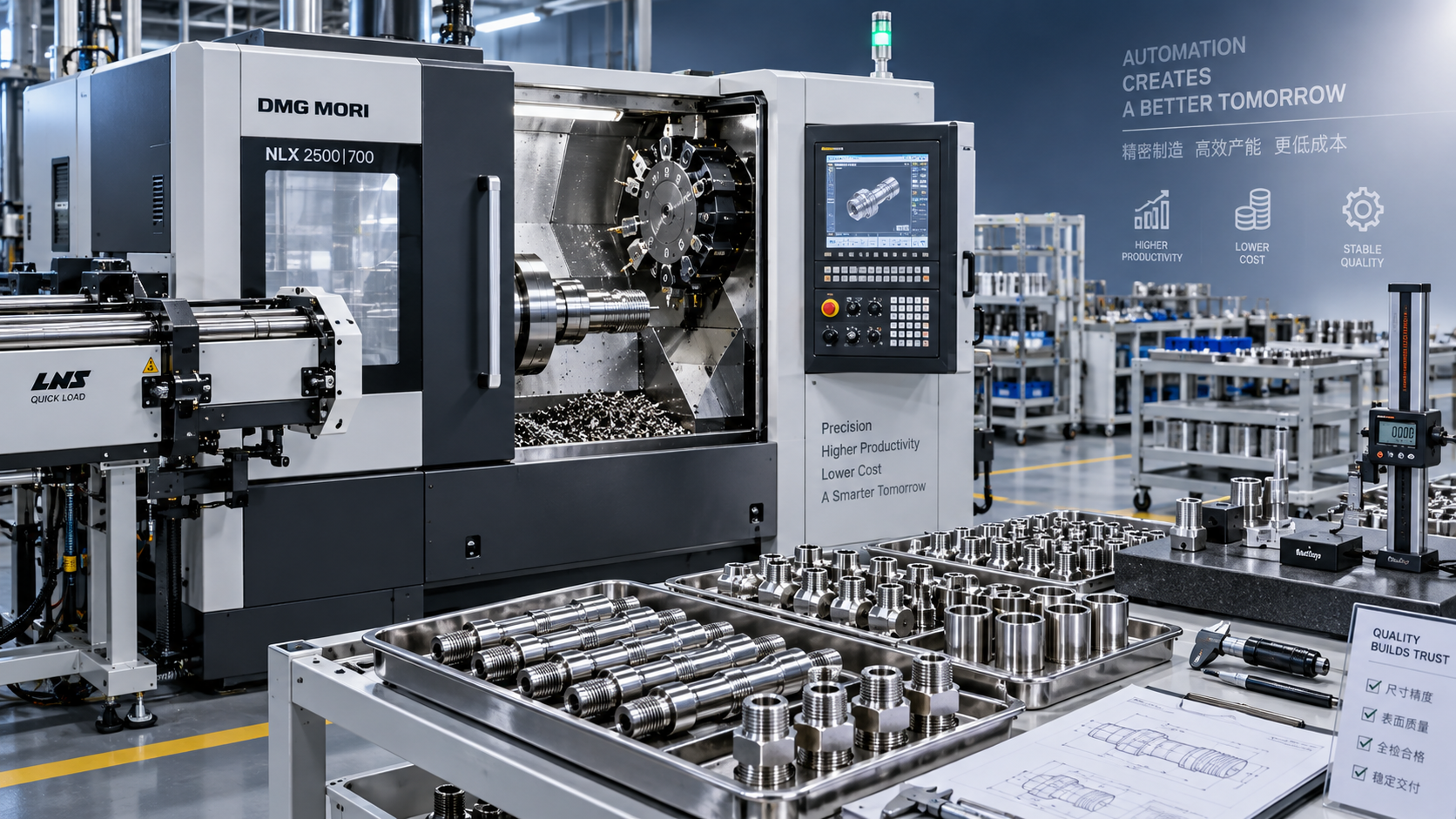
Fourth is tooling and process adaptation. In CNC-focused environments, Industrial Automation rarely succeeds by simply installing a machine. New fixtures, cutting tools, tool presetting, pallet systems, part handling devices, and gauging may be required. Complex part families often demand process redesign, not just machine replacement.
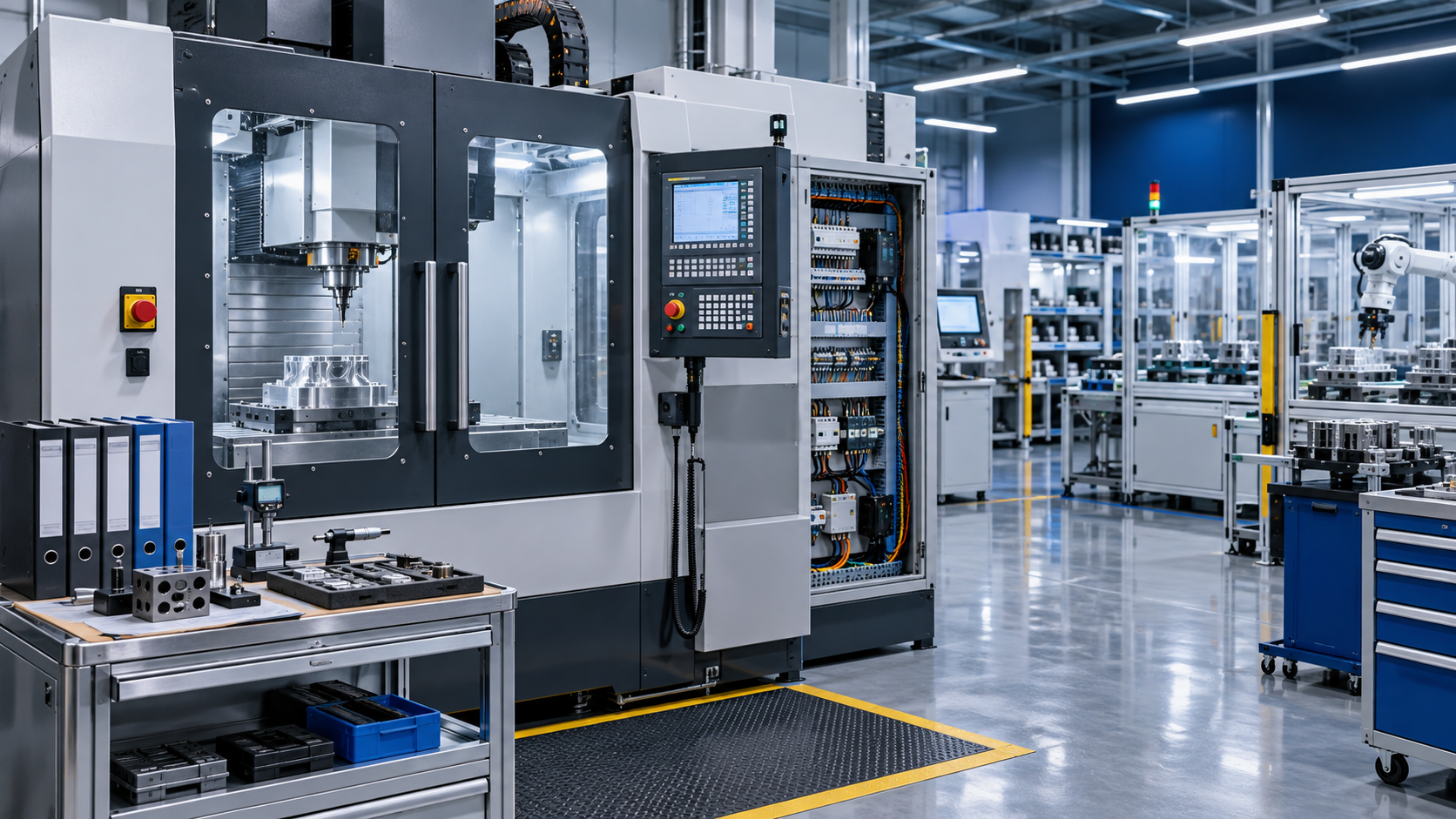
Fifth is facility readiness. This covers floor reinforcement, compressed air, power supply upgrades, dust or coolant management, guarding, lighting, network cabling, and layout changes. These costs are frequently omitted from early internal discussions, then reappear as budget surprises once implementation planning starts.
Sixth is people and ramp-up. Training, temporary productivity loss, debugging time, scrap during commissioning, and the cost of changing maintenance routines all belong here. From a financial perspective, these soft costs are still real cash impacts, even if they do not arrive on the original supplier invoice.
Why finance teams often underestimate the true upfront investment
The most common mistake is treating Industrial Automation like a simple equipment purchase instead of a system-level transformation. A CNC machining center may have a clean list price, but if the project also requires automation loading, tool management, data integration, operator retraining, and quality validation, the actual cost base expands quickly.
Another reason for underestimation is fragmented quoting. One supplier prices the machine, another provides the robot, another handles software, and a fourth delivers tooling. Each quote may look manageable on its own. Combined, they create a much larger capex picture than internal stakeholders expected at the start.
Financial approvers also face optimism bias from project sponsors. Operations teams naturally emphasize labor reduction, uptime gains, and capacity improvements. Those benefits may be real, but if assumptions are built on ideal-state performance rather than ramp-up reality, the project can appear stronger on paper than in execution.
There is also a timing issue. Some automation costs are incurred before launch, while others appear shortly after go-live. Trial runs, spare parts, consumables, software licenses, or engineering support may be treated as operating items rather than implementation costs. This can make the upfront investment appear artificially lower during approval.
For this reason, smart finance teams review automation proposals using total deployment cost rather than purchase price. They ask what must be spent to reach stable output at target quality, not simply what must be paid to receive equipment on site.
In CNC and precision manufacturing, which cost areas deserve the closest scrutiny?
In the CNC machine tool industry, the cost profile of Industrial Automation has several characteristics that financial decision-makers should examine carefully. These factors often determine whether a project delivers strategic value or merely adds expensive assets to the floor.
One major factor is part complexity. High-mix, low-volume production is harder to automate than repeatable high-volume work. If the plant runs many part variants, the cost of fixtures, programming, changeover design, and quality verification rises. Automation may still make sense, but the economic case depends on product mix stability.
Another factor is tolerance and quality control. Precision machining for aerospace, automotive, energy, or electronics often requires in-process measurement, tool wear monitoring, thermal control, and traceability. These systems improve consistency, but they increase the initial cost beyond the base machine investment.
Tooling strategy is another major cost center. A company may approve a machining center based on spindle capability and cycle time, then discover that to achieve target throughput it also needs advanced cutting tools, modular holders, automated tool presetting, and spare tool inventory. These supporting investments are not optional if output commitments are serious.
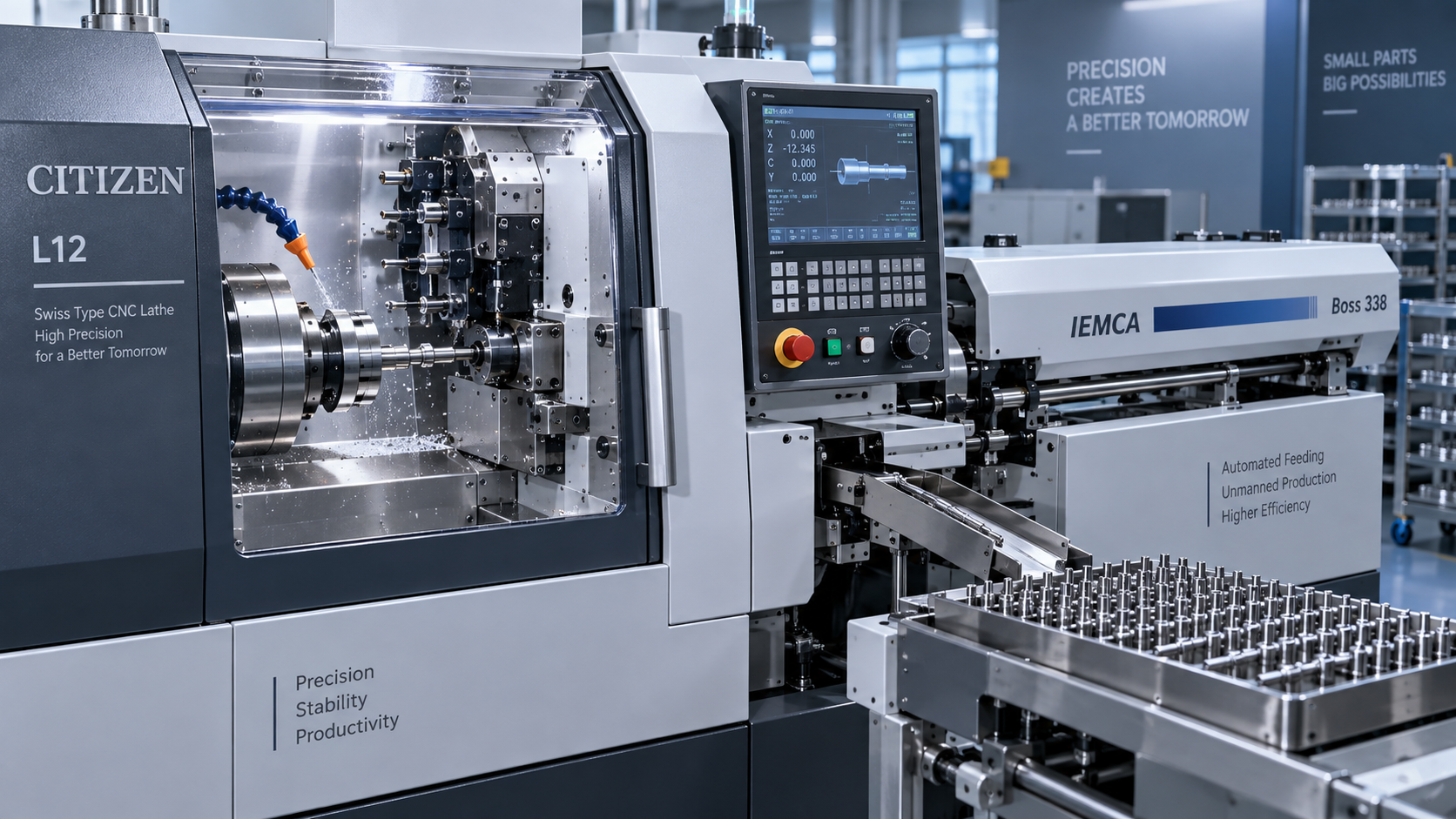
Material handling also deserves attention. In many CNC environments, labor bottlenecks occur not in cutting time but in loading, unloading, staging, inspection transfer, and pallet movement. Once automation is introduced, these upstream and downstream flows must be redesigned. Otherwise, the machine becomes more capable than the process around it.
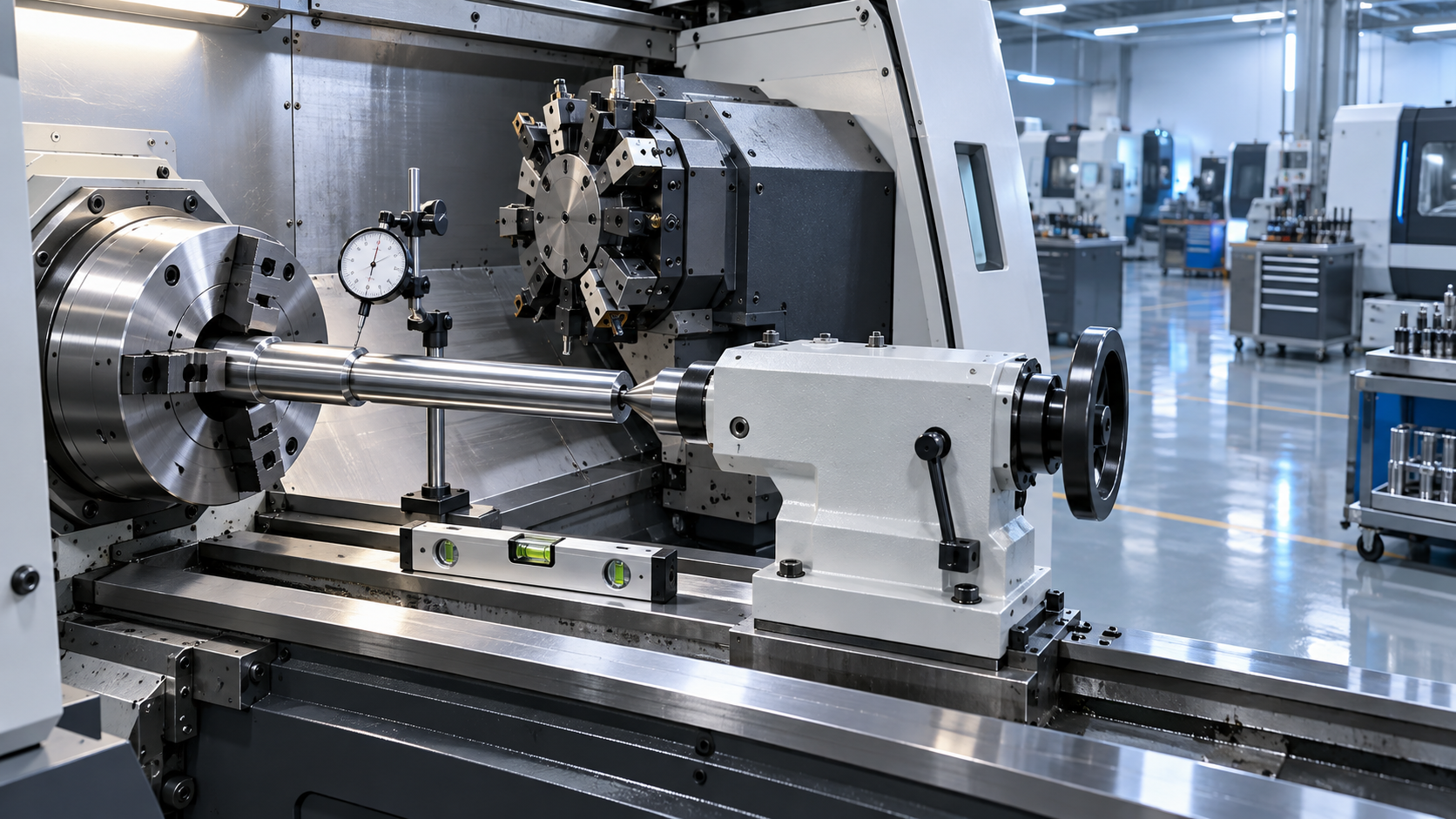
Lastly, maintenance capability matters. A sophisticated automated cell with poor preventive maintenance readiness can quickly become a stranded investment. Financial leaders should check whether the facility has the technicians, spare-part policies, and service agreements needed to protect uptime after installation.
How should financial approvers judge ROI beyond the sticker price?
For finance teams, the right question is not whether Industrial Automation costs more up front. It almost always does. The better question is whether the upfront premium buys measurable business outcomes that manual or less integrated production cannot deliver at the same scale or reliability.
ROI should start with labor economics, but not stop there. Direct labor savings are only one source of return. Automation can also improve spindle utilization, reduce scrap, increase throughput, shorten lead times, stabilize quality, lower rework, and make delivery performance more predictable. In many precision manufacturing businesses, these gains matter as much as wage reduction.
Capacity creation is another major value driver. A CNC automation project may allow the same floor space to produce more output, support longer unattended operation, or reduce dependence on hard-to-hire skilled operators. If the business is constrained by capacity rather than by demand, this benefit can justify substantial upfront investment.
Risk reduction should also enter the ROI model. More consistent automated processes can reduce customer complaints, warranty exposure, and dependence on a few experienced employees. In regulated or export-oriented industries, traceability and process control may also support compliance and protect strategic accounts.
Finance teams should test ROI using three scenarios: expected case, conservative case, and delayed-ramp case. This helps expose whether the project still works if throughput gains arrive later, scrap reduction is smaller than forecast, or labor redeployment takes longer than anticipated. A robust automation case should survive more than one optimistic assumption set.
What hidden costs most often disrupt Industrial Automation budgets?
The first hidden cost is production interruption during installation. Even phased rollouts can affect output, scheduling, and customer delivery. If the implementation plan requires line stoppages or relocation of existing assets, the temporary revenue impact should be acknowledged early rather than treated as a surprise later.
The second is engineering change. Once detailed design starts, many teams realize that guarding, controls logic, part presentation, or quality checks need revision. These changes are normal in automation projects, but they can expand both budget and timeline. A contingency reserve is not a sign of pessimism; it is a sign of realistic planning.
The third is under-scoped data integration. Connecting CNC machines, robots, and plant systems often takes more effort than expected, especially in mixed-brand environments or older facilities. If management wants dashboards, traceability, OEE visibility, or scheduling integration, those requirements should be priced from the beginning.
The fourth is post-installation stabilization. Even after a system passes factory acceptance or site acceptance tests, it may take weeks or months to reach steady-state performance. During that period, utilization may be below target, operators may need retraining, and process adjustments may continue. Financial models should reflect this transition period.
The fifth is organization readiness. Automation changes job roles, maintenance routines, purchasing patterns, and production planning. If leaders do not budget for training, documentation, internal champions, and cross-functional support, the company may own advanced equipment without achieving advanced performance.
How can companies control upfront costs without weakening long-term value?
One effective approach is phased automation. Instead of attempting a full smart factory transformation at once, manufacturers can start with a high-impact cell, a CNC loading application, or a repeatable machining family. This limits capital exposure while generating real operating data for future approvals.
Another approach is standardized architecture. Using common controls, interfaces, safety logic, and tooling platforms across machines reduces engineering complexity and lowers future expansion cost. Financially, standardization improves not only initial predictability but also spare-part efficiency and maintenance productivity.
Manufacturers should also separate must-have from nice-to-have scope. Some digital functions, handling options, or reporting features can be staged later without reducing initial production capability. This does not mean underinvesting. It means sequencing the investment to protect cash flow while keeping the long-term roadmap intact.
Vendor selection is equally important. The cheapest equipment quote can become the most expensive project if support is weak, integration responsibility is unclear, or startup takes too long. Finance teams should evaluate suppliers based on delivery capability, application experience, service network, and implementation accountability, not just price.
Finally, companies should build approval around measurable milestones. Define what success looks like at installation, commissioning, ramp-up, and steady-state operation. This makes it easier to release capital in a disciplined way and creates transparency if project economics start drifting from plan.
A practical checklist for financial decision-makers
Before approving an Industrial Automation project, ask whether the proposal identifies all cost layers: equipment, integration, software, tooling, facility upgrades, training, and ramp-up losses. If one of these areas is vague, the business case is probably incomplete.
Check whether the ROI model includes more than labor savings. Throughput, quality, lead time, uptime, and capacity flexibility should all be quantified where possible. In precision manufacturing, these operational gains often drive the strongest long-term return.
Review the production mix assumptions. Automation economics look best in stable, repeatable environments. If the plant serves many changing part numbers, the analysis should clearly explain how changeovers, programming effort, and fixture strategy will be managed.
Ask who owns integration and performance responsibility. A multi-vendor project without a clear lead integrator creates financial risk. When accountability is fragmented, cost overruns and startup delays become more likely.
Confirm whether the plant has the people and processes to support the system after launch. Industrial Automation is not just purchased; it is operated, maintained, and improved. The strongest capex proposal is still vulnerable if organizational readiness is weak.
Conclusion: the real cost question is not “how much,” but “where and why”
Industrial Automation does cost more up front, but for financial approvers, the most important insight is where that cost actually sits. The visible machine price is only the surface. In real manufacturing environments, the largest investment picture often includes integration, tooling, software, facility readiness, and the human effort needed to reach stable output.
In the CNC machine tool and precision manufacturing sector, this understanding is critical because performance depends on the entire process, not a single asset. When companies evaluate Industrial Automation through a full-system cost lens, they make better decisions, control risk earlier, and judge ROI with greater accuracy.
The best approval decisions do not chase the lowest upfront quote. They identify the cost structure honestly, match it to production strategy, and invest where automation can create durable gains in capacity, quality, and resilience. That is where higher upfront spending becomes defensible—and where it becomes valuable.
Recommended for You
 Zero-Point Clamping or Modular Fixtures? Choosing a Faster CNC Changeover SystemCNC Machining Technology Center
 How to Cut CNC Fixture Changeover Time Without Sacrificing Part AccuracyCNC Machining Technology Center
 When Does CNC Turning Pay Off? A Break-Even Guide by Annual Part VolumeMachine Tool Industry Editorial Team
 Machine Tool Standards by Country: What Importers Must Verify Before PurchaseManufacturing Policy Research Center
 CNC Lathe Quick Installation Guide: Alignment Checks Before First Production RunCNC Machining Technology Center
 How to Select a CNC Lathe for Small Parts Without Sacrificing Accuracy or Cycle TimeCNC Machining Technology Center

Aris Katos
Future of Carbide Coatings
15+ years in precision manufacturing systems. Specialized in high-speed milling and aerospace grade alloy processing.
▶
Smart Manufacturing for Small Businesses: Where Automation Delivers the Fastest ROIMachine Tool Industry Editorial Team▶
How Smart Manufacturing Technology Improves OEE Across Industry 4.0 Production LinesMachine Tool Industry Editorial Team▶
How to Evaluate an Automation Line for Electronics Production Before InvestmentMachine Tool Industry Editorial Team▶
How to Evaluate an Automated Production Line for Output, Flexibility, and ROIMachine Tool Industry Editorial Team▶
How Smart Manufacturing Improves Traceability and Quality Control in Aerospace?Machine Tool Industry Editorial Team
Mastering 5-Axis Workholding Strategies
Join our technical panel on Nov 15th to learn about reducing vibrations in thin-wall components.

Providing you with integrated sanding solutions
Before-sales and after-sales services
Comprehensive technical support