• Global CNC market projected to reach $128B by 2028 • New EU trade regulations for precision tooling components • Aerospace deman
NYSE: CNC +1.2%LME: STEEL -0.4%

World's First Fully Flexible CNC Production Line Enters Mass Delivery in Dongguan

On May 10, 2026, a Guangdong-based intelligent equipment manufacturer delivered the world’s first fully flexible CNC production line to a Mexican automotive components group. This milestone signals a shift in global manufacturing responsiveness—particularly for industries reliant on small-batch, customized machining orders—and warrants attention from automotive supply chain players, precision machinery exporters, and contract manufacturers serving North American and emerging-market clients.
Event Overview
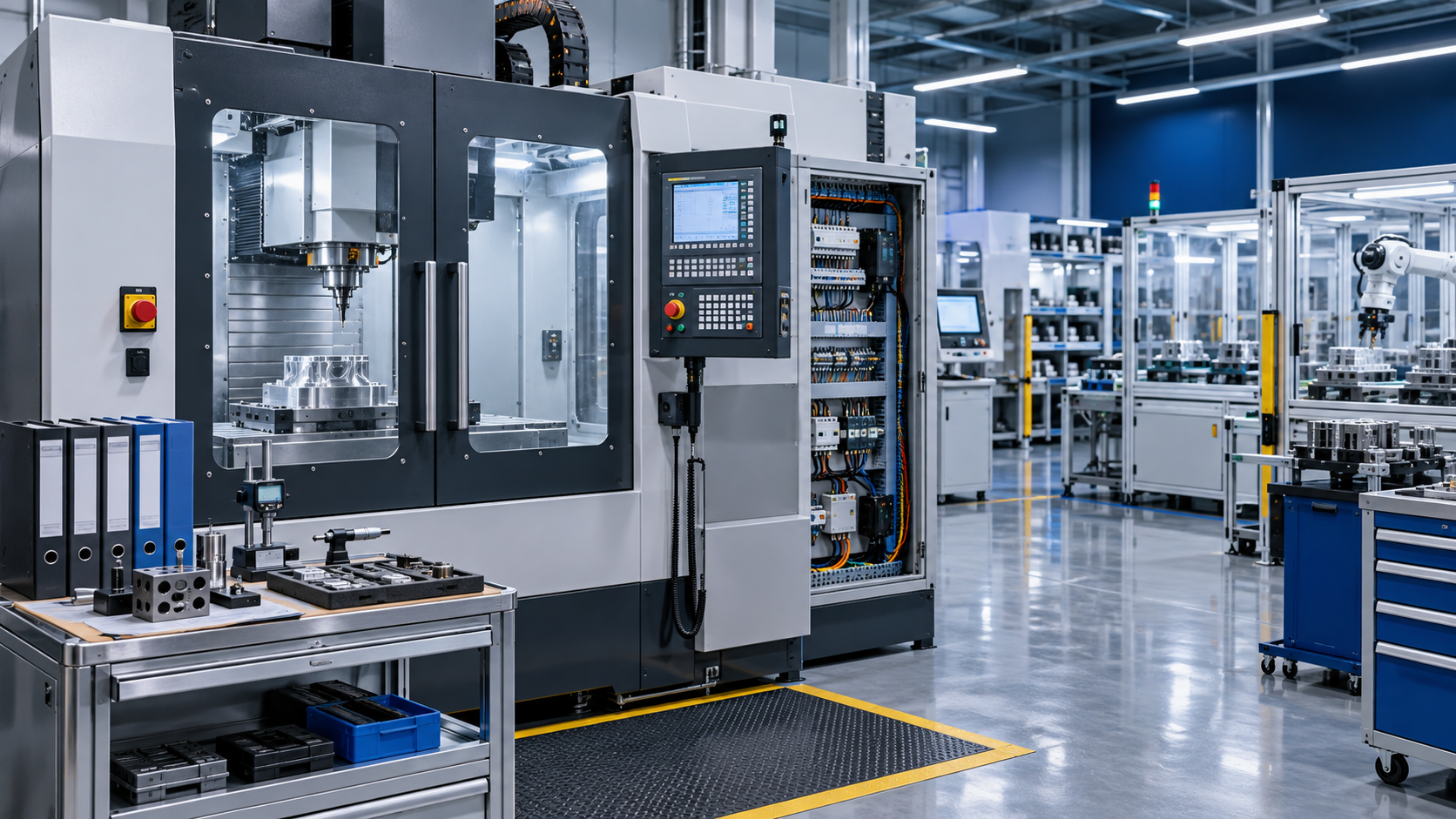
On May 10, 2026, a Guangdong-based intelligent equipment enterprise delivered the world’s first fully flexible CNC production line to a Mexican automotive components group. The line integrates domestically developed six-axis collaborative robots, AI-powered vision-guided fixtures, and a digital twin–based scheduling system. It supports dynamic mixed-model production across 12 types of CNC equipment—including CNC turning-milling composite machines and five-axis machining centers—with an average changeover time of 7.3 minutes.
Impact on Specific Subsectors
Automotive Tier-2 and Tier-3 Suppliers (Especially Export-Oriented)
These suppliers often face volatile order volumes and frequent model changes from OEMs or regional integrators. The demonstrated sub-8-minute changeover capability directly addresses their pain point of downtime during product transitions. Impact manifests in tighter delivery windows, reduced buffer inventory requirements, and higher asset utilization rates—especially for facilities managing multiple customer part families on shared CNC assets.
Contract Manufacturing Service Providers (CNC-Focused)
Firms offering job-shop CNC services—particularly those targeting North America or LATAM markets—are affected by shifting client expectations. With this deployment, end users now have a benchmark for flexibility: rapid reconfiguration without full-line retooling. The impact lies in competitive pressure to adopt similar scheduling logic, fixture standardization, or robot-assisted loading—even if full digital twin integration remains out of reach initially.
Industrial Automation System Integrators
Integrators delivering turnkey CNC solutions must now accommodate tighter interoperability requirements between machine tools, robotics, and software layers. The successful integration of domestic six-axis robots with legacy CNC platforms—and synchronization via digital twin—raises the bar for validation rigor, communication protocol alignment (e.g., MTConnect, OPC UA), and real-time data fidelity in production environments.
Export-Oriented CNC Machine Tool Distributors
Distributors selling Chinese-made CNC equipment into Mexico, Southeast Asia, or Eastern Europe may observe growing demand for ‘flexibility-ready’ configurations—not just standalone machines. The impact is twofold: increased technical pre-sales engagement (e.g., advising on modular tooling interfaces) and longer sales cycles as buyers assess compatibility with future robotic and software upgrades.
What Relevant Enterprises or Practitioners Should Focus On and How to Respond
Monitor official technical documentation and interoperability standards referenced in follow-up case studies
The deployment includes domestically developed robotics and digital twin software. As implementation details become public—especially around API specifications, safety certification pathways, or PLC-to-robot handshaking protocols—these will inform integration feasibility assessments for other manufacturers.
Track adoption patterns among Mexican and LATAM automotive suppliers over the next 6–12 months
This is the first overseas delivery, not a broad rollout. Observing whether subsequent orders target similar use cases (e.g., multi-part family machining for electric vehicle powertrain components) helps distinguish isolated pilot activity from emerging regional procurement trends.
Distinguish between system-level claims and component-level readiness
The reported 7.3-minute average changeover reflects the integrated system performance—not individual machine specs. Enterprises evaluating similar solutions should request verified cycle-time breakdowns (e.g., robot motion time vs. fixture repositioning vs. NC program load time) rather than accepting headline figures at face value.
Assess internal fixture standardization and program management maturity before pursuing comparable investments
Flexible CNC lines depend heavily on standardized workholding, consistent CAD/CAM data structures, and version-controlled NC programs. Companies lacking these foundations may face extended ramp-up periods—even with advanced hardware—making process audit and digital workflow mapping prerequisite steps.
Editorial Perspective / Industry Observation
Observably, this delivery functions less as a finished commercial product launch and more as a validated reference architecture for high-mix, low-volume CNC environments. Analysis shows it confirms technical viability—not yet scalability—of domestically sourced flexible automation stacks in complex overseas industrial settings. From an industry perspective, its significance lies not in immediate market displacement, but in resetting minimum expectations for responsiveness among global buyers of machining capacity. Current attention should focus on whether such systems begin appearing in bid specifications for new supplier qualification rounds—particularly in automotive and medical device sectors where lot-size variability is rising.
Conclusion: This delivery marks a functional proof point—not a widespread market inflection. It demonstrates that fully flexible CNC production is technically achievable with current-generation domestic components and software, but does not indicate imminent cost parity or operational simplicity for most mid-tier manufacturers. Currently, it is best understood as a benchmark for flexibility capability, not a near-term replacement for conventional CNC line planning.
Information Source: Official announcement by Guangdong-based intelligent equipment enterprise, dated May 10, 2026. No third-party verification or independent performance audit has been publicly released. Ongoing observation is warranted regarding long-term uptime, maintenance frequency, and actual order-mix variability sustained under production load.
Recommended for You
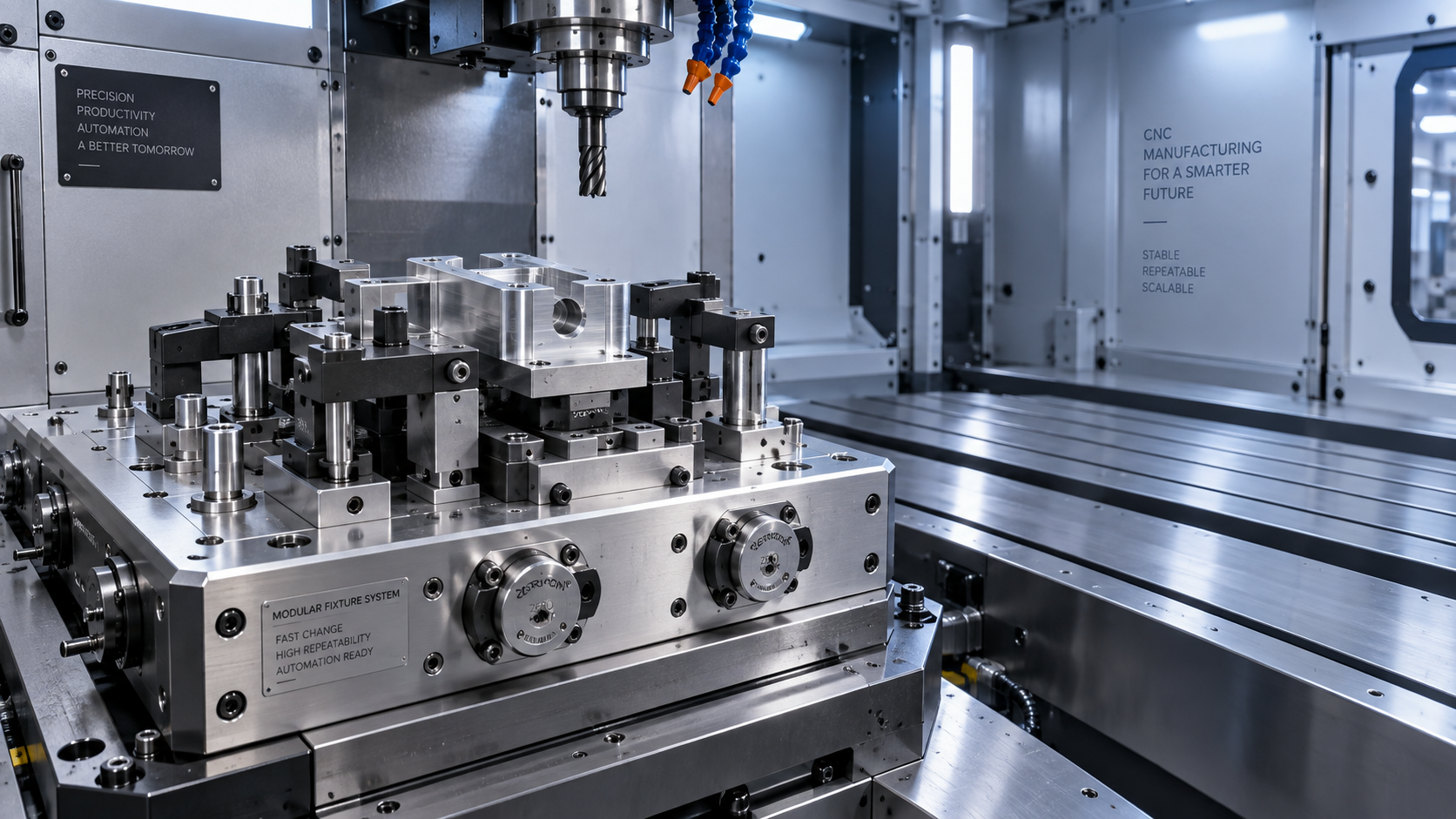
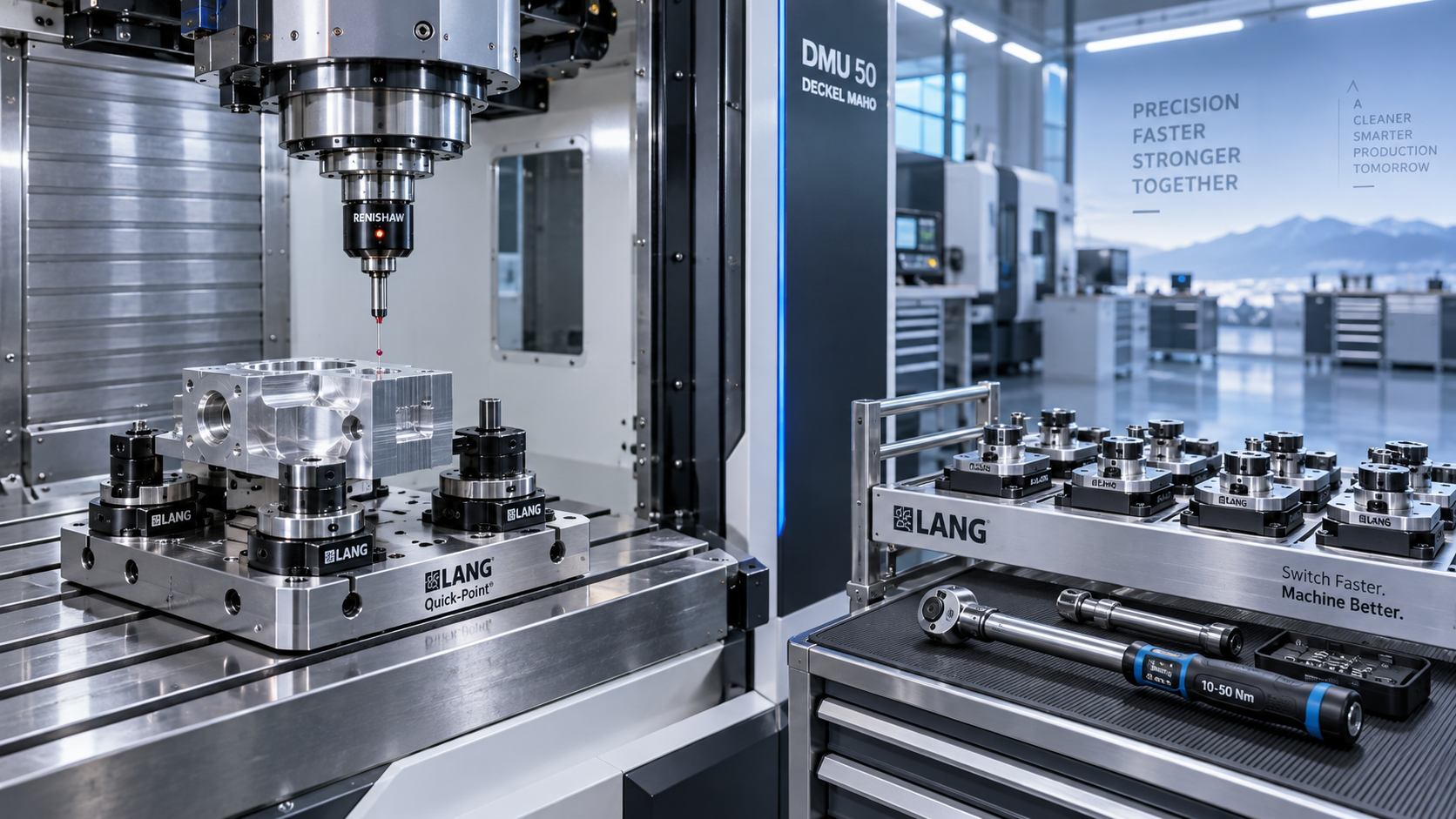
 Zero-Point Clamping or Modular Fixtures? Choosing a Faster CNC Changeover SystemCNC Machining Technology Center
 How to Cut CNC Fixture Changeover Time Without Sacrificing Part AccuracyCNC Machining Technology Center
 When Does CNC Turning Pay Off? A Break-Even Guide by Annual Part VolumeMachine Tool Industry Editorial Team
 Machine Tool Standards by Country: What Importers Must Verify Before PurchaseManufacturing Policy Research Center
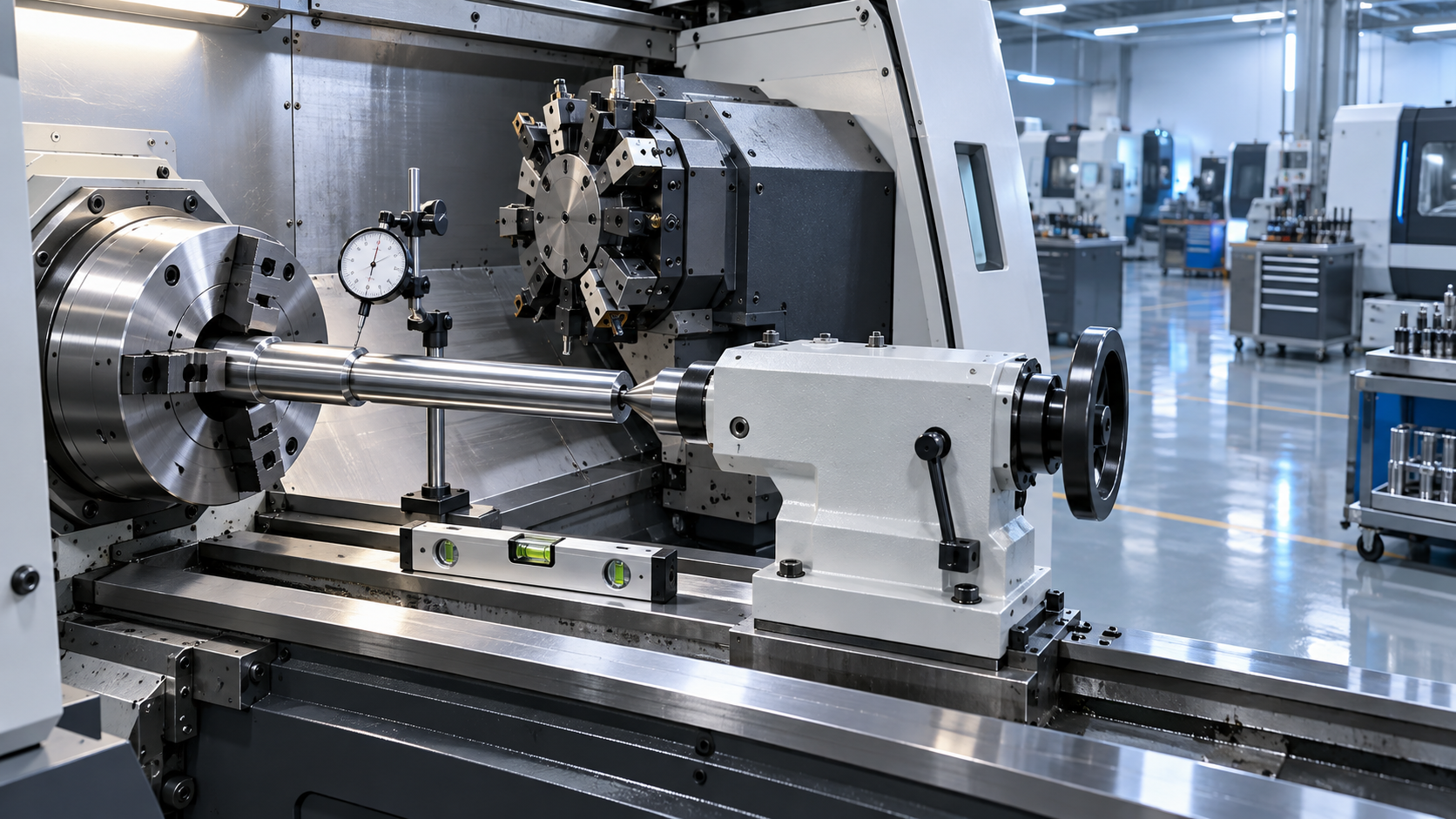
 CNC Lathe Quick Installation Guide: Alignment Checks Before First Production RunCNC Machining Technology Center
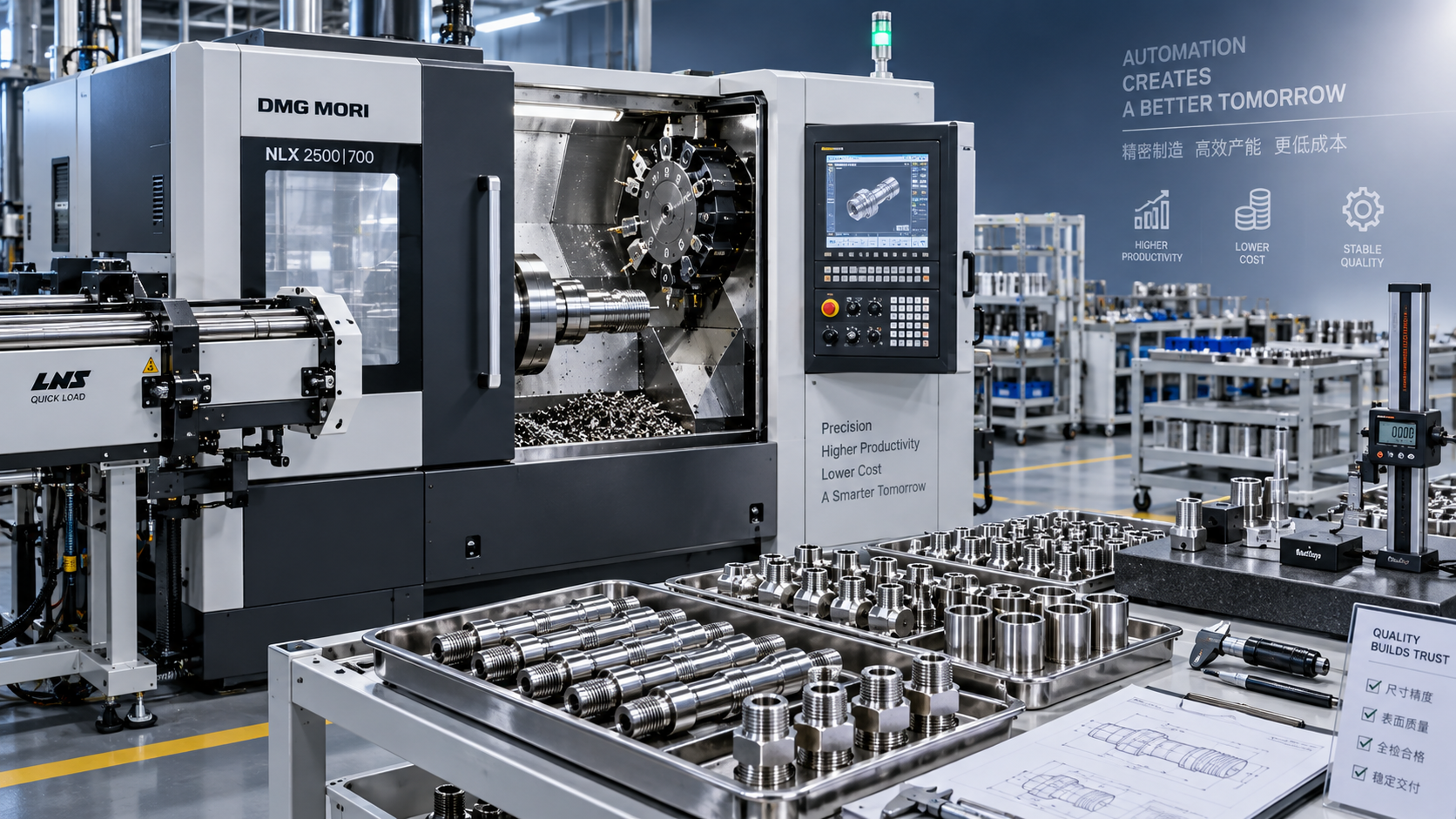
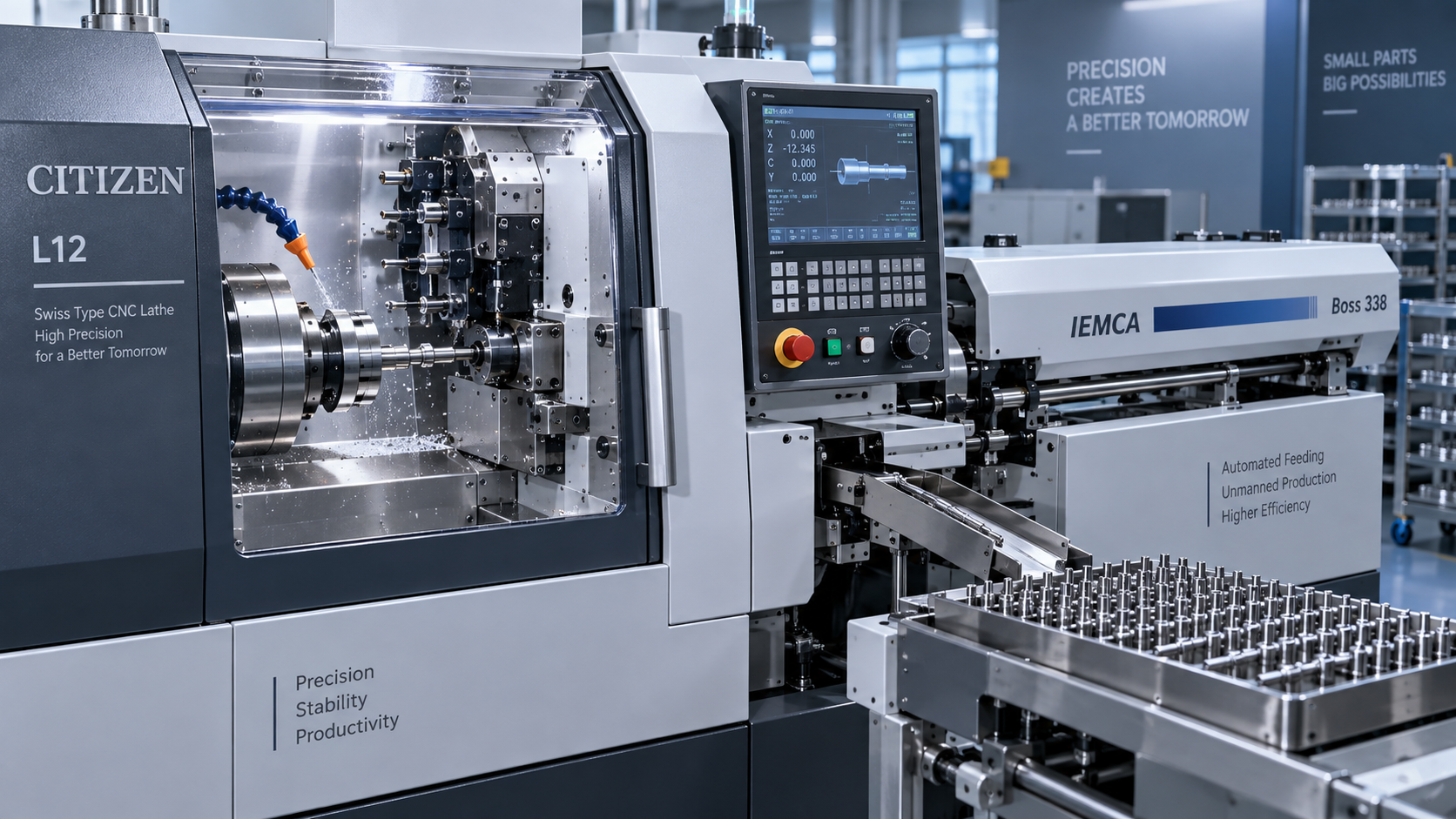
 How to Select a CNC Lathe for Small Parts Without Sacrificing Accuracy or Cycle TimeCNC Machining Technology Center

Aris Katos
Future of Carbide Coatings
15+ years in precision manufacturing systems. Specialized in high-speed milling and aerospace grade alloy processing.
▶
Smart Manufacturing for Small Businesses: Where Automation Delivers the Fastest ROIMachine Tool Industry Editorial Team▶
How Smart Manufacturing Technology Improves OEE Across Industry 4.0 Production LinesMachine Tool Industry Editorial Team▶
How to Evaluate an Automation Line for Electronics Production Before InvestmentMachine Tool Industry Editorial Team▶
How to Evaluate an Automated Production Line for Output, Flexibility, and ROIMachine Tool Industry Editorial Team▶
How Smart Manufacturing Improves Traceability and Quality Control in Aerospace?Machine Tool Industry Editorial Team
Mastering 5-Axis Workholding Strategies
Join our technical panel on Nov 15th to learn about reducing vibrations in thin-wall components.

Providing you with integrated sanding solutions
Before-sales and after-sales services
Comprehensive technical support