• Global CNC market projected to reach $128B by 2028 • New EU trade regulations for precision tooling components • Aerospace deman
NYSE: CNC +1.2%LME: STEEL -0.4%

Why slant bed lathes are gaining ground in high-precision disc parts production
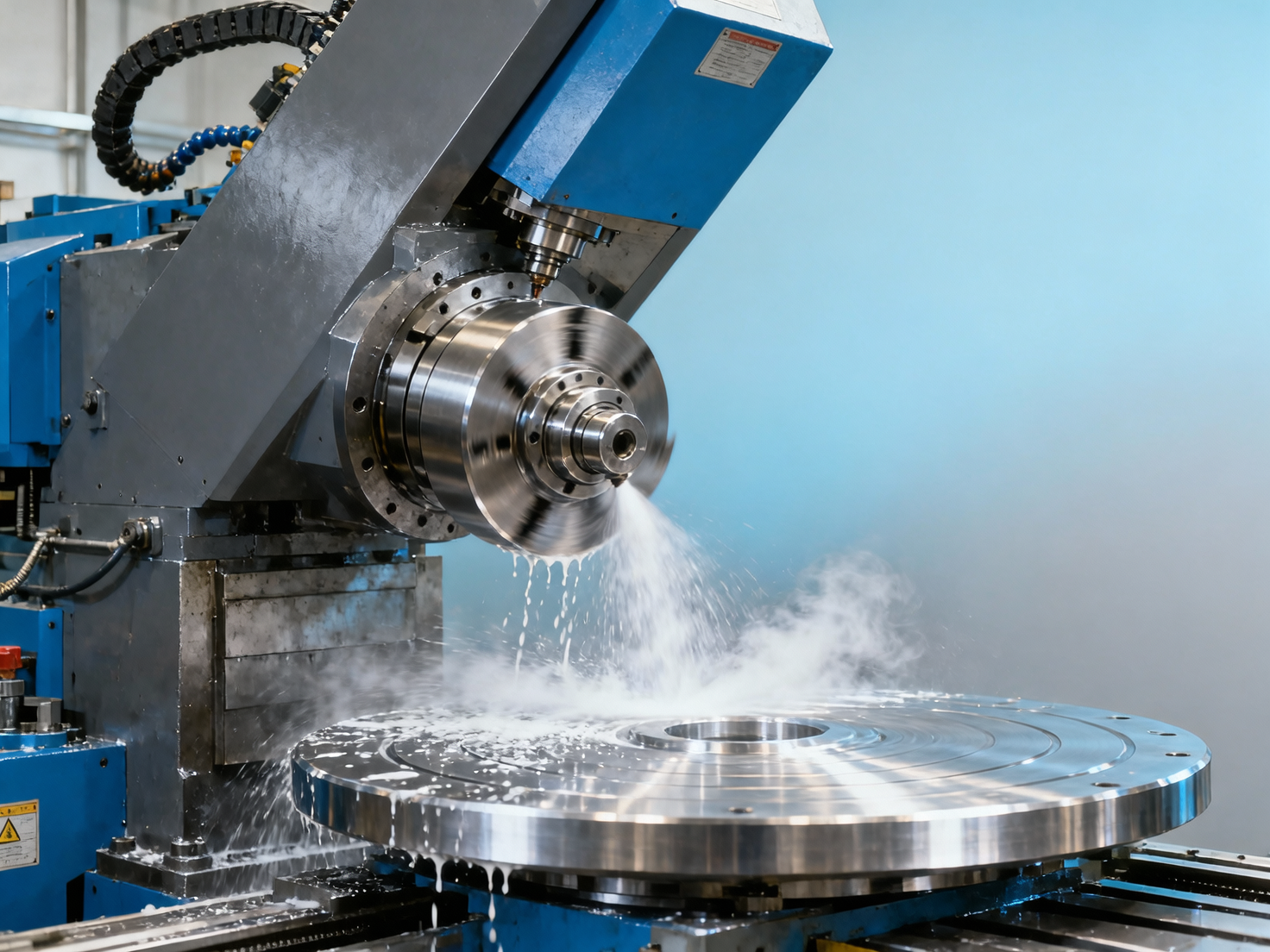
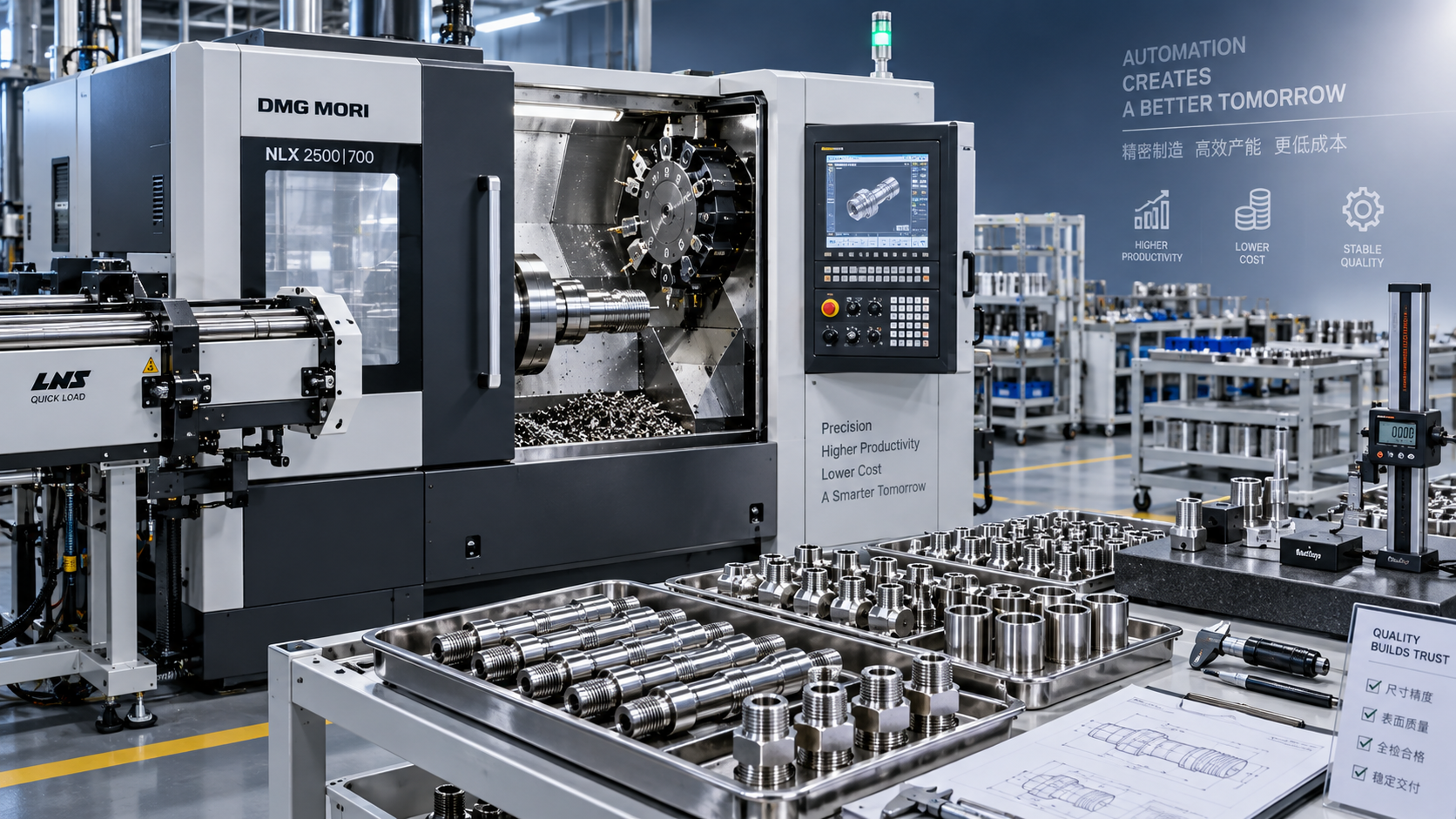
Slant bed lathes are rapidly emerging as the preferred solution for high-precision disc parts production—delivering superior rigidity, thermal stability, and accuracy over traditional flat-bed designs. As demand surges for precision lathe capabilities in aerospace, automotive, and energy sectors, manufacturers increasingly adopt slant bed lathes integrated with advanced tooling systems, multi-axis machining, and automation line compatibility. Their optimized geometry enhances precision turning performance, reduces vibration, and supports tighter tolerances in disc parts manufacturing. With industrial cutting innovations and automated machine tools driving smart factory adoption, this shift reflects a broader industry move toward high precision machining, efficiency, and digital integration.
Why Slant Bed Lathes Deliver Superior Disc Part Accuracy
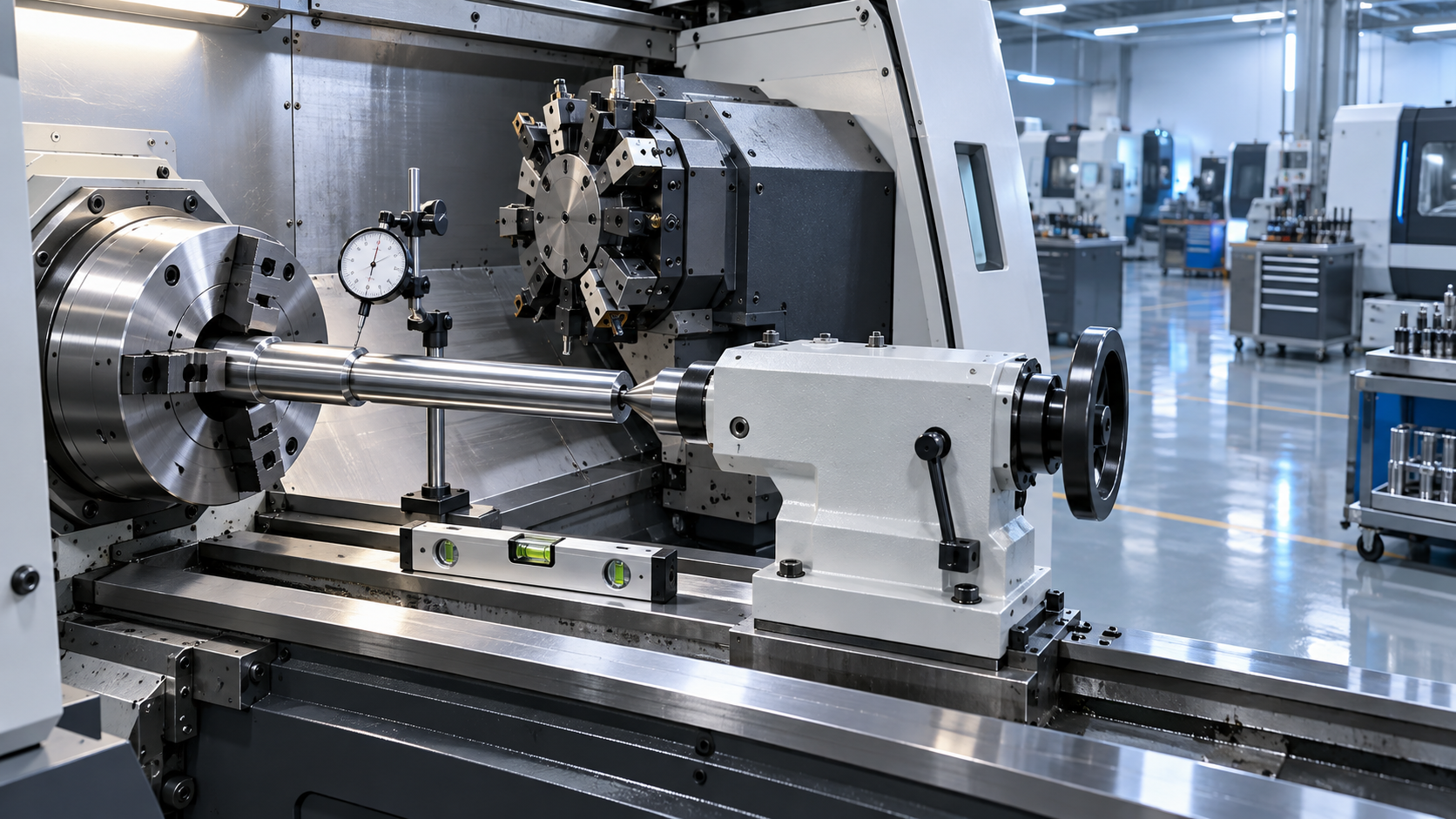
Disc parts—such as turbine flanges, brake rotors, gear blanks, and satellite mounting plates—require consistent roundness, flatness, and surface finish within ±0.005 mm tolerance bands. Flat-bed lathes often struggle with gravity-induced deflection during heavy roughing or long-duration finishing passes. Slant bed lathes counteract this via a 30°–45° bed inclination, which shifts the center of gravity closer to the machine’s base and improves chip evacuation by up to 40%.
This geometry also enables shorter tool overhangs and more direct force transmission from the turret to the workpiece. In practice, users report 25–35% lower vibration amplitude at spindle speeds above 1,200 rpm—critical when machining thin-walled discs prone to chatter. Thermal deformation is further minimized through symmetrical casting design and optional coolant temperature control (±0.3°C), maintaining dimensional stability across 8-hour continuous operation cycles.
The result? First-article yield rates improve from ~82% (flat-bed) to 94–97% (slant-bed) in certified aerospace disc production lines—a difference that directly impacts qualification timelines and NRE cost recovery.
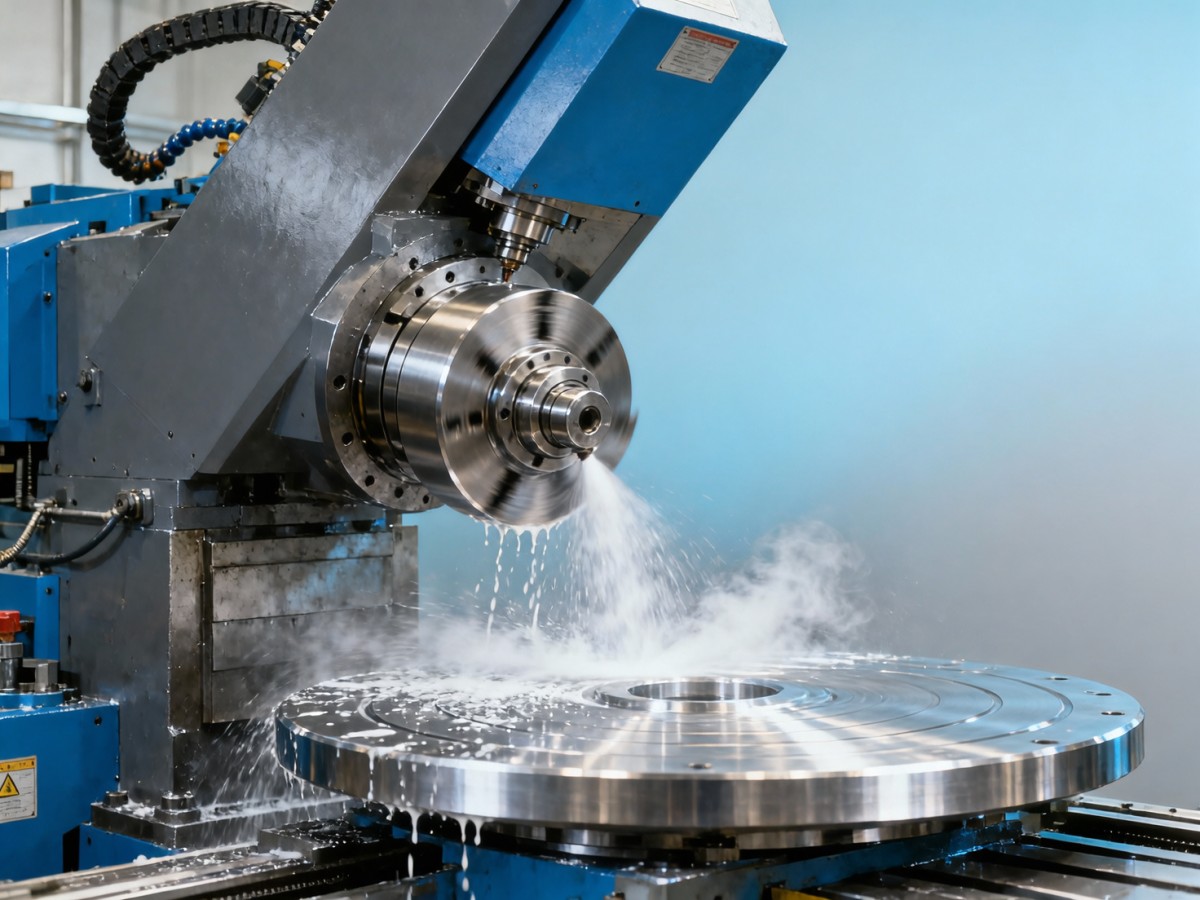
How Slant Bed Lathes Integrate Into Modern Production Systems
Automation & Line Compatibility
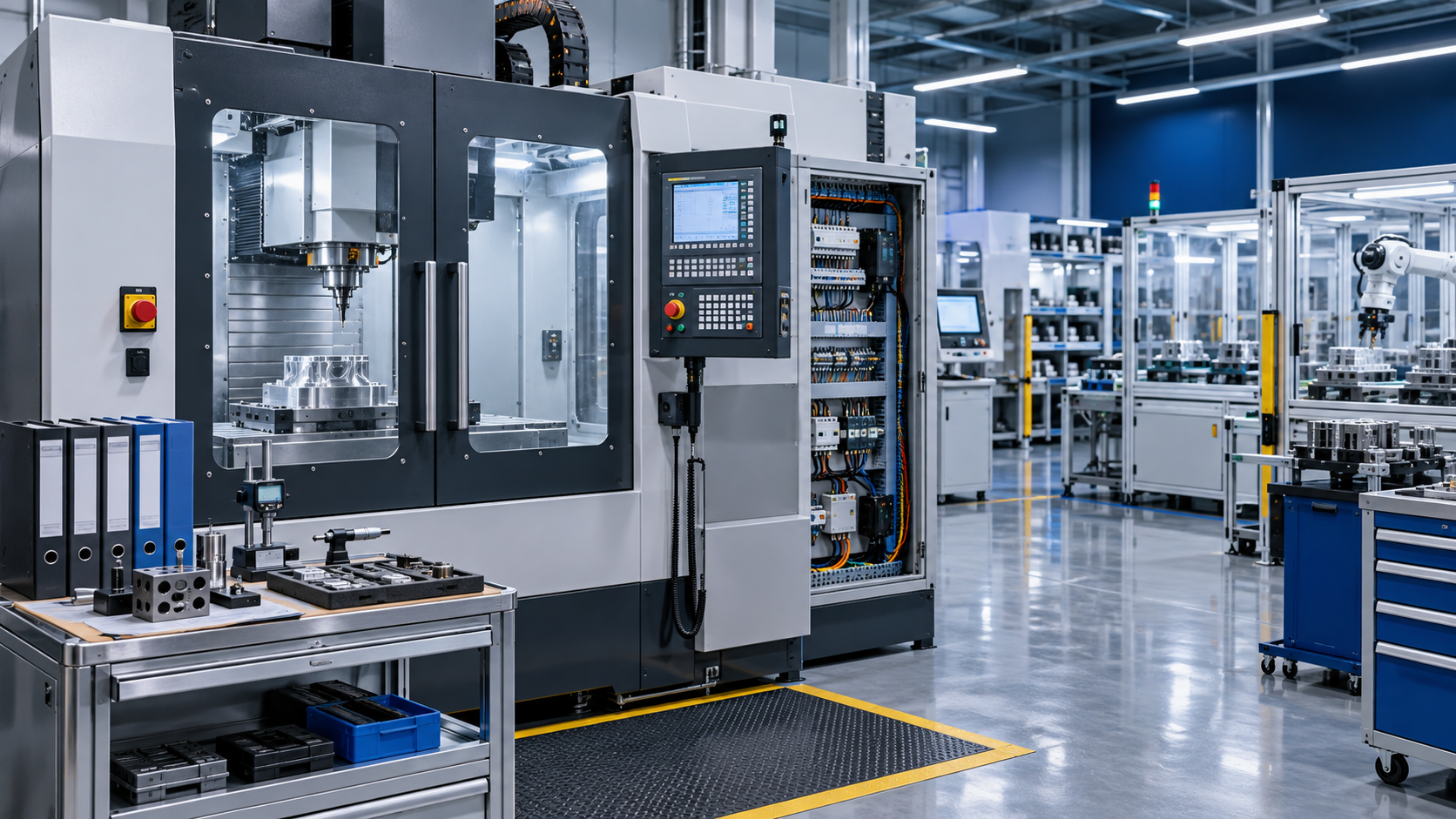
Unlike legacy flat-bed machines, most modern slant bed lathes ship with standardized I/O interfaces (IEC 61131-3 compliant PLC logic), dual-axis gantry-ready footprints, and built-in pallet changers supporting 2–4 station configurations. This allows seamless integration into flexible manufacturing cells where disc parts undergo sequential turning, milling, and inspection without manual handling.
- Support for robotic loading/unloading with cycle times under 18 seconds per part (for Ø200–Ø600 mm discs)
- Native OPC UA server support for real-time data exchange with MES/SCADA platforms
- Tool life monitoring linked to predictive maintenance triggers (e.g., spindle bearing temperature rise >2.5°C/h)
Multi-Axis Machining Capabilities
High-precision disc components increasingly require simultaneous contouring, drilling, and threading on both faces. Slant bed lathes equipped with Y-axis (±50 mm travel), live tooling (up to 12 kW continuous power), and C-axis indexing (0.001° resolution) enable full 3+2 axis disc machining in a single setup—eliminating re-fixturing errors that can exceed ±0.012 mm.
Key Selection Criteria for Disc Part Manufacturers
Procurement decisions should prioritize measurable performance indicators—not just catalog specs. Below are five non-negotiable evaluation dimensions:
Suppliers must provide third-party test reports—not internal calibration logs—for all three metrics. Failure to do so correlates strongly with post-installation scrap rate increases exceeding 1.8% in volume production.
Real-World Performance: Aerospace & Energy Sector Benchmarks
A Tier-1 aerospace supplier replaced two flat-bed CNC lathes with a dual-spindle slant bed system for titanium alloy disc forgings (ASTM B348 Grade 5). Key outcomes after 12 months:
- Surface roughness improved from Ra 1.6 μm → Ra 0.8 μm (measured per ISO 4287)
- Average cycle time reduced from 22.4 min → 15.7 min per part (30% gain)
- Tool change frequency dropped 41% due to stable cutting forces and optimized coolant delivery
- Annual maintenance downtime decreased from 142 hours → 87 hours (39% reduction)
Similar gains were observed in wind turbine hub machining—where slant bed lathes enabled full-face turning of Ø2,800 mm ductile iron discs within ±0.025 mm total indicator reading (TIR), meeting EN 15085-2 CL2 structural welding prep requirements.
Next Steps: Get Your Disc Part Production Assessment
Whether you’re evaluating slant bed lathes for new product ramp-up, upgrading aging equipment, or qualifying suppliers for AS9100 or ISO 13485 compliance, our technical team delivers actionable insights—not generic brochures.
We’ll help you:
- Analyze your current disc part drawings and GD&T callouts to identify geometric constraints best served by slant bed geometry
- Compare ROI models across 3–5 qualified slant bed configurations (including delivery timelines: standard lead time = 14–18 weeks)
- Validate machine capability against your specific material grades (Inconel 718, Ti-6Al-4V, 42CrMo4, etc.) using real cutting data
- Review integration pathways for your existing automation infrastructure (Fanuc, Siemens, Mitsubishi controls)
Contact us today for a free production readiness assessment—including a custom-cutting simulation report and recommended machine configuration checklist.
PREVIOUS ARTICLE
Recommended for You
 Zero-Point Clamping or Modular Fixtures? Choosing a Faster CNC Changeover SystemCNC Machining Technology Center
 How to Cut CNC Fixture Changeover Time Without Sacrificing Part AccuracyCNC Machining Technology Center
 When Does CNC Turning Pay Off? A Break-Even Guide by Annual Part VolumeMachine Tool Industry Editorial Team
 Machine Tool Standards by Country: What Importers Must Verify Before PurchaseManufacturing Policy Research Center
 CNC Lathe Quick Installation Guide: Alignment Checks Before First Production RunCNC Machining Technology Center
 How to Select a CNC Lathe for Small Parts Without Sacrificing Accuracy or Cycle TimeCNC Machining Technology Center

Aris Katos
Future of Carbide Coatings
15+ years in precision manufacturing systems. Specialized in high-speed milling and aerospace grade alloy processing.
▶
When Does CNC Turning Pay Off? A Break-Even Guide by Annual Part VolumeMachine Tool Industry Editorial Team▶
How to Compare CNC Metal Lathe Brands ObjectivelyMachine Tool Industry Editorial Team▶
CNC Lathe Quick Installation Guide: How to Avoid Alignment and Wiring MistakesMachine Tool Industry Editorial Team▶
CNC Lathe Quick Installation Guide: Common Setup Mistakes and How to Avoid ThemMachine Tool Industry Editorial Team▶
CNC Lathe Lead Times Reach 22 WeeksMachine Tool Industry Editorial Team
Mastering 5-Axis Workholding Strategies
Join our technical panel on Nov 15th to learn about reducing vibrations in thin-wall components.

Providing you with integrated sanding solutions
Before-sales and after-sales services
Comprehensive technical support