• Global CNC market projected to reach $128B by 2028 • New EU trade regulations for precision tooling components • Aerospace deman
NYSE: CNC +1.2%LME: STEEL -0.4%

How to Evaluate a Tooling System for Precision Machining: 7 Key Specs That Matter
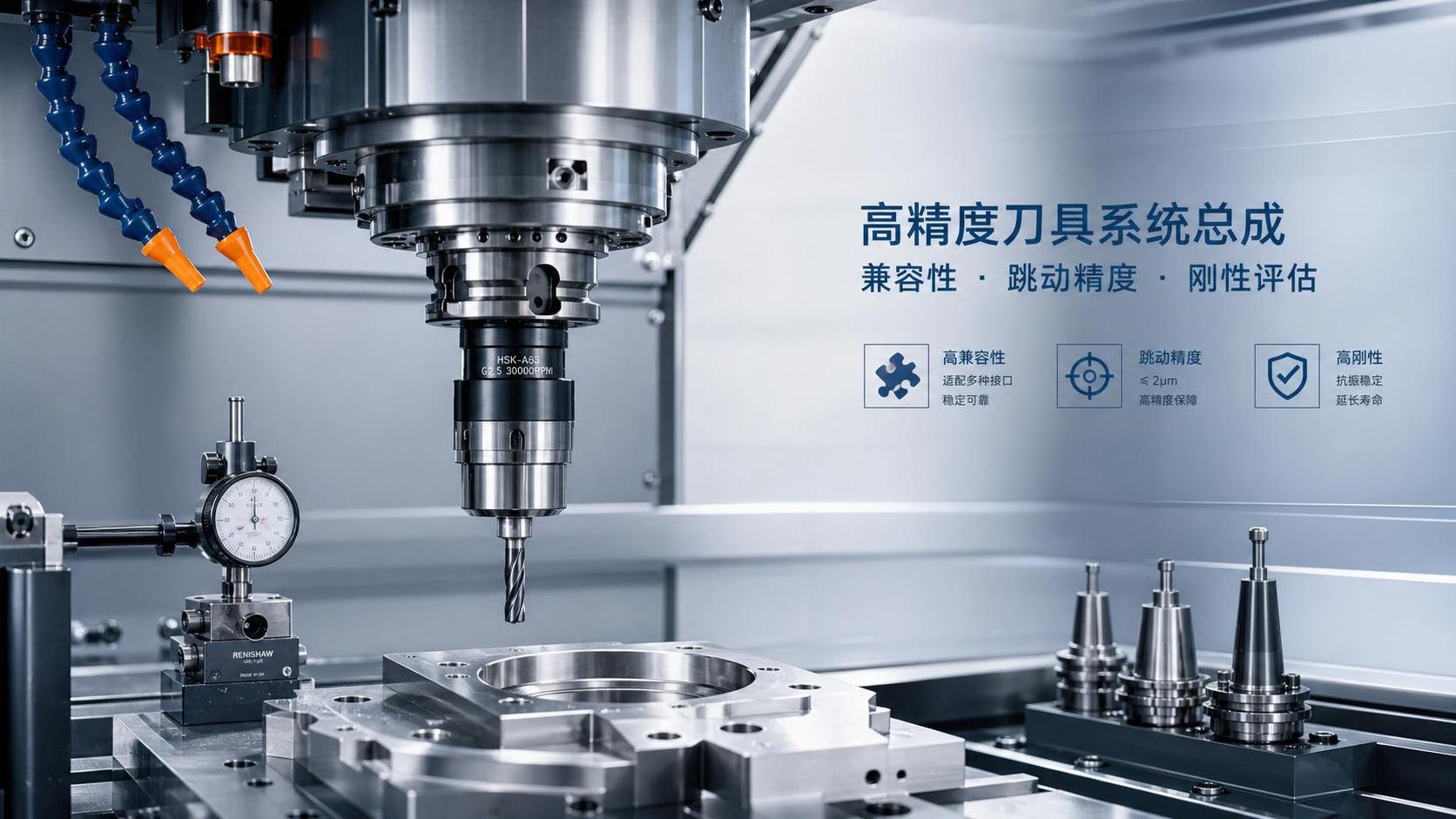
Why does the Tooling System deserve more attention than the machine price?
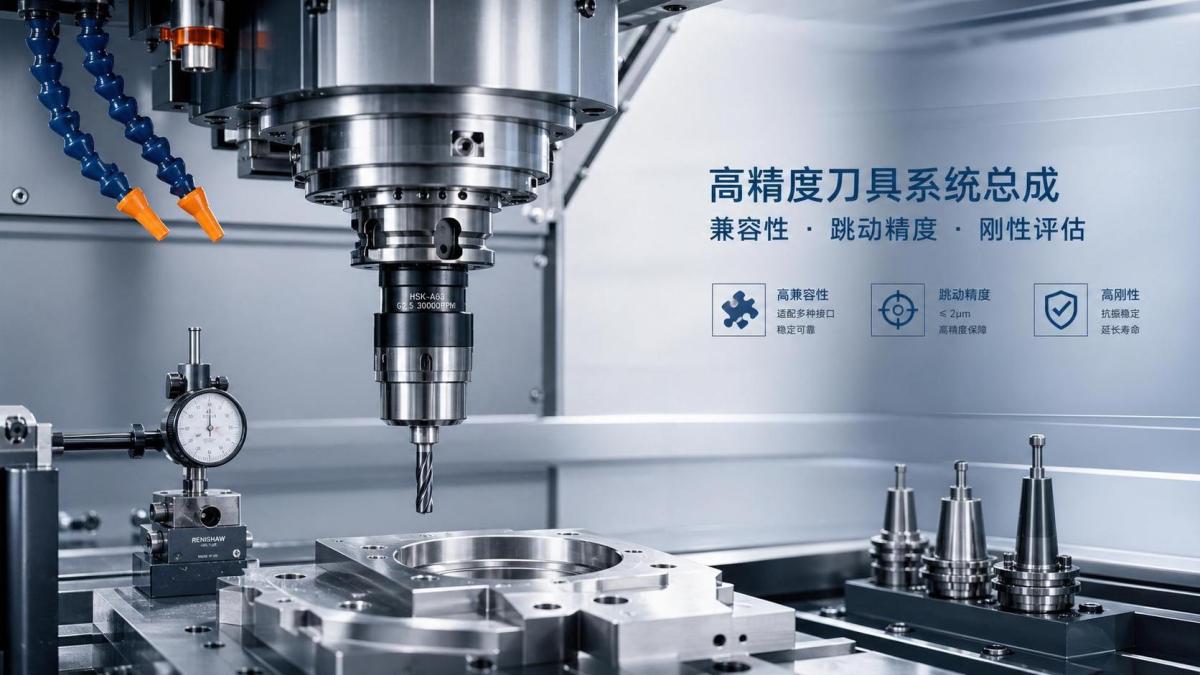
In precision machining, the machine tool gets most of the attention, yet the Tooling System often decides whether production stays stable.
A lower machine price can look attractive, but weak tooling compatibility usually appears later through scrap, vibration, longer setup, and missed tolerances.
That matters even more now.
Automotive, aerospace, energy equipment, and electronics production increasingly rely on CNC lathes, machining centers, and multi-axis systems for complex parts.
Those parts demand repeatability across shifts, factories, and suppliers.
A Tooling System is not just a holder.
It includes interfaces, clamping accuracy, balance, rigidity, changeover method, cooling delivery, and support for automation or digital monitoring.
In practical terms, the right Tooling System helps protect spindle life, improve surface finish, and keep cycle times predictable.
The wrong one usually creates hidden cost rather than obvious failure.
That is why evaluation should start from process fit, not quotation rank.
What exactly should be checked first when comparing a Tooling System?
Most comparisons become easier when seven specifications are reviewed together instead of separately.
These are the points that usually affect machining results and total cost most directly.
A Tooling System that looks strong in only one area can still fail in production.
For example, excellent runout means little if balance is poor at high spindle speed.
How do compatibility and accuracy affect the buying decision?
Compatibility is usually the first hard filter.
If a Tooling System needs frequent adapters, extra extensions, or nonstandard pull studs, the risk increases immediately.
Each added interface creates another source of error.
It also complicates maintenance and spare planning across multiple machines or plants.
Accuracy should be checked beyond catalog claims.
Ask for measured runout at realistic extension length, not only at the taper face.
That detail is especially important in small-diameter tools, deep cavity work, and finish passes on hard materials.
A good comparison also includes repeat clamping accuracy after several tool changes.
One accurate setup is useful.
Fifty accurate setups are what production actually needs.
- Confirm spindle or turret interface standards across current and planned machines.
- Check whether holders support existing cutting tools and presetting equipment.
- Request inspection data, not only brochure tolerances.
- Review replacement part availability for collets, screws, seals, and coolant tubes.
When do rigidity, balance, and coolant delivery become the real cost drivers?
These three factors often decide whether a Tooling System performs well in demanding applications or only in light demonstration cuts.
Rigidity matters whenever parts have deep reach, interrupted surfaces, tough alloys, or strict roundness targets.
A longer assembly may solve clearance problems, but it usually reduces stiffness.
That tradeoff can raise tool wear and extend cycle time.
Balance becomes critical at higher RPM.
In electronics components, aluminum parts, and fine finishing, poor balance can damage both finish quality and spindle bearings.
Coolant delivery is often underestimated.
Through-tool coolant improves chip evacuation in drilling, reaming, and pocket machining.
In stainless steel, titanium, or heat-resistant alloys, it can also protect edge life and control heat more effectively.
The more automated the line, the more expensive poor chip control becomes.
Unplanned stoppages rarely show up in the initial quote, but they appear fast in monthly output data.
Is the lower-cost Tooling System really cheaper over a full production cycle?
Usually, not by default.
A lower purchase price can still lead to higher total cost if tool life falls, setups take longer, or scrap rises during ramp-up.
A better way to compare is to calculate tooling cost per qualified part.
That approach reflects production reality better than unit price alone.
Use a simple review structure before approval:
- Expected holder life under actual spindle speed and cutting load.
- Tool consumption change caused by runout or clamping variation.
- Setup time, presetting time, and repeatability after changeover.
- Inventory burden from unique accessories or spare interfaces.
- Lead time for replacement parts from global suppliers.
This is especially relevant in internationally sourced machine tool projects.
Industrial clusters in China, Germany, Japan, and South Korea offer broad options, but support models can differ sharply.
A Tooling System with stable global support may reduce risk more than a cheaper system with uncertain delivery.
What mistakes appear most often during Tooling System evaluation?
One common mistake is checking only static specifications.
Catalog numbers matter, but production behavior matters more.
Another mistake is testing on a simple part and assuming the same result will hold on harder jobs.
Evaluation should reflect the intended material, reach, tolerance, and cycle target.
The third mistake is ignoring digital integration.
As smart factories expand, tool presetting data, identification, and life tracking are becoming more important.
A Tooling System that cannot support traceability may slow future automation plans.
The last mistake is treating all applications equally.
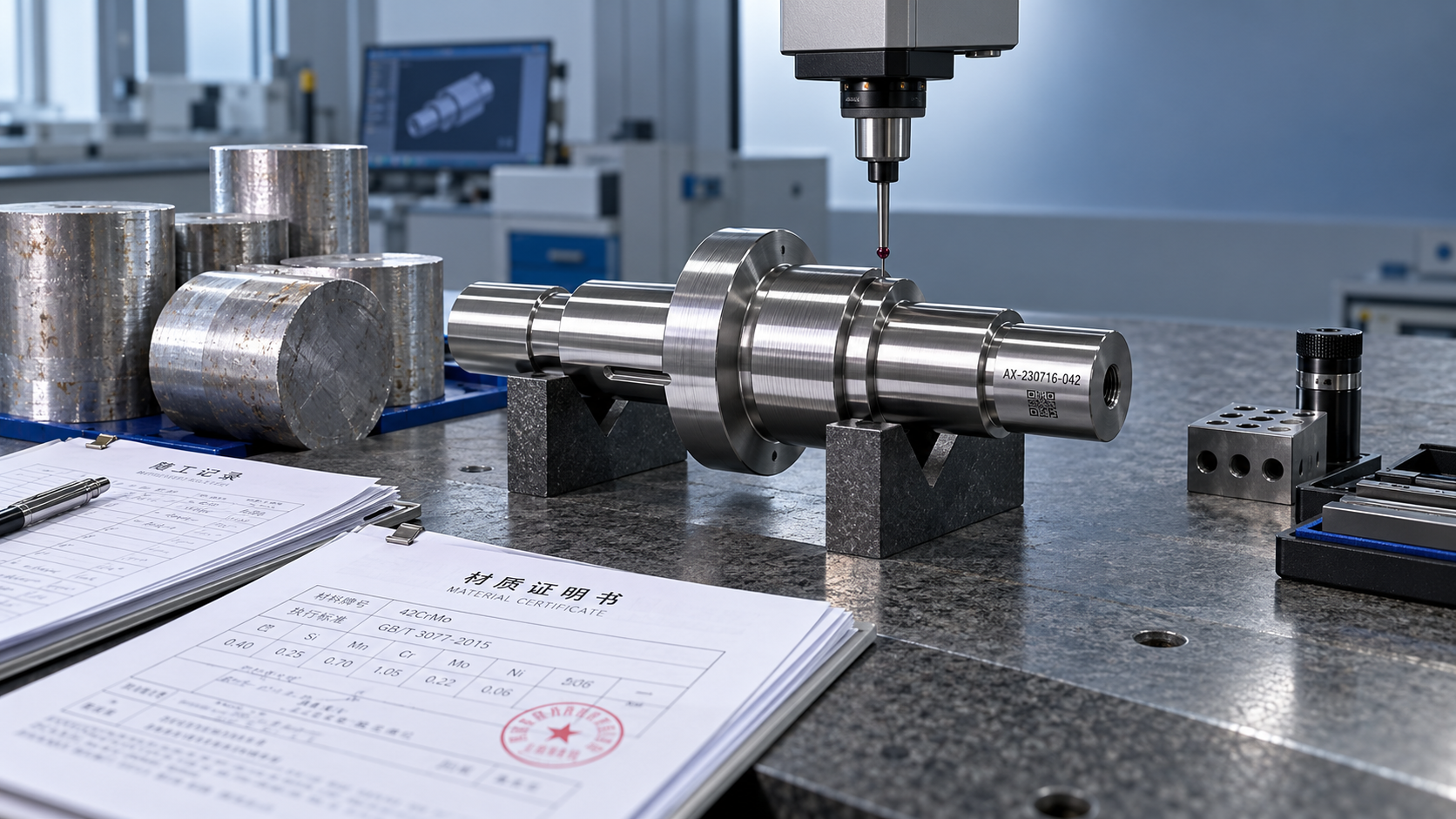
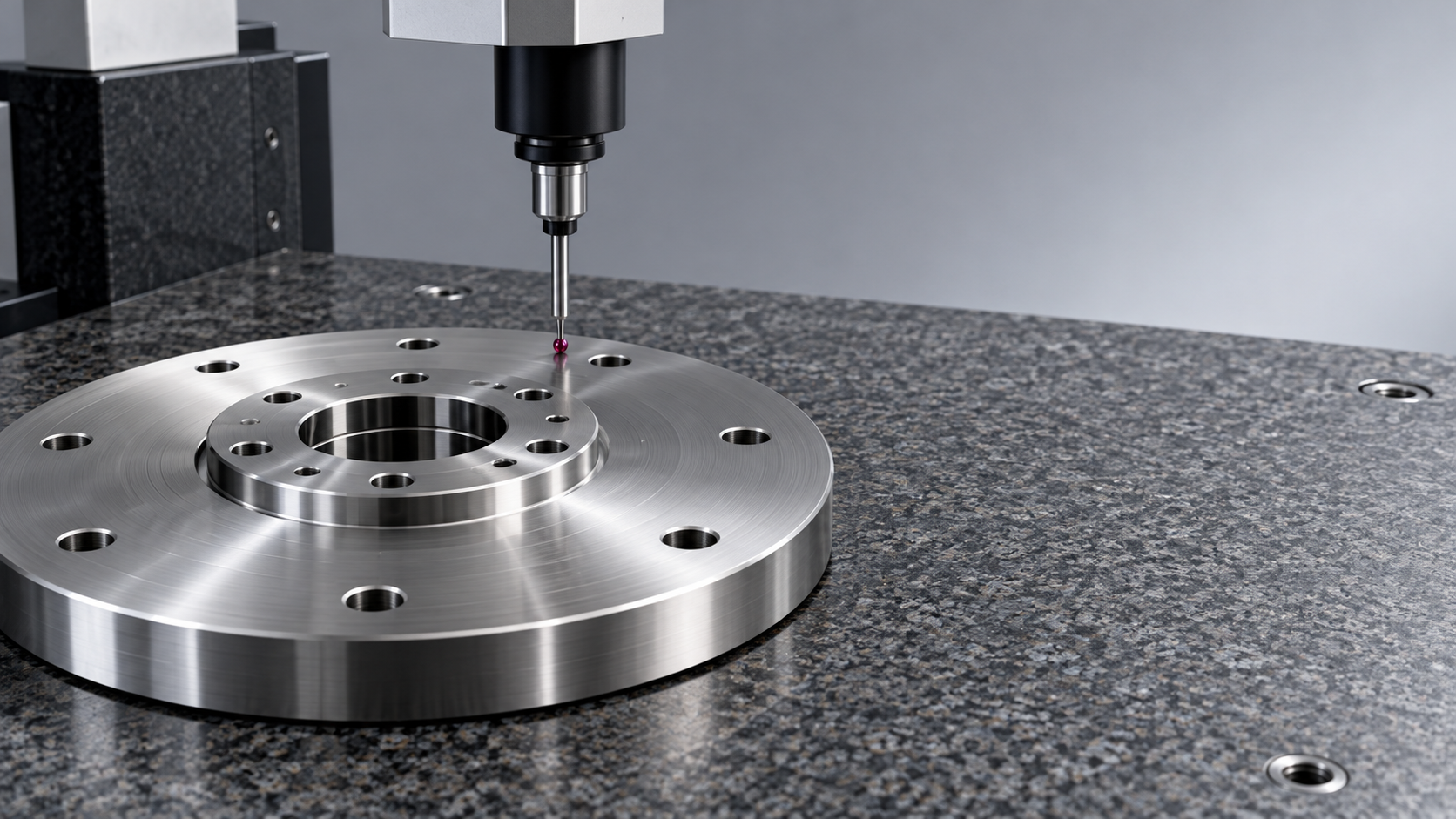
Turning shafts, milling housings, and finishing precision discs do not place the same demands on holders and clamping methods.
How should the final decision be made before placing the order?
The most reliable decision usually combines specification review, trial validation, and supply risk assessment.
Start by mapping the Tooling System against real parts, real materials, and planned machine platforms.
Then compare measured runout, setup time, changeover repeatability, and coolant performance under actual cutting conditions.
It also helps to review support capacity.
Check lead times, local service, replacement components, and whether technical documents are clear enough for fast implementation.
For lines moving toward automation, confirm data compatibility with presetting and tool management processes.
A Tooling System should fit current production and still make sense when batch sizes, part complexity, or digital requirements increase.
In short, the best choice is rarely the cheapest holder on paper.
It is the system that maintains accuracy, keeps cycle time under control, and avoids avoidable cost over time.
Before moving forward, organize a comparison sheet around the seven key specs, test them on representative parts, and verify service continuity across the supply chain.
That step usually produces a clearer decision than price comparison alone.
PREVIOUS ARTICLE
NEXT ARTICLE
Recommended for You
![]() Mitsubishi Electric Announces Physical AI System Linking Humanoid Robots and CNC MachinesMachine Tool Industry Editorial Team
Mitsubishi Electric Announces Physical AI System Linking Humanoid Robots and CNC MachinesMachine Tool Industry Editorial Team Precision Machining for Defense: Supplier Quality and Traceability ChecksManufacturing Market Research Center
![]() Nidec Machine Tool Launches MVR-5X Five-Axis Gantry MachineMachine Tool Industry Editorial Team
Nidec Machine Tool Launches MVR-5X Five-Axis Gantry MachineMachine Tool Industry Editorial Team Choosing a Precision Disc Parts Manufacturer in China: Tolerances and Quality ChecksManufacturing Market Research Center
![]() Siemens Executive Says AI Could Raise Factory Automation to 80%Manufacturing Market Research Center
Siemens Executive Says AI Could Raise Factory Automation to 80%Manufacturing Market Research Center Choosing Automated Machine Tools for High-Mix, Low-Volume ProductionMachine Tool Industry Editorial Team


Aris Katos
Future of Carbide Coatings
15+ years in precision manufacturing systems. Specialized in high-speed milling and aerospace grade alloy processing.
▶
KATS Expands CE Recognition for CNC Clamping SystemsMachine Tool Industry Editorial Team▶
How to Evaluate a Tooling System for Precision Machining: 7 Key Specs That MatterMachine Tool Industry Editorial Team▶
ITC Opens 337 Probe Into Chinese CNC Tool CoatingsMachine Tool Industry Editorial Team▶
Vietnam Ends 5% Tariff on Chinese CNC Tool ImportsMachine Tool Industry Editorial Team▶
Japan Ends Import License Rule for Chinese Cutting ToolsMachine Tool Industry Editorial Team
▶
Mastering 5-Axis Workholding Strategies
Join our technical panel on Nov 15th to learn about reducing vibrations in thin-wall components.

Providing you with integrated sanding solutions
Before-sales and after-sales services
Comprehensive technical support