• Global CNC market projected to reach $128B by 2028 • New EU trade regulations for precision tooling components • Aerospace deman
NYSE: CNC +1.2%LME: STEEL -0.4%

CIBF 2026 Signals Surge in Demand for High-Rigidity龙门 Machining Centers

At the conclusion of the 18th Shenzhen CIBF Battery Exhibition on May 11, 2026, a notable shift emerged in global procurement behavior: demand for domestically produced high-rigidity gantry-type CNC machining centers—specifically engineered for precision processing of battery electrode slitting tools and cell housing components—rose by 300% year-on-year in on-site intent orders. This development reflects evolving technical requirements from overseas battery manufacturers, particularly in Southeast Asia and the Middle East, and signals a broader inflection point in the international adoption of China-developed heavy-duty precision machine tools.
Event Overview
According to official CIBF 2026 exhibition data released on May 11, 2026, orders for Chinese-made high-rigidity gantry machining centers—with X/Y/Z-axis repeat positioning accuracy ≤3 μm—increased by 300% compared to CIBF 2024. These machines are primarily deployed in动力电池极片模切 and电芯壳体精密加工 applications. Intended buyers were predominantly battery cell producers based in Southeast Asia and the Middle East. Lead times for confirmed orders have extended to 14–16 weeks.
Industries Affected
Direct Trade Enterprises
Export-oriented machine tool distributors and OEM trading companies face intensified pressure on order fulfillment capacity and after-sales technical support scalability. The 300% surge in intent orders has directly strained logistics coordination, customs documentation throughput, and multilingual commissioning service planning—especially where local technical teams lack prior experience with Chinese gantry platform architectures.
Raw Material Procurement Enterprises
Suppliers of high-grade cast iron bases, pre-stressed linear guideways, and thermally stable spindle assemblies report accelerated quotation cycles and tighter tolerance specifications. The jump in demand correlates with stricter material certification requirements (e.g., ISO 10791-7 compliance for dynamic rigidity testing), prompting procurement firms to re-evaluate supplier qualification timelines and raw material traceability protocols.
Manufacturing & Contract Processing Enterprises
Domestic CNC machine builders—and their Tier-1 subsystem integrators—are experiencing compressed engineering-to-delivery windows. With lead times now at 14–16 weeks, production scheduling must accommodate longer component sourcing cycles and more rigorous in-process metrology validation. Notably, manufacturers report increased requests for on-machine laser interferometry verification and thermal deformation compensation modules—features previously considered optional.
Supply Chain Service Providers
Freight forwarders specializing in oversized machinery transport, as well as third-party calibration and installation service networks, observe rising demand for cross-border technical handover protocols. The geographic concentration of new buyers in ASEAN and GCC countries necessitates updated compliance mapping—including CE/UKCA marking readiness, ATEX considerations for battery factory environments, and localized operator training content delivery.
Key Considerations and Recommended Actions
Reassess Capacity Planning Against Verified Order Velocity
Rather than extrapolating from headline growth figures, trade and manufacturing firms should benchmark actual signed contracts—not just intent orders—against historical conversion rates from previous CIBF editions. Preliminary data suggests a 58–63% conversion rate for gantry-center intent orders over the past three exhibitions.
Prioritize Localization of Technical Support Infrastructure
Given that over 72% of newly expressed demand originates from facilities outside China’s time zones, enterprises should accelerate deployment of bilingual field application engineers and remote diagnostic capabilities—notably real-time vibration spectrum analysis and geometric error mapping via cloud-connected NC controllers.
Strengthen Certification Alignment for Target Markets
Integrating IEC 61800-5-1 (functional safety for drives) and ISO 13849-1 (PLd-rated control architecture) into base machine configurations is no longer optional for Middle Eastern and Vietnamese battery projects. Firms should initiate pre-audit engagements with notified bodies before Q3 2026.
Editorial Perspective / Industry Observation
Observably, this 300% order surge is less an isolated market spike and more a structural acceleration of two converging trends: first, the maturation of China’s ultra-precision motion control ecosystem—particularly in multi-axis thermal error modeling and real-time stiffness compensation; second, the strategic recalibration of overseas battery gigafactories toward ‘tooling sovereignty’, reducing reliance on legacy European/Japanese machining platforms amid supply chain resilience mandates. Analysis shows that the increase is concentrated among Tier-2 and Tier-3 battery makers expanding beyond LFP into high-nickel and solid-state pilot lines—where dimensional stability under continuous high-feed cutting becomes non-negotiable. It is therefore more accurate to interpret this not as generic demand growth, but as a technical threshold crossing in global battery manufacturing infrastructure.
Conclusion
This trend underscores a quiet but consequential evolution: China’s role in advanced manufacturing equipment is shifting from cost-competitive supplier to specification-defining partner in mission-critical battery production processes. For stakeholders across the value chain, the implication is clear—not just higher volumes, but higher technical accountability, tighter integration requirements, and longer-term co-development commitments.
Source Attribution
Data sourced from official CIBF 2026 Exhibition Statistical Summary (Shenzhen Convention & Exhibition Group, May 11, 2026); supplementary technical parameters verified against GB/T 17421.2–2022 and ISO 230-2:2023 test reports from three participating domestic OEMs. Note: Conversion rate metrics and regional buyer breakdowns remain under active verification and will be updated following Q2 2026 contract fulfillment audits.
PREVIOUS ARTICLE
Recommended for You
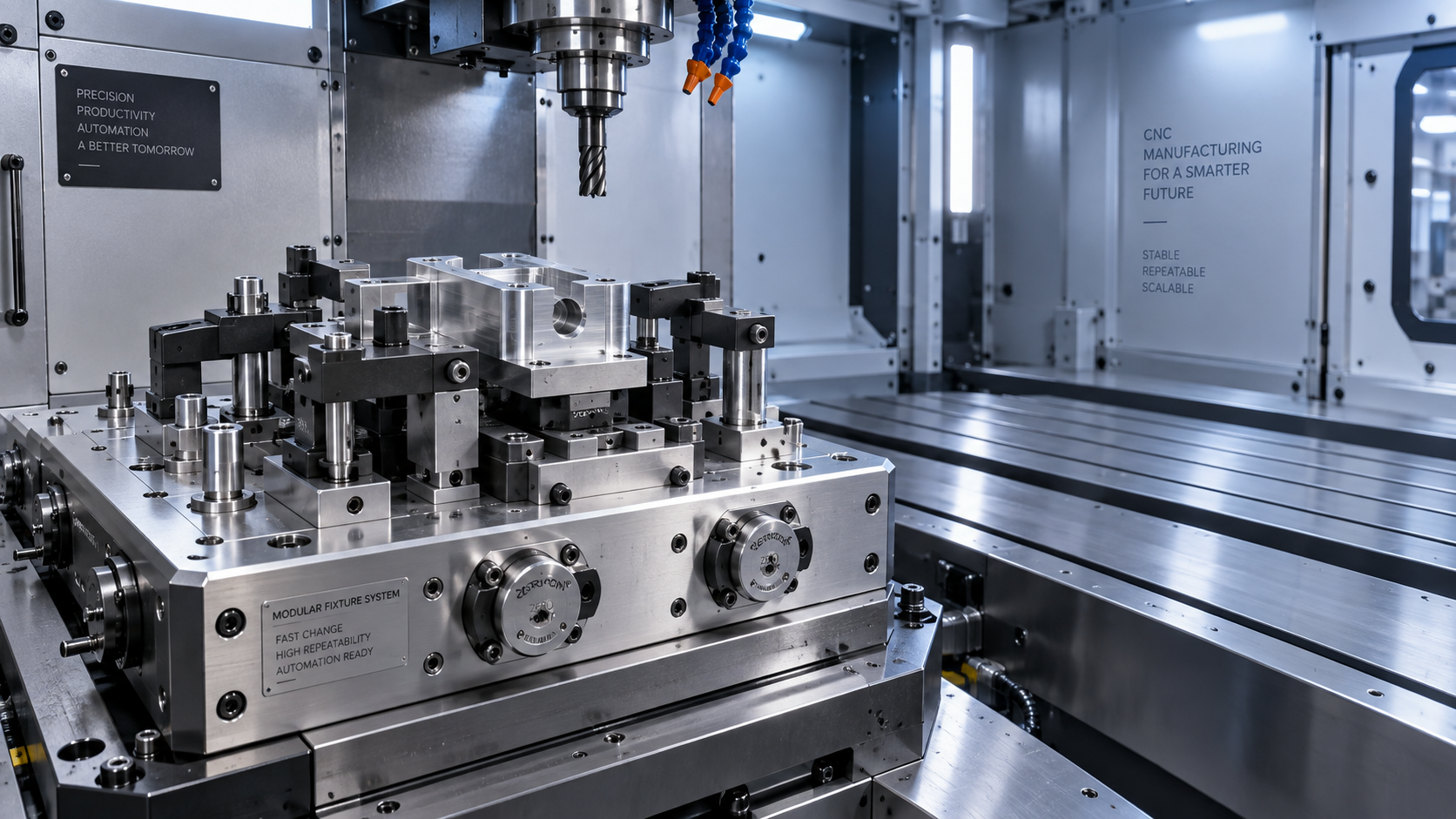
 Zero-Point Clamping or Modular Fixtures? Choosing a Faster CNC Changeover SystemCNC Machining Technology Center
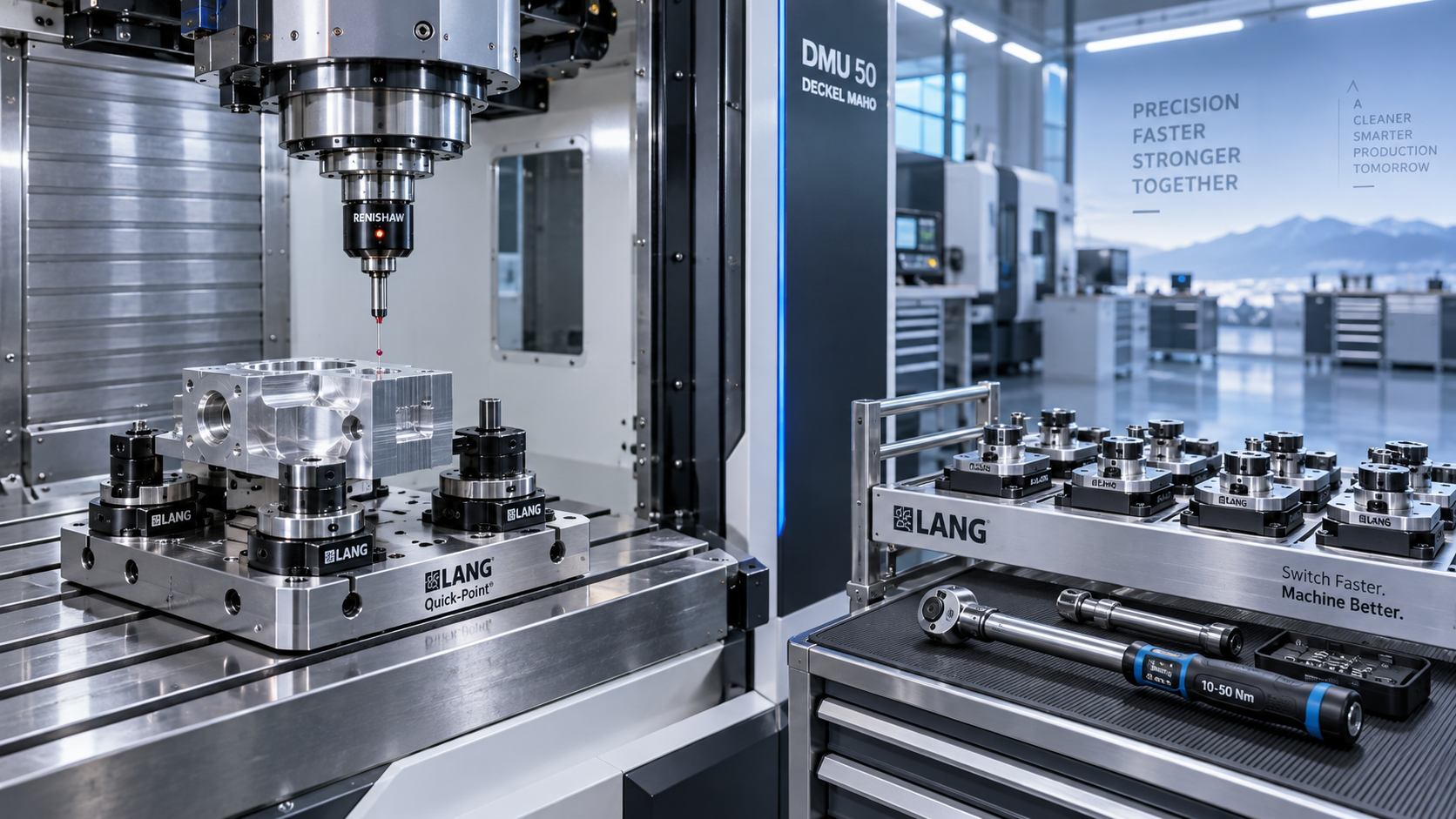
 How to Cut CNC Fixture Changeover Time Without Sacrificing Part AccuracyCNC Machining Technology Center
 When Does CNC Turning Pay Off? A Break-Even Guide by Annual Part VolumeMachine Tool Industry Editorial Team
 Machine Tool Standards by Country: What Importers Must Verify Before PurchaseManufacturing Policy Research Center
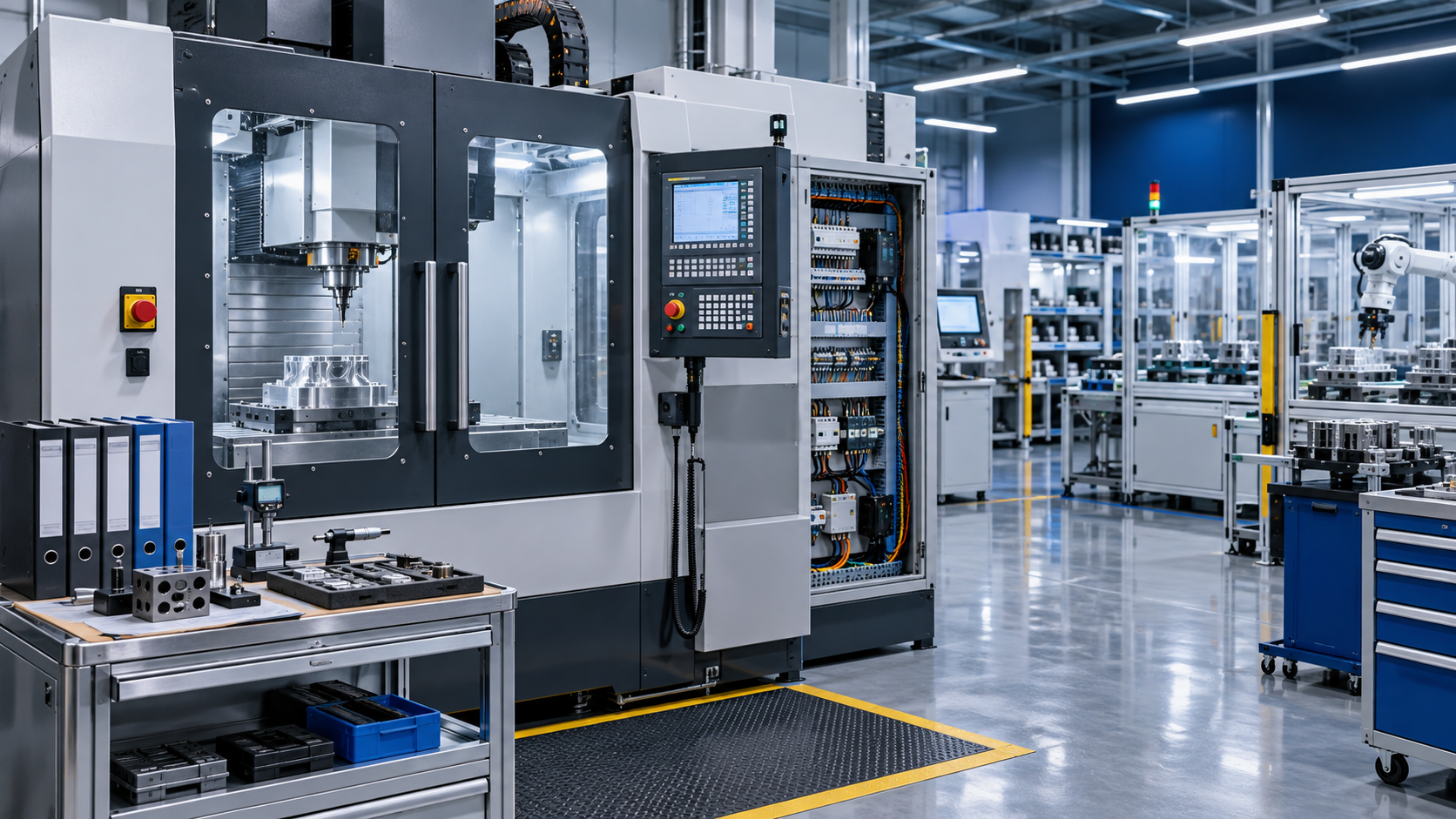
 CNC Lathe Quick Installation Guide: Alignment Checks Before First Production RunCNC Machining Technology Center
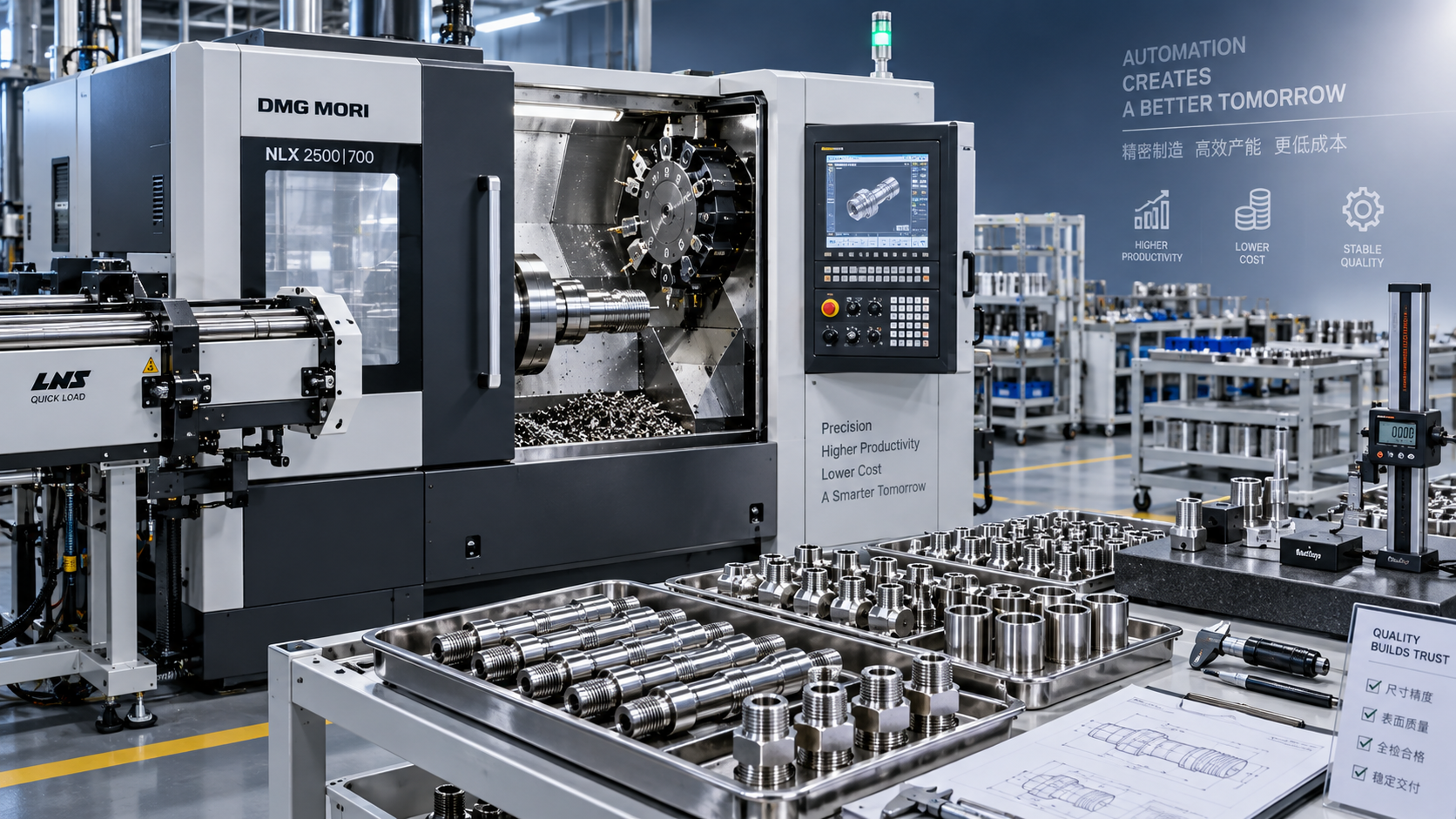
 How to Select a CNC Lathe for Small Parts Without Sacrificing Accuracy or Cycle TimeCNC Machining Technology Center

Aris Katos
Future of Carbide Coatings
15+ years in precision manufacturing systems. Specialized in high-speed milling and aerospace grade alloy processing.
▶
Japan Subsidy Plan Narrows CNC Export OpeningsManufacturing Market Research Center▶
Industrial Robotics ROI: Cost Drivers, Integration Risks, and Payback Benchmarks for BuyersManufacturing Market Research Center▶
India’s 20% Rice Export Tax Lifts Demand for Processing EquipmentManufacturing Market Research Center▶
Anhui Growth Lifts Demand for High-End Machine ToolsManufacturing Market Research Center▶
China CNC Rate to Hit 75% by 2027Manufacturing Market Research Center
Mastering 5-Axis Workholding Strategies
Join our technical panel on Nov 15th to learn about reducing vibrations in thin-wall components.

Providing you with integrated sanding solutions
Before-sales and after-sales services
Comprehensive technical support