• Global CNC market projected to reach $128B by 2028 • New EU trade regulations for precision tooling components • Aerospace deman
NYSE: CNC +1.2%LME: STEEL -0.4%

New Export Rules for Chinese 5-Axis CNC Machines Take Effect: Unlicensed Shipments Risk Full Container Seizure

Effective May 28, 2026, China’s General Administration of Customs implemented the Operational Guidelines for Penetrative Review of Dual-Use Items, introducing mandatory licensing requirements for high-precision and multi-axis numerical control machine tools exported overseas. The regulation directly affects global suppliers, importers, and logistics providers engaged in precision manufacturing equipment trade, particularly in North America, Europe, Southeast Asia, and the Middle East.
Mandatory Licensing for High-Precision and Multi-Axis CNC Machine Tools
As of May 28, 2026, the General Administration of Customs formally enforced the Operational Guidelines for Penetrative Review of Dual-Use Items. Under these guidelines, CNC machine tools with positioning accuracy better than 6 μm or incorporating two or more rotary axes—including five-axis联动 machining centers and high-precision turning-milling compound machines—are classified as dual-use items requiring a compulsory export license. Export shipments without valid licenses are subject to full-container detention at customs, enterprise credit downgrades, and substantial financial penalties.
Impact Across the Industrial Value Chain
Export-Oriented Trading Enterprises
These enterprises must now verify license eligibility prior to shipment initiation. Non-compliance risks not only cargo seizure but also long-term reputational damage and restricted access to preferential trade programs. Pre-shipment documentation review—including technical specifications and end-user declarations—has become a critical operational checkpoint.
Raw Material and Component Procurement Firms
While not directly exporting finished machines, firms supplying high-precision motion control systems, rotary tables, or ultra-accurate linear guides may face upstream scrutiny. Buyers increasingly require traceability documentation confirming that subcomponents do not trigger dual-use classification—shifting compliance responsibility further down the supply chain.
Machinery Manufacturing Companies
Manufacturers must now align product design documentation, test reports (e.g., ISO 230-2 positioning accuracy verification), and export-ready technical dossiers with licensing criteria. Product labeling, user manuals, and firmware capabilities may also be reviewed for features falling under controlled functionality—such as simultaneous multi-axis interpolation or real-time adaptive compensation.
Supply Chain and Logistics Service Providers
Freight forwarders and customs brokers handling such equipment must confirm license validity before accepting bookings. Automated customs clearance systems now flag shipments matching the defined technical parameters, triggering manual review. Delays at ports—and associated demurrage costs—are expected to rise unless compliance verification is embedded early in the booking workflow.
Key Compliance Priorities and Practical Response Steps
Confirm Dual-Use Classification Before Quotation
Manufacturers and exporters should conduct internal technical assessments against the defined thresholds (<6 μm accuracy or ≥2 rotary axes) before submitting commercial offers. Relying solely on model names or marketing terms is insufficient; objective metrology data and axis architecture diagrams are essential for accurate classification.
Integrate License Acquisition into Order Fulfillment Timelines
Export license processing may take several weeks. Businesses must revise lead time estimates and coordinate closely with the Ministry of Commerce’s licensing authority. Orders destined for sensitive end-users—or involving certain countries—may require additional end-use assurances, extending approval cycles.
Update Technical Documentation for Regulatory Alignment
User manuals, CE/UKCA declarations, and ISO conformity statements must explicitly exclude references to controlled functionalities unless licensed. Firmware versions enabling advanced multi-axis synchronization should be documented and, where necessary, segregated for non-licensed markets.
Strengthen Supplier and End-User Due Diligence
Exporters bear responsibility for verifying the legitimacy and intended use of overseas buyers. Enhanced due diligence—including official business registration validation, site visits, and signed end-user undertakings—is now standard practice to mitigate downstream misuse risk and support license applications.
Industry Observation: A Strategic Shift Toward Embedded Compliance
Analysis shows this policy marks a structural evolution—not merely an administrative tightening—from transactional export control to system-level compliance integration. Observably, manufacturers can no longer treat licensing as a final-step paperwork exercise. Instead, technical design choices, software architecture, documentation frameworks, and even sales contract clauses must now reflect regulatory intent from the earliest development phase. What deserves closer attention is how rapidly global buyers adapt their procurement workflows: many are now requiring pre-certified machine configurations and demanding real-time access to license status dashboards. This signals a broader trend toward compliance-as-a-service within industrial equipment supply chains.
Strategic Implications for Global Precision Manufacturing Trade
This regulatory update underscores a growing convergence between technological capability and trade governance. It does not restrict legitimate industrial collaboration—but it does raise the baseline for transparency, traceability, and technical accountability across the entire export lifecycle. For stakeholders, the priority is not avoidance, but systematic alignment: embedding compliance into engineering decisions, commercial agreements, and operational planning. Sustainable competitiveness will increasingly depend on proactive regulatory intelligence—not reactive remediation.
Source Attribution and Ongoing Monitoring
This article is generated based solely on the title, event date, and summary provided by the user. Specific official source links were not provided in the input and should be verified continuously. Stakeholders are advised to monitor updates from China’s Ministry of Commerce (MOFCOM), the General Administration of Customs, and national dual-use item licensing authorities. Further observation is warranted regarding implementation details—including licensing application templates, interpretation of ‘rotary axis’ in hybrid kinematic structures, sector-specific exemptions, and evolving enforcement patterns across major ports.
Recommended for You
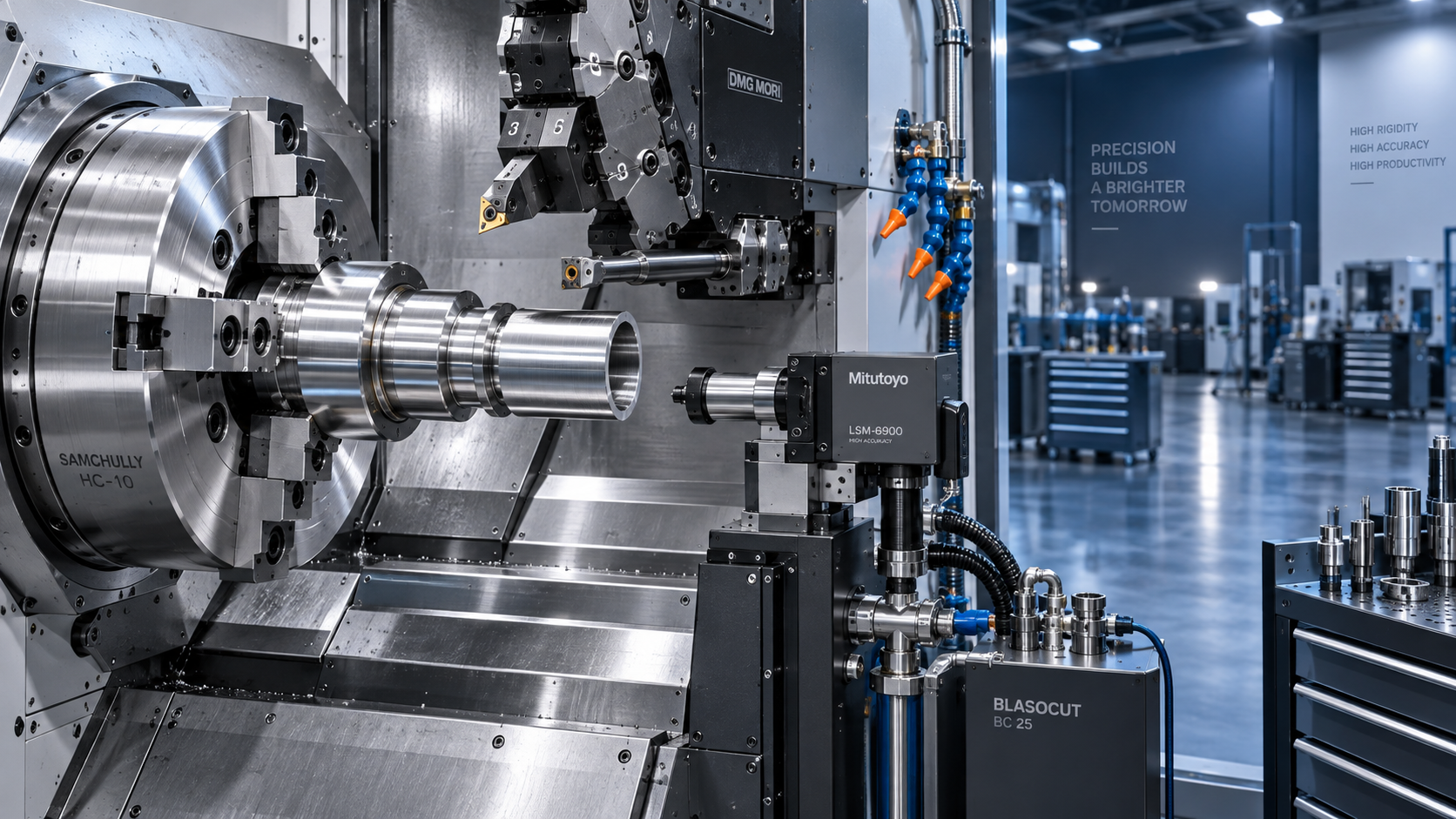
 How to Select a CNC Metal Lathe for Tight-Tolerance Shaft and Sleeve PartsCNC Machining Technology Center
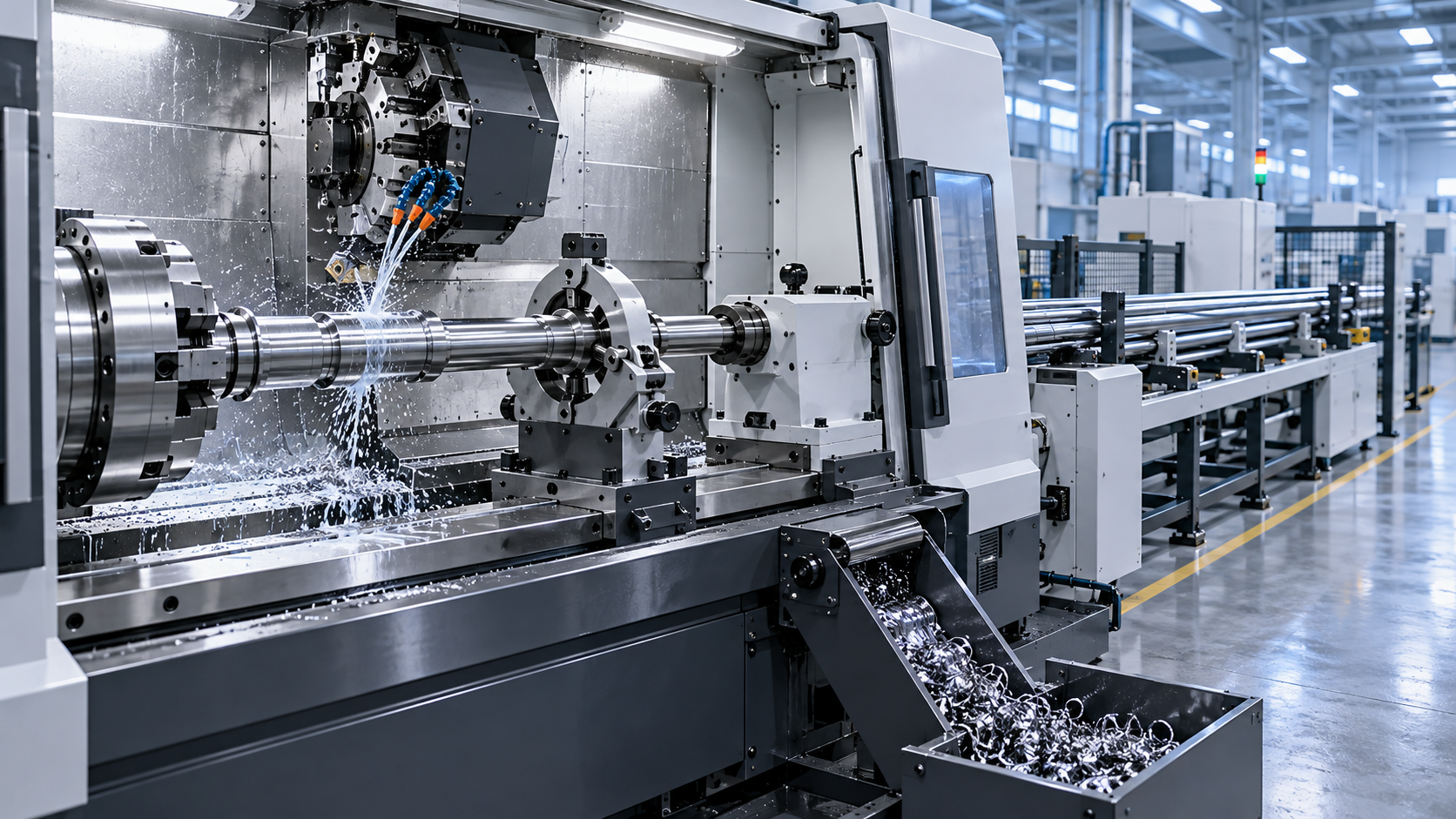
 How to Select an Industrial Lathe for High-Volume Shaft ProductionMachine Tool Industry Editorial Team
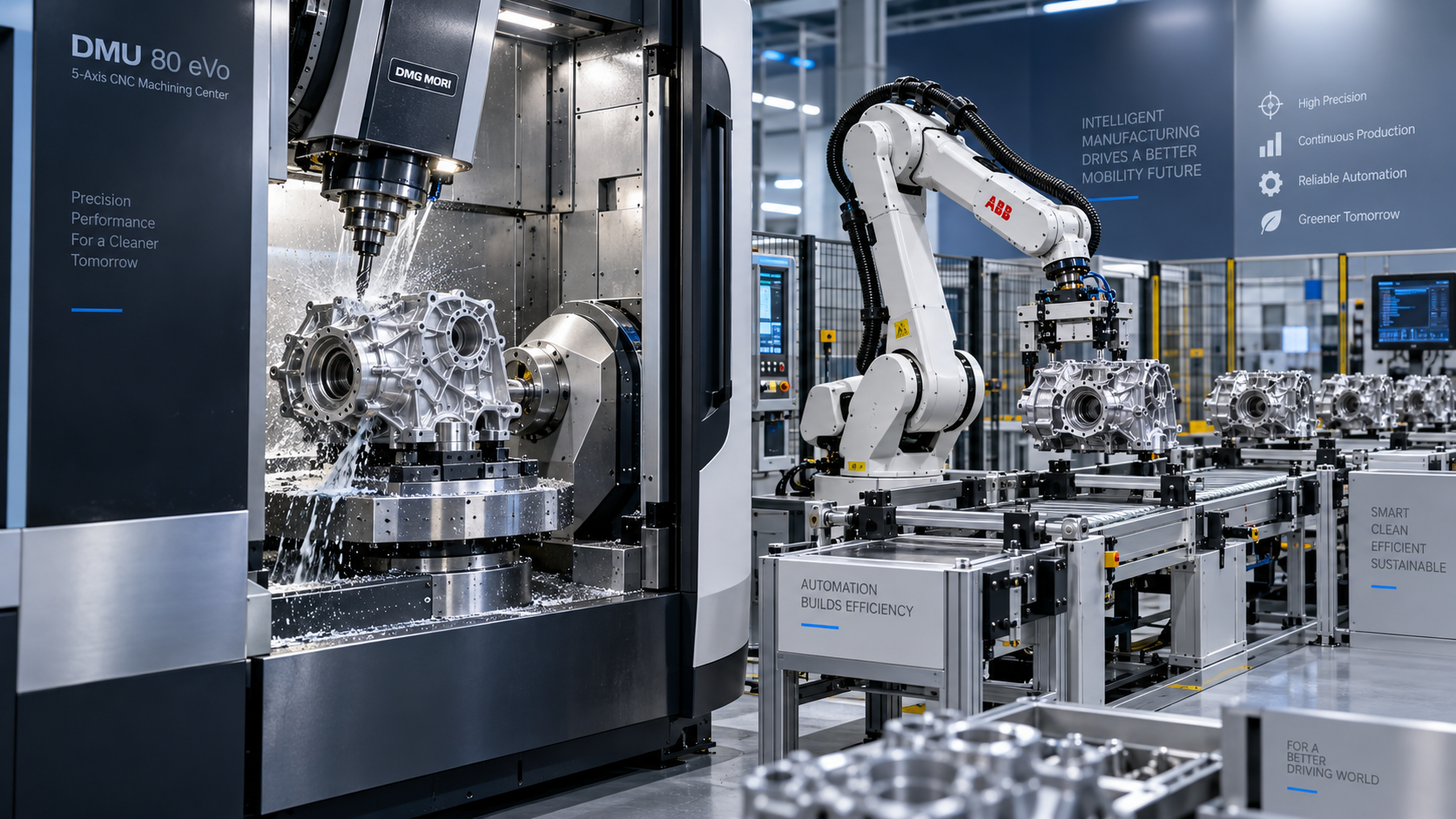
 Selecting Machine Tools for Automotive Parts: Accuracy, Throughput, and AutomationMachine Tool Industry Editorial Team
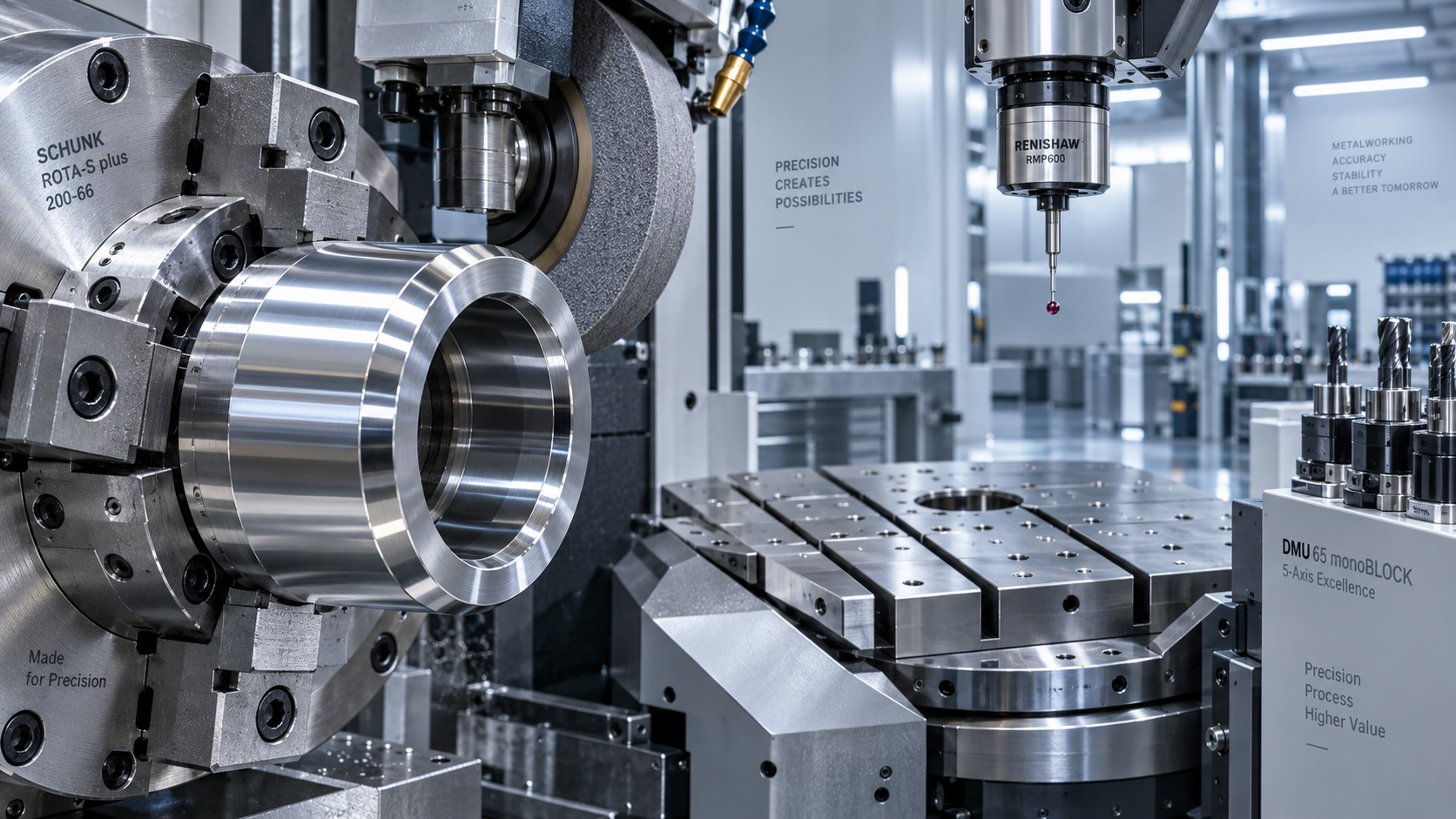
 Industrial Machining: Selecting Processes for Tight-Tolerance Metal PartsCNC Machining Technology Center
 Manufacturing Technology Trends That Improve Throughput and Quality ControlManufacturing Market Research Center
 How to Design Cost-Effective Fixtures That Maintain Cycle Time in Mass ProductionCNC Machining Technology Center


Aris Katos
Future of Carbide Coatings
15+ years in precision manufacturing systems. Specialized in high-speed milling and aerospace grade alloy processing.
▶
How to Select a CNC Metal Lathe for Tight-Tolerance Shaft and Sleeve PartsCNC Machining Technology Center▶
How to Select an Industrial Lathe for High-Volume Shaft ProductionMachine Tool Industry Editorial Team▶
Selecting Machine Tools for Automotive Parts: Accuracy, Throughput, and AutomationMachine Tool Industry Editorial Team▶
Industrial Machining: Selecting Processes for Tight-Tolerance Metal PartsCNC Machining Technology Center▶
Manufacturing Technology Trends That Improve Throughput and Quality ControlManufacturing Market Research Center
Mastering 5-Axis Workholding Strategies
Join our technical panel on Nov 15th to learn about reducing vibrations in thin-wall components.

Providing you with integrated sanding solutions
Before-sales and after-sales services
Comprehensive technical support