• Global CNC market projected to reach $128B by 2028 • New EU trade regulations for precision tooling components • Aerospace deman
NYSE: CNC +1.2%LME: STEEL -0.4%

CNC Industrial Machines Maintenance Checklist: How to Reduce Downtime and Tool Wear
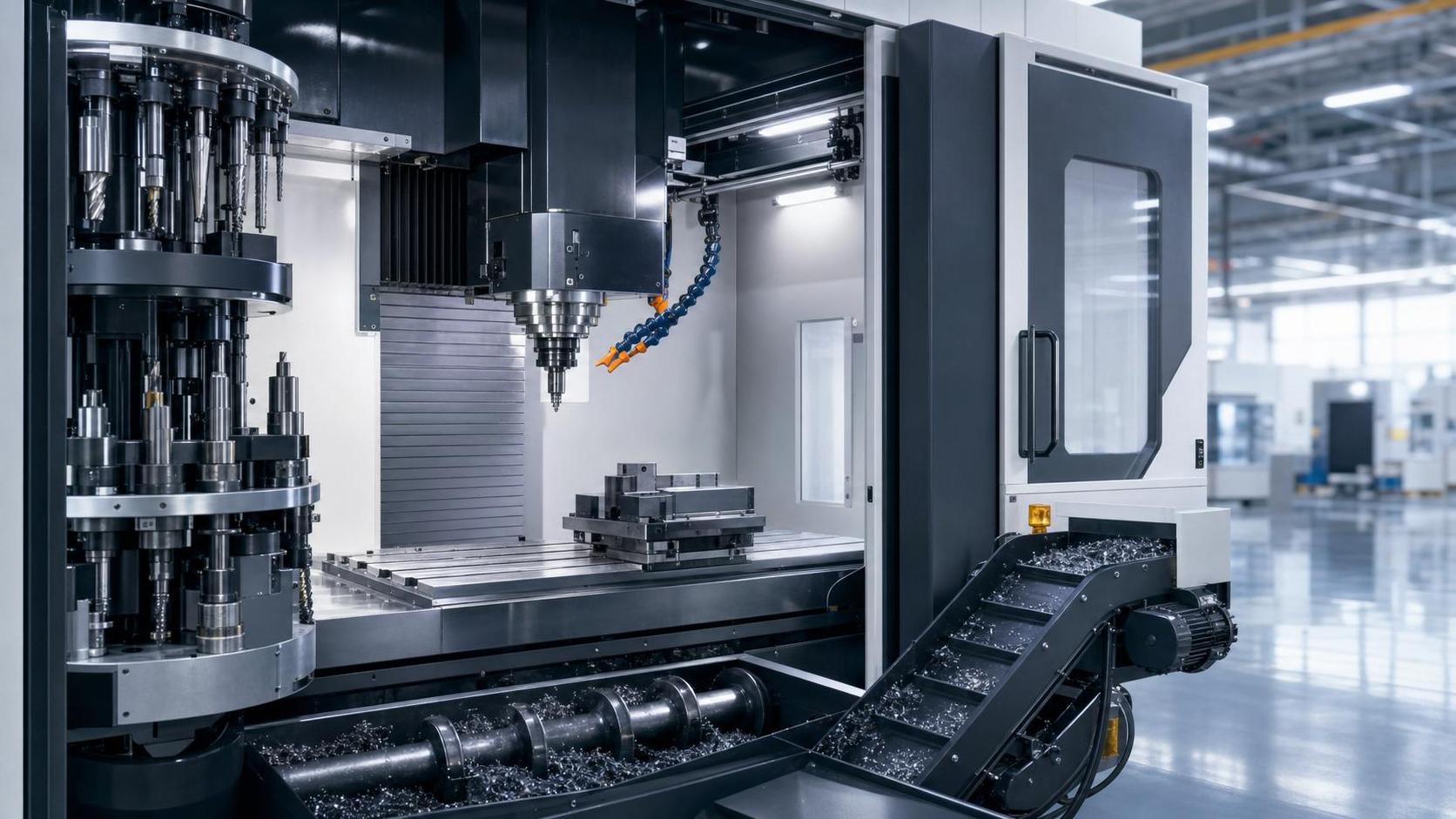
Why does a maintenance checklist matter so much for CNC industrial machines?
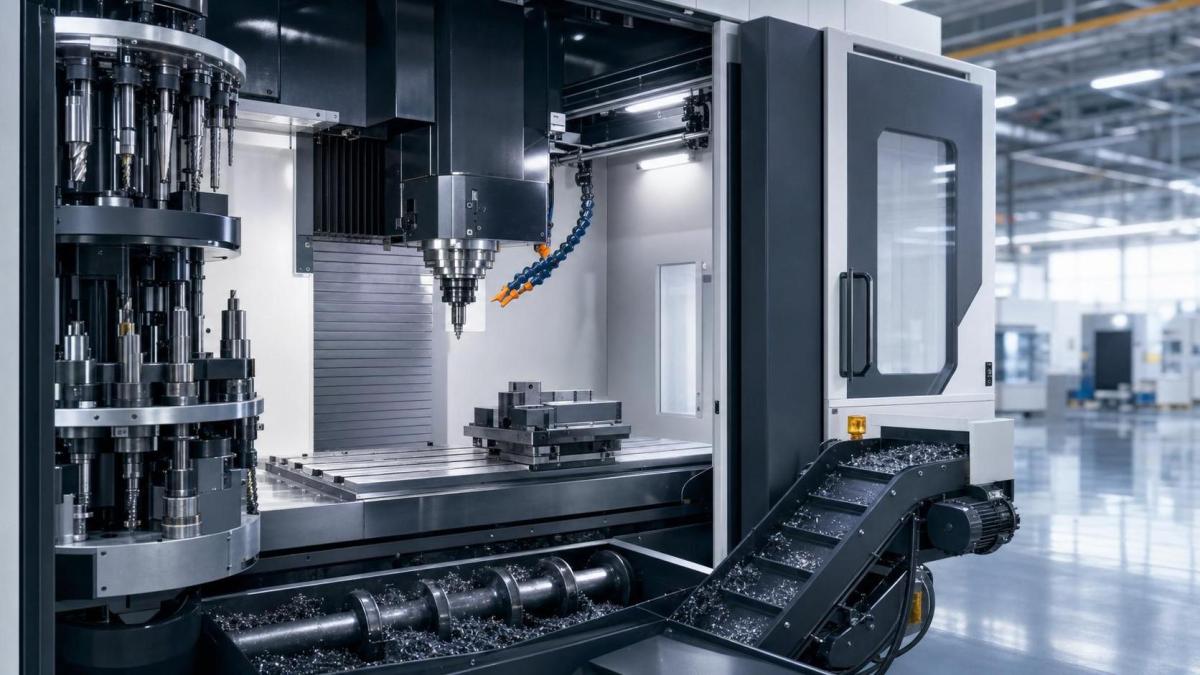
In precision manufacturing, downtime is rarely just a machine problem. It quickly becomes a quality problem, a delivery problem, and often a cost problem.
That is why a practical checklist for CNC industrial machines matters. It creates repeatable inspection habits before a spindle alarm, tool breakage, or axis deviation turns into a larger shutdown.
The pressure is even higher now. Automotive, aerospace, electronics, and energy equipment production all depend on tighter tolerances and more automated workflows.
In that environment, CNC industrial machines must run with stable geometry, clean lubrication, reliable cooling, and predictable tool behavior. Small neglect usually shows up first in tool wear and surface finish.
A good checklist is not paperwork for its own sake. It is a way to catch weak signals early, standardize service quality, and reduce repeat service calls across different machine models.
More importantly, checklist-based maintenance supports the broader direction of global machine tool development: higher precision, more automation, and stronger digital integration across production lines.
Which daily checks prevent the most common failures?
The most effective daily checks are usually simple, fast, and easy to overlook. They focus on contamination, lubrication, cooling performance, air supply, and abnormal machine behavior.
In actual service work, common failures often begin with a basic condition drifting out of range. A clogged filter or unstable coolant concentration can damage both tools and parts.
A useful daily checklist for CNC industrial machines should cover these points:
- Check lubrication oil level, pressure, and delivery to guideways and ball screws.
- Inspect coolant level, concentration, odor, chips, and pump flow stability.
- Drain water from air filters and confirm stable pneumatic pressure.
- Listen for spindle noise changes during warm-up and low-speed rotation.
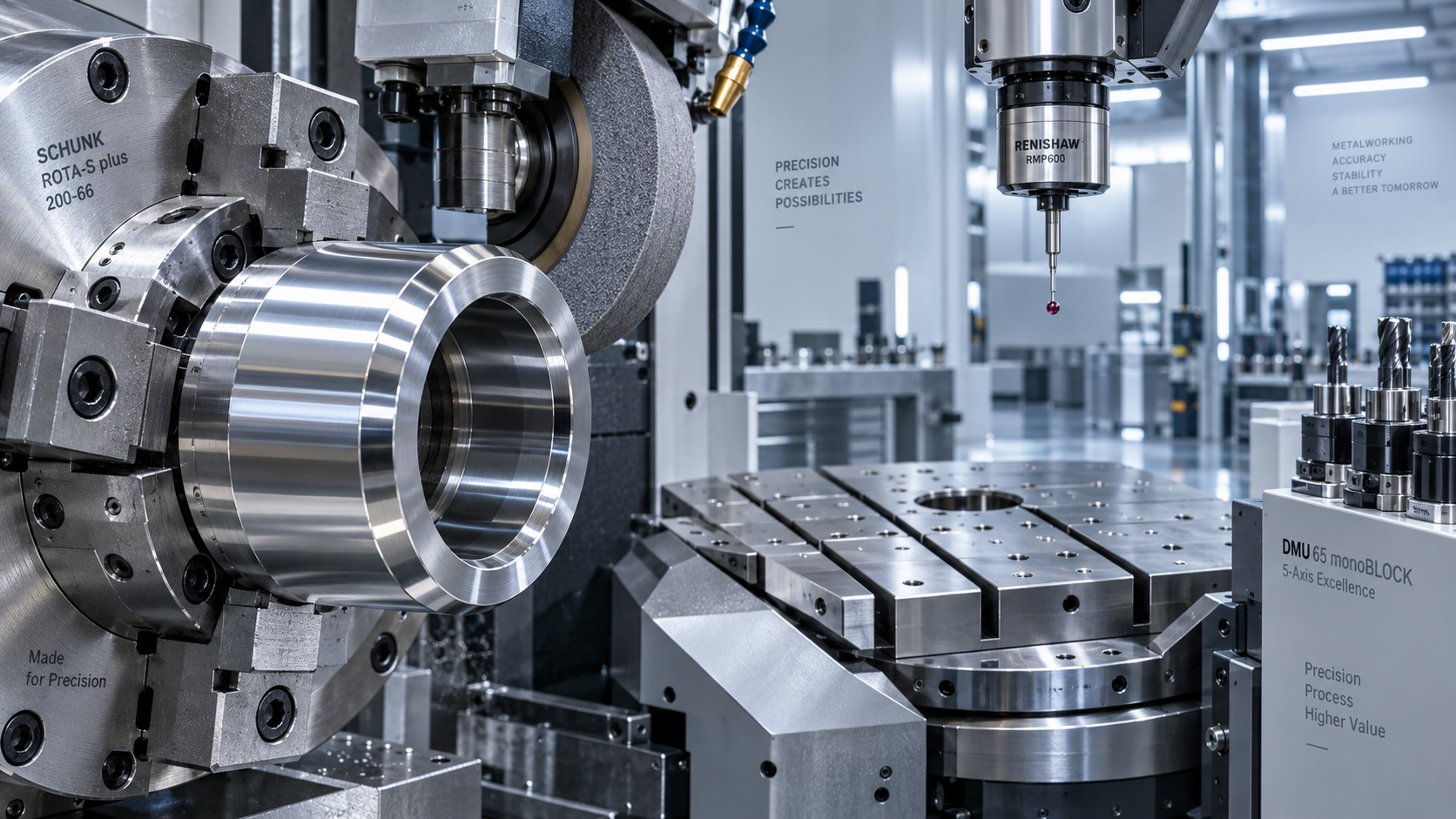
- Inspect tool holders, pull studs, and taper surfaces for dirt or fretting marks.
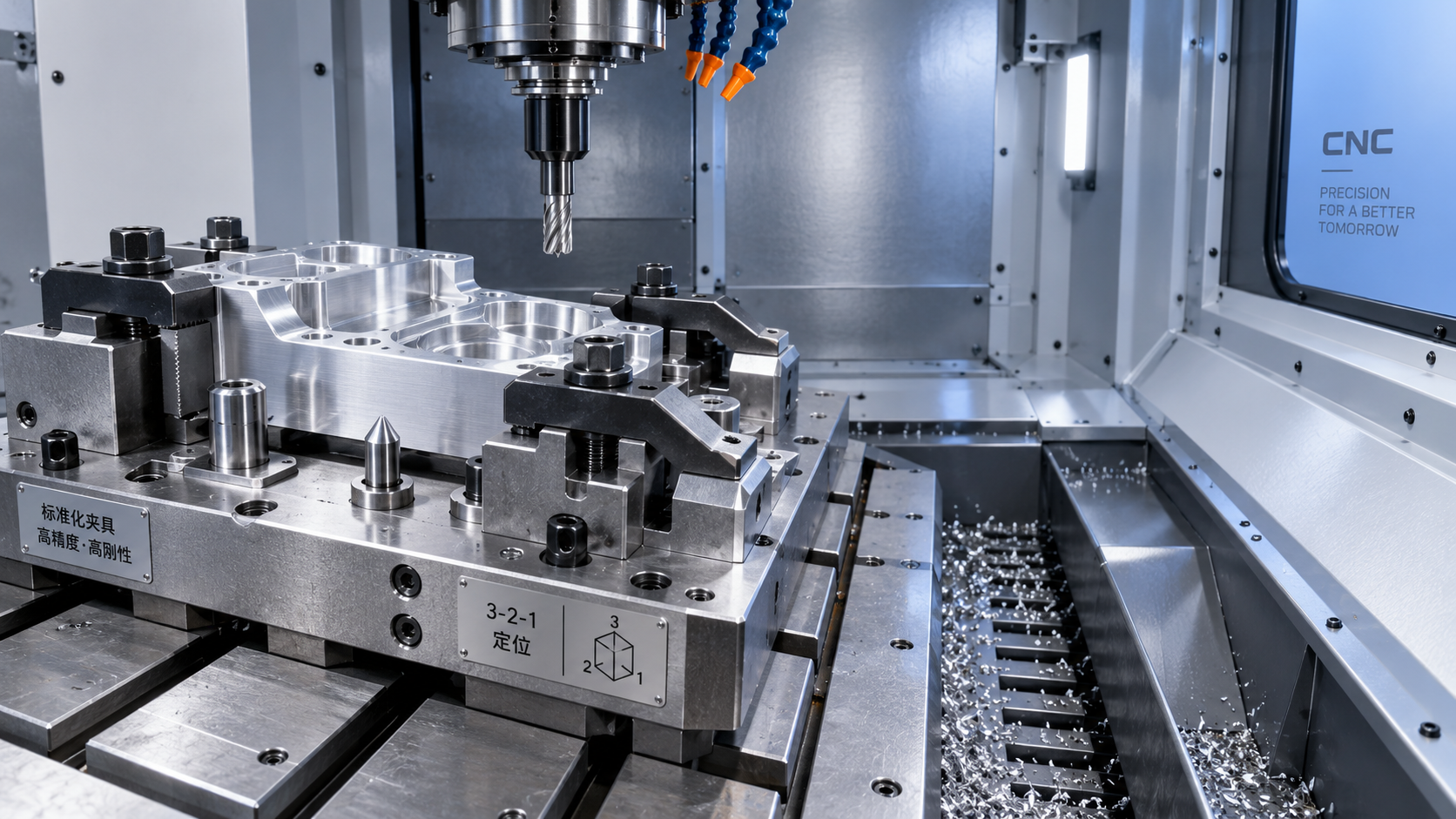
- Remove chip buildup around covers, conveyors, sensors, and limit areas.
- Review active alarms, servo load trends, and unusual cycle interruptions.
If time is limited, prioritize conditions that directly affect cutting heat, motion accuracy, and tool clamping. Those three areas account for a large share of avoidable wear.
When tool wear rises too fast, where should you look first?
Rapid tool wear is often blamed on cutting parameters alone, but that is only part of the picture. Machine condition, coolant delivery, and holder integrity are frequently involved.
A practical way to judge the cause is to separate wear patterns. Flank wear, crater wear, chipping, built-up edge, and sudden breakage point to different maintenance issues.
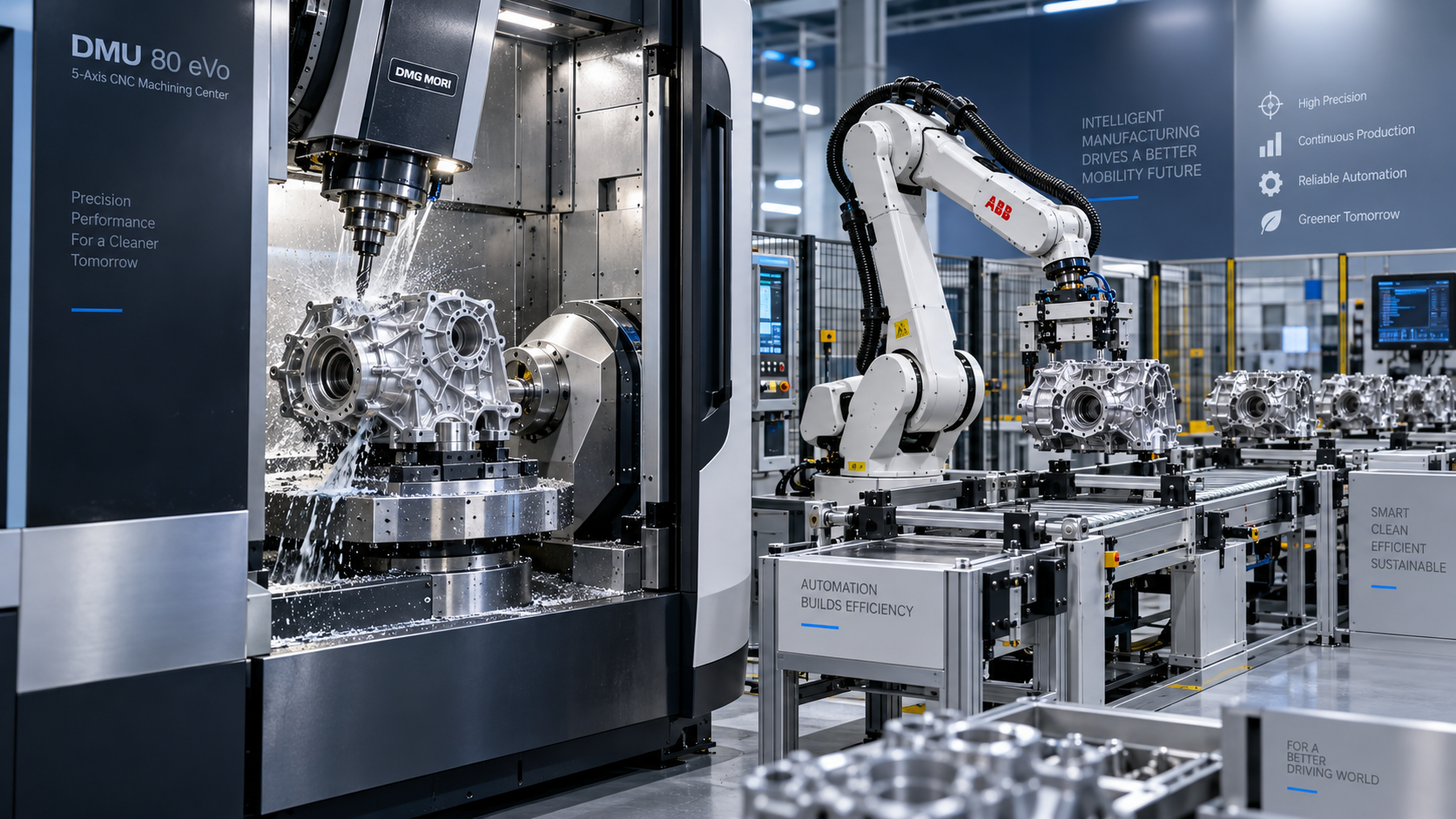
This kind of diagnosis is especially useful on CNC lathes, machining centers, and multi-axis systems, where one wear symptom can come from several linked conditions.
The key point is simple: if tool life drops across multiple jobs, the machine should be inspected before adjusting every program and every insert grade.
How often should CNC industrial machines receive deeper preventive maintenance?
There is no single interval that fits every site. Preventive maintenance should match machine age, duty cycle, part material, coolant usage, and production intensity.
Still, most CNC industrial machines benefit from a layered schedule rather than a single monthly service event. Daily checks catch drift. Weekly and monthly tasks confirm system stability.
A workable rhythm usually looks like this:
- Daily: lubrication, coolant, air supply, chip removal, alarm review, visible leaks.
- Weekly: spindle taper cleaning, holder inspection, filter cleaning, backlash trend review.
- Monthly: axis accuracy checks, belt condition, electrical cabinet cleanliness, coolant tank cleaning.
- Quarterly or semiannually: geometry verification, thermal stability checks, servo tuning review, vibration measurement.
Machines in flexible production lines or robotic cells usually need closer attention to sensors, automatic tool changers, and communication reliability.
That matters because smart manufacturing environments amplify small faults. One unstable CNC machine can disrupt scheduling across connected stations.
What maintenance mistakes cause repeat downtime even after service?
Repeat downtime often comes from partial fixes. The alarm disappears, but the root condition stays in place. A worn hose gets replaced, while contamination in the system remains untouched.
Another common mistake is treating every issue as isolated. In CNC industrial machines, spindle load, coolant quality, axis drag, and tool wear are usually connected.
The more common weak spots include:
- Resetting alarms without recording conditions, loads, and recurrence timing.
- Replacing tools before checking runout, taper cleanliness, and pull stud wear.
- Ignoring coolant concentration drift during heavy production weeks.
- Cleaning visible chips while leaving hidden chip packing near sensors and covers.
- Skipping warm-up routines on high-speed spindles after idle periods.
- Missing electrical cabinet dust, fan failure, or temperature rise.
Needless part replacement is another issue. It increases service cost without improving reliability if the real cause is misalignment, contamination, or unstable utilities.
A more reliable approach is to document symptoms, machine state, and corrective action together. Over time, patterns become easier to predict across similar CNC industrial machines.
How do you judge whether a checklist is actually reducing downtime?
A checklist only has value if it changes results. The best way to verify that is to track a few indicators before and after routine use.
Start with measures that directly reflect machine health and service quality, not just maintenance activity volume.
Where digital systems are available, connect checklist findings with alarm history, spindle load logs, and tool data. That produces much stronger maintenance decisions than handwritten notes alone.
This is increasingly relevant as global suppliers adopt smarter machine tool platforms and more connected production environments across major manufacturing regions.
What should be the next step if the current routine feels too reactive?
If service work mostly begins after alarms, the checklist is probably too generic or too infrequent. The next step is to rebuild it around failure history and high-risk subsystems.
Begin with the machines that create the highest production impact. Review recent stoppages, tool wear complaints, coolant issues, and recurring component replacements.
Then refine the checklist so each item answers a practical question: what drift can be detected, how fast it can be checked, and what action should follow.
For CNC industrial machines, the strongest routines usually focus on lubrication health, spindle and holder condition, coolant control, axis motion quality, and maintenance record accuracy.
A useful checklist should also fit current manufacturing reality. That means accounting for automation interfaces, multi-axis complexity, and the tighter quality expectations common in global precision production.
When the checklist becomes specific, measurable, and tied to actual failure patterns, downtime tends to fall for the right reason: problems are being found before they interrupt cutting.
The practical next move is to compare existing routines against real stoppage data, tighten inspection standards, and set review intervals that match machine load rather than calendar habit alone.
Recommended for You
 How to Select a CNC Metal Lathe for Tight-Tolerance Shaft and Sleeve PartsCNC Machining Technology Center
 How to Select an Industrial Lathe for High-Volume Shaft ProductionMachine Tool Industry Editorial Team
 Selecting Machine Tools for Automotive Parts: Accuracy, Throughput, and AutomationMachine Tool Industry Editorial Team
 Industrial Machining: Selecting Processes for Tight-Tolerance Metal PartsCNC Machining Technology Center
 Manufacturing Technology Trends That Improve Throughput and Quality ControlManufacturing Market Research Center
 How to Design Cost-Effective Fixtures That Maintain Cycle Time in Mass ProductionCNC Machining Technology Center


Aris Katos
Future of Carbide Coatings
15+ years in precision manufacturing systems. Specialized in high-speed milling and aerospace grade alloy processing.
▶
CNC Machine Arrival Inspection: Check Shipping Damage, Accuracy, Safety, and DocumentsCNC Machining Technology Center▶
What Should You Check When a CNC Machine Arrives at Your Factory?CNC Machining Technology Center▶
What Safety Checks Are Required for CNC Cutting Operations?CNC Machining Technology Center▶
What Are Machine Tools? Common Types, Functions, and Typical Shop ApplicationsCNC Machining Technology Center▶
CNC Industrial Machines Maintenance Checklist: How to Reduce Downtime and Tool WearCNC Machining Technology Center
Mastering 5-Axis Workholding Strategies
Join our technical panel on Nov 15th to learn about reducing vibrations in thin-wall components.

Providing you with integrated sanding solutions
Before-sales and after-sales services
Comprehensive technical support