• Global CNC market projected to reach $128B by 2028 • New EU trade regulations for precision tooling components • Aerospace deman
NYSE: CNC +1.2%LME: STEEL -0.4%

Where the Production Process Hides More Scrap Than Expected
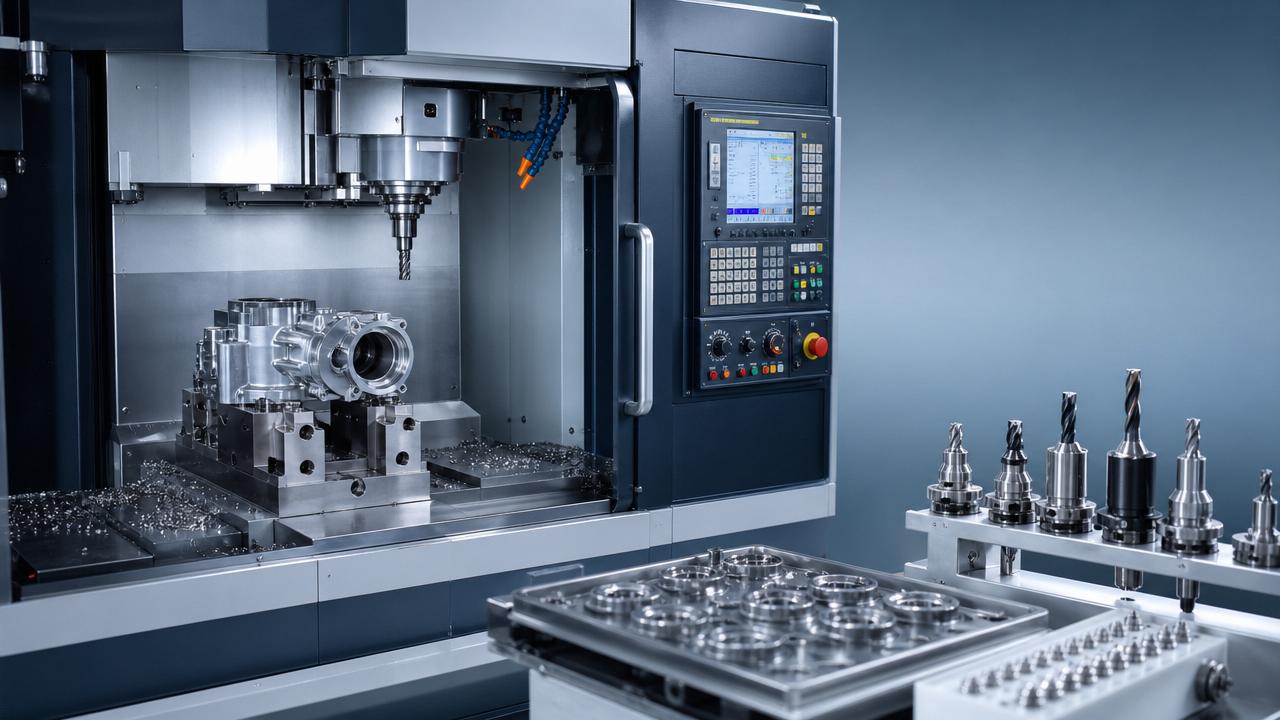
In modern CNC manufacturing, the Production Process often hides more scrap than managers expect—especially across tooling changes, setup routines, material handling, and multi-axis machining. For project leaders under pressure to improve yield, cut costs, and keep schedules on track, identifying these hidden loss points is essential to building a more efficient, predictable, and competitive operation.
Why does the Production Process create hidden scrap even in advanced CNC workshops?
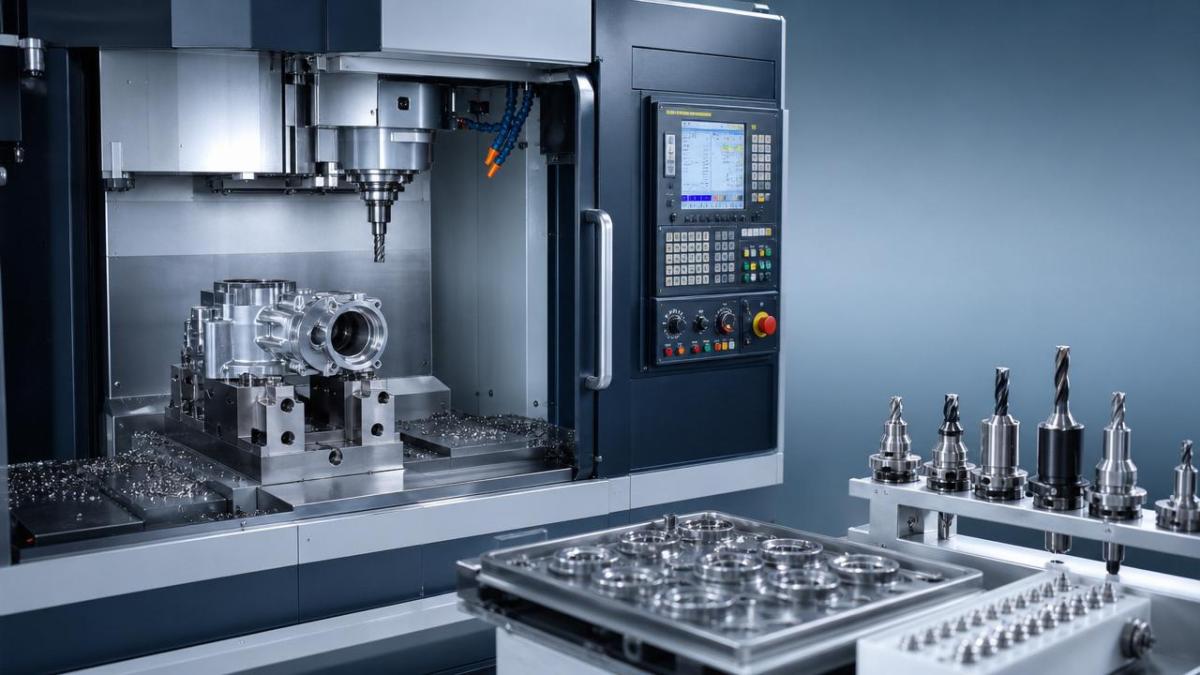
Many factories assume scrap mainly comes from machine accuracy, poor raw material, or operator mistakes. In reality, the Production Process generates loss through accumulation. Small deviations at each step become measurable waste across batches, shifts, and product families.
This matters most in sectors such as automotive, aerospace, energy equipment, and electronics, where CNC lathes, machining centers, and multi-axis systems handle tight tolerances, mixed materials, and strict delivery plans. A part that fails late in the route usually costs much more than one rejected at the first cut.
For project managers, hidden scrap is not only a quality problem. It affects quoted cost, machine loading, tool consumption, rescheduling, customer confidence, and shipment reliability. When a production line looks busy but output remains unstable, the Production Process deserves a closer audit.
- Setup losses often remain invisible because trial parts are treated as routine rather than as structured scrap data.
- Tool wear drift can push dimensions out of tolerance gradually, especially in unattended or overnight production.
- Handling damage between machining, washing, deburring, and inspection creates non-cutting waste that ERP reports may not classify clearly.
- Program revisions, fixture changes, and urgent order insertions disrupt process stability more than teams initially estimate.
The most common hidden scrap zones
In precision manufacturing, scrap rarely sits in one obvious location. It hides between departments, between machines, and between responsibilities. That is why cross-functional review is more effective than blaming a single workstation.
The table shows why scrap analysis must go beyond machine specifications. A capable machine tool can still produce unstable results if the Production Process around it lacks disciplined control points, feedback loops, and ownership.
Which Production Process steps deserve the first audit when yields fall?
When output drops and scrap rises, project leaders need a fast sequence for investigation. Starting everywhere wastes time. Starting with the most leverage points creates faster correction and better use of engineering resources.
- Review first-pass yield by operation, not only by finished part number. This reveals where defects begin rather than where they are finally detected.
- Separate setup scrap, in-process scrap, and final inspection scrap. They require different countermeasures, different owners, and different reporting rules.
- Check changeover performance across shifts. Hidden scrap often spikes after tool replacement, fixture cleaning, or program version updates.
- Compare dimensional trends with tool life records. If measurements drift before replacement thresholds, your tool strategy may be too reactive.
- Inspect non-machining steps such as washing, deburring, marking, packing, and internal logistics. Damage here is frequently underreported.
A practical audit checklist for project managers
A useful Production Process audit should be short enough to run weekly but detailed enough to expose repeat loss. It should combine quality, production, tooling, and planning perspectives.
- Are offsets and fixture zero points verified with a standard routine after every changeover?
- Is the first approved part linked to the same raw material lot and tool batch used in production?
- Do operators have a clear escalation rule for burrs, chatter, thermal drift, or coolant inconsistency?
- Are intermediate dimensions checked at the operation where they can still prevent final scrap?
- Is handling equipment suitable for thin-wall, precision disc, or shaft components with delicate surfaces?
How different machining scenarios change scrap risk in the Production Process
Not all manufacturing environments create waste in the same way. A low-volume aerospace part and a high-volume automotive shaft can use similar CNC technology but face very different scrap mechanisms. That is why the Production Process should be evaluated by scenario, not only by equipment category.
The following comparison helps project teams decide where to focus process control, inspection depth, and tooling strategy based on production type.
This comparison shows why one universal corrective action rarely works. The right response depends on batch size, geometry, tolerance stack-up, material behavior, and automation level across the Production Process.
Multi-axis machining deserves special attention
Five-axis and mill-turn systems increase capability, but they also raise the cost of hidden errors. A post-processor mismatch, angular calibration issue, or fixture collision risk can turn a premium workpiece into scrap after significant value has already been added.
For complex parts, managers should define control gates before long unattended runs. Simulation, dry run verification, and intermediate probing are often cheaper than recovering one failed part after a full multi-axis cycle.
How should project leaders reduce scrap without slowing delivery?
The best improvement plans reduce waste while protecting throughput. If controls become too heavy, delivery slips. If controls remain too light, scrap spreads. The Production Process should be strengthened where loss is concentrated, not everywhere equally.
Priority actions with measurable impact
- Standardize setup approval. Use one checklist for fixture condition, offset verification, tool status, coolant condition, and first-piece measurement before the batch is released.
- Classify scrap by source. Separate geometry, surface, handling, programming, clamping, and material issues so corrective action does not stay generic.
- Link process planning with tooling strategy. A lower-cost tool can increase total project cost if it causes unstable edge life and more sorting effort.
- Add in-process measurement where value-at-risk is highest. Use it on dimensions that become impossible or expensive to correct later.
- Strengthen revision control. Program versions, fixture updates, and process sheets should move together to prevent hidden mismatch on the shop floor.
In many CNC environments, digital integration helps most when it improves visibility, not when it adds complexity. Machine data, inspection records, tool life status, and lot traceability should support faster decisions for the Production Process rather than create another layer of reporting.
Procurement decisions also affect scrap
Project managers often inherit production problems that started during sourcing. A machine, fixture, or automation cell selected only by purchase price may later increase setup time, maintenance interruption, or clamping inconsistency. Better procurement questions reduce hidden waste before installation.
When evaluating equipment or production partners for a more stable Production Process, use a practical decision framework like the one below.
A procurement review based on process stability usually delivers better long-term results than a review based only on machine speed or headline specifications. For project-driven manufacturing, predictable yield is often more valuable than theoretical maximum output.
What standards, controls, and reporting practices support a cleaner Production Process?
Most manufacturers do not need complicated systems to begin reducing scrap. They need disciplined basics. Common quality management approaches, calibrated measurement practice, controlled documentation, and lot traceability already provide a strong framework for the Production Process.
- Use documented work instructions that define setup sequence, inspection points, and reaction plans for abnormal conditions.
- Maintain calibration status for gauges, probes, and measurement devices used to release production.
- Apply revision control to programs, fixtures, and process sheets so operators do not combine mismatched versions.
- Track scrap cost by operation and cause code, not only by finished order, to reveal true loss concentration.
- For regulated sectors, align reporting with customer-specific quality requirements and traceability expectations.
If your operation spans suppliers in China, Germany, Japan, South Korea, or other manufacturing hubs, reporting consistency becomes even more important. The same Production Process issue may be described differently across sites unless definitions and metrics are standardized.
FAQ: what do project managers ask most about hidden scrap in the Production Process?
How can I tell whether scrap comes from the machine or from the Production Process around it?
Look for patterns. If defects spike after changeovers, shift handovers, material lot changes, or handling transfer, the issue is likely process-related. If the same defect appears continuously under stable conditions, machine condition or calibration may be involved. The best diagnosis combines machine data, tool records, inspection timing, and operator notes.
Which metric should I monitor first if I want fast improvement?
Start with first-pass yield by operation. It gives better insight than final rejection rate alone because it shows where the Production Process first loses control. Add setup scrap per changeover and scrap cost per machine hour for a clearer financial picture.
Is more automation always the best answer to reduce hidden scrap?
Not always. Automation can lower handling errors and improve repeatability, but it can also repeat mistakes faster if fixtures, sensors, or programs are not stable. Before investing, confirm that the current Production Process is understood well enough that automation will reinforce good control rather than amplify weak control.
What is the most overlooked cause of scrap in multi-operation CNC projects?
Late discovery of early-stage variation. A small clamping issue in roughing can become a final tolerance failure after several finishing operations, deburring, washing, and inspection. Intermediate control points are often the difference between a manageable correction and a high-cost loss.
Why choose us for Production Process analysis and CNC manufacturing insight?
We focus on the global CNC machining and precision manufacturing industry, with attention to machine tools, automated production lines, tooling evolution, and international supply chain developments. That perspective helps project leaders evaluate scrap risk not only at machine level, but across the full Production Process.
If you are reviewing a machining project, expanding capacity, comparing suppliers, or preparing a new production route, you can contact us for support on practical issues that affect yield and delivery.
- Parameter confirmation for part complexity, tolerance level, and suitable CNC process route.
- Equipment and supplier selection guidance based on batch size, automation level, and scrap risk profile.
- Delivery cycle discussion for pilot runs, mass production ramp-up, and cross-border sourcing coordination.
- Customized process suggestions covering tooling, fixturing, intermediate inspection, and handling protection.
- Communication on certification expectations, documentation needs, sample support, and quotation alignment.
A more profitable Production Process usually starts with better visibility. If you want to reduce hidden scrap before it turns into missed deadlines or margin loss, reach out with your drawings, batch assumptions, target tolerances, or sourcing plan, and we can help you narrow the right next step.
Recommended for You
 Zero-Point Clamping or Modular Fixtures? Choosing a Faster CNC Changeover SystemCNC Machining Technology Center
 How to Cut CNC Fixture Changeover Time Without Sacrificing Part AccuracyCNC Machining Technology Center
 When Does CNC Turning Pay Off? A Break-Even Guide by Annual Part VolumeMachine Tool Industry Editorial Team
 Machine Tool Standards by Country: What Importers Must Verify Before PurchaseManufacturing Policy Research Center
 CNC Lathe Quick Installation Guide: Alignment Checks Before First Production RunCNC Machining Technology Center
 How to Select a CNC Lathe for Small Parts Without Sacrificing Accuracy or Cycle TimeCNC Machining Technology Center
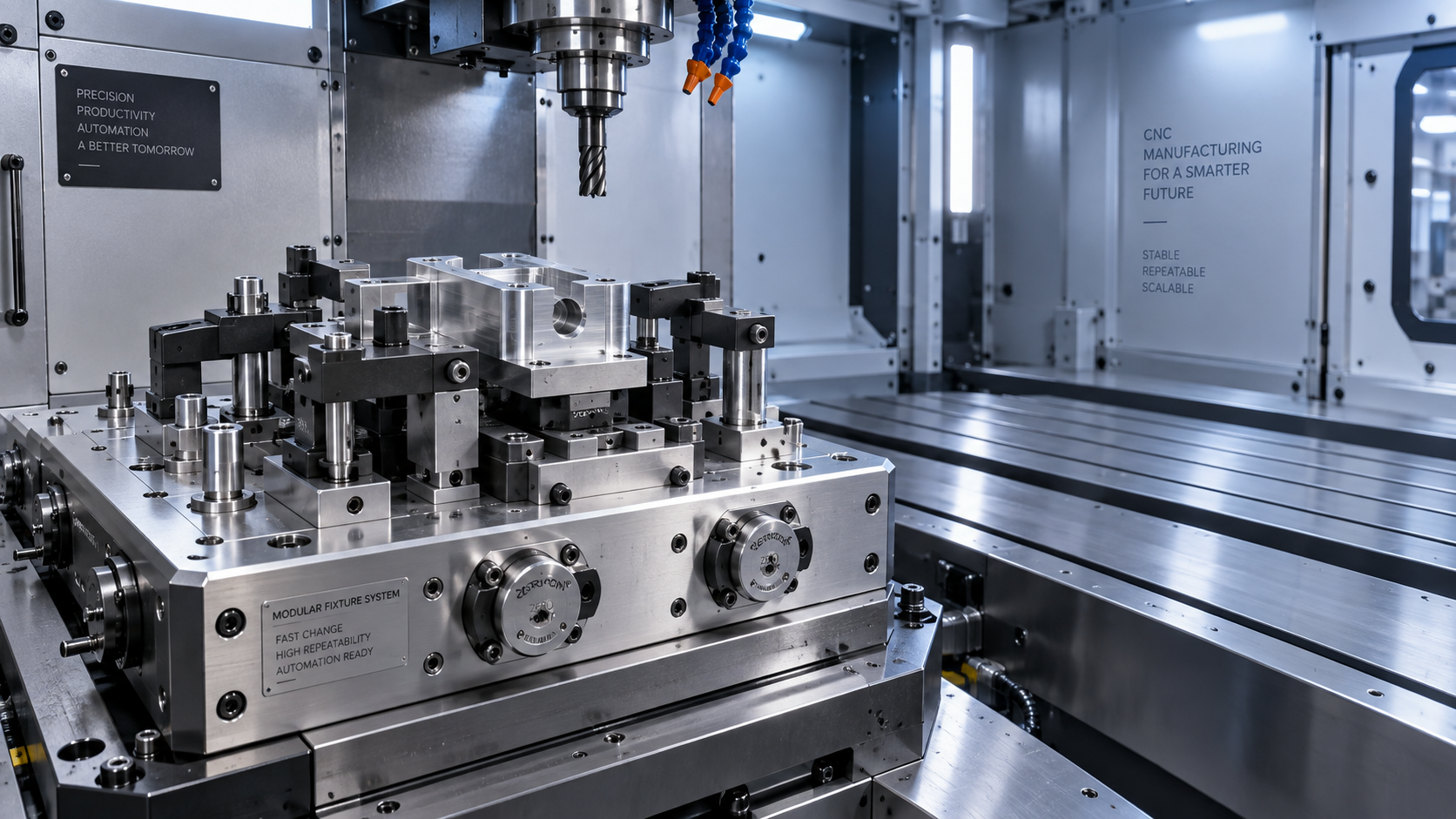
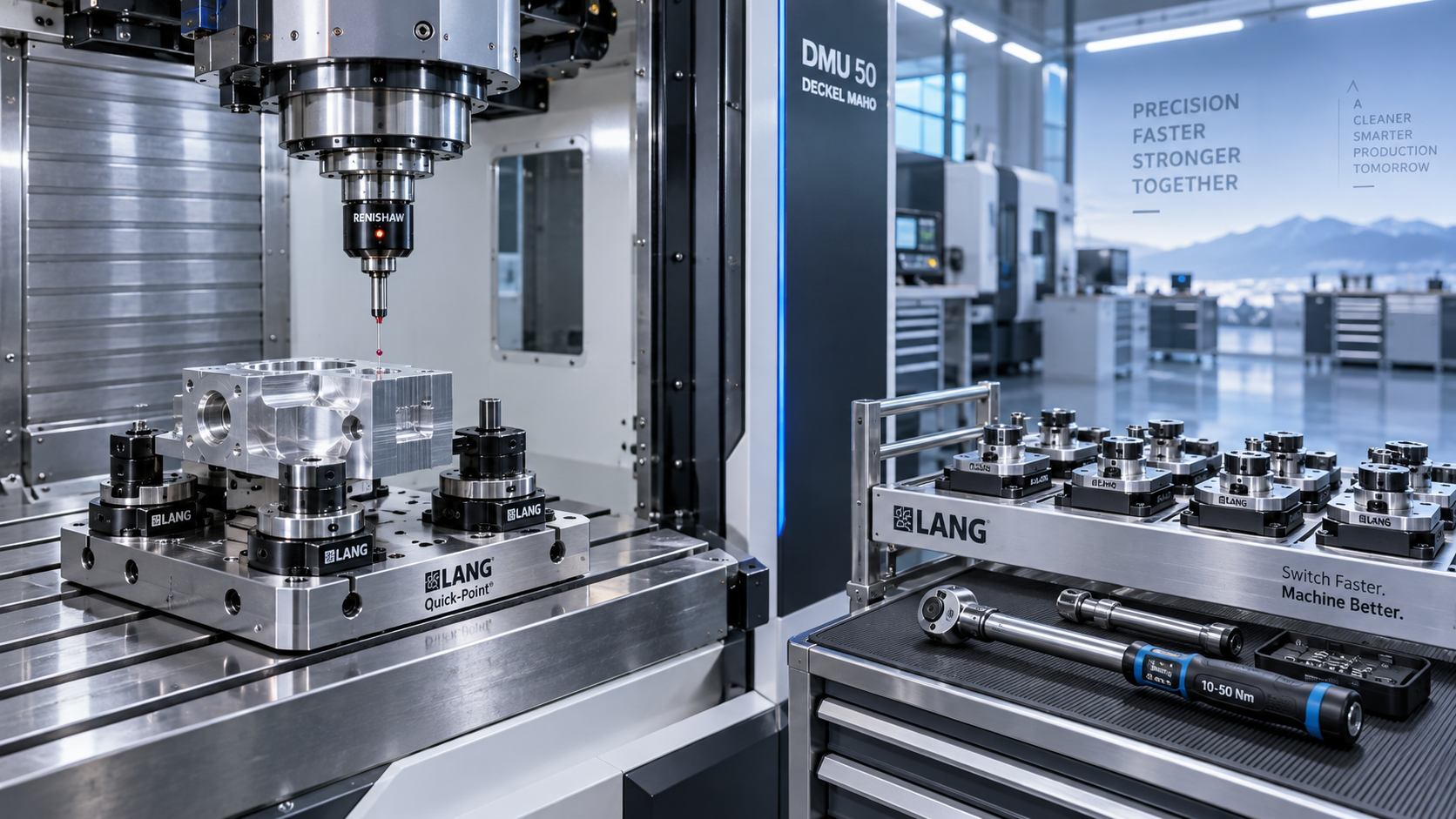

Aris Katos
Future of Carbide Coatings
15+ years in precision manufacturing systems. Specialized in high-speed milling and aerospace grade alloy processing.
▶
What Should You Check When a CNC Machine Arrives at Your Factory?CNC Machining Technology Center▶
What Safety Checks Are Required for CNC Cutting Operations?CNC Machining Technology Center▶
What Are Machine Tools? Common Types, Functions, and Typical Shop ApplicationsCNC Machining Technology Center▶
CNC Industrial Machines Maintenance Checklist: How to Reduce Downtime and Tool WearCNC Machining Technology Center▶
What Is Industrial Machining? Common Processes, Materials, and Typical UsesCNC Machining Technology Center
Mastering 5-Axis Workholding Strategies
Join our technical panel on Nov 15th to learn about reducing vibrations in thin-wall components.

Providing you with integrated sanding solutions
Before-sales and after-sales services
Comprehensive technical support