• Global CNC market projected to reach $128B by 2028 • New EU trade regulations for precision tooling components • Aerospace deman
NYSE: CNC +1.2%LME: STEEL -0.4%

JIS B 6336-2:2026 Enforces New CNC Machining Center Positioning Accuracy Testing

On May 1, 2026, Japan’s revised industrial standard JIS B 6336-2:2026 entered into mandatory force, introducing stricter requirements for positioning accuracy testing of CNC machining centers—including dynamic trajectory error compensation verification using laser interferometry and on-line thermal deformation compensation effectiveness testing. This update directly affects manufacturers exporting to Japan and select Middle Eastern markets, where compliance is now a technical prerequisite for high-end CNC equipment procurement.
Event Overview
JIS B 6336-2:2026 officially took effect on May 1, 2026. The standard mandates new test methods for positioning accuracy of CNC machining centers, specifically requiring validation of laser interferometer-based dynamic trajectory error compensation and evaluation of real-time thermal deformation compensation performance. It is confirmed that leading Chinese CNC equipment manufacturers have initiated conformity upgrades, with models compliant with the standard expected to enter delivery from Q3 2026 onward.
Industries Affected by Segment
Export-Oriented CNC Equipment Manufacturers
These companies face direct compliance obligations when targeting Japanese or specified Middle Eastern customers. Non-compliant machines may be excluded from tenders or certification processes, affecting market access and contract fulfillment timelines.
Machine Tool Integrators and System Builders
Integrators relying on imported or domestic CNC bases must verify whether their assembled systems—especially those incorporating motion control, thermal sensors, or laser calibration modules—meet the updated test protocols. Revalidation of system-level accuracy under the new methodology may delay project handovers.
Aftermarket Service Providers (Calibration & Maintenance)
Service providers performing field accuracy verification or compensation tuning must adapt their procedures and equipment. Laser interferometer usage for dynamic path testing—and documentation of thermal compensation efficacy under operational load—is now required, raising technical and training requirements.
Industrial Automation Component Suppliers
Suppliers of high-precision linear scales, temperature-compensated encoders, or real-time thermal modeling software may see increased demand—but only if their products are demonstrably integrated into validated compensation workflows recognized under JIS B 6336-2:2026.
What Relevant Enterprises or Practitioners Should Focus On and How to Respond
Monitor official interpretations and test protocol publications from JISC
The Japanese Industrial Standards Committee (JISC) has not yet released detailed implementation guidelines or accredited laboratory lists for the new dynamic and thermal tests. Enterprises should track JISC announcements and participate in JIS-conformity workshops organized by Japan External Trade Organization (JETRO) or national metrology institutes.
Identify and prioritize affected product lines and export destinations
Not all CNC models require immediate upgrade. Companies should map current exports against known Japanese OEM procurement specifications and Middle Eastern tender documents referencing JIS B 6336-2:2026. Priority should be given to 5-axis machining centers and high-precision vertical/horizontal mills destined for Tier-1 automotive or aerospace suppliers in Japan.
Distinguish between regulatory signal and commercial enforcement
While the standard is legally effective as of May 1, 2026, customs clearance or end-customer acceptance may not be immediately enforced across all import channels. Analysis shows early adoption is being driven primarily by major Japanese integrators—not blanket regulatory inspections—making customer-specific validation more urgent than port-level compliance at this stage.
Prepare internal verification capacity and supplier alignment
Manufacturers planning Q3 2026 deliveries should confirm availability of laser interferometers capable of dynamic path measurement (e.g., simultaneous multi-axis tracking), calibrate thermal sensor placement per JIS-specified locations, and align firmware logging formats with required test report structures. Coordination with motion controller and CNC software vendors is essential to ensure traceable compensation data output.
Editorial Perspective / Industry Observation
Observably, JIS B 6336-2:2026 functions less as an isolated technical revision and more as a signal of tightening convergence between metrological rigor and real-world operational stability in high-precision manufacturing. Its emphasis on dynamic and thermally conditioned testing reflects growing industry recognition that static geometric accuracy alone no longer suffices for advanced machining applications. From an industry perspective, this is currently a market-access signal—not yet a broad regulatory enforcement outcome—but one that is rapidly shaping procurement expectations among technically demanding buyers. Continued attention is warranted as downstream adopters formalize internal conformance checklists and third-party labs expand accredited test scopes.
It remains to be observed whether regional standards bodies outside Japan (e.g., in South Korea or Saudi Arabia) will reference or harmonize with JIS B 6336-2:2026 in upcoming revisions.
This update is best understood not as a sudden compliance deadline, but as the institutionalization of a higher baseline for verifiable machine tool performance—one increasingly tied to adaptive, condition-aware operation rather than idealized static conditions.
Information Source: Official gazette notice issued by the Japanese Industrial Standards Committee (JISC), confirmed via JIS database update log dated April 2026; public statements from three leading Chinese CNC manufacturers regarding conformity roadmap (Q3 2026 delivery target); JETRO trade advisory brief No. JIS-2026-04.
Ongoing observation is recommended for: (1) JISC-published test procedure annexes; (2) accreditation status of calibration laboratories offering JIS B 6336-2:2026 dynamic trajectory verification.
PREVIOUS ARTICLE
Recommended for You
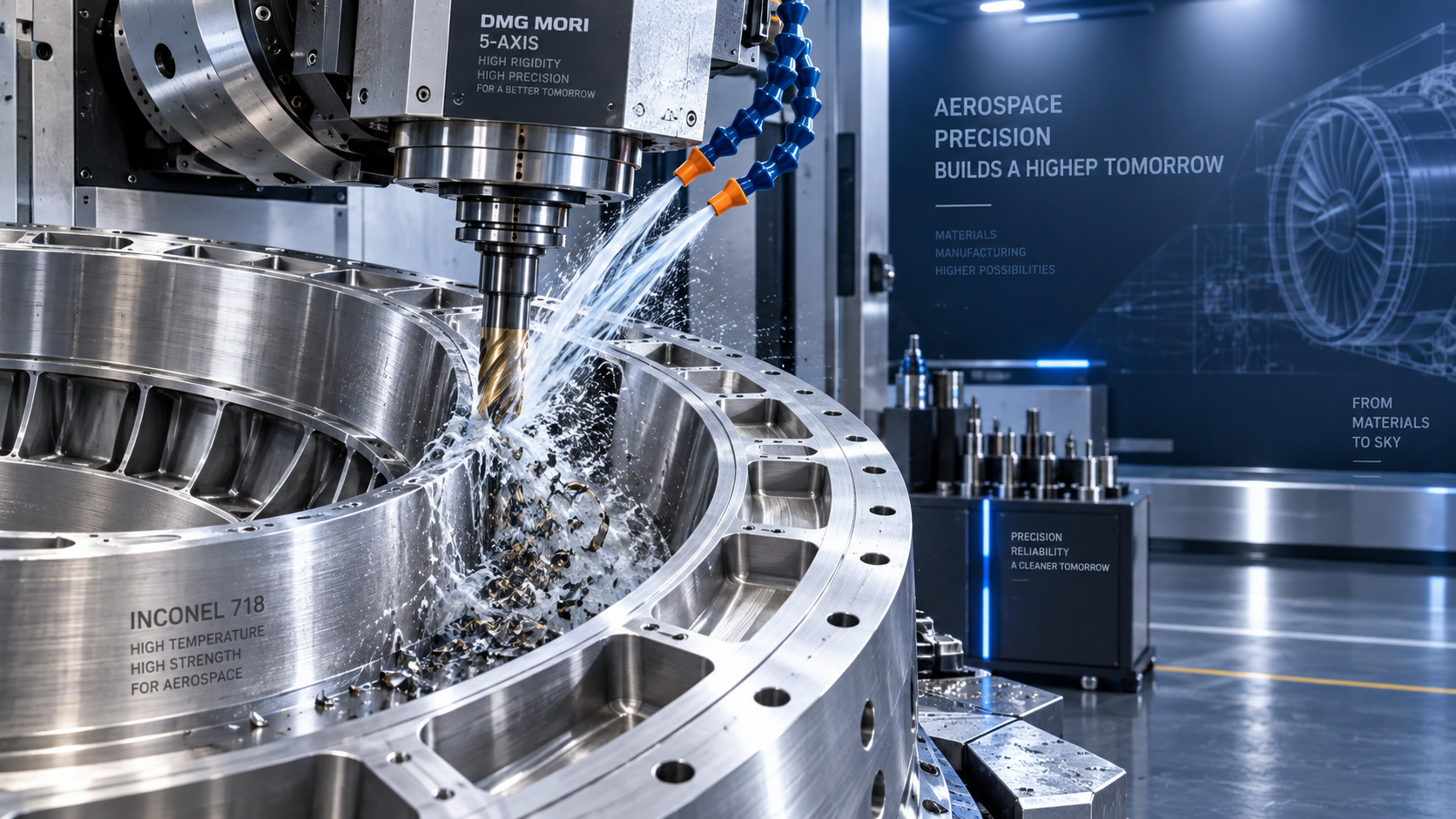
 Can CNC Machining Inconel Control Tool Wear in High-Temperature Aerospace Parts?CNC Machining Technology Center
 Machine Tool Market Outlook: Demand Drivers, Capacity Shifts, and Investment RisksManufacturing Market Research Center
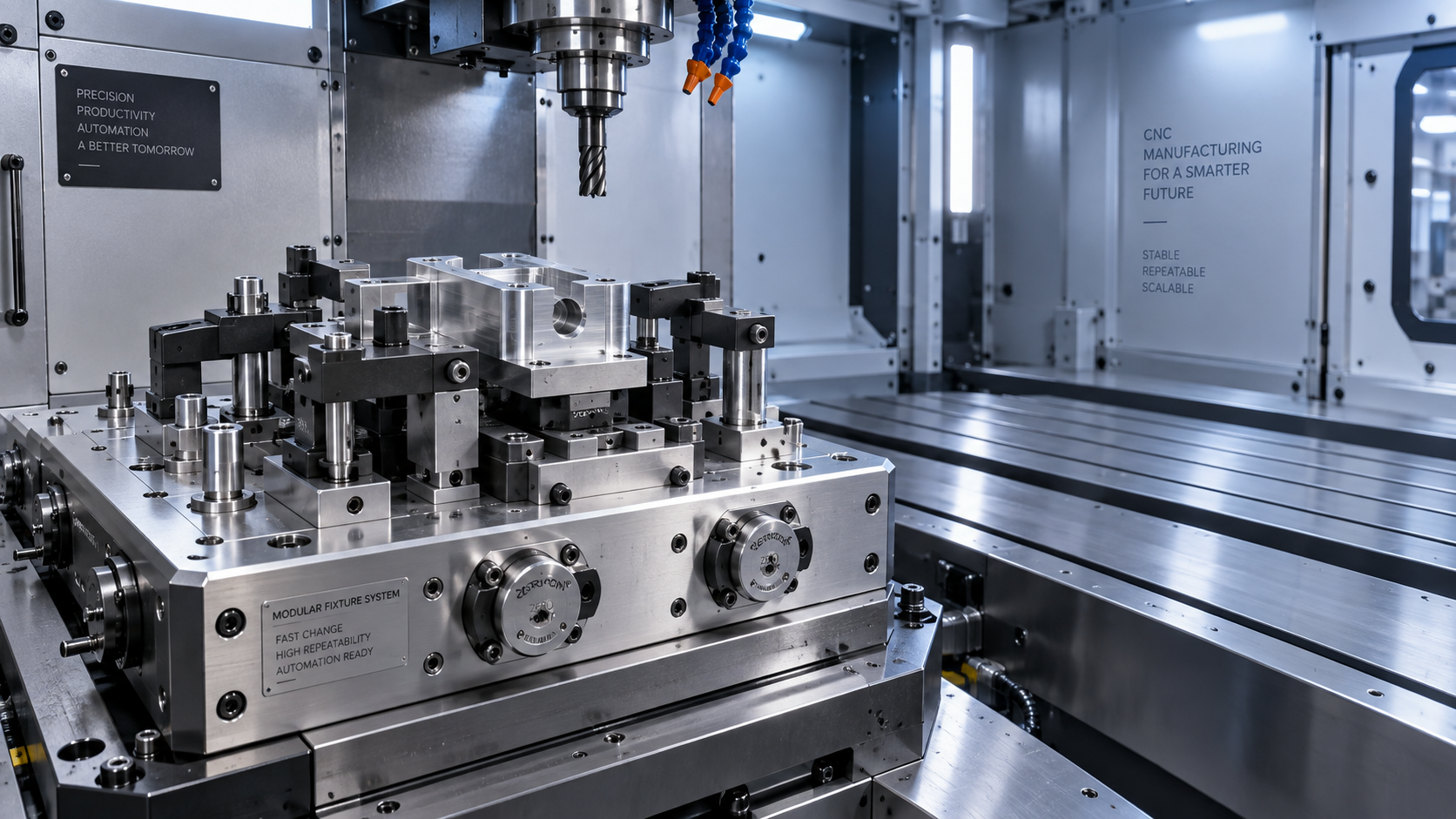
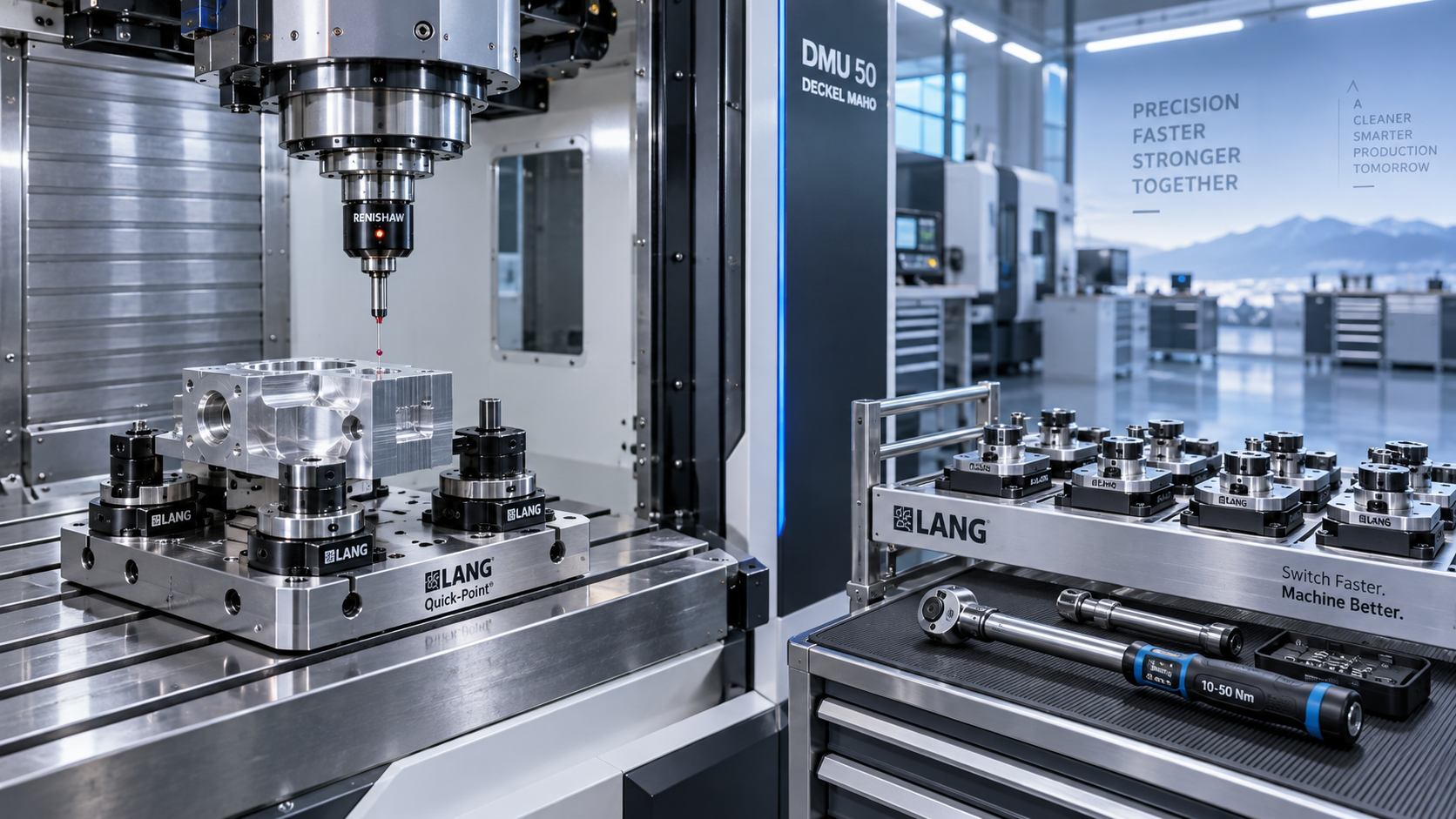
 Zero-Point Clamping or Modular Fixtures? Choosing a Faster CNC Changeover SystemCNC Machining Technology Center
 How to Cut CNC Fixture Changeover Time Without Sacrificing Part AccuracyCNC Machining Technology Center
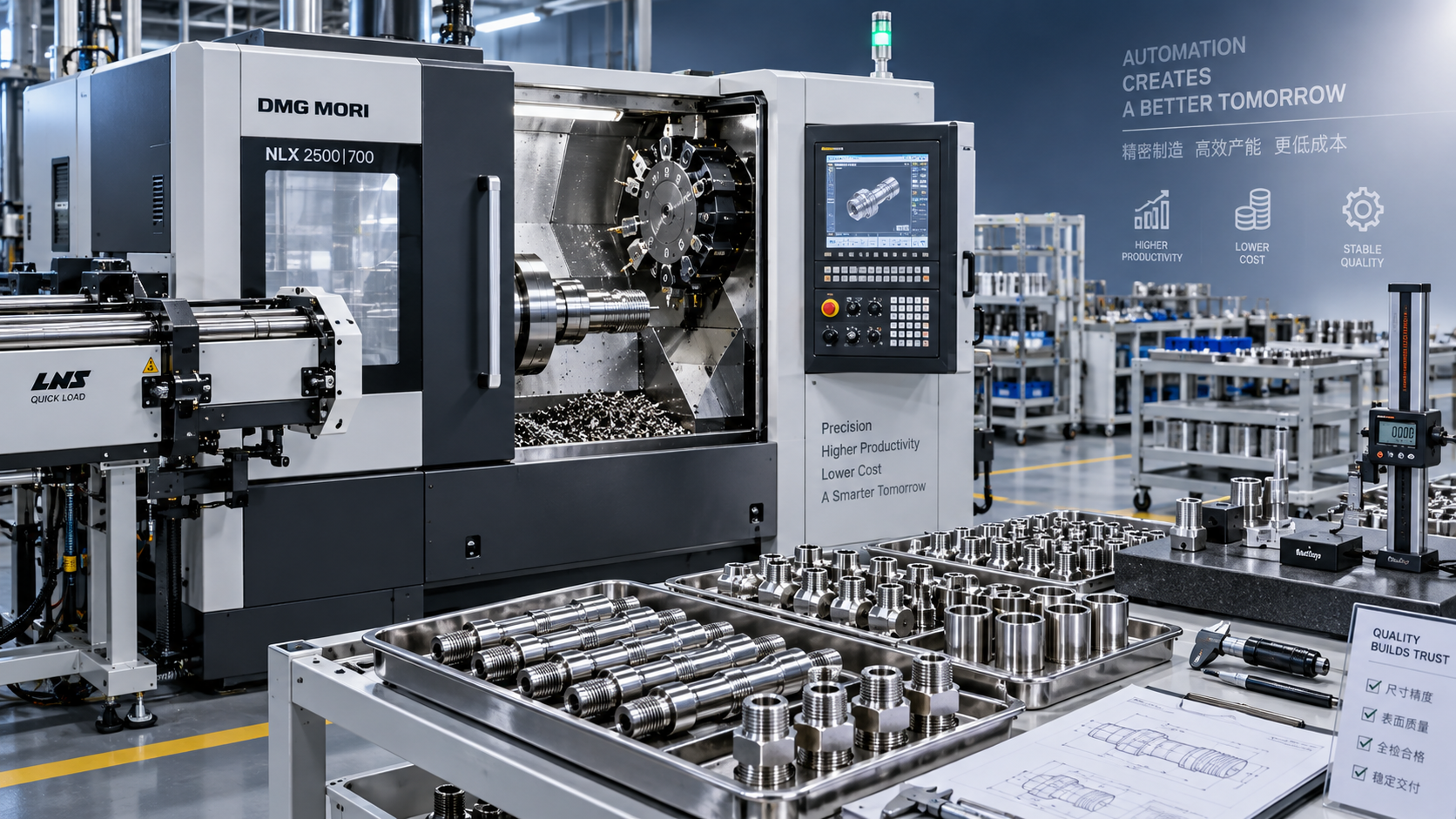
 When Does CNC Turning Pay Off? A Break-Even Guide by Annual Part VolumeMachine Tool Industry Editorial Team
 Machine Tool Standards by Country: What Importers Must Verify Before PurchaseManufacturing Policy Research Center


Aris Katos
Future of Carbide Coatings
15+ years in precision manufacturing systems. Specialized in high-speed milling and aerospace grade alloy processing.
▶
Brazil ANVISA Rule Targets Medical Mold CNC ImportsManufacturing Policy Research Center▶
BAFA Adds CNC Grinding Controls to Dual-Use ListManufacturing Policy Research Center▶
TUV Rheinland Rule Adds PL e Data Interface for CNCsManufacturing Policy Research Center▶
Germany Tightens CNC Safety Rules With AI Stop ModuleManufacturing Policy Research Center▶
China Seeks Feedback on E-Motorcycle Battery RulesManufacturing Policy Research Center
Mastering 5-Axis Workholding Strategies
Join our technical panel on Nov 15th to learn about reducing vibrations in thin-wall components.

Providing you with integrated sanding solutions
Before-sales and after-sales services
Comprehensive technical support