• Global CNC market projected to reach $128B by 2028 • New EU trade regulations for precision tooling components • Aerospace deman
NYSE: CNC +1.2%LME: STEEL -0.4%

Vietnam Mandates Carbon Footprint Statements for CNC Machine Imports

Vietnam Mandates Carbon Footprint Statements for CNC Machine Imports
On May 14, 2026, the Ministry of Industry and Trade of Vietnam issued Circular 12/2026/TT-BCT, requiring carbon footprint declarations for imported CNC machining centers and turning-milling compound machines effective July 1, 2026. This marks Vietnam’s first sector-specific climate-related import regulation targeting industrial capital goods — reflecting broader regional shifts toward embedding environmental criteria into trade compliance frameworks.
Event Overview
The Vietnamese Ministry of Industry and Trade signed Circular 12/2026/TT-BCT on May 14, 2026. The circular stipulates that, starting July 1, 2026, all imported CNC machining centers and turning-milling compound machines must be accompanied by a life cycle assessment (LCA)-based carbon footprint report. The report must cover three stages: raw material extraction and smelting, manufacturing, and transportation to Vietnam. It must be issued by a verification body accredited by VinaCert — Vietnam’s national accreditation body.
Industries Affected
Direct Exporters and Trading Enterprises
Exporters — particularly Chinese manufacturers and trading companies supplying mid-tier CNC equipment to Vietnam — face new pre-shipment compliance obligations. Affected enterprises must now coordinate with LCA service providers, manage documentation timelines, and absorb additional verification costs. Delays in obtaining valid reports may result in customs clearance hold-ups or rejection at port.
Raw Material Procurement Enterprises
Suppliers of structural steel, cast iron, aluminum alloys, and high-performance cutting tools — especially those embedded in export-oriented supply chains — are indirectly affected. Since the carbon footprint requirement includes upstream emissions from raw material production, procurement teams must begin requesting EPDs (Environmental Product Declarations) or primary emission data from their own suppliers. Absence of traceable, verifiable upstream data increases modeling uncertainty and may trigger third-party audit requests.
Machine Tool Manufacturers and Assemblers
Manufacturers performing final assembly, calibration, and integration of CNC systems must revise internal product data management practices. They need to maintain granular process-level energy consumption records, track component origins, and allocate emissions across subassemblies (e.g., spindle units, control cabinets, bed frames). For firms without existing LCA infrastructure, this represents a non-trivial operational shift — not merely a documentation exercise.
Supply Chain Service Providers
Freight forwarders, customs brokers, and certification consultants operating in Vietnam-China trade corridors will see demand rise for integrated compliance support — including LCA report review, VinaCert-accredited verifier coordination, and bilingual technical documentation validation. However, current capacity among local verification bodies remains limited; lead times for report validation are expected to lengthen as implementation nears.
Key Focus Areas and Recommended Actions
Verify VinaCert-Accredited Verification Bodies Early
Only reports issued by VinaCert-accredited entities will be accepted. Exporters should consult the official VinaCert directory (updated quarterly) and confirm each provider’s scope covers “metalworking machinery” and “life cycle carbon accounting.” Relying on internationally recognized LCA certifiers without explicit VinaCert recognition carries compliance risk.
Map and Document Tier-2 and Tier-3 Material Suppliers
Carbon accounting under Circular 12 requires cradle-to-gate data. Exporters must collect verified emission factors or activity data from not only Tier-1 component suppliers (e.g., servo motor vendors), but also their upstream smelters and foundries — especially for ferrous and non-ferrous metals. A supplier questionnaire framework aligned with ISO 14067 is advisable.
Adopt Modular LCA Modeling for Product Families
Given the diversity of CNC configurations (e.g., 3-axis vs. 5-axis, vertical vs. horizontal), building individual LCA models per SKU is impractical. Firms should develop modular LCA templates — parameterized by machine weight, axis count, spindle power, and base material composition — to streamline reporting across variants while maintaining auditability.
Editorial Perspective / Industry Observation
Observably, this regulation is less about immediate carbon reduction and more about institutionalizing environmental accountability within Vietnam’s import governance. Unlike EU CBAM — which imposes financial penalties — Circular 12 functions as a gatekeeping mechanism: non-compliant shipments won’t clear customs, but no tariff surcharge is levied. Analysis shows its strategic intent lies in accelerating domestic green manufacturing standards and signaling alignment with ASEAN sustainability roadmaps. From an industry perspective, it serves as a litmus test for how rapidly mid-income economies can operationalize climate-linked trade policy without full-scale industrial decarbonization infrastructure.
Conclusion
This requirement does not signal an isolated regulatory event, but rather a precedent-setting step in Southeast Asia’s evolving trade-environment interface. Its significance lies not in scale — Vietnam accounts for <2% of global CNC imports — but in its replicability. Other ASEAN members are closely monitoring implementation challenges and enforcement consistency. A rational interpretation is that Circular 12 is best understood as a catalyst for systemic LCA capability-building among exporting firms, rather than a short-term cost burden alone.
Source Attribution
Official text: Circular 12/2026/TT-BCT, Ministry of Industry and Trade of Vietnam, signed May 14, 2026. Published in the Official Gazette No. 48/2026 (May 20, 2026). VinaCert accreditation list available at https://www.vinacert.gov.vn.
— To be monitored: VinaCert’s forthcoming guidance document on acceptable LCA methodologies (expected Q3 2026); updates to Vietnam’s Harmonized System (HS) codes for carbon-reportable machinery categories.
NEXT ARTICLE
Recommended for You
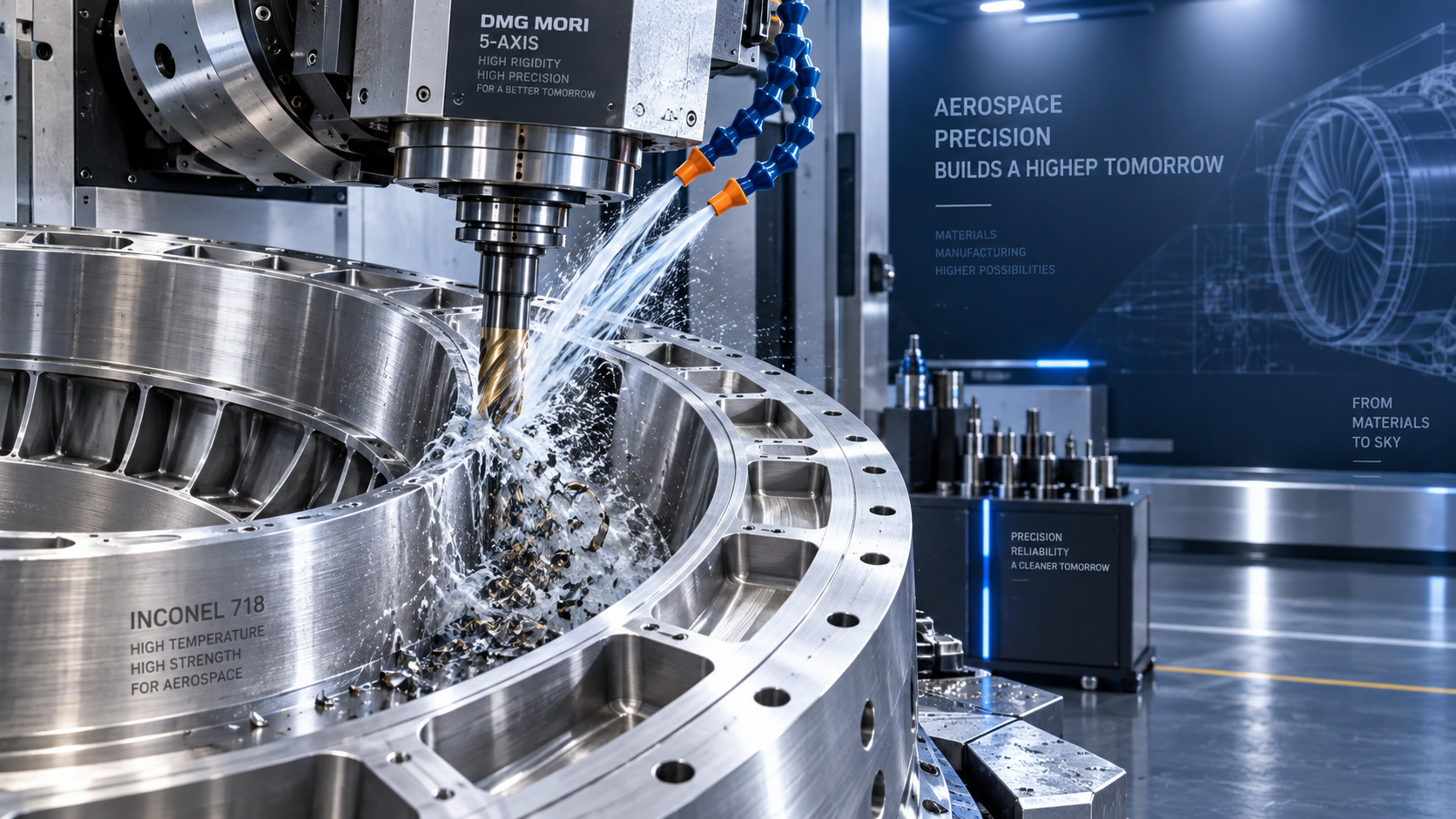
 Can CNC Machining Inconel Control Tool Wear in High-Temperature Aerospace Parts?CNC Machining Technology Center
 Machine Tool Market Outlook: Demand Drivers, Capacity Shifts, and Investment RisksManufacturing Market Research Center
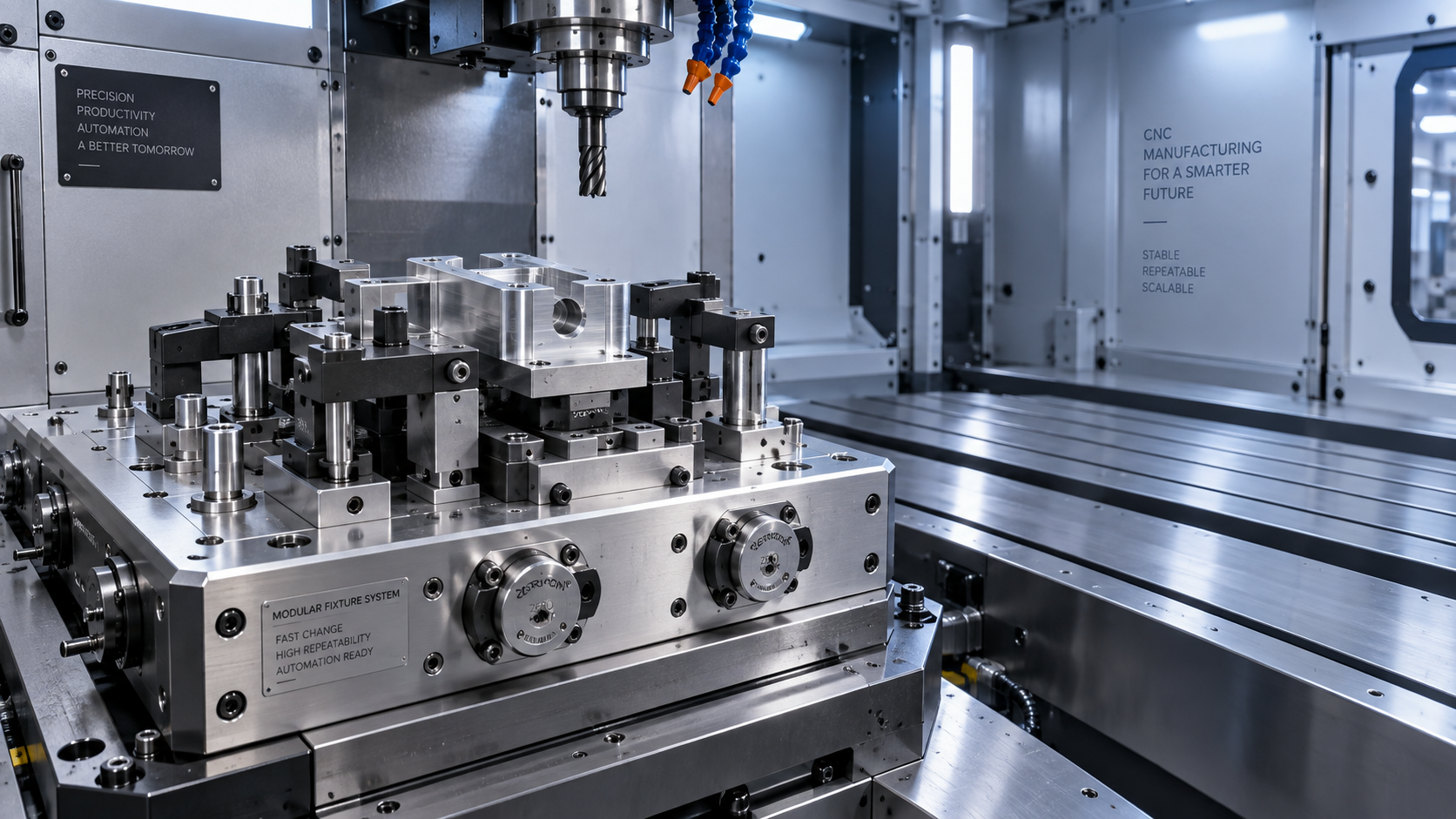
 Zero-Point Clamping or Modular Fixtures? Choosing a Faster CNC Changeover SystemCNC Machining Technology Center
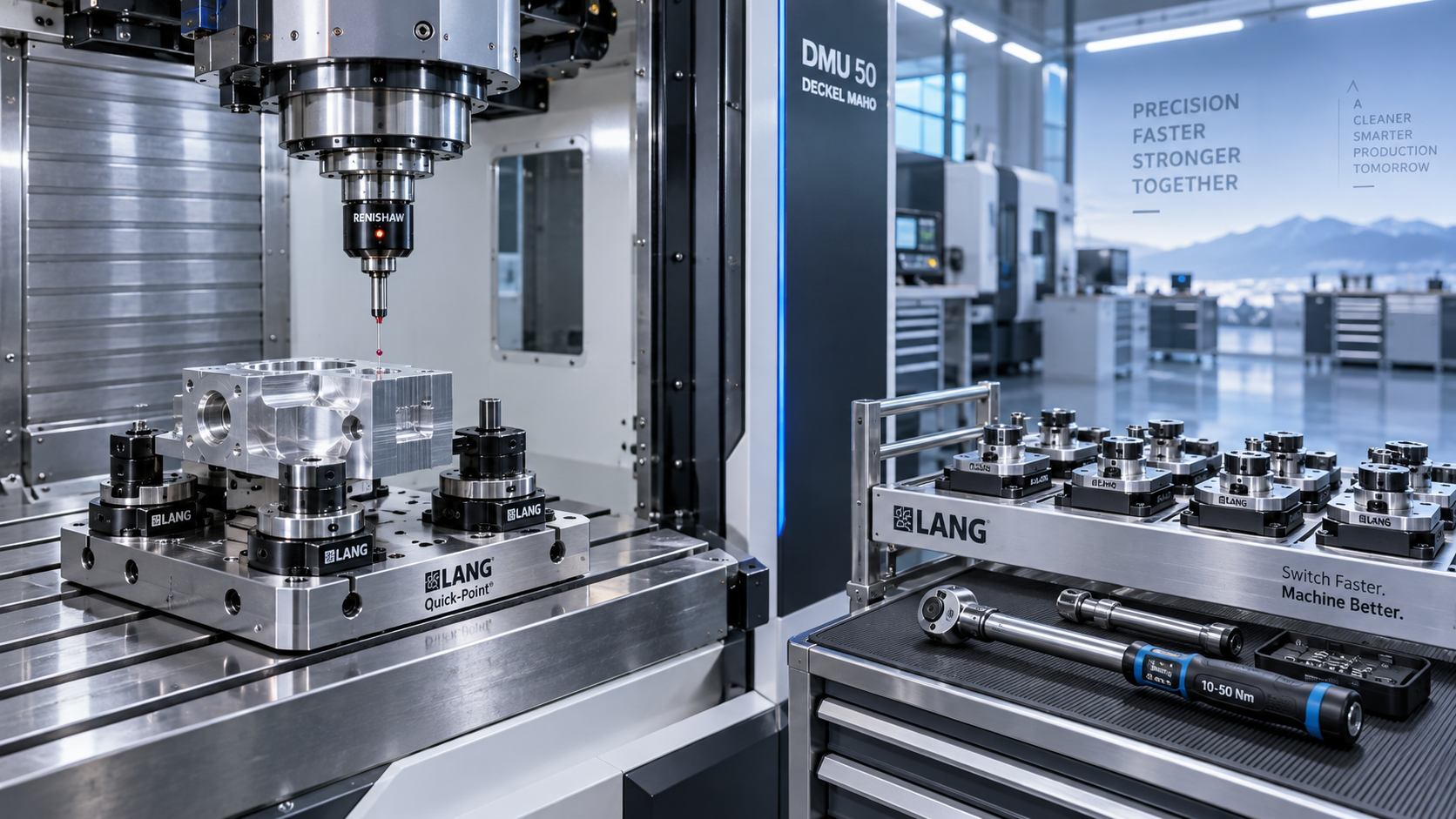
 How to Cut CNC Fixture Changeover Time Without Sacrificing Part AccuracyCNC Machining Technology Center
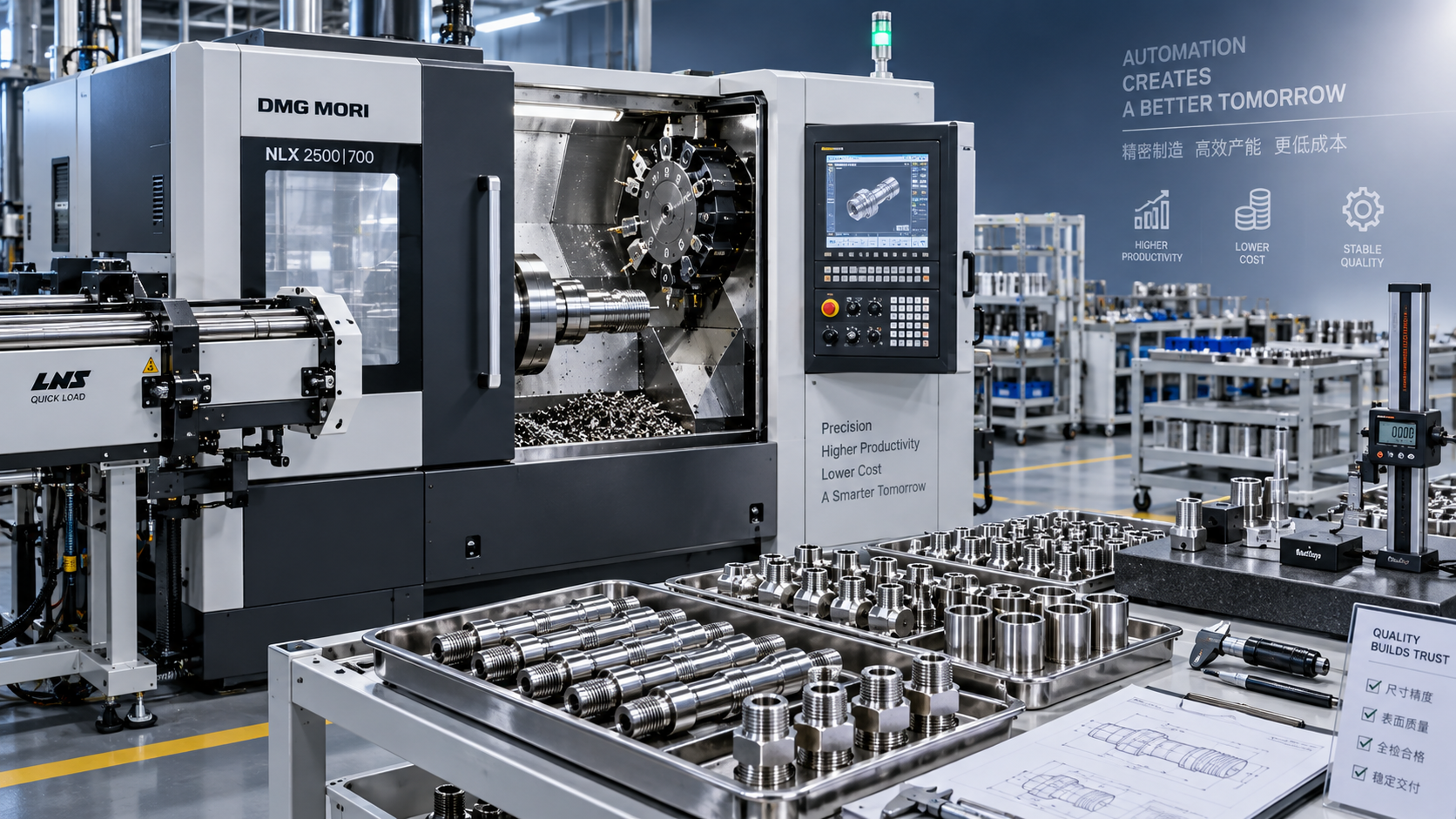
 When Does CNC Turning Pay Off? A Break-Even Guide by Annual Part VolumeMachine Tool Industry Editorial Team
 Machine Tool Standards by Country: What Importers Must Verify Before PurchaseManufacturing Policy Research Center



Aris Katos
Future of Carbide Coatings
15+ years in precision manufacturing systems. Specialized in high-speed milling and aerospace grade alloy processing.
▶
EU REACH Adds Limits on Nanomaterial Cutting Fluid AdditivesManufacturing Policy Research Center▶
Energy-Saving CNC Manufacturing: Which Upgrades Deliver the Best ROI?Manufacturing Policy Research Center▶
Vietnam Requires ISO 50001 Proof for Imported CNC MachinesManufacturing Policy Research Center▶
EU Tightens REACH Rules for Nickel-Coated CNC ToolsManufacturing Policy Research Center▶
EU Carbon-Footprint Rule Nears for CNC Power ModulesManufacturing Policy Research Center
Mastering 5-Axis Workholding Strategies
Join our technical panel on Nov 15th to learn about reducing vibrations in thin-wall components.

Providing you with integrated sanding solutions
Before-sales and after-sales services
Comprehensive technical support