• Global CNC market projected to reach $128B by 2028 • New EU trade regulations for precision tooling components • Aerospace deman
NYSE: CNC +1.2%LME: STEEL -0.4%

EU Rule Adds Dual CE-EMC and RoHS 2.0 Checks for CNC Exports

On July 15, 2026, a new EU compliance requirement took effect for CNC machine tools, numerical control systems, and related drive units shipped into the European market. Based on the European Commission’s emergency notice issued on July 12, this change matters not only to CNC manufacturers in China, but also to exporters, compliance teams, delivery planners, and EU-facing customers because it directly affects market access procedures and may alter shipment timing.
What the new requirement formally changes
According to the information provided, the European Commission issued emergency notice 2026/EC-EMC-RoHS on July 12, 2026. From July 15, 2026, all CNC machine tools, numerical control systems, and supporting drive units exported to the EU must complete dual conformity assessment under the updated CE-EMC directive framework, identified as the revised version of 2014/30/EU, and RoHS 2.0, identified as the revised version of 2011/65/EU.
The same information states that exporters must also provide a joint declaration of conformity issued by an EU-recognized NB body. The rule is described as having a direct effect on the EU export access process and delivery cycle for Chinese CNC manufacturers.
Where the operational impact is likely to appear first
Export-facing CNC manufacturers will see compliance move closer to the shipment gate
From an industry perspective, manufacturers selling CNC equipment into the EU are likely to face the most immediate pressure because the new requirement is tied to export access itself. The main business impact is likely to appear in product release, documentation preparation, and shipment scheduling, since dual assessment and the joint declaration now sit alongside the commercial delivery process rather than remaining a background compliance matter.
Control system and drive unit suppliers may face tighter document alignment
Analysis shows that suppliers of numerical control systems and supporting drive units should watch how product-level compliance materials align with final export packages. Because the notice explicitly covers these product categories, any mismatch between component documentation and finished-equipment compliance records could become a practical issue in customer delivery preparation.
Trade and channel participants will need to monitor transaction timing
For export traders, distributors, and other channel participants, the key issue is timing. The information provided already indicates an effect on delivery cycles, so order confirmation, shipment windows, and customer communications may require closer coordination around conformity assessment status and the availability of the required joint declaration.
EU buyers and service-side partners may focus more on pre-delivery verification
Observably, buyers and service partners connected to EU-bound CNC equipment may need greater visibility into whether the relevant conformity assessment has been completed before dispatch. The immediate concern is less about market demand and more about whether procurement and acceptance schedules remain aligned with the updated compliance threshold.
What companies should watch in the coming period
Whether follow-up official wording adds procedural detail
What deserves closer attention is whether subsequent official communication clarifies implementation details around the dual assessment and the required joint declaration. The current information confirms the new threshold and effective date, but companies will need to keep watching for more precise procedural language in future official materials.
Which product lines are already exposed to near-term shipment risk
For companies with EU-bound CNC machine tools, numerical control systems, or drive units in the pipeline, the practical priority is to identify which shipments are immediately affected by the July 15 start date. This is especially relevant where export paperwork, third-party conformity review, and delivery commitments are already in progress.
The distinction between formal rule text and day-to-day execution
Analysis shows that one of the main management issues will be the gap between regulatory wording and operational execution. Even when the rule itself is clear, actual business friction often appears in document readiness, review sequencing, and customer-side acceptance expectations. Companies should therefore track both the legal requirement and the workflow needed to satisfy it in real export transactions.
Supplier credentials, documentation packages, and customer communication
Another practical focus is document completeness. Since the provided information specifically requires a joint declaration of conformity from an EU-recognized NB body, companies should pay close attention to whether supplier files, product records, and outbound customer documentation can be assembled without delay. Clear communication with customers on shipment timing and compliance status is also likely to matter more under the new rule.
Why this reads as more than a routine compliance update
As an editorial observation, this development is better understood as an immediate market-access requirement rather than a distant policy signal, because it comes with a stated effective date only days after the emergency notice. At the same time, it should not yet be overstated as a fully settled long-term industry outcome. The confirmed fact is the new dual-compliance threshold; the broader commercial effect still depends on how consistently it is implemented in actual export workflows.
Observably, the industry needs to keep watching this because the rule touches both product compliance and delivery execution. That combination usually matters more than a technical standards update on its own, especially for equipment categories already tied to customer-specific shipment schedules.
How the market is likely to interpret this stage
At this point, it is more appropriate to understand the development as a near-term operational change with possible longer-term implications. The immediate significance lies in access to the EU market for covered CNC products and in the potential extension of delivery timelines. The longer-term meaning still requires observation, particularly around how exporters, notified bodies, and buyers adapt their processes after the rule takes effect.
Basis of this article and what still needs verification
This article is based on the user-provided news title, event date, and event summary concerning the July 15, 2026 EU compliance change for CNC exports. For this type of industry update, the source types typically relevant include official notices, company disclosures, industry association updates, authoritative media reporting, and standards-related documents. A specific official source link was not provided in the input, so the exact source documentation still requires ongoing verification. Continued attention should focus on any further official wording, implementation detail, and practical guidance affecting export procedures and delivery scheduling.
PREVIOUS ARTICLE
NEXT ARTICLE
Recommended for You
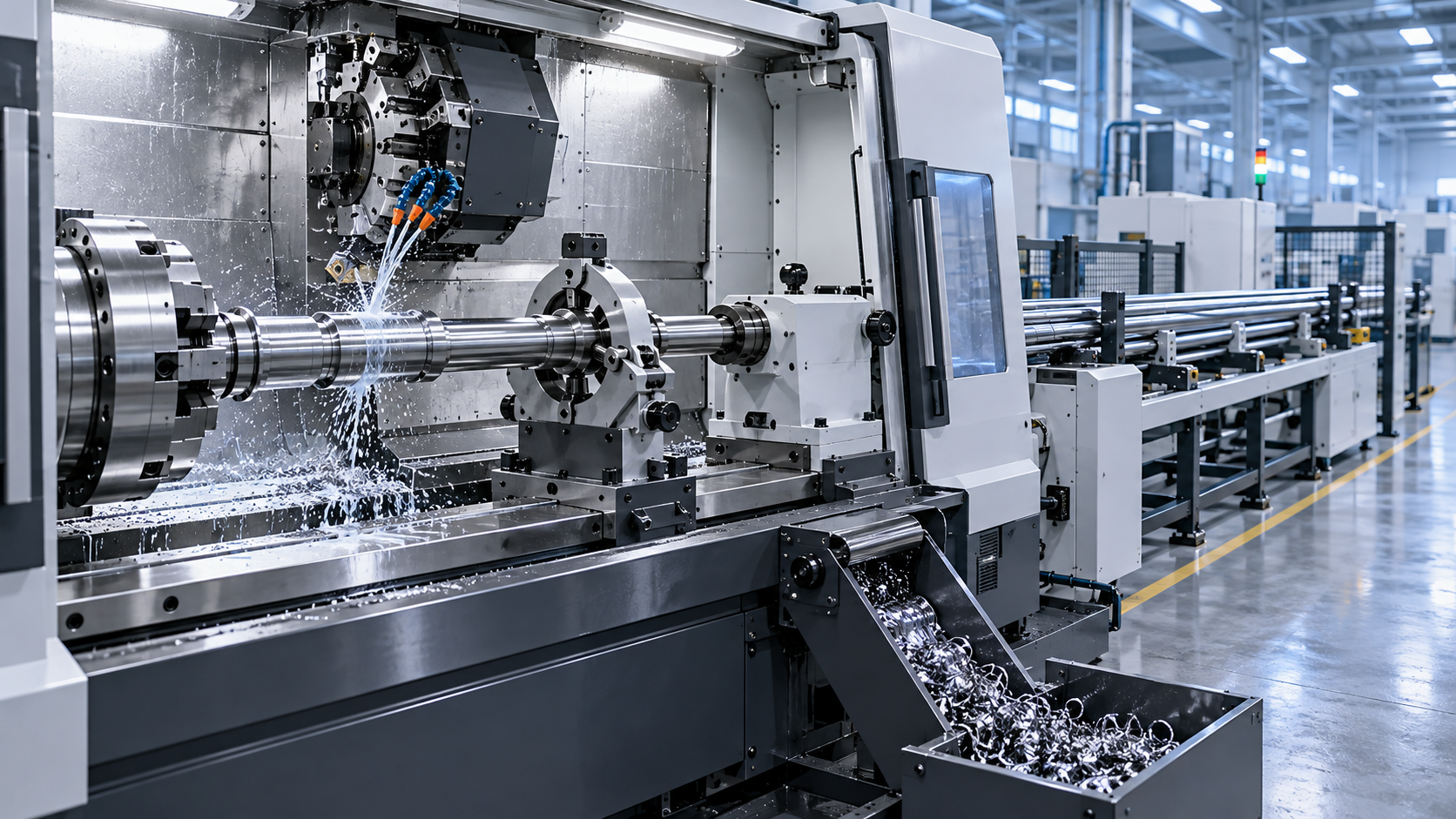
 How to Select an Industrial Lathe for High-Volume Shaft ProductionMachine Tool Industry Editorial Team
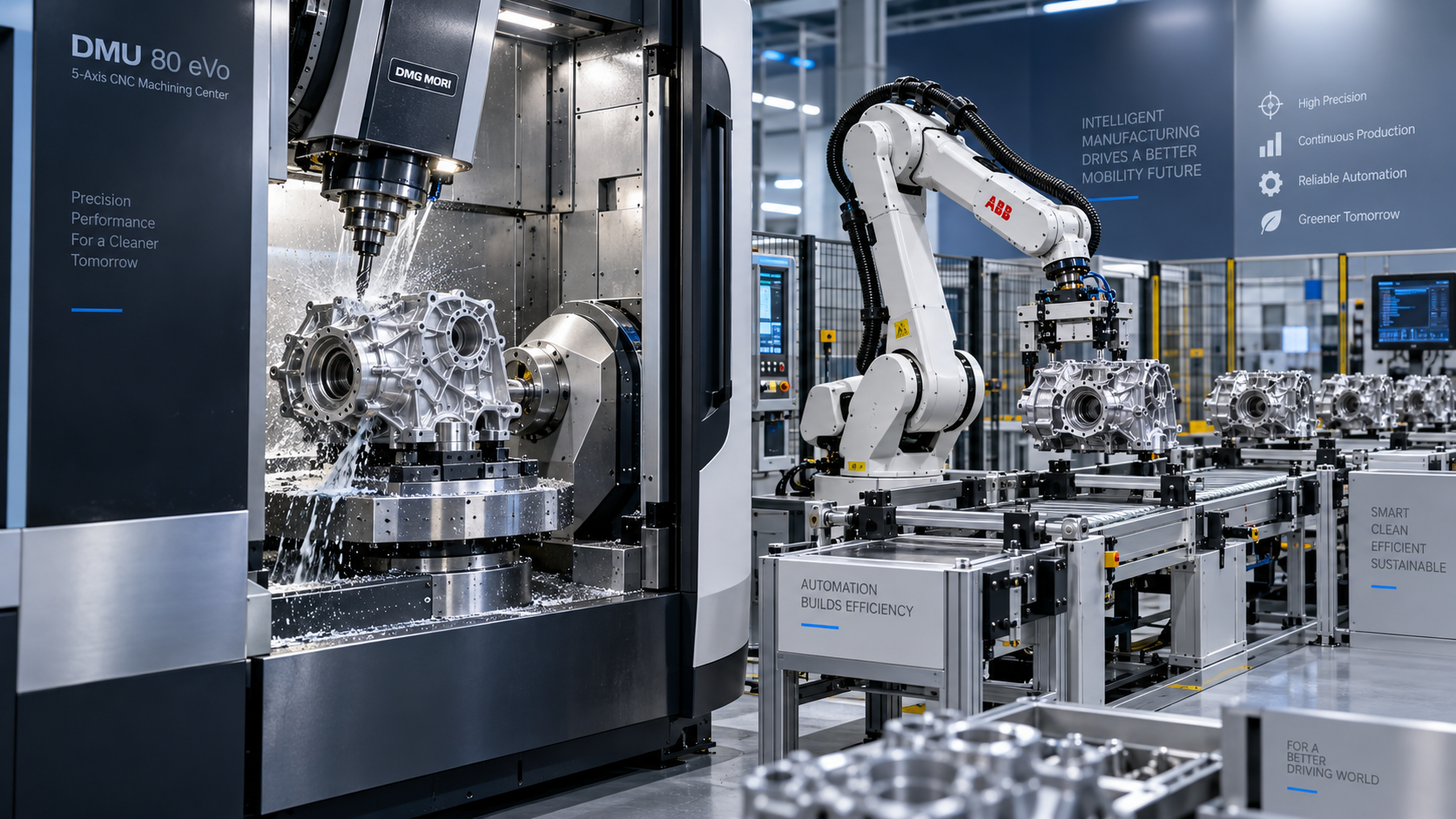
 Selecting Machine Tools for Automotive Parts: Accuracy, Throughput, and AutomationMachine Tool Industry Editorial Team
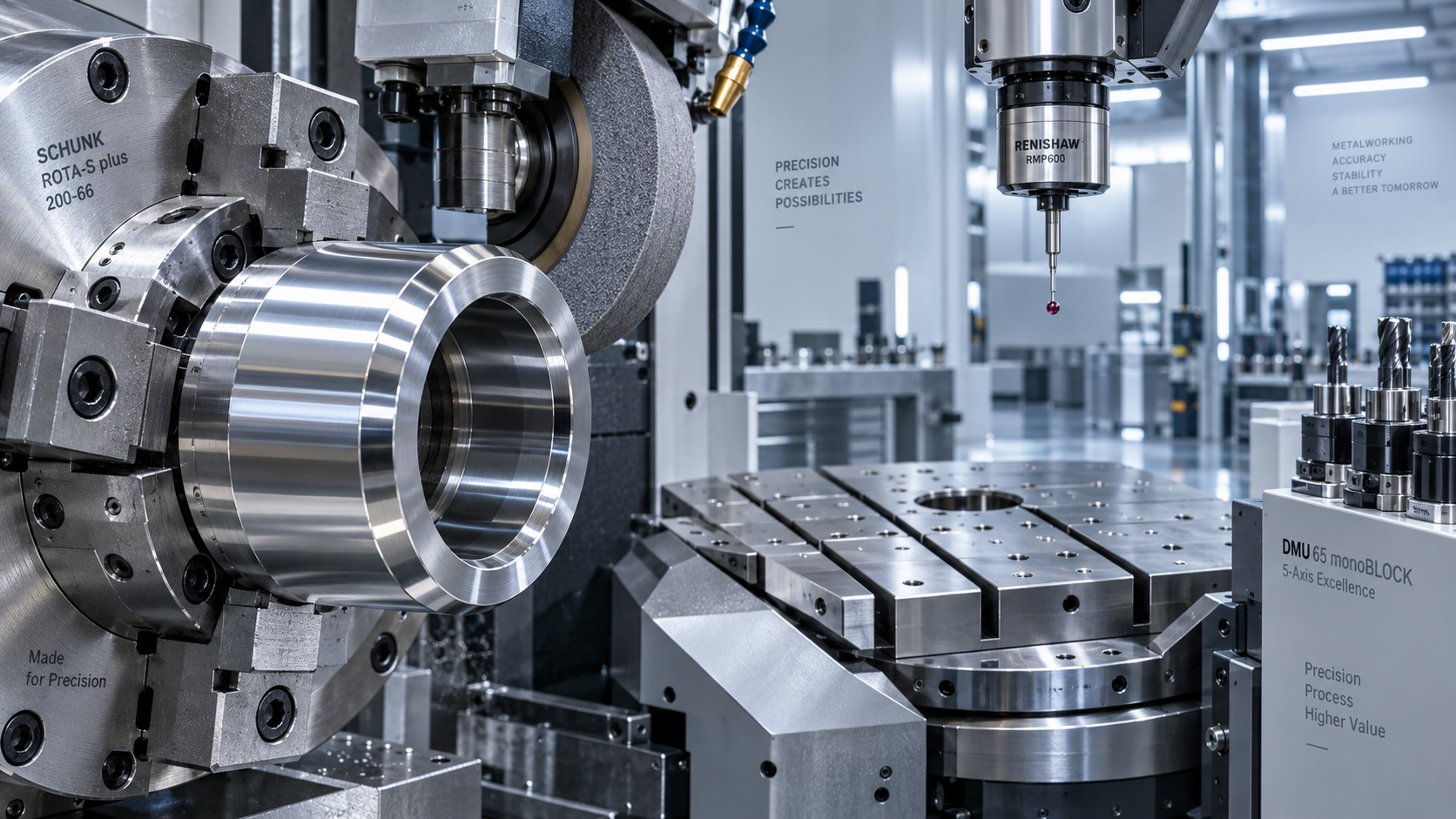
 Industrial Machining: Selecting Processes for Tight-Tolerance Metal PartsCNC Machining Technology Center
 Manufacturing Technology Trends That Improve Throughput and Quality ControlManufacturing Market Research Center
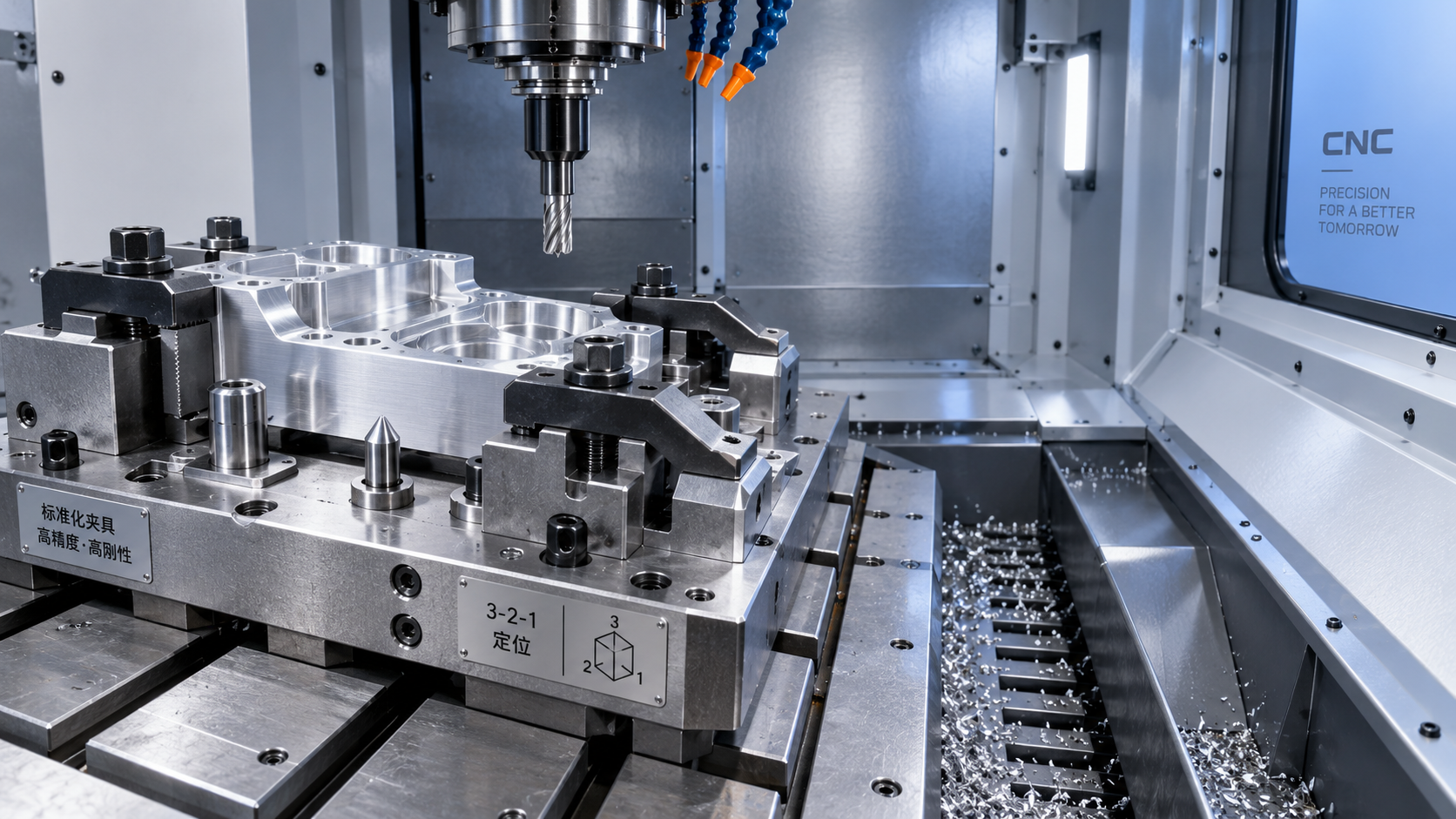
 How to Design Cost-Effective Fixtures That Maintain Cycle Time in Mass ProductionCNC Machining Technology Center
 Is Learning CNC Programming Worth It for Shop Owners Seeking Higher Margins?CNC Machining Technology Center



Aris Katos
Future of Carbide Coatings
15+ years in precision manufacturing systems. Specialized in high-speed milling and aerospace grade alloy processing.
▶
Machine Tool Standards by Country: What Importers Must Verify Before PurchaseManufacturing Policy Research Center▶
EU Sets CE-EMC+AI Certification Rule for CNC ExportsManufacturing Policy Research Center▶
EU Rule Update Raises CNC Safety Certification BarManufacturing Policy Research Center▶
U.S. Tightens Reviews for China CNC ExportsManufacturing Policy Research Center▶
EU Tightens CNC Export Compliance from October 2026Manufacturing Policy Research Center
Mastering 5-Axis Workholding Strategies
Join our technical panel on Nov 15th to learn about reducing vibrations in thin-wall components.

Providing you with integrated sanding solutions
Before-sales and after-sales services
Comprehensive technical support