• Global CNC market projected to reach $128B by 2028 • New EU trade regulations for precision tooling components • Aerospace deman
NYSE: CNC +1.2%LME: STEEL -0.4%

How to Evaluate a CNC Tooling System Supplier in Germany for Quality, Lead Time, and Cost
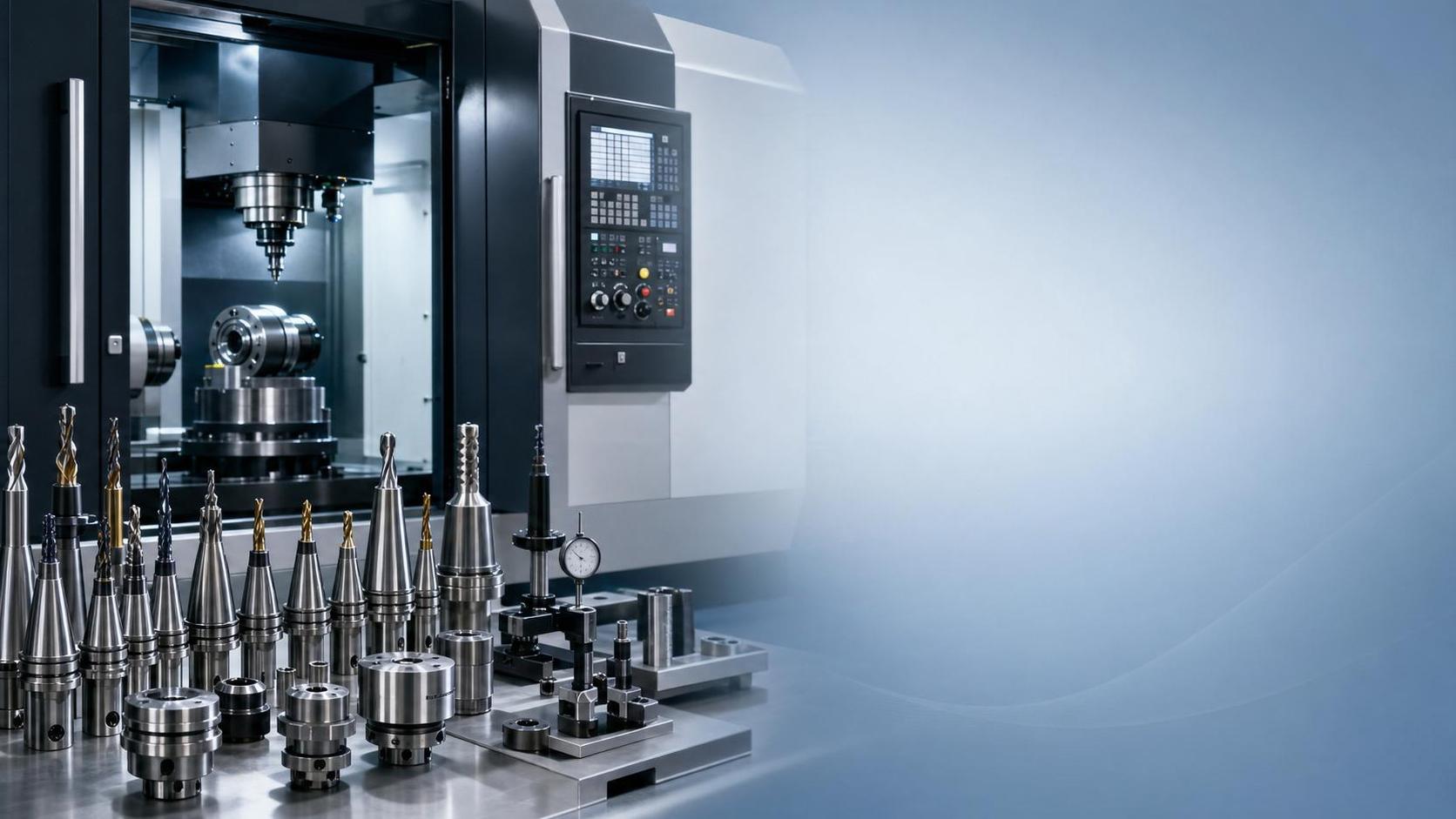
Why does the supplier choice matter so much in Germany?
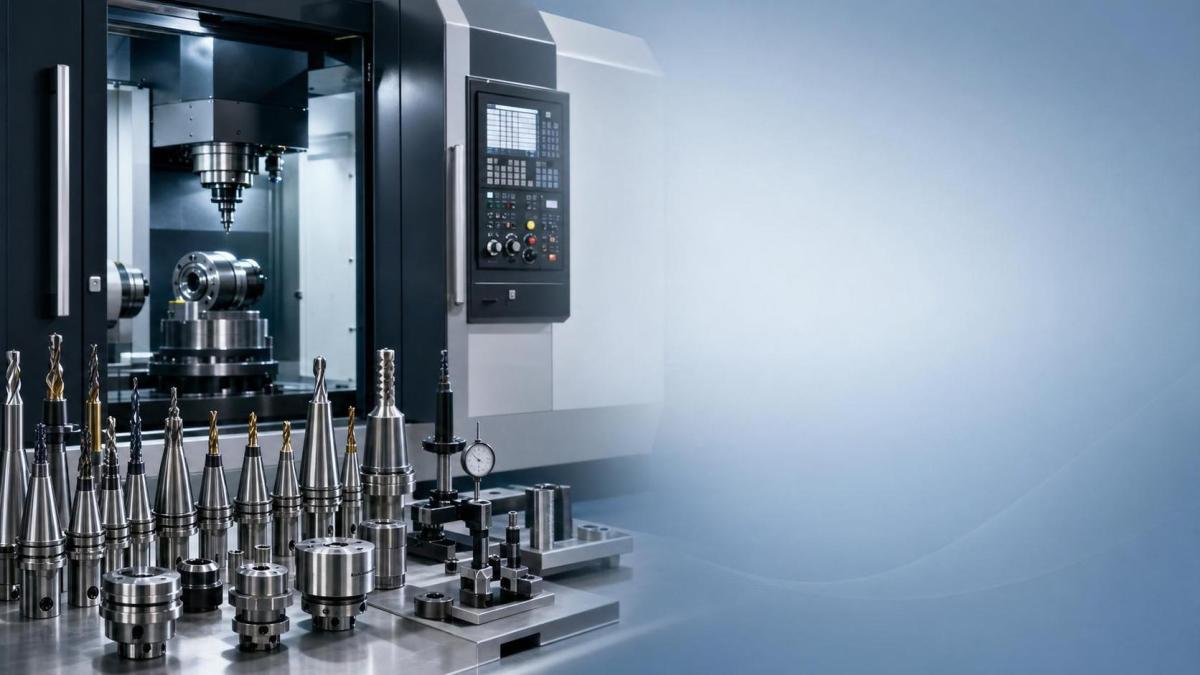
A CNC tooling system affects more than cutting performance. It shapes dimensional accuracy, spindle uptime, setup speed, scrap rate, and repeatability across the full production cycle.
That is why selecting a CNC Tooling System supplier in Germany is rarely a simple price comparison. The real question is whether the supplier can support stable output under demanding production conditions.
Germany remains a key industrial base for automotive parts, aerospace components, energy equipment, and precision engineering. In these sectors, tooling decisions directly influence process capability and delivery reliability.
In practical terms, the right partner helps control tolerances, reduce changeover time, and maintain predictable supply. A weak partner usually creates hidden costs long before an invoice looks expensive.
When evaluating a CNC Tooling System supplier in Germany, three factors usually dominate the decision: quality consistency, lead time stability, and total cost over time.
What should be checked first before comparing quotations?
Start with fit, not price. A supplier may offer a competitive catalog, yet still be unsuitable for your machine platform, material mix, tolerance targets, or batch profile.
A useful first screen is whether the supplier understands your application in detail. That includes spindle interface, holder standard, tool life expectations, coolant method, and automation level.
For example, a high-mix job shop and a transfer-line environment need different tooling support. One values flexibility and quick engineering response. The other values standardization and uninterrupted replenishment.
Ask for evidence in similar applications, not general claims. Case references in steel machining, aluminum structural parts, hardened components, or multi-axis work are more useful than broad brochures.
It also helps to confirm whether the CNC Tooling System supplier in Germany provides only products, or a complete support model including presets, tool assembly, wear data, and process optimization.
- Machine compatibility with HSK, BT, SK, Capto, or custom interfaces
- Application coverage for turning, milling, drilling, threading, and multi-axis machining
- Support for tool management, traceability, and digital integration
- Local technical service and response time for production issues
This early filter prevents wasted time later. It also makes quotation analysis much more meaningful, because all shortlisted suppliers are being measured against the same operating reality.
How can you judge quality beyond certificates and brand reputation?
Certificates matter, but they do not prove production performance by themselves. A stronger test is whether the tooling system performs consistently across repeated runs and changing operators.
For a CNC Tooling System supplier in Germany, quality should be evaluated at three levels: product quality, process quality, and service quality. Many buyers only inspect the first level.
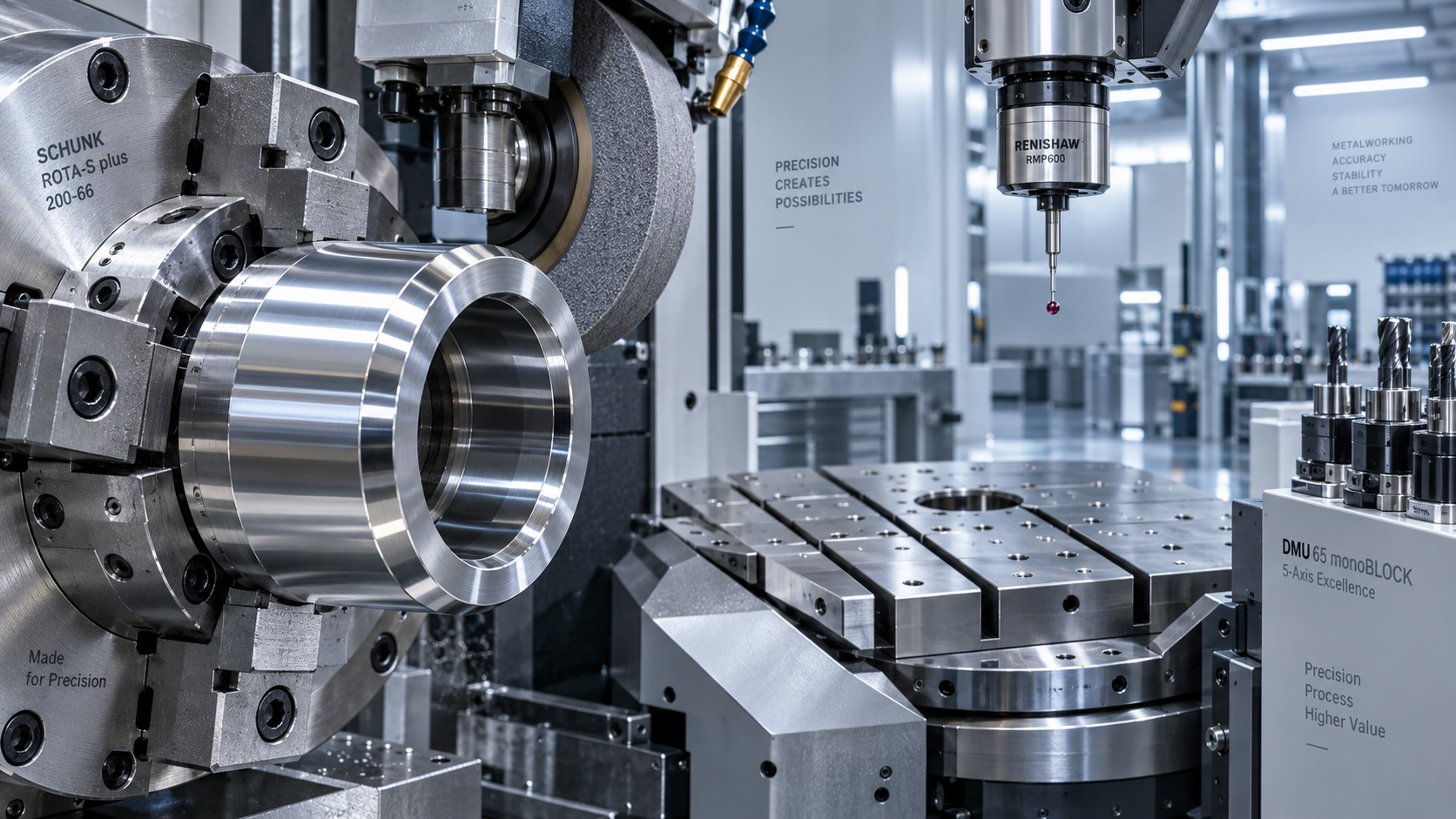
Product quality covers holder accuracy, balance, clamping force, concentricity, coating consistency, and wear behavior. These factors influence tool life, vibration, and surface finish.
Process quality looks at repeatability. Can the same tooling setup hold tolerance after multiple batches? Are assembly instructions clear? Is preset data reliable enough for low-adjustment startup?
Service quality is often underestimated. If a tool fails unexpectedly, technical response speed becomes part of quality. So does root cause analysis and the ability to propose corrected parameters quickly.
A structured review table helps separate measurable facts from sales language.
Pilot runs are often the clearest proof. If possible, compare at least two suppliers on the same part family, machine type, and production window.
Lead time sounds simple, but what should actually be measured?
Quoted lead time is only the visible layer. The more useful measure is lead time reliability under normal demand changes and urgent replacement situations.
A CNC Tooling System supplier in Germany may promise fast delivery for standard items, yet struggle with specials, balanced holders, custom assemblies, or multi-site replenishment.
In actual production, shortages rarely appear in routine orders. They show up when a tool breaks, an engineering change arrives, or a new contract requires rapid ramp-up.
That is why it is worth asking about stock policy, safety inventory, local warehousing, subcontracting exposure, and escalation procedures for urgent cases.
Another useful indicator is communication discipline. Fast replies, accurate confirmations, and realistic schedule updates often predict delivery performance better than headline promises.
- Standard catalog items: actual dispatch reliability over six to twelve months
- Custom tooling: engineering approval time and manufacturing window
- Emergency orders: recovery plan within 24 to 48 hours
- Cross-border supply: customs, transport mode, and documentation readiness
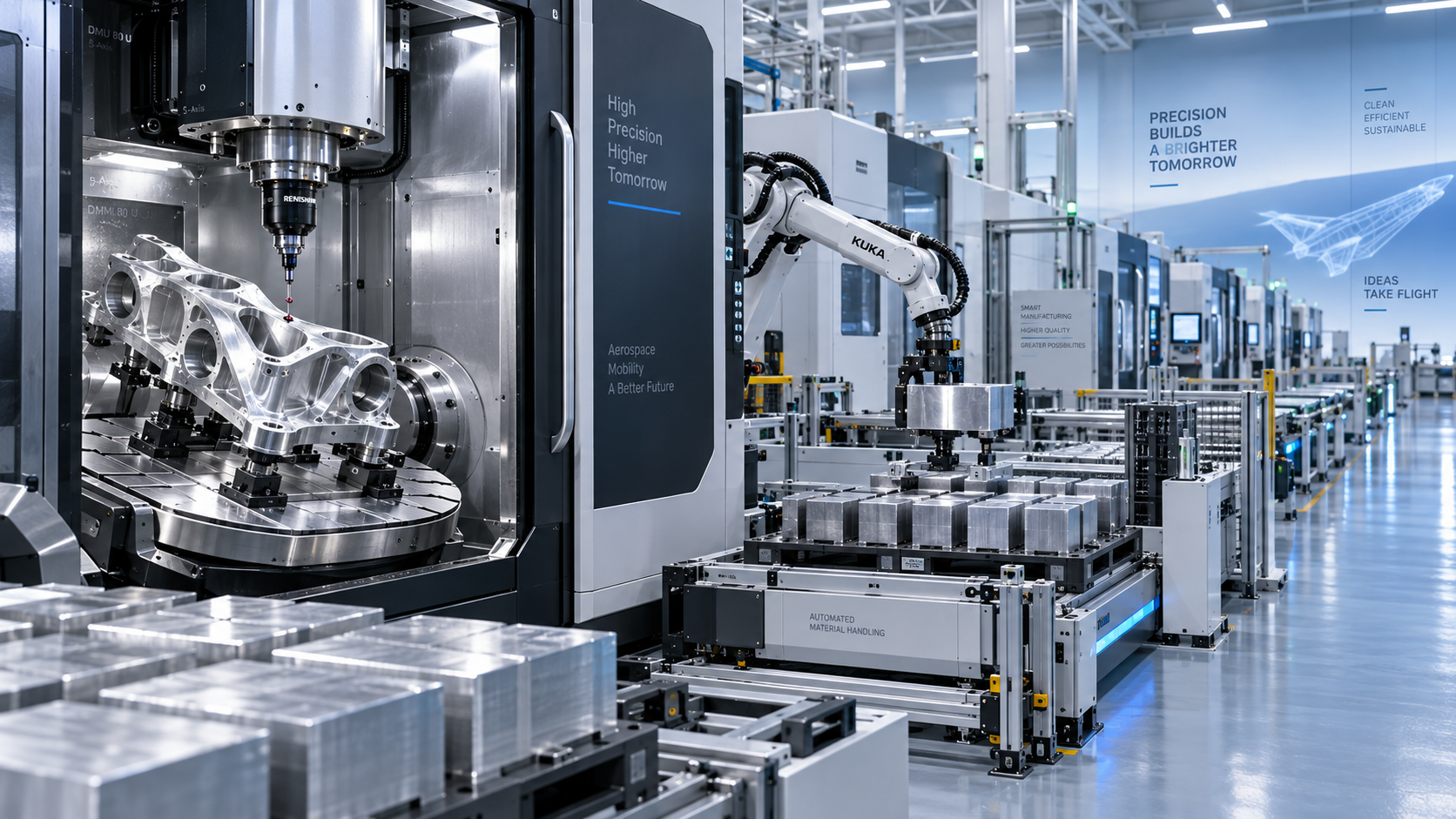
If your operation depends on automation or flexible production lines, lead time risk becomes even more expensive. A single missing tool assembly can idle a high-value machine cell.
How do you compare cost without falling into the lowest-price trap?
The purchase price of a tooling system is only one line in the cost picture. A lower-priced tool can become more expensive if it shortens life, increases setup time, or raises defect rates.
A better approach is total operating cost. This includes tooling consumption, machine downtime, operator intervention, maintenance, spare inventory, and process instability.
For a CNC Tooling System supplier in Germany, cost comparison should also include engineering support. Suppliers with stronger application knowledge often reduce cost through parameter optimization and standardization.
In many cases, the most economical option is not the cheapest component. It is the option that produces more acceptable parts per shift with fewer interruptions.
Use a practical decision frame when comparing offers.
This is especially relevant in precision manufacturing, where scrap, rework, and machine stoppage quickly outweigh small differences in catalog pricing.
What risks are commonly missed during supplier evaluation?
One common mistake is overvaluing brand visibility. A well-known supplier is not automatically the best match for your production mix, plant location, or response expectations.
Another risk is ignoring integration. Modern CNC environments increasingly rely on digital tool data, presetting workflows, and traceable assemblies. If the supplier cannot support that, efficiency gains may stall.
It is also easy to overlook dependency risk. If a CNC Tooling System supplier in Germany is the only source for critical custom tooling, recovery options should be defined early.
More subtle problems include inconsistent documentation, unclear revision control, and weak communication between sales, engineering, and logistics teams. These issues often appear only after production begins.
A short checklist can expose most of these concerns before contract finalization.
- Confirm whether technical drawings, assembly data, and item codes are revision-controlled
- Check if local support is available for commissioning and troubleshooting
- Review second-source options for critical consumables or specials
- Verify how quality claims are handled, documented, and corrected
- Ask how the supplier manages demand spikes and production transfers
So, what is the smartest next step before making a final decision?
Reduce the decision to a short, evidence-based scorecard. Keep the criteria practical: application fit, quality consistency, lead time reliability, service responsiveness, and total operating cost.
Then request a controlled trial or a limited-volume rollout. That approach gives more useful data than extended presentations or broad product catalogs.
In sectors driven by high precision and automation, the best CNC Tooling System supplier in Germany is usually the one that improves process stability, not simply the one with the lowest initial quote.
A careful evaluation also supports future scaling. As smart manufacturing expands, suppliers that can handle digital integration, technical collaboration, and reliable replenishment become more valuable over time.
Before final selection, document your critical parts, tolerance demands, annual volume, emergency supply needs, and support expectations. With that structure in place, supplier comparison becomes clearer, faster, and far less risky.
Recommended for You
 How to Select an Industrial Lathe for High-Volume Shaft ProductionMachine Tool Industry Editorial Team
 Selecting Machine Tools for Automotive Parts: Accuracy, Throughput, and AutomationMachine Tool Industry Editorial Team
 Industrial Machining: Selecting Processes for Tight-Tolerance Metal PartsCNC Machining Technology Center
 Manufacturing Technology Trends That Improve Throughput and Quality ControlManufacturing Market Research Center
 How to Design Cost-Effective Fixtures That Maintain Cycle Time in Mass ProductionCNC Machining Technology Center
 Is Learning CNC Programming Worth It for Shop Owners Seeking Higher Margins?CNC Machining Technology Center

Aris Katos
Future of Carbide Coatings
15+ years in precision manufacturing systems. Specialized in high-speed milling and aerospace grade alloy processing.
▶
How to Evaluate a Machine Tool Factory Before Sourcing CNC EquipmentGlobal Machine Tool Trade Research Center▶
How to Evaluate a CNC Machine Tool Manufacturer for Precision and Service SupportGlobal Machine Tool Trade Research Center▶
What Affects Cost-Effective CNC Manufacturing? Key Drivers Behind Part Price and Lead TimeGlobal Machine Tool Trade Research Center▶
How to Evaluate a CNC Tooling System Supplier in Germany for Quality, Lead Time, and CostGlobal Machine Tool Trade Research Center▶
How to Evaluate a CNC Tooling System Supplier in Germany for Quality, Lead Time, and SupportGlobal Machine Tool Trade Research Center
Mastering 5-Axis Workholding Strategies
Join our technical panel on Nov 15th to learn about reducing vibrations in thin-wall components.

Providing you with integrated sanding solutions
Before-sales and after-sales services
Comprehensive technical support