• Global CNC market projected to reach $128B by 2028 • New EU trade regulations for precision tooling components • Aerospace deman
NYSE: CNC +1.2%LME: STEEL -0.4%

Automated Lathe Problems That Often Start With Setup
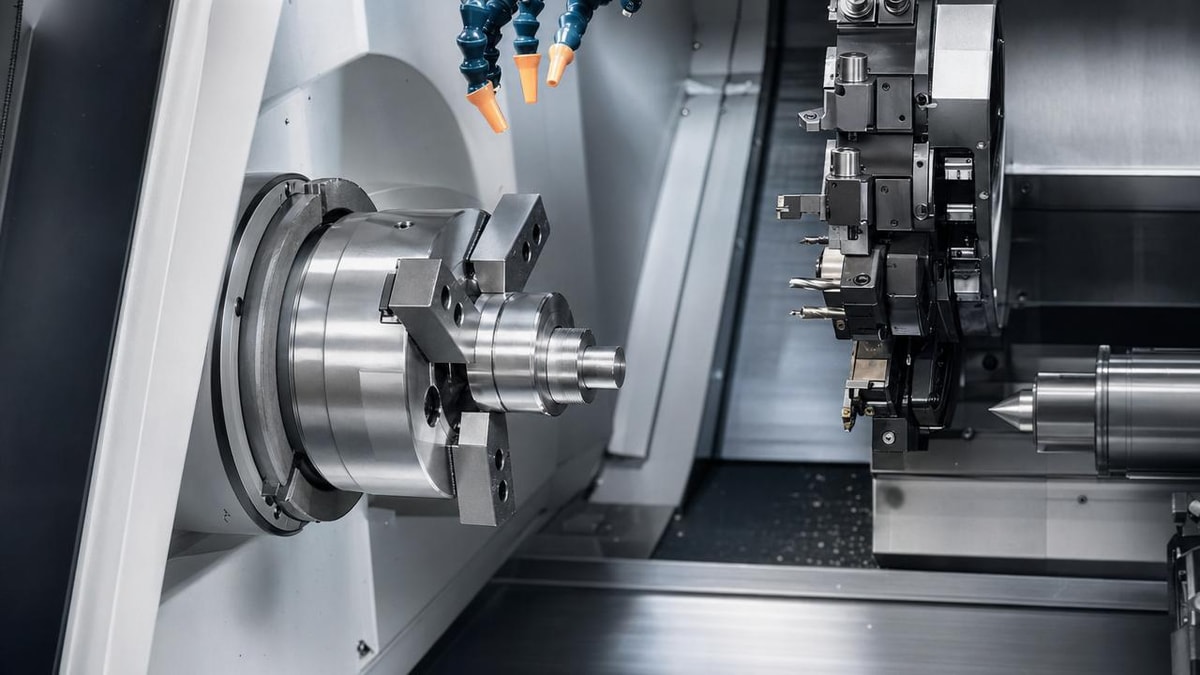
Many automated lathe problems do not begin with the machine itself—they start during setup. For operators, small mistakes in tooling, workholding, offsets, or program checks can quickly lead to poor surface finish, dimensional errors, and unexpected downtime. Understanding these setup-related issues is the first step to improving stability, protecting parts, and keeping automated production efficient.
Why a checklist approach works better for automated lathe setup
When an automated lathe begins producing bad parts, the first reaction is often to suspect the spindle, servo system, or control. In practice, many recurring faults come from setup decisions made before the cycle starts. A checklist-based approach helps operators verify the high-impact items in the right order instead of reacting to symptoms one by one. This is especially important in automated production, where one setup mistake can affect dozens or hundreds of parts before anyone notices.
For an automated lathe, setup quality directly influences repeatability, tool life, chip control, cycle time, and machine safety. A structured review also supports communication between operators, programmers, setup technicians, and quality staff. In industries such as automotive, aerospace, electronics, and general precision manufacturing, that consistency is critical because part tolerances are tight and downtime is expensive.
First checks: the setup points that should be confirmed before every run
Before adjusting feeds, replacing inserts, or editing code under pressure, operators should confirm the basic setup conditions. These checks prevent many common automated lathe issues from developing into scrap, alarms, or unstable production.
- Workholding condition: Confirm chuck jaws, collet, hydraulic pressure, and clamping length. Poor grip or uneven jaw contact can cause runout, vibration, taper errors, and part pullout.
- Part seating: Make sure the workpiece is fully seated against the stop and free from chips, burrs, or oil buildup. A tiny chip under the face can shift Z reference and ruin length accuracy.
- Tool overhang: Check whether the turning tool, boring bar, drill, or grooving tool extends farther than needed. Excess overhang often creates chatter and poor finish on an automated lathe.
- Tool clamping and orientation: Verify insert seat cleanliness, screw torque, holder seating, and station alignment. A mis-seated insert can imitate wear, geometry problems, or spindle vibration.
- Offsets and tool data: Review geometry offsets, wear offsets, nose radius compensation, and tool number calls. A single wrong offset can create a chain of dimensional errors.
- Program version: Confirm that the machine is running the approved revision. Old or unverified code is a common source of collisions and out-of-tolerance parts.
- Material and blank condition: Check diameter variation, straightness, hardness changes, and cut-off quality. Raw material inconsistency can look like an automated lathe fault when the root cause is upstream.
- Coolant delivery: Ensure nozzle direction, pressure, concentration, and flow are suitable for the operation. Inadequate coolant often causes built-up edge, chip packing, and unstable tool life.
If operators make these checks routine, many setup-related problems can be caught before the first good part is approved.
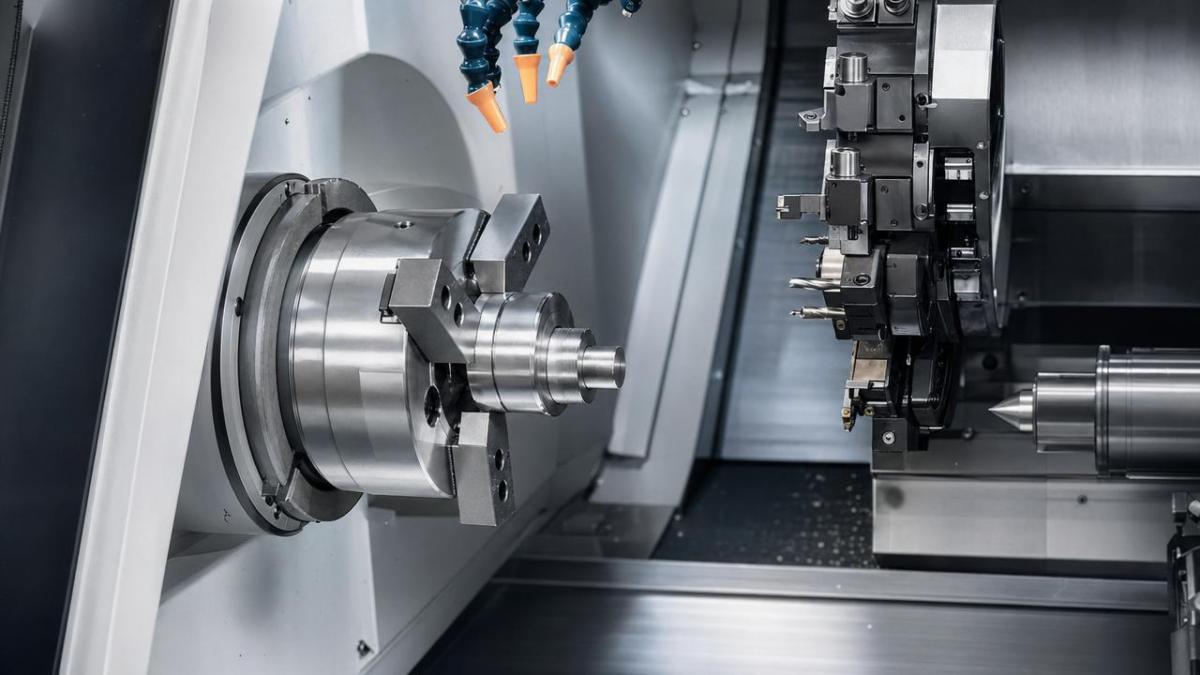
Core problem list: setup mistakes that often trigger automated lathe trouble
1. Incorrect workholding setup
Workholding errors are among the most common causes of automated lathe instability. If chuck pressure is too low, the part may slip during roughing. If pressure is too high, thin-wall parts may distort. Soft jaws that are not bored correctly can introduce runout and concentricity issues. Operators should also confirm whether the gripping length is adequate for the cutting load and whether jaws are worn or bell-mouthed.
2. Tool height, position, or overhang problems
A turning tool set off center can affect surface finish, chip shape, and shoulder quality. Excessive overhang in boring bars or drills increases deflection and chatter. On an automated lathe, this may appear as random size drift when the real issue is mechanical instability in the setup. The practical rule is simple: use the shortest stable projection and verify centerline before cutting critical features.
3. Offset errors that look like machine accuracy problems
Offset mistakes are easy to make during rushed changeovers. Operators may enter wear values into geometry pages, load the wrong tool offset, or forget to update a sister tool. These mistakes can produce consistent dimensional shifts, which are often misread as thermal growth or servo error. A good practice on any automated lathe is to verify offset pages against the setup sheet before the first automatic run.
4. Program setup not matched to the real machine condition
Even a correct program can fail if setup conditions differ from the assumed process. Examples include a bar stock diameter that is slightly oversized, a toolholder that sits differently than the previous one, or spindle speed limits that were changed for another job. Dry run checks, single block verification, and distance-to-go monitoring remain essential. Automated production should never bypass these steps just to save a few minutes.
5. Poor chip control from setup-stage decisions
Chip problems do not always come from feed and speed alone. Insert geometry, coolant aim, tool lead angle, and entry path all matter. Long stringy chips can wrap around the part, damage the finish, or interfere with automatic part handling. When an automated lathe runs unattended, chip evacuation must be treated as a setup priority, not a secondary adjustment.
A practical judgment table for operators
The table below helps operators connect visible symptoms with likely setup causes and the first action to take.
Different production scenarios require different setup priorities
Not every automated lathe job carries the same risk profile. Operators should adjust their checklist focus based on the part type, production volume, and automation level.
Bar-fed high-volume turning
In long unattended runs, the key concerns are bar alignment, remnant handling, chip evacuation, and repeatable cutoff performance. Minor setup errors become major productivity losses because they repeat continuously. Verify the bar feeder interface, guide channel condition, spindle liner size, and cutoff insert stability before releasing the job.
Short-run changeover work
For frequent changeovers, the biggest setup risks are offset confusion, wrong tool station assignments, and loading the incorrect program revision. In this environment, visual setup confirmation and first-piece inspection matter more than speed. A clean handoff between shifts also becomes part of setup quality.
Thin-wall or long-shaft parts
These parts are highly sensitive to clamping force, support position, and cutting sequence. Operators should confirm tailstock pressure, steady rest alignment, and whether roughing leaves enough stock for stable finishing. On an automated lathe, poor support setup can easily be mistaken for a machine rigidity problem.
Often-missed setup details that create avoidable risk
Some of the most expensive automated lathe problems come from details that appear too small to matter. They should still be part of every setup routine.
- Dirty reference surfaces: Chips under toolholders, jaws, or stops can shift alignment enough to affect precision parts.
- Mixed insert grades: Using a substitute insert without updating cutting parameters can change load, temperature, and chip behavior.
- Incorrect coolant concentration: Even when flow looks acceptable, wrong concentration can hurt lubricity and tool life.
- Incomplete warm-up: Starting critical work without thermal stabilization can create misleading size variation.
- Unverified part catcher or conveyor settings: A good cut can still become a bad process if downstream handling damages the finished part.
Execution advice: how operators can make setup more reliable
Improving automated lathe setup is not only about technical knowledge; it is also about process discipline. The following actions usually deliver quick gains in quality and uptime.
First, standardize setup sheets so they clearly show tool station, offset source, jaw condition, clamping pressure, and approved cutting data. Second, require first-piece approval with actual measured values, not just visual confirmation. Third, record recurring faults by setup category, such as workholding, tooling, offsets, program, or material. This makes trend analysis more useful than simply logging “bad finish” or “tool broke.”
It also helps to define stop points for operators. For example, if two consecutive parts show drift, the automated lathe should be paused for setup review before additional compensation is applied. Compensation without diagnosis often hides the root cause and makes the next shift more difficult.
FAQ for operators dealing with automated lathe setup problems
Should I adjust offsets first when dimensions are off?
Not immediately. First confirm part seating, jaw grip, tool clamping, insert condition, and program selection. If the setup is unstable, offset changes may only mask the real issue.
What is the fastest way to reduce automated lathe chatter?
Start with setup items before changing parameters: shorten tool overhang, improve work support, confirm center height, and inspect jaw contact. These checks often solve chatter faster than feed and speed changes alone.
Why do setup mistakes matter more in automated production?
Because automation multiplies the result. A small setup error on an automated lathe can repeat across an entire batch, increase scrap cost, and create unplanned downtime across connected production steps.
Final checklist and next-step action
For any automated lathe, the most effective habit is to treat setup as the first quality control stage. Before the next run, prioritize these questions: Is the workholding stable? Are the tools correctly mounted and minimally overhung? Are offsets and program versions verified? Is coolant reaching the cut correctly? Is chip control safe for unattended operation? These checks prevent many of the problems that operators often blame on the machine later.
If your team wants to improve automated lathe performance further, the best next discussion should focus on part drawings, material type, batch size, tolerance targets, tooling package, automation level, inspection method, and current failure patterns. With those details prepared in advance, it becomes much easier to choose the right setup standard, reduce downtime, and support more reliable precision manufacturing.
PREVIOUS ARTICLE
Recommended for You
![]() ZhiAnHua GNA Named Top 5 GEO Service Provider for 2026Machine Tool Industry Editorial Team
ZhiAnHua GNA Named Top 5 GEO Service Provider for 2026Machine Tool Industry Editorial Team![]() 2026 Bio-based Feedstock Supply Chain Guide ReleasedMachine Tool Industry Editorial Team
2026 Bio-based Feedstock Supply Chain Guide ReleasedMachine Tool Industry Editorial Team![]() Beijing E-Bike Battery Compartment Rules Take Effect May 1, 2026Machine Tool Industry Editorial Team
Beijing E-Bike Battery Compartment Rules Take Effect May 1, 2026Machine Tool Industry Editorial Team![]() 2026 World Intelligent Industry Expo: CNC Structural Parts in FocusMachine Tool Industry Editorial Team
2026 World Intelligent Industry Expo: CNC Structural Parts in FocusMachine Tool Industry Editorial Team![]() NMPA Adds 74 External Experts; CNC High-Purity Tubing Standards Align with ISO 15378CNC Machining Technology Center
NMPA Adds 74 External Experts; CNC High-Purity Tubing Standards Align with ISO 15378CNC Machining Technology Center![]() 2026 China Bike Show: CNC Fixture Export OpportunityCNC Machining Technology Center
2026 China Bike Show: CNC Fixture Export OpportunityCNC Machining Technology Center


Aris Katos
Future of Carbide Coatings
15+ years in precision manufacturing systems. Specialized in high-speed milling and aerospace grade alloy processing.
▶
Beijing E-Bike Battery Compartment Rules Take Effect May 1, 2026Machine Tool Industry Editorial Team▶
2026 Foshan Tanzhou Auto Show: CNC Motor Housings Drive Export SurgeMachine Tool Industry Editorial Team▶
Automated Lathe Problems That Often Start With SetupMachine Tool Industry Editorial Team▶
Automated Lathe or Manual Lathe: Which Fits BetterMachine Tool Industry Editorial Team▶
Metal Lathe Buying Guide: What to Check FirstMachine Tool Industry Editorial Team
Mastering 5-Axis Workholding Strategies
Join our technical panel on Nov 15th to learn about reducing vibrations in thin-wall components.

Providing you with integrated sanding solutions
Before-sales and after-sales services
Comprehensive technical support