• Global CNC market projected to reach $128B by 2028 • New EU trade regulations for precision tooling components • Aerospace deman
NYSE: CNC +1.2%LME: STEEL -0.4%

Automated Lathe or Manual Lathe: Which Fits Better
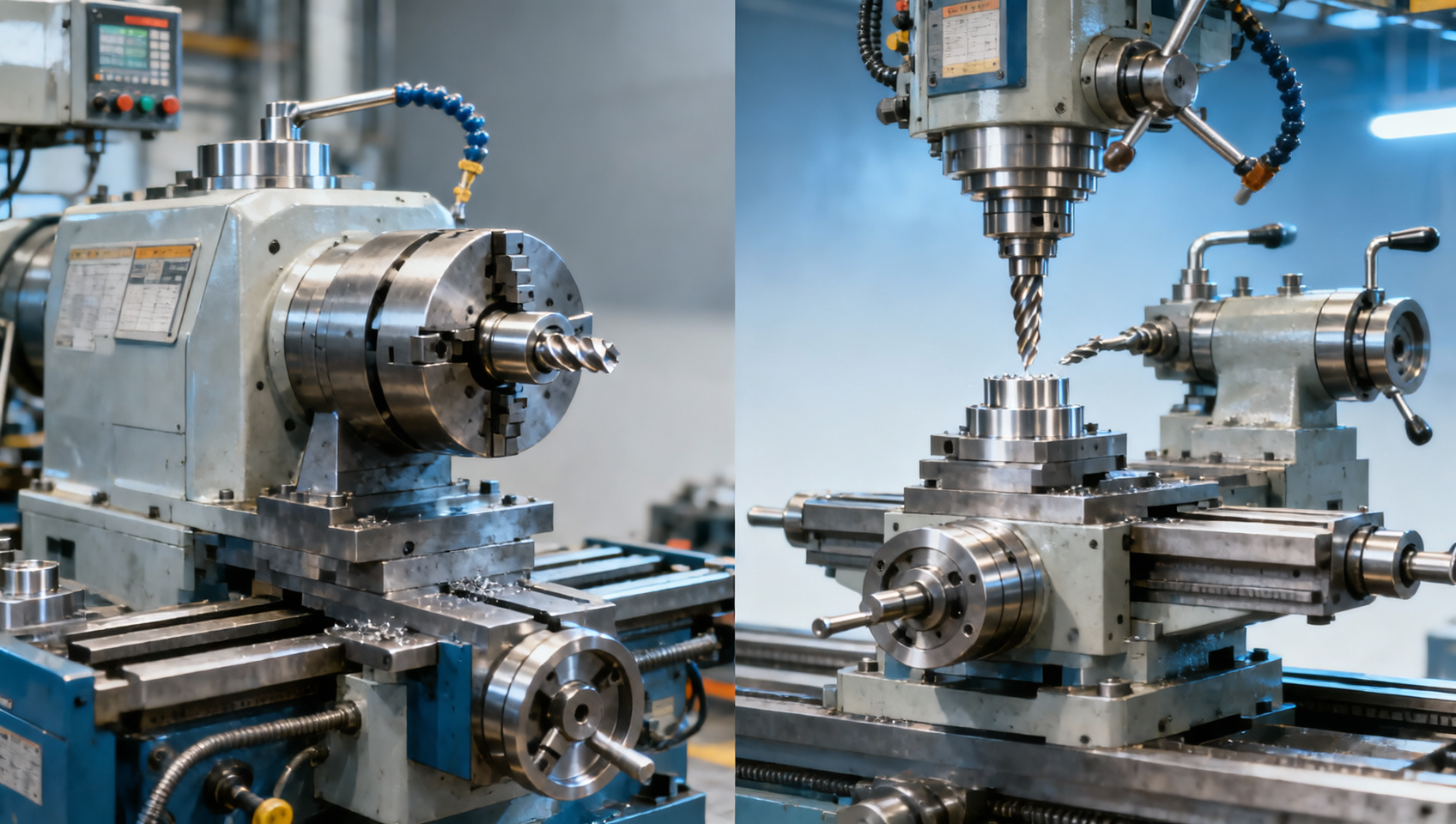
Choosing between an automated lathe and a manual lathe can directly affect metal machining efficiency, part accuracy, and overall production cost. For buyers, operators, and manufacturing decision-makers, understanding how automated lathe systems fit modern industrial CNC and CNC production needs is essential. This article explores the strengths, limits, and ideal applications of both options in today’s Manufacturing Industry.
How to Decide Quickly: Automated Lathe or Manual Lathe?
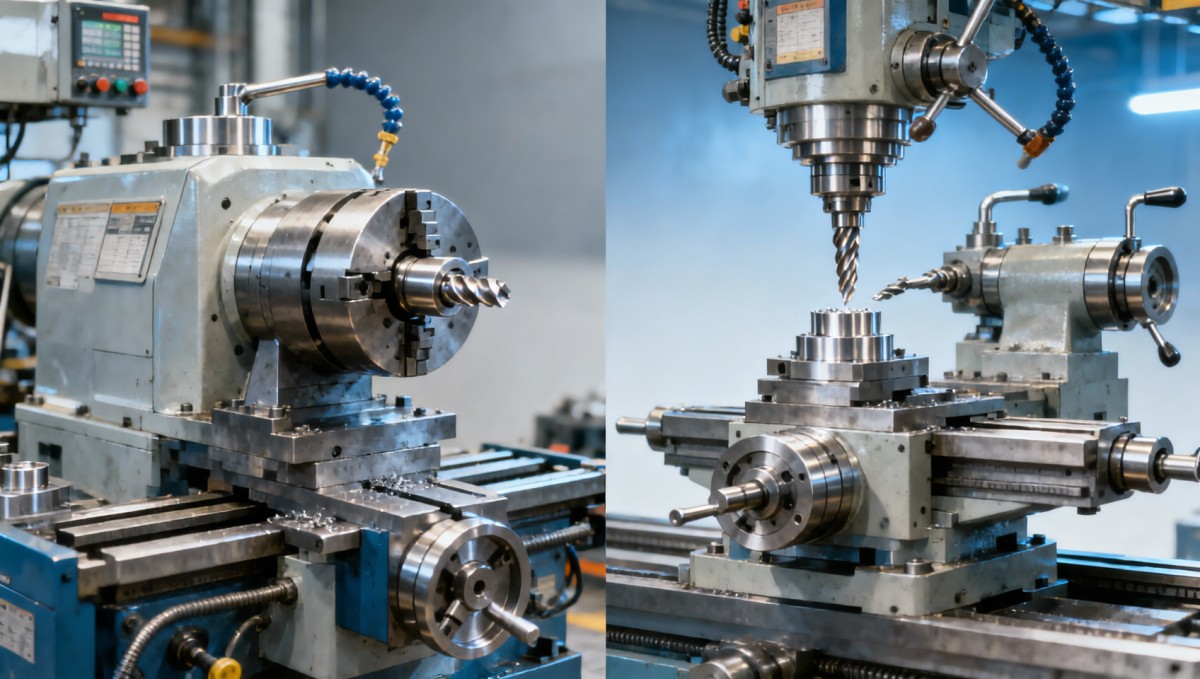
If your work involves repeat production, tight tolerances, labor efficiency, or scalable output, an automated lathe is usually the better fit. If your work is focused on repair jobs, simple one-off parts, operator-led adjustments, training, or low-budget workshop tasks, a manual lathe often makes more sense.
That is the practical answer most readers are looking for. The real decision is not which machine is “better” in general, but which one matches your production volume, part complexity, available workforce, lead-time pressure, and investment goals.
For procurement teams and business evaluators, the key issue is return on investment. For operators, it is ease of use, setup time, and machining flexibility. For researchers comparing machine tool solutions, the main concern is understanding where each option creates value and where it creates limitations.
What Is the Real Difference Between an Automated Lathe and a Manual Lathe?
A manual lathe depends heavily on direct operator control. The machinist adjusts feed, speed, cutting path, and tool movement by hand. This makes the machine flexible for experienced users, especially in custom work, maintenance machining, and low-quantity jobs.
An automated lathe, often referring to CNC lathe systems or programmable turning equipment, performs machining operations based on pre-set instructions. Once programmed and set up, it can machine parts with high repeatability and less dependence on constant manual intervention.
The difference is not only about automation level. It also affects:
- Part consistency from batch to batch
- Cycle time and throughput
- Operator skill requirements
- Setup and programming effort
- Production planning and scheduling
- Long-term manufacturing cost
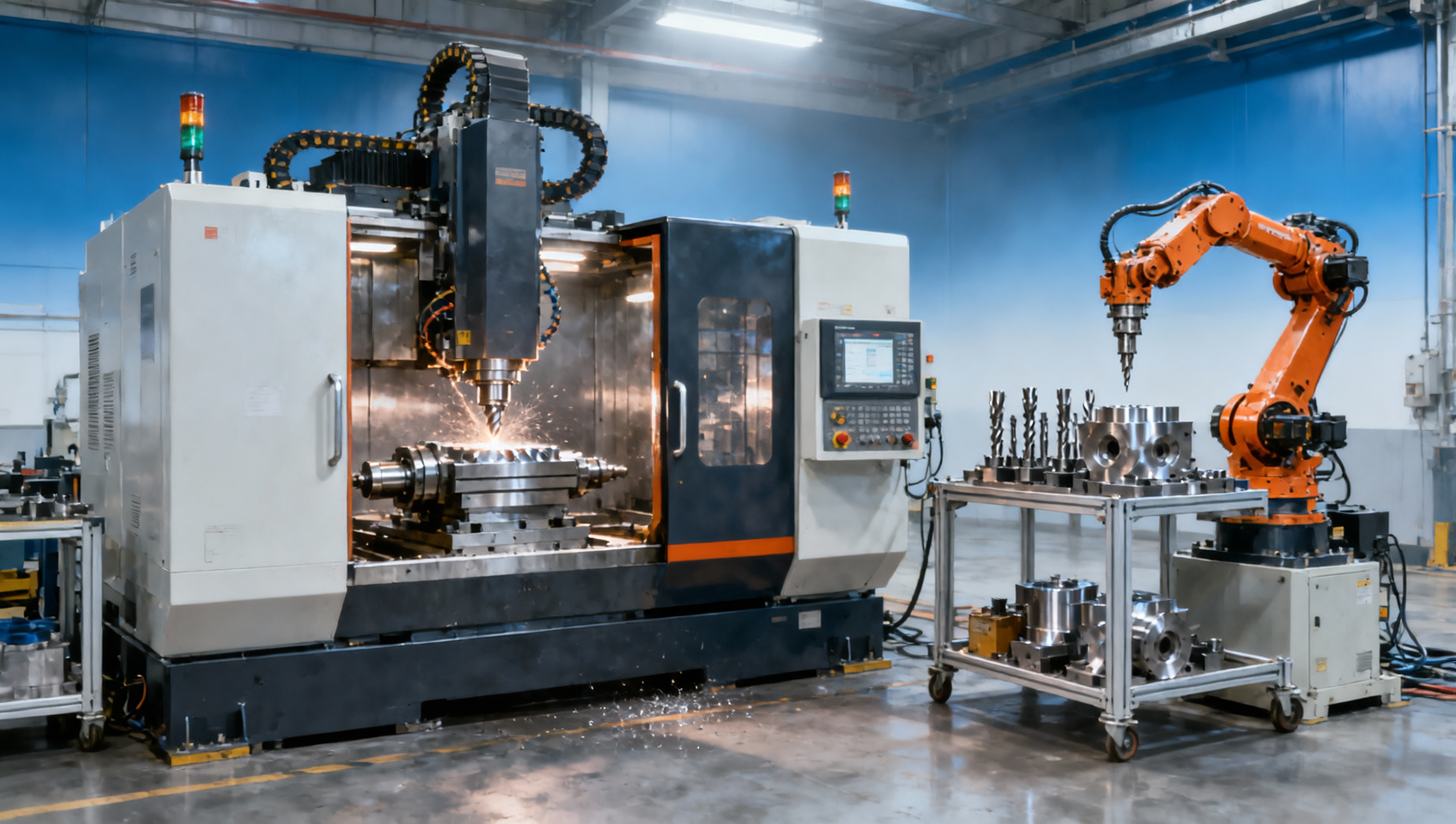
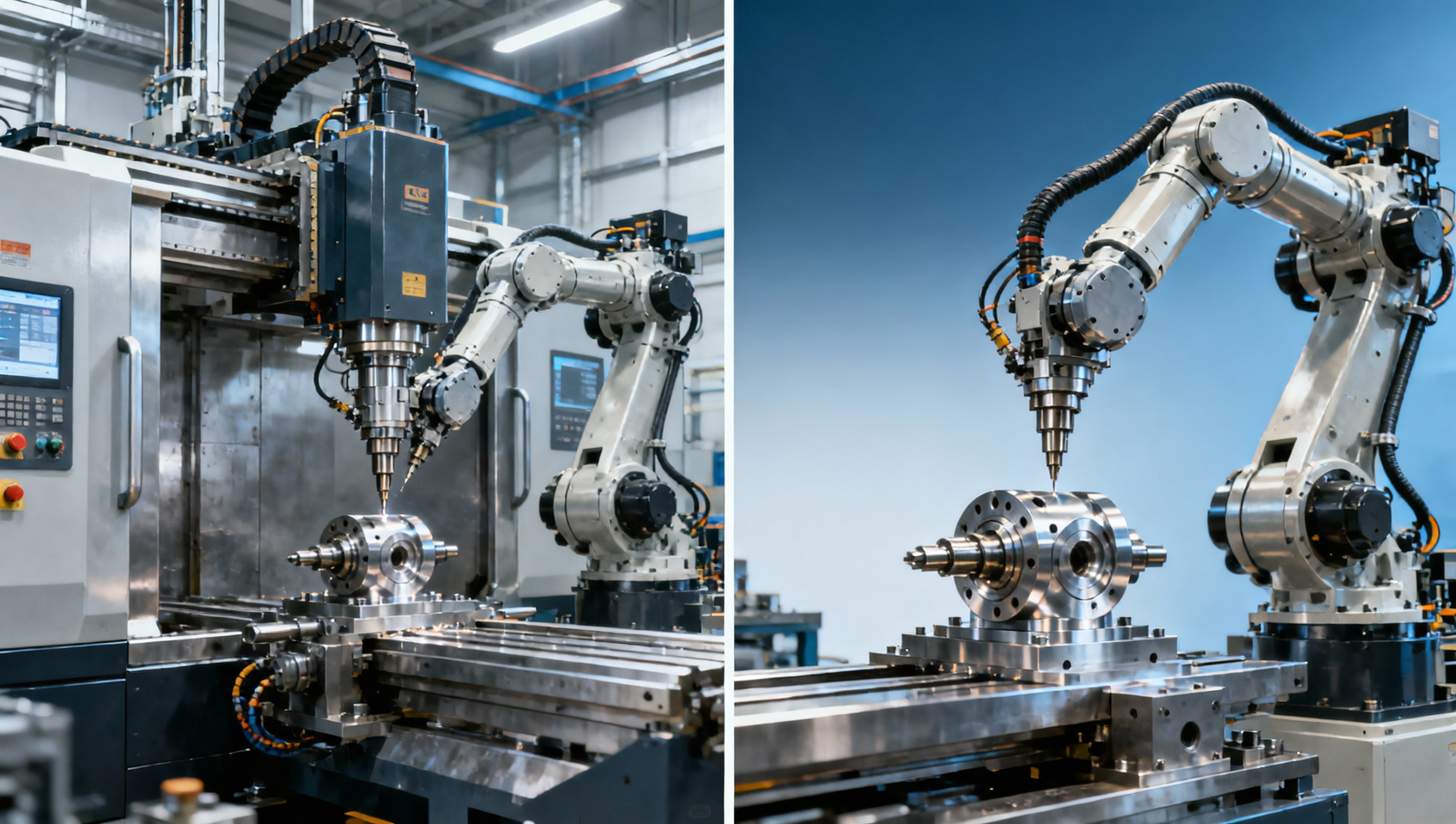
In modern CNC production environments, automated lathes are often integrated with tool changers, bar feeders, robotic loading, measurement systems, and digital process monitoring. Manual lathes, by contrast, remain valuable where craftsmanship, immediate hands-on control, and simple machining tasks are more important than scale.
Which Option Fits Your Production Volume and Part Type?
This is usually the most important decision factor.
Choose an automated lathe when:
- You produce medium to high volumes of the same or similar parts
- You need repeatable tolerance control
- You machine complex contours, threads, tapers, or multi-step turning features
- You want shorter cycle times and reduced manual labor
- You need production traceability and process standardization
Choose a manual lathe when:
- You mainly handle repair, maintenance, or prototype work
- Your part designs change frequently and unpredictably
- Your batch sizes are very small
- You rely on skilled machinists for custom adjustments
- Your investment budget is limited
For example, an aerospace supplier producing repeated precision shaft components will usually gain more value from an automated lathe. A maintenance workshop repairing worn machine sleeves or making occasional replacement parts may be better served by a manual lathe.
How Do Accuracy, Consistency, and Quality Compare?
Automated lathes generally outperform manual lathes in repeatability and consistency. This matters when parts must meet strict dimensional standards across dozens, hundreds, or thousands of units.
With CNC and automated turning systems, once the tooling, program, offsets, and process parameters are optimized, the machine can produce the same result repeatedly with less variation. This reduces scrap rates, supports quality control, and improves confidence in downstream assembly.
Manual lathes can still produce excellent parts, especially in the hands of highly skilled machinists. However, the final quality depends much more on individual operator technique, concentration, and experience. That creates more variation, especially over longer production runs.
If your customers require stable quality documentation, interchangeable parts, or tight process control, automated lathe systems usually offer a clearer advantage.
What About Cost: Is Automated Always More Expensive?
At the purchase stage, yes, automated lathes usually require a higher upfront investment. But that does not mean they are always more expensive in total.
To compare correctly, buyers should look at total production cost, not just machine price.
Manual lathe cost advantages:
- Lower initial equipment cost
- Simpler maintenance in some cases
- Suitable for low-frequency use
- No major programming infrastructure required
Automated lathe cost advantages over time:
- Lower labor cost per part in repeated production
- Higher output per shift
- Reduced scrap and rework
- Better machine utilization
- More predictable scheduling and delivery performance
If a company is producing high volumes of turned parts, the automated lathe often becomes more economical over time despite the higher capital expense. If the machine is only used occasionally or mainly for variable small jobs, a manual lathe may remain the more cost-effective choice.
What Do Operators and Workshops Need to Consider?
For operators and production supervisors, the decision is not only about machine capability. It is also about staffing reality.
Manual lathes require hands-on machining knowledge. Skilled operators can make fast judgment calls, handle unusual workpieces, and adapt to changing conditions. In shops where such talent is available, manual machines can be highly effective for non-repetitive work.
Automated lathes reduce reliance on continuous manual control, but they introduce other requirements:
- Programming knowledge
- Tool management discipline
- Setup verification procedures
- Preventive maintenance planning
- Understanding of CNC control systems
In other words, automation does not remove the need for skilled people. It changes the type of skill needed. Shops facing shortages of experienced manual machinists may find automated systems more sustainable. Shops without CNC programming support may struggle to use automation efficiently at first.
When Does an Automated Lathe Deliver the Best Business Value?
From a business evaluation perspective, automated lathes are especially attractive when they support strategic goals such as:
- Expanding production capacity without proportional labor growth
- Improving delivery consistency for global customers
- Standardizing quality across product lines
- Supporting digital manufacturing and smart factory initiatives
- Integrating with automated production lines
In industries such as automotive manufacturing, energy equipment, electronics, and aerospace, these benefits are often decisive. Automated turning equipment fits well into broader industrial automation systems, where upstream and downstream processes are also digitally managed.
For companies aiming to compete on scale, lead time, and precision, automation often aligns better with long-term strategy than manual-only production.
When Is a Manual Lathe Still the Better Choice?
Despite the growth of CNC machine tools, manual lathes still hold an important place in manufacturing.
They are often the better choice when:
- The work is unpredictable
- Parts are simple and quantities are low
- Budgets are tight
- Training and educational use is important
- Quick repair work is more common than production runs
A manual lathe can also be a practical support machine even in a modern CNC workshop. It is useful for secondary operations, urgent modifications, fixture adjustment, and maintenance tasks that would be inefficient to program on a CNC lathe.
So the decision is not always either-or. Many efficient workshops use both, assigning each machine type to the work it handles best.
A Simple Decision Framework for Buyers and Managers
If you are comparing options for purchase or operational planning, ask these questions:
- How many similar parts do we produce each month?
- How tight are our tolerance and consistency requirements?
- Do we need faster throughput or lower cost per part?
- What skills does our current workforce have?
- Can we support CNC programming, setup, and maintenance?
- Is this machine for production, repair, prototyping, or mixed use?
- What is more important right now: lower upfront cost or long-term efficiency?
If most answers point toward scale, repeatability, and process control, an automated lathe is likely the right investment. If most answers point toward flexibility, irregular work, and low initial spending, a manual lathe is likely the better fit.
Conclusion: Choose Based on Work Reality, Not Machine Preference
When comparing an automated lathe and a manual lathe, the best choice depends on the job, not on trends alone. Automated lathes are usually better for repeat production, precision consistency, and long-term manufacturing efficiency. Manual lathes remain valuable for custom work, repairs, training, and low-volume machining.
For modern manufacturing businesses, the most effective decision is to match machine capability with actual production needs, workforce structure, and investment goals. If your priority is scalable CNC production, better repeatability, and integration with automated manufacturing systems, an automated lathe will usually fit better. If your priority is flexibility, low upfront cost, and operator-led machining for varied tasks, a manual lathe can still be the smarter choice.
In many cases, the strongest workshop strategy is not choosing one over the other completely, but using each where it delivers the most value.
PREVIOUS ARTICLE
NEXT ARTICLE
Recommended for You
 How to Choose the Right Metal Machining ProcessCNC Machining Technology Center
 Metal Machining vs CNC Metalworking: What MattersCNC Machining Technology Center
 What Drives Cost in Industrial CNC ProjectsManufacturing Market Research Center
 Is Industrial CNC Worth Upgrading in 2026Machine Tool Industry Editorial Team
 How CNC Industrial Systems Improve Shop EfficiencyMachine Tool Industry Editorial Team
 CNC Industrial Setup Mistakes to Avoid FirstCNC Machining Technology Center

Aris Katos
Future of Carbide Coatings
15+ years in precision manufacturing systems. Specialized in high-speed milling and aerospace grade alloy processing.
▶
Automated Lathe or Manual Lathe: Which Fits BetterMachine Tool Industry Editorial Team▶
Metal Lathe Buying Guide: What to Check FirstMachine Tool Industry Editorial Team▶
Can a CNC Lathe Really Improve Mass Production Consistency?Machine Tool Industry Editorial Team▶
Metal Lathe Accuracy Drifts After Warm Up for a ReasonMachine Tool Industry Editorial Team▶
Automated Lathe Bar Feeding Problems That Hurt UptimeMachine Tool Industry Editorial Team
Mastering 5-Axis Workholding Strategies
Join our technical panel on Nov 15th to learn about reducing vibrations in thin-wall components.

Providing you with integrated sanding solutions
Before-sales and after-sales services
Comprehensive technical support