• Global CNC market projected to reach $128B by 2028 • New EU trade regulations for precision tooling components • Aerospace deman
NYSE: CNC +1.2%LME: STEEL -0.4%

Metal Lathe Buying Guide: What to Check First
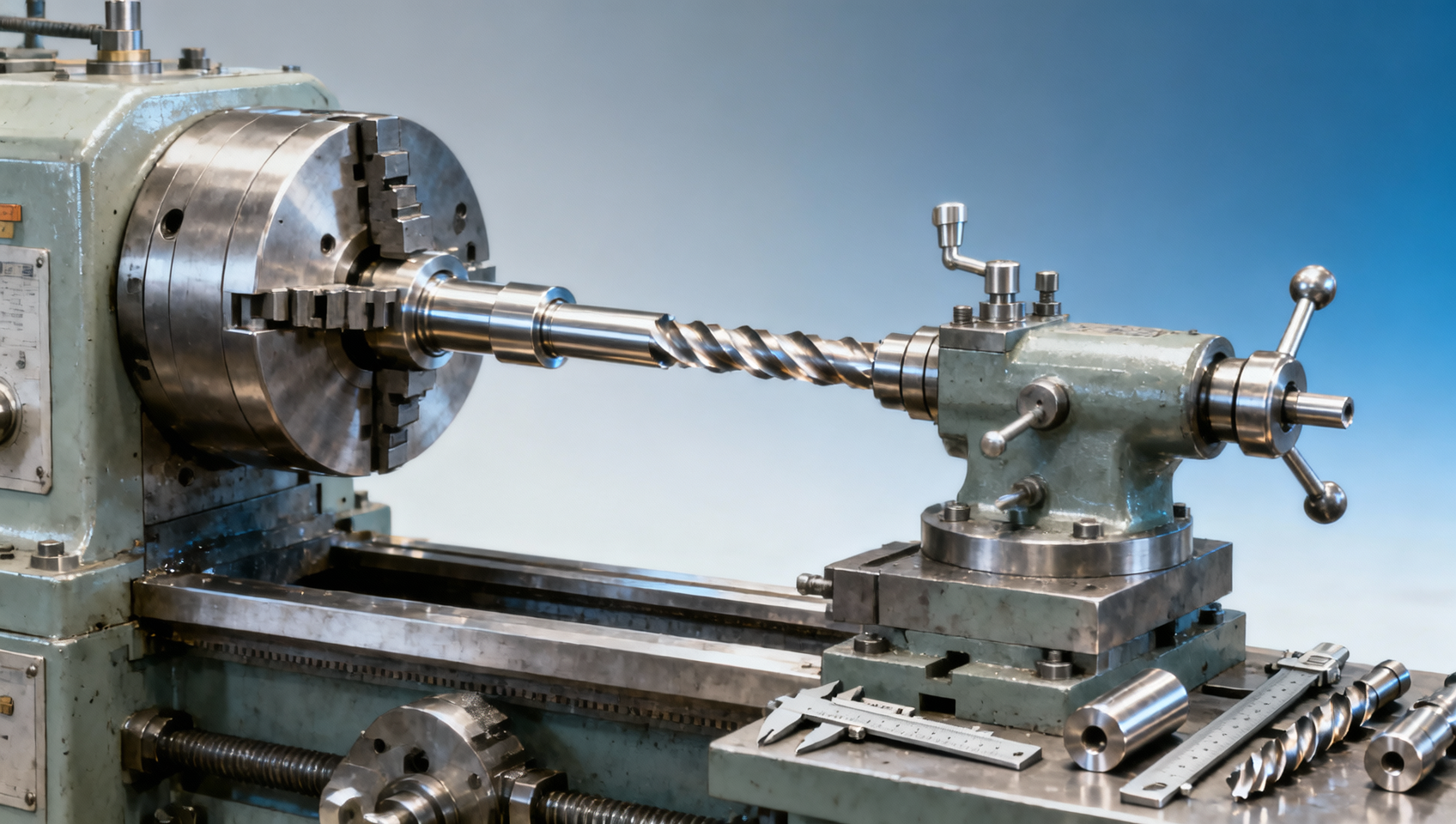
Choosing a metal lathe is not just about comparing price, brand, or maximum swing. For most buyers, the first checks should be practical: can the machine hold the accuracy your parts require, stay rigid under real cutting loads, deliver stable spindle performance, and match your materials, production volume, and operator skill level? If those fundamentals are wrong, even a well-known lathe can become a costly mismatch. This guide explains what to evaluate first so operators, sourcing teams, and business decision-makers can make a more confident buying decision in today’s manufacturing environment.
What should you check first before buying a metal lathe?
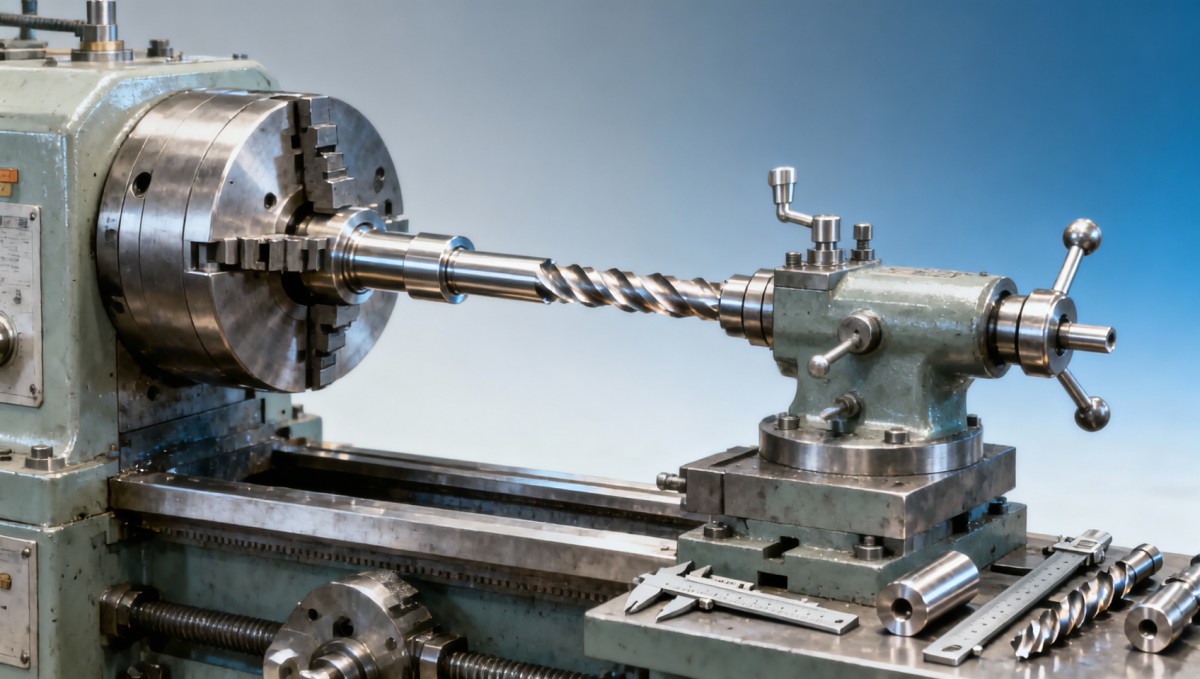
The best starting point is not the catalog. It is your actual machining requirement. Before reviewing machine specifications, define five basics:
- Part type: shafts, discs, bushings, threaded parts, or irregular workpieces
- Workpiece size: diameter, length, weight, and clamping method
- Material: steel, stainless steel, aluminum, cast iron, brass, titanium, or alloys
- Tolerance and finish: required dimensional accuracy, roundness, concentricity, and surface roughness
- Production mode: repair work, job shop batches, or continuous industrial production
If a buyer skips this step, the risk is high: the machine may be oversized, undersized, too slow, not rigid enough, or unnecessarily complex. For procurement teams, this is where total cost and production fit begin. For operators, this is where usability and process stability begin.
As a general rule, the first technical checks should be machining accuracy, structural rigidity, spindle capability, control system suitability, and tooling compatibility. These five factors influence whether the lathe will perform well in real metal cutting, not just on paper.
How much accuracy do you really need?
Accuracy is usually the first serious filter because it directly affects scrap rate, rework, inspection pressure, and downstream assembly quality. Buyers should ask:
- What is the repeatability of the machine?
- What tolerance range can it hold in real production, not only in factory testing?
- How stable is accuracy after long operating hours?
- What is the thermal stability of the machine during continuous cutting?
For general metal machining, a standard industrial lathe may be enough. For precision parts in automotive, electronics, or aerospace supply chains, tighter repeatability and better thermal control are often necessary. A machine that achieves good accuracy only in short test cuts may not be suitable for long production cycles.
It is also important to separate positioning accuracy from process accuracy. A lathe can have good axis positioning data but still fail to hold part quality if the spindle, turret, guideways, or machine structure are not stable under cutting load.
Why rigidity matters more than many first-time buyers expect
Rigidity is one of the most overlooked factors in a metal lathe buying guide, yet it strongly influences chatter, tool life, surface finish, and dimensional consistency. If your work involves harder metals, larger diameters, interrupted cuts, or aggressive material removal, rigidity should be a top priority.
Key points to check include:
- Bed construction: cast iron structure, slant bed or flat bed design, vibration resistance
- Guideway design: box ways or linear guides depending on speed, load, and finish requirements
- Turret and tailstock strength: especially for longer workpieces and heavier cuts
- Machine weight: often a practical indicator of structural stability
In many industrial settings, a more rigid machine delivers better long-term value than a machine that looks faster in the brochure. Better rigidity often means fewer vibration problems, more predictable cutting conditions, and lower tooling waste.
How should you evaluate spindle performance?
The spindle determines much of the lathe’s cutting capability. Buyers should not look only at maximum RPM. Spindle performance must be matched to the work you actually do.
Important factors include:
- Power and torque: especially important for steel, heavy cuts, and low-speed turning
- Speed range: high RPM matters more for small-diameter parts and fine finishing
- Spindle bore: critical if you feed bar stock through the spindle
- Bearing quality and stability: affects vibration, finish, and long-term precision
- Thermal behavior: spindle heat can shift accuracy during long runs
A buyer focused only on top speed may choose the wrong machine. For example, large steel shaft machining often benefits more from stable torque and rigidity than from high spindle speed. In contrast, smaller precision components may require smoother high-speed spindle performance.
Which control system and automation features are worth checking?
For CNC lathes, the control system affects programming efficiency, operator learning curve, maintenance support, and future automation potential. This matters not only to operators but also to procurement and management teams evaluating long-term usability.
Ask these questions:
- Is the CNC control widely used and easy to support locally?
- Can your operators program and troubleshoot it efficiently?
- Does it support the cycles, threading functions, and turning operations you use most?
- Can it integrate with bar feeders, robots, part catchers, probing, or factory data systems?
- Are spare parts and service engineers readily available?
In modern manufacturing, a lathe is increasingly part of a broader automated production environment. If your business expects future digital integration, lights-out production, or flexible production line use, then the control system should be evaluated as a platform decision, not just a machine feature.
What machine size, configuration, and tooling setup fit your production needs?
Machine mismatch is a common buying mistake. A metal lathe should be selected based on real part mix and workflow, not just future hopes.
Review the following:
- Swing over bed and turning diameter: must cover actual part size with margin
- Distance between centers or turning length: essential for shafts and longer components
- Chuck size and workholding: affects stability, setup time, and part range
- Tool station count: important for cycle time and multi-step parts
- Live tooling or Y-axis: valuable if parts need milling, drilling, or secondary operations in one setup
- Bar feeder compatibility: useful for repeat batch or continuous production
For high-mix, low-volume workshops, flexibility may matter more than maximum output. For dedicated production lines, cycle time reduction and automation compatibility may be more important than broad versatility.
How do you compare price without making a bad purchasing decision?
Purchase price matters, but it should never be the only comparison point. A cheaper lathe can become more expensive if it causes downtime, poor accuracy, excessive tool wear, or service delays.
Evaluate total ownership cost across these areas:
- Installation and training
- Tooling and workholding investment
- Consumables and maintenance frequency
- Spare parts lead time
- Machine uptime and service support
- Energy consumption
- Expected machine life and resale value
For procurement and business evaluation teams, the most useful question is not “Which lathe is cheapest?” but “Which lathe delivers the required output and quality at the lowest operating risk over time?”
What should you ask the supplier before placing an order?
Supplier evaluation is just as important as machine evaluation. Even a good machine can become a poor investment if after-sales support is weak.
Before ordering, ask for:
- Test cutting on materials and parts similar to yours
- Accuracy inspection reports and acceptance standards
- Detailed configuration list, including control, spindle, turret, and key components
- Delivery timeline and installation scope
- Warranty terms and service response time
- Training plan for operators and maintenance staff
- Reference customers in similar industries or applications
If possible, visit an installed machine in real production. That often reveals more than a showroom demonstration. Operators can assess ergonomics and stability, while procurement teams can verify support quality and practical uptime.
Final buying checklist for a more confident decision
If you want a simple way to make an early judgment, start with this checklist:
- Confirm part size, material, tolerance, and production volume
- Check whether machine accuracy matches actual quality requirements
- Verify rigidity for your cutting conditions and materials
- Match spindle torque, speed, and bore to your workpieces
- Review control system usability and service support
- Ensure tooling, workholding, and automation fit your workflow
- Compare total cost of ownership, not just purchase price
- Validate supplier capability with test cuts and after-sales commitments
In short, the first things to check when buying a metal lathe are the factors that affect real production performance: accuracy, rigidity, spindle suitability, control practicality, and production fit. Once those are confirmed, price and brand become easier to evaluate in context. A good buying decision is not about choosing the most advanced machine on the market. It is about choosing the lathe that best supports your machining goals, operating conditions, and business priorities.
PREVIOUS ARTICLE
NEXT ARTICLE
Recommended for You
 How to Choose the Right Metal Machining ProcessCNC Machining Technology Center
 Metal Machining vs CNC Metalworking: What MattersCNC Machining Technology Center
 What Drives Cost in Industrial CNC ProjectsManufacturing Market Research Center
 Is Industrial CNC Worth Upgrading in 2026Machine Tool Industry Editorial Team
 How CNC Industrial Systems Improve Shop EfficiencyMachine Tool Industry Editorial Team
 CNC Industrial Setup Mistakes to Avoid FirstCNC Machining Technology Center

Aris Katos
Future of Carbide Coatings
15+ years in precision manufacturing systems. Specialized in high-speed milling and aerospace grade alloy processing.
▶
Automated Lathe or Manual Lathe: Which Fits BetterMachine Tool Industry Editorial Team▶
Metal Lathe Buying Guide: What to Check FirstMachine Tool Industry Editorial Team▶
Can a CNC Lathe Really Improve Mass Production Consistency?Machine Tool Industry Editorial Team▶
Metal Lathe Accuracy Drifts After Warm Up for a ReasonMachine Tool Industry Editorial Team▶
Automated Lathe Bar Feeding Problems That Hurt UptimeMachine Tool Industry Editorial Team
Mastering 5-Axis Workholding Strategies
Join our technical panel on Nov 15th to learn about reducing vibrations in thin-wall components.

Providing you with integrated sanding solutions
Before-sales and after-sales services
Comprehensive technical support