• Global CNC market projected to reach $128B by 2028 • New EU trade regulations for precision tooling components • Aerospace deman
NYSE: CNC +1.2%LME: STEEL -0.4%

What matters most in CNC production equipment reliability
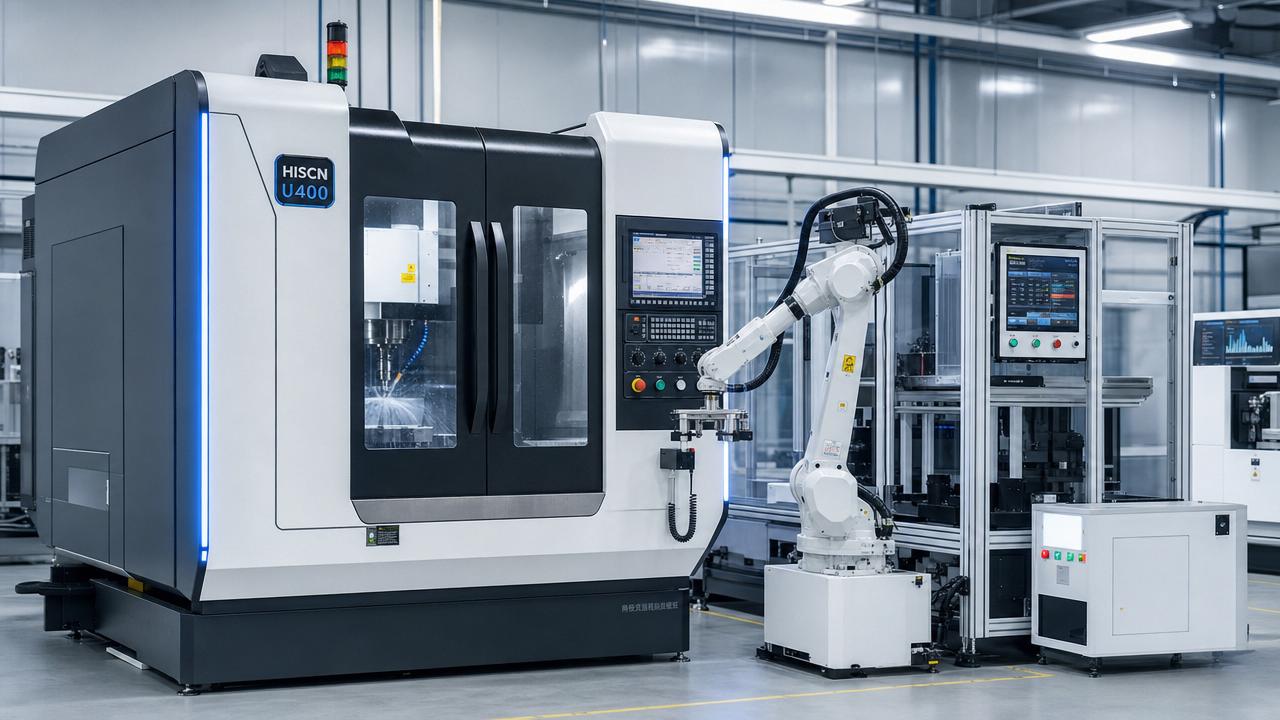
For technical evaluators, the reliability of CNC production equipment is more than a maintenance metric—it directly affects precision, uptime, process stability, and total manufacturing cost. As production environments move toward tighter tolerances, higher spindle utilization, unattended shifts, and connected factory systems, the question is no longer whether reliability matters, but what factors most strongly determine it. In today’s manufacturing landscape, understanding the real drivers behind CNC production equipment reliability helps reduce output variation, limit unplanned downtime, and support better long-term capital decisions.
Why CNC production equipment reliability is being judged by new standards
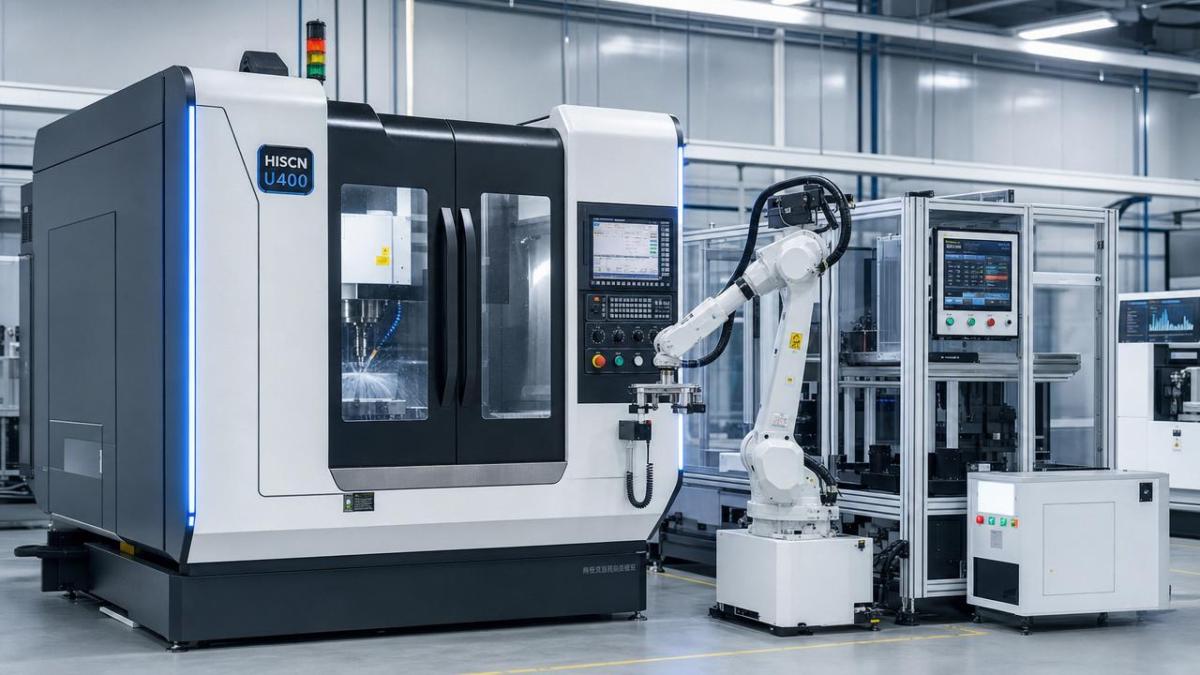
Across automotive, aerospace, energy, electronics, and general precision manufacturing, reliability expectations have changed. In the past, a machine that could be repaired quickly might still be considered acceptable. Today, connected production cells, robotic handling, and automated inspection systems make every interruption more expensive. A spindle alarm, axis drift, coolant contamination issue, or thermal instability on one machine can disrupt an entire line.
This shift is especially visible in high-mix and high-precision environments. CNC production equipment must now maintain repeatability across longer operating windows, more complex toolpaths, and lower operator intervention. Reliability is therefore being evaluated not only by failure frequency, but also by accuracy retention, recovery speed, software stability, predictive visibility, and compatibility with digital manufacturing systems.
The strongest signals shaping reliability expectations in modern machining
Several industry signals explain why reliability has become a strategic issue rather than a simple maintenance topic. These signals affect both standalone machine tools and integrated CNC production equipment used in automated production lines.
- Higher automation density: More factories run lights-out or low-intervention shifts, leaving less room for manual correction.
- Tighter quality requirements: Small thermal or mechanical deviations can create expensive scrap in high-value parts.
- More complex part geometry: Multi-axis machining, fine surface finishing, and deep cavity work place greater stress on equipment consistency.
- Digital integration: Modern CNC production equipment is expected to share data with MES, ERP, tool management, and condition monitoring platforms.
- Global service expectations: Equipment support must remain reliable across regions, spare parts channels, and multilingual technical teams.
These trends mean that a machine’s value increasingly depends on stable performance over time, not only on initial cutting capability or cycle speed during acceptance testing.
What actually drives CNC production equipment reliability over the long term
When reliability is examined closely, it usually comes from a combination of machine design quality, control system stability, maintenance discipline, operating conditions, and data transparency. The table below summarizes the major drivers and their practical relevance.
In practice, the most reliable CNC production equipment is rarely defined by one premium component alone. It is defined by how well mechanical, electrical, digital, and human factors work together under real production pressure.
The hidden reliability factors that often matter more than specifications
Technical brochures usually emphasize spindle speed, tool capacity, rapid traverse rate, or controller brand. While these metrics are useful, they do not fully predict reliability. Several less visible factors often have greater long-term impact on CNC production equipment.
Thermal control and geometric stability
Even a strong machine can lose process stability if thermal growth is not controlled. Frame design, spindle cooling, axis compensation, enclosure airflow, and ambient temperature management all influence dimensional repeatability. For precision machining, thermal behavior can be a more meaningful indicator than peak speed.
Ease of diagnostics and data visibility
Reliable CNC production equipment should not only fail less often; it should also make faults easier to identify before they become critical. Machines with clear alarm logic, component-level monitoring, spindle load history, vibration tracking, and remote service support reduce troubleshooting time and improve maintenance quality.
Parts and service ecosystem
A highly capable machine loses practical reliability if spare parts lead times are long or service expertise is limited in the operating region. For globally deployed CNC production equipment, support infrastructure often matters as much as engineering quality.
How reliability changes outcomes across production, quality, and cost control
Reliability affects more than machine uptime. It changes the economics and decision logic of the whole production system. When CNC production equipment performs consistently, setup windows become more predictable, tooling consumption becomes easier to optimize, process capability improves, and delivery commitments become more credible.
By contrast, unstable equipment creates secondary losses that are often underestimated: repeat inspections, schedule compression, operator intervention, emergency spare purchases, process requalification, and scrap linked to intermittent variation. In automated cells, one unstable machine can also reduce robot utilization, disrupt pallet scheduling, and lower the return on adjacent investments.
- Production impact: lower OEE, reduced schedule confidence, more changeover disruptions
- Quality impact: drifting tolerances, unstable surface finish, inconsistent first-pass yield
- Financial impact: higher maintenance cost, hidden labor cost, reduced asset utilization
- Strategic impact: slower automation scaling and weaker confidence in future line expansion
Where attention should focus when evaluating CNC production equipment reliability
A strong evaluation framework should go beyond nameplate specifications. The following checkpoints help identify whether CNC production equipment is likely to remain stable under real operating conditions.
- Look at life-cycle performance, not launch performance: ask how accuracy, vibration, and maintenance demand change after sustained production hours.
- Review component quality at subsystem level: spindle units, guides, ball screws, lubrication systems, sensors, electrical cabinets, and drives all matter.
- Test automation compatibility: stable interfacing with robots, pallet systems, probes, tool presetters, and factory software is essential.
- Verify maintainability: access to wear parts, clarity of service manuals, remote diagnostics, and spare parts availability directly affect uptime.
- Assess environmental resilience: the best CNC production equipment should perform reliably across realistic plant temperature, dust, coolant, and power conditions.
- Use process-specific trials: reliability should be judged using actual materials, toolpaths, tolerances, and cycle durations similar to production.
What the next reliability phase will likely require
The next phase of CNC production equipment reliability will be shaped by predictive maintenance, machine health analytics, and tighter integration between machine tools and factory data systems. Reliability will increasingly be measured through condition trends rather than failure events alone. This includes spindle vibration baselines, servo load signatures, lubrication behavior, thermal drift mapping, and alarm pattern analysis.
At the same time, reliability expectations will expand beyond single machines. In flexible and smart manufacturing environments, the dependable unit is the connected production system: machine tool, tool management, probing, automation, software, and service support working as one. That means future evaluations of CNC production equipment should include digital resilience, update governance, cybersecurity awareness, and cross-platform compatibility.
A practical way to turn reliability insight into better equipment decisions
A practical next step is to build a reliability scorecard before comparing machine options or reviewing installed assets. Include mechanical stability, thermal control, diagnostic visibility, support readiness, subsystem quality, and application fit. Then compare expected uptime risk against quality requirements, production complexity, and automation goals. This approach creates a clearer basis for selecting, upgrading, or standardizing CNC production equipment in line with long-term manufacturing strategy.
In a market defined by precision, speed, and digital coordination, reliability is no longer a background issue. It is a primary determinant of whether CNC production equipment can deliver stable performance, protect process capability, and justify investment over time.
PREVIOUS ARTICLE
Recommended for You
![]() Five Ministries Launch Joint Enforcement on EV Battery RecyclingManufacturing Policy Research Center
Five Ministries Launch Joint Enforcement on EV Battery RecyclingManufacturing Policy Research Center![]() Top 10 Future Industries Roadmap 2026 ReleasedManufacturing Market Research Center
Top 10 Future Industries Roadmap 2026 ReleasedManufacturing Market Research Center![]() Global Methanol-Electric Ecosystem Alliance LaunchedManufacturing Market Research Center
Global Methanol-Electric Ecosystem Alliance LaunchedManufacturing Market Research Center![]() ISO 23218-3:2026 Enters Force: CNC Digital Twin Interoperability Standard Goes GlobalCNC Machining Technology Center
ISO 23218-3:2026 Enters Force: CNC Digital Twin Interoperability Standard Goes GlobalCNC Machining Technology Center![]() ANVISA New Rule: Portuguese Biocompatibility Labels for Medical CNC EquipmentManufacturing Policy Research Center
ANVISA New Rule: Portuguese Biocompatibility Labels for Medical CNC EquipmentManufacturing Policy Research Center![]() KATS Updates KC Certification: CNC Cybersecurity Modules Must Comply with IEC 62443-4-2Manufacturing Policy Research Center
KATS Updates KC Certification: CNC Cybersecurity Modules Must Comply with IEC 62443-4-2Manufacturing Policy Research Center


Aris Katos
Future of Carbide Coatings
15+ years in precision manufacturing systems. Specialized in high-speed milling and aerospace grade alloy processing.
▶
High precision lathe performance starts to slip in subtle waysMachine Tool Industry Editorial Team▶
Precision equipment calibration gaps that hurt final toleranceMachine Tool Industry Editorial Team▶
What matters most in CNC production equipment reliabilityMachine Tool Industry Editorial Team▶
High precision lathe costs more, but where is the payoffMachine Tool Industry Editorial Team▶
Precision equipment failures that begin with minor vibrationMachine Tool Industry Editorial Team
Mastering 5-Axis Workholding Strategies
Join our technical panel on Nov 15th to learn about reducing vibrations in thin-wall components.

Providing you with integrated sanding solutions
Before-sales and after-sales services
Comprehensive technical support