• Global CNC market projected to reach $128B by 2028 • New EU trade regulations for precision tooling components • Aerospace deman
NYSE: CNC +1.2%LME: STEEL -0.4%

Automated Machine Tools: Balancing Productivity and Flexibility
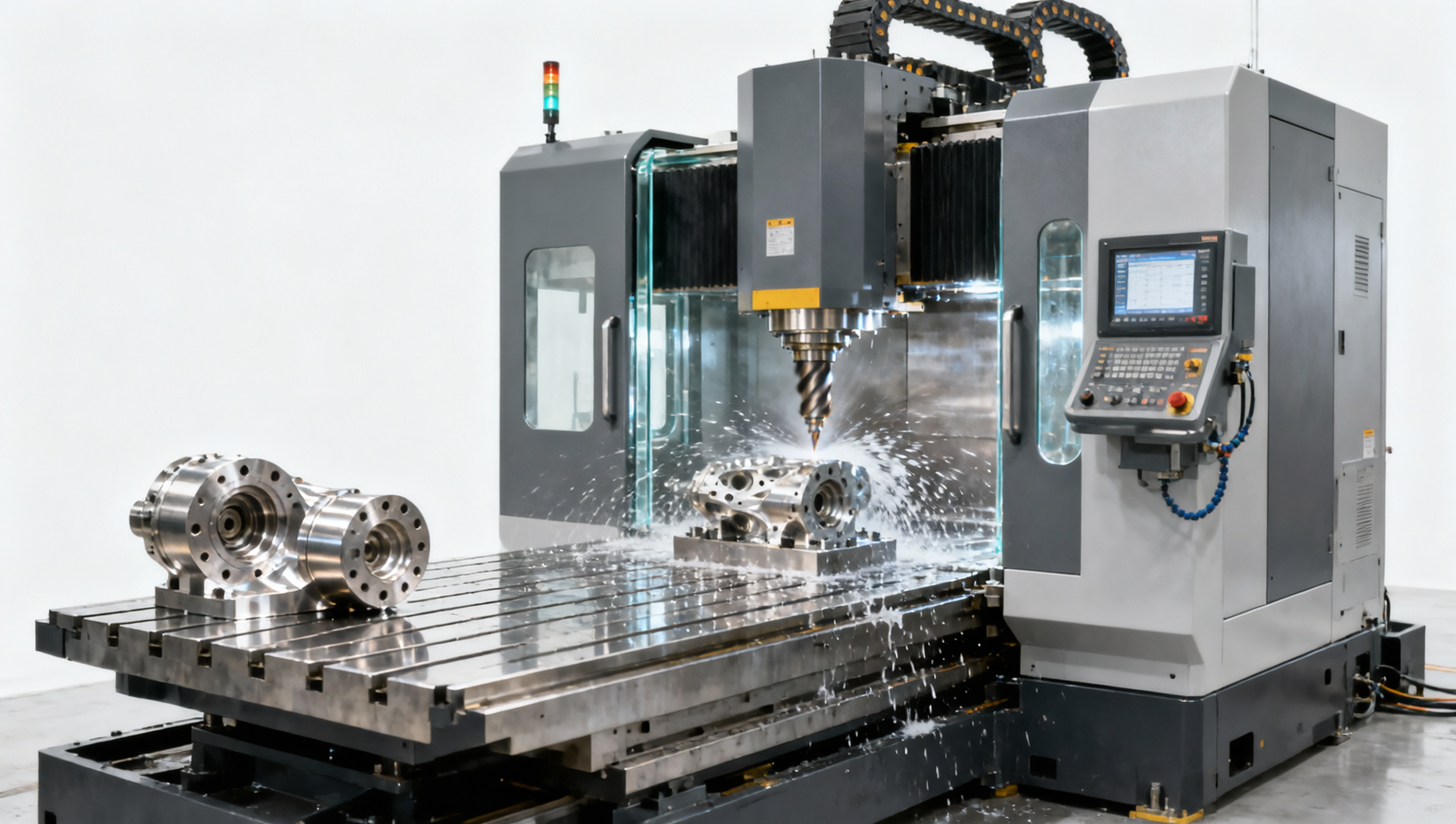
In today's competitive manufacturing landscape, automated machine tools must deliver both productivity and flexibility. From space-saving CNC manufacturing solutions to multi-axis machine tools for aerospace applications, modern equipment balances high-speed precision with cost-effective operation. This article explores how compact machine tools, energy-saving CNC systems, and automated production lines are transforming industries from automotive to medical device manufacturing, while addressing key challenges in quick setup and low maintenance requirements.
Key Technologies Driving Modern Automated Machine Tools
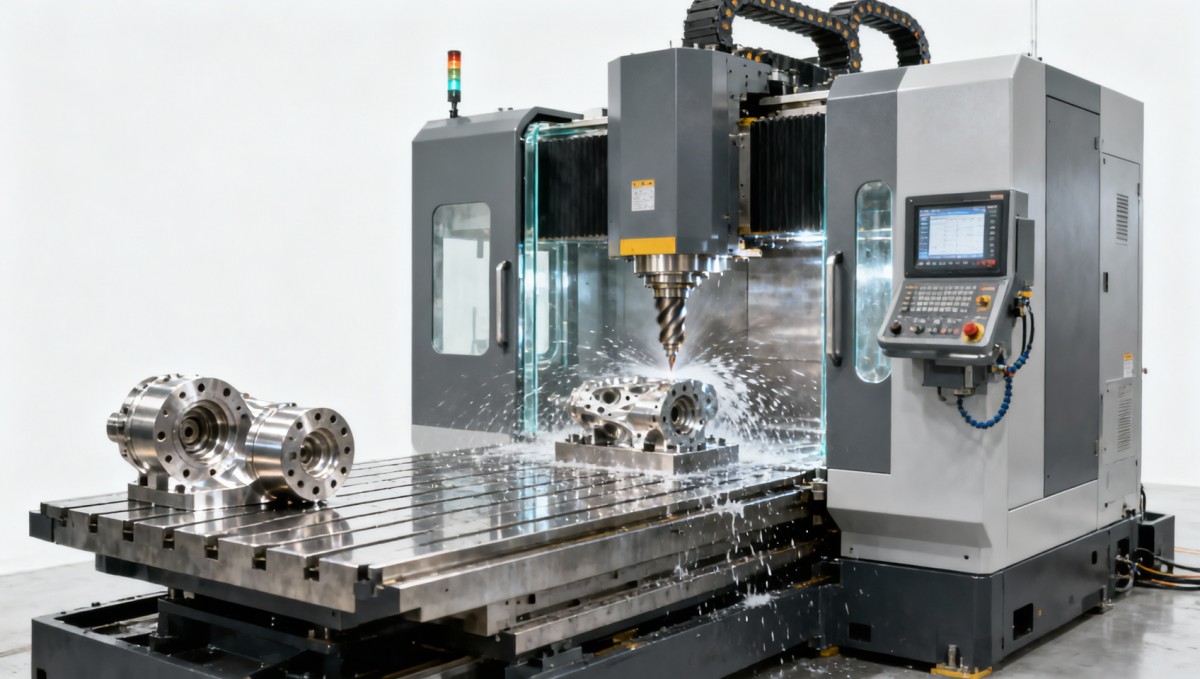
The evolution of automated machine tools centers around three core technological advancements: multi-axis machining capabilities, intelligent control systems, and modular design architectures. Modern 5-axis CNC machining centers now achieve positioning accuracy within ±0.002mm while maintaining rapid traverse speeds exceeding 40m/min.
Energy-efficient servo systems have reduced power consumption by 15-25% compared to conventional models, with smart power management features that automatically adjust energy usage based on machining requirements. These systems typically operate within 5-30kW power ranges depending on workpiece size and material hardness.
Modular tool changers and pallet systems enable manufacturers to switch between different production tasks in under 3 minutes, significantly reducing downtime. The table below compares key performance metrics across different machine tool categories:
These performance improvements translate directly to manufacturing efficiency gains. Aerospace manufacturers report 20-30% cycle time reductions when upgrading from conventional to advanced multi-axis systems, while automotive suppliers achieve 15-20% higher tool life through intelligent cutting parameter optimization.
Industry-Specific Application Scenarios
Different manufacturing sectors require distinct combinations of productivity and flexibility from their machine tools. Medical device production, for instance, demands ultra-high precision (often below 5μm) for small-batch complex components, while energy equipment manufacturing prioritizes heavy-duty machining capacity for large structural parts.
Aerospace Component Machining
5-axis machining centers with 800-1500mm work envelopes dominate titanium alloy aircraft component production. These systems typically feature:
- High-pressure coolant systems (70-100 bar)
- Vibration-dampened spindles (12,000-24,000 RPM)
- On-machine probing for first-part verification
Automotive Mass Production
Automotive transfer lines combine multiple CNC units into synchronized systems achieving 15-30 second cycle times per operation. Key configurations include:
- Palletized workholding for 90-120 second changeovers
- Standardized interface tooling (HSK-63 or CAT-40)
- Centralized chip management systems
Procurement Considerations for Automated Systems
Selecting the right automated machine tools requires evaluating five critical dimensions beyond basic specifications. These factors directly impact long-term operational costs and production flexibility.
Leading manufacturers now offer predictive maintenance packages that reduce unplanned downtime by 40-60%, with sensor-equipped machines transmitting operational data every 2-5 minutes to cloud-based monitoring platforms.
Future Trends in Machine Tool Automation
The next generation of automated machine tools will integrate three disruptive technologies: AI-driven process optimization, hybrid additive-subtractive capabilities, and decentralized production networks. Early adopters report 25-35% improvements in material utilization through machine learning algorithms that optimize cutting paths in real-time.
Modular machine designs are reducing installation footprints by 15-20% while maintaining equivalent work volumes. This space efficiency proves particularly valuable in urban manufacturing facilities where floor space costs exceed $150/sqft annually.
Optimizing Your Automated Manufacturing Strategy
Transitioning to advanced automated machine tools requires careful planning across technical, operational, and financial dimensions. Our engineering team specializes in helping manufacturers navigate:
- Precision requirement analysis (ISO 2768 vs. ASME Y14.5)
- Throughput validation for 24/7 operations
- ROI calculations for automation investments
Contact our solutions team to schedule a facility assessment and receive customized recommendations for balancing productivity and flexibility in your specific manufacturing environment. We provide detailed machine tool comparisons, installation timelines (typically 4-8 weeks), and lifecycle cost projections tailored to your production volumes and quality requirements.
PREVIOUS ARTICLE
Recommended for You
![]() AI-Driven CNC Quality Standard Added to 2026 Auto Standards PlanManufacturing Policy Research Center
AI-Driven CNC Quality Standard Added to 2026 Auto Standards PlanManufacturing Policy Research Center![]() Fastenal China Fastener Procurement Up 12% in Q1 2026, Tariff Pressure Cuts MarginGlobal Machine Tool Trade Research Center
Fastenal China Fastener Procurement Up 12% in Q1 2026, Tariff Pressure Cuts MarginGlobal Machine Tool Trade Research Center![]() EU Battery Regulation (2023/1542) Takes Full Effect on Aug 18, 2026Manufacturing Market Research Center
EU Battery Regulation (2023/1542) Takes Full Effect on Aug 18, 2026Manufacturing Market Research Center![]() US ITC Launches Anti-Circumvention Probe on CNC Controls from Vietnam, MexicoManufacturing Policy Research Center
US ITC Launches Anti-Circumvention Probe on CNC Controls from Vietnam, MexicoManufacturing Policy Research Center![]() Global LNG Supply Surge Pressures Gas Prices, Lowers Energy Costs for Chinese CNC ManufacturersGlobal Machine Tool Trade Research Center
Global LNG Supply Surge Pressures Gas Prices, Lowers Energy Costs for Chinese CNC ManufacturersGlobal Machine Tool Trade Research Center![]() China’s CNC Smart Factories Gain Zero-Carbon Certification Mutual RecognitionManufacturing Policy Research Center
China’s CNC Smart Factories Gain Zero-Carbon Certification Mutual RecognitionManufacturing Policy Research Center


Aris Katos
Future of Carbide Coatings
15+ years in precision manufacturing systems. Specialized in high-speed milling and aerospace grade alloy processing.
▶
Precision CNC Manufacturing: Tolerances You Can Expect in 2024CNC Machining Technology Center▶
Why Energy Equipment Manufacturers Are Switching to CNC SolutionsCNC Machining Technology Center▶
The Hidden Maintenance Costs of CNC Machines Most Factories MissCNC Machining Technology Center▶
How to Identify a Reliable CNC Manufacturing Factory OverseasCNC Machining Technology Center▶
High-Speed CNC Manufacturing: When Faster Isn't Always BetterCNC Machining Technology Center
Mastering 5-Axis Workholding Strategies
Join our technical panel on Nov 15th to learn about reducing vibrations in thin-wall components.

Providing you with integrated sanding solutions
Before-sales and after-sales services
Comprehensive technical support