• Global CNC market projected to reach $128B by 2028 • New EU trade regulations for precision tooling components • Aerospace deman
NYSE: CNC +1.2%LME: STEEL -0.4%

Precision CNC Manufacturing: Tolerances You Can Expect in 2024
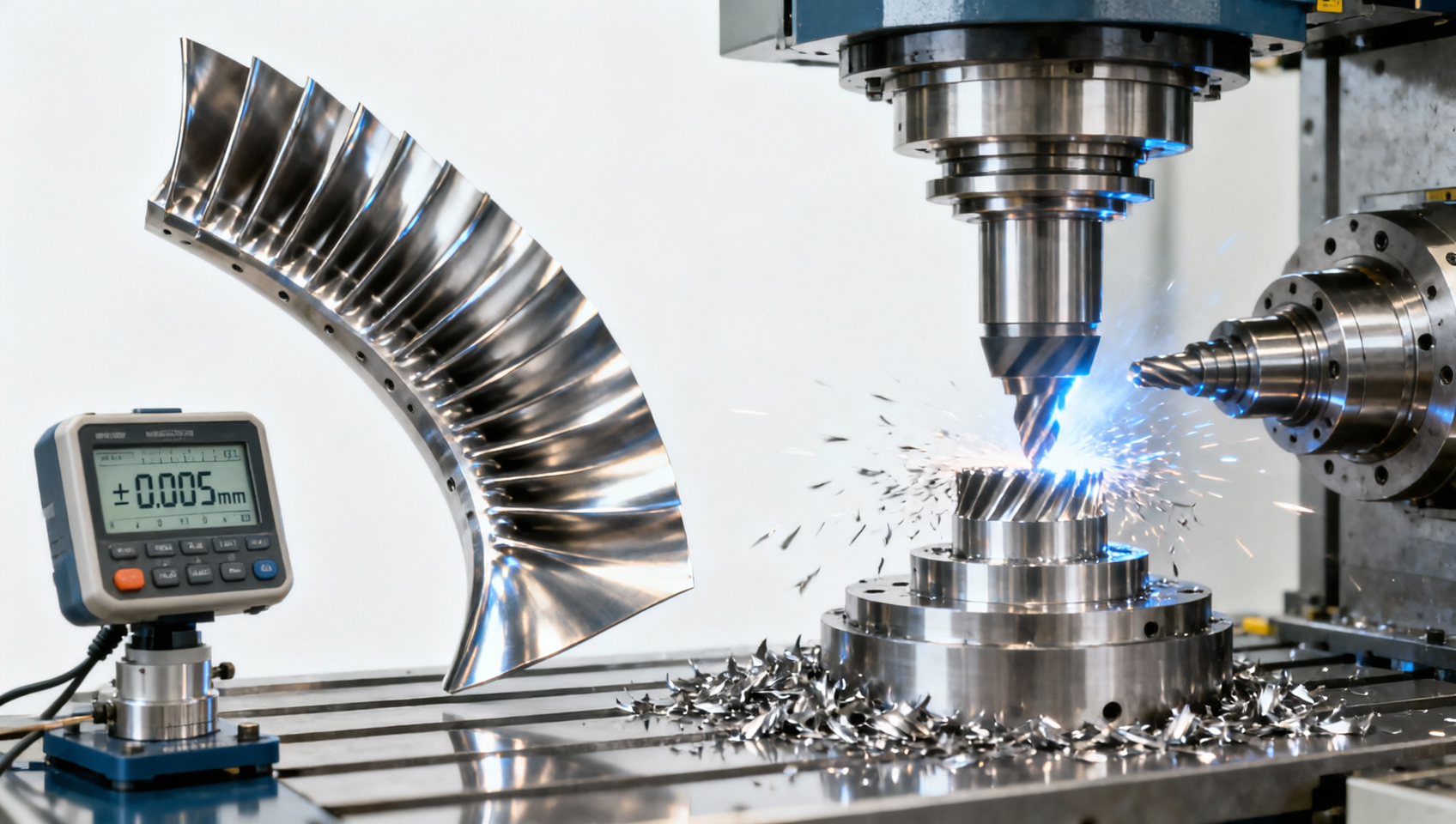
The Evolution of CNC Tolerances in 2024
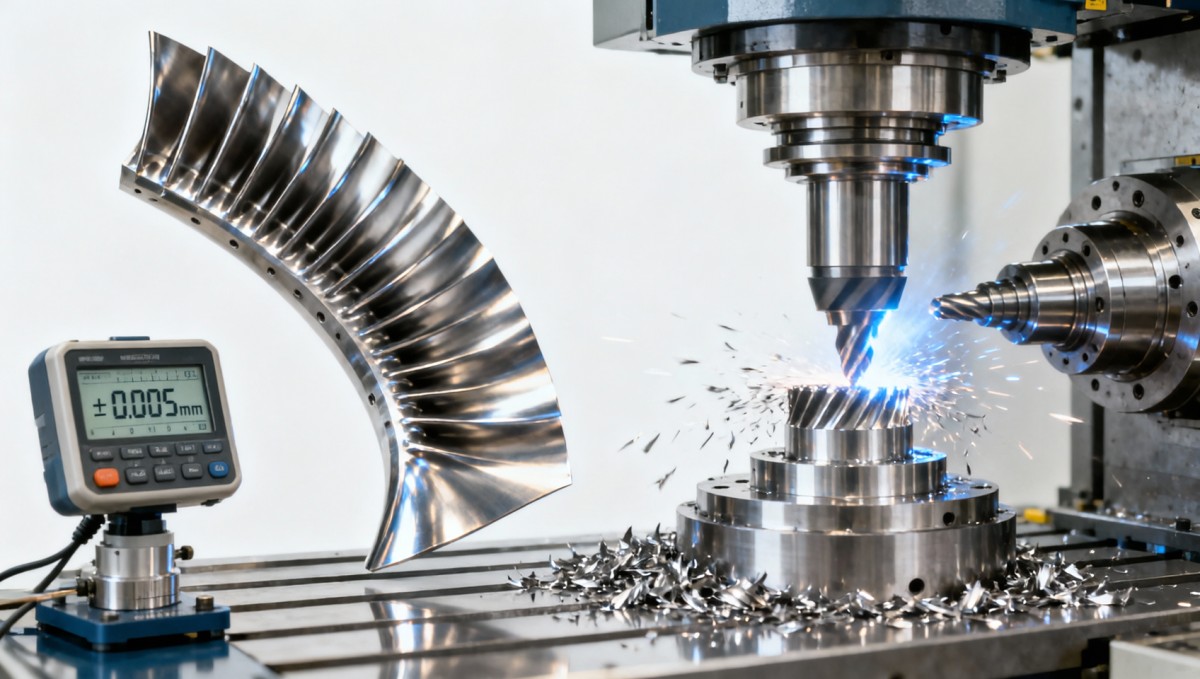
Modern CNC machining has achieved unprecedented precision levels, with industry leaders now routinely holding tolerances of ±0.005mm (5 microns) for critical aerospace components. This represents a 40% improvement over 2020 capabilities, driven by advances in linear guide technology, thermal compensation systems, and vibration-damping materials.
Three key factors are reshaping tolerance expectations:
- Multi-axis synchronization (5-9 axis machines now maintain ±0.008mm positional accuracy)
- AI-powered real-time error correction systems
- Next-generation cutting tools with 20% longer tool life at micron-level precision
Industry-Specific Tolerance Benchmarks
The table below compares current tolerance standards across major sectors:
Note that these values assume ISO 2768-mK grade machining conditions with temperature-controlled environments (±1°C variation). Actual achievable tolerances may vary by 15-20% depending on material properties and part complexity.
Key Technologies Enabling Tighter Tolerances
Five technological breakthroughs are redefining precision limits in CNC manufacturing:
- Direct-drive rotary tables achieving ±1 arc-second repeatability (0.0003°)
- Laser interferometer calibration systems with 0.5µm resolution
- Nanometer-scale feedback systems on linear axes
- Composite machine bases with 0.01µm/°C thermal stability
- Adaptive machining algorithms compensating for tool wear in real-time
Cost vs. Precision Tradeoffs
The relationship between tolerance requirements and production costs follows an exponential curve:
For most commercial applications, the optimal balance lies in the ±0.015–0.025mm range, where quality and cost curves intersect most favorably. Medical and aerospace components often justify the premium for sub-0.01mm tolerances.
Implementing High-Precision CNC Solutions
Achieving consistent micron-level tolerances requires a systems approach encompassing:
- Machine selection: Look for ISO 230-2 certified positioning accuracy under 5µm
- Environmental control: Maintain 20±1°C with <60% humidity
- Tooling strategy:
- Measurement systems: CMMs with 0.5µm uncertainty budgets
- Operator training: Specialized certification for precision work
Maintenance Protocols for Sustained Precision
Precision degradation typically occurs at 0.002–0.005mm per 1,000 operating hours without proper maintenance. Key intervals:
- Daily: Way lubrication checks, coolant concentration verification
- Weekly: Ball screw backlash measurement, spindle runout tests
- Monthly: Full geometric accuracy verification per ISO 10791-1
- Annual: Laser calibration of all linear and rotary axes
Future Trends in Precision Machining
Emerging technologies promise to push tolerances below 1µm by 2026:
- Quantum-scale metrology systems
- Active vibration cancellation using piezoelectric actuators
- Machine learning-based thermal drift prediction
- Nanostructured cutting tool coatings
For manufacturers evaluating precision CNC investments in 2024, we recommend focusing on systems with:
- Closed-loop feedback on all axes
- Integrated probing systems (≤1µm repeatability)
- Thermal growth compensation for spindle and axes
- Compatibility with Industry 4.0 monitoring platforms
Contact our engineering team for a customized tolerance analysis and machine specification review tailored to your specific application requirements and quality standards.
PREVIOUS ARTICLE
NEXT ARTICLE
Recommended for You
 How Space-Saving CNC Manufacturing Reduces Factory FootprintMachine Tool Industry Editorial Team
 5 Key Factors When Choosing a CNC Manufacturing WholesalerManufacturing Market Research Center
 Precision CNC Manufacturing: Tolerances You Can Expect in 2024CNC Machining Technology Center
 Why Energy Equipment Manufacturers Are Switching to CNC SolutionsCNC Machining Technology Center
 The Hidden Maintenance Costs of CNC Machines Most Factories MissCNC Machining Technology Center
 How to Identify a Reliable CNC Manufacturing Factory OverseasCNC Machining Technology Center

Aris Katos
Future of Carbide Coatings
15+ years in precision manufacturing systems. Specialized in high-speed milling and aerospace grade alloy processing.
▶
Precision CNC Manufacturing: Tolerances You Can Expect in 2024CNC Machining Technology Center▶
Metal Machining vs CNC Metalworking: What MattersCNC Machining Technology Center▶
How to Reduce Scrap in CNC Metalworking JobsCNC Machining Technology Center▶
CNC Milling or Turning: Which Saves More TimeCNC Machining Technology Center▶
How to Fix Bottlenecks in the Production ProcessCNC Machining Technology Center
Mastering 5-Axis Workholding Strategies
Join our technical panel on Nov 15th to learn about reducing vibrations in thin-wall components.

Providing you with integrated sanding solutions
Before-sales and after-sales services
Comprehensive technical support