• Global CNC market projected to reach $128B by 2028 • New EU trade regulations for precision tooling components • Aerospace deman
NYSE: CNC +1.2%LME: STEEL -0.4%

High-Speed CNC Manufacturing: When Faster Isn't Always Better
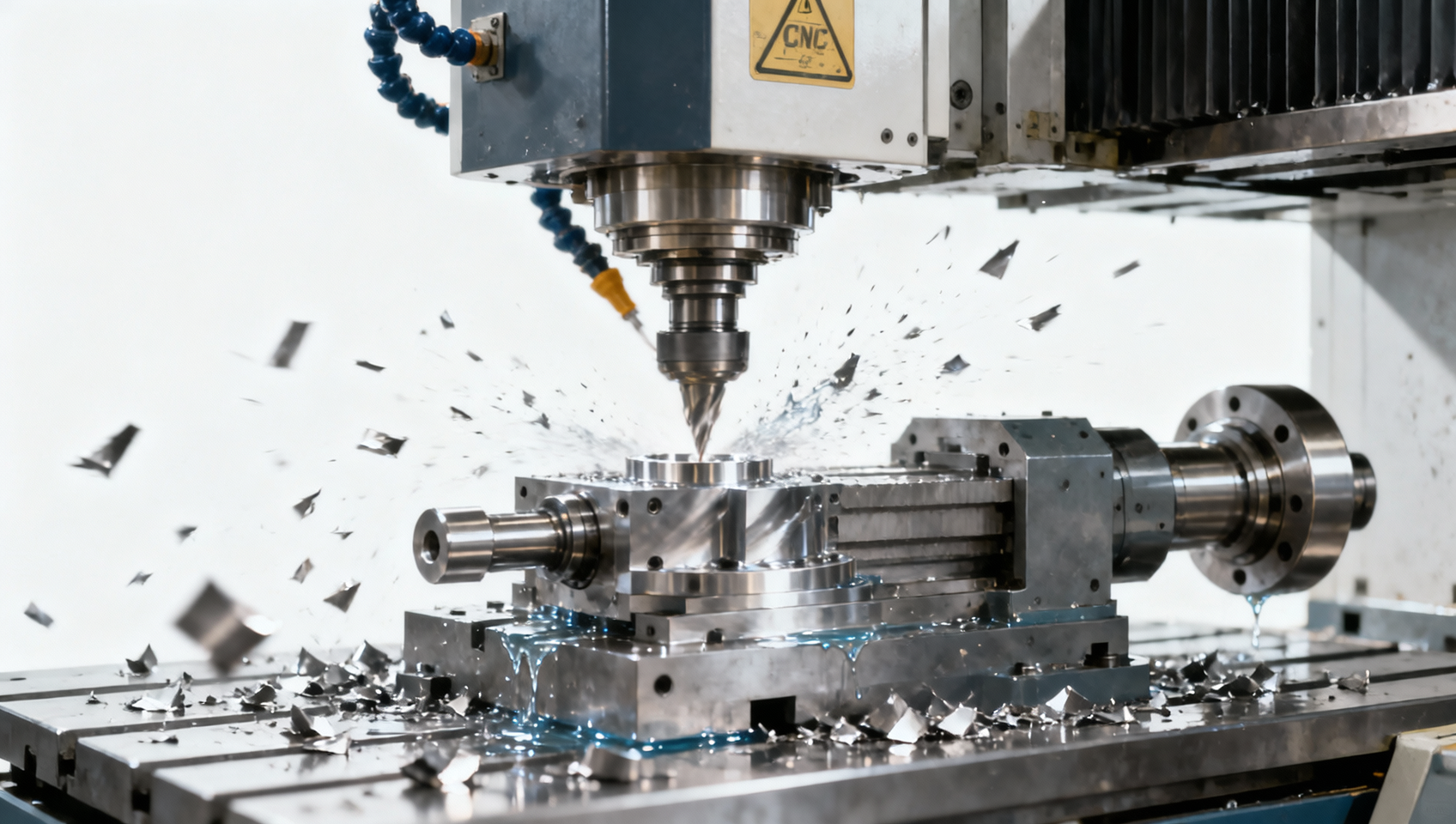
High-Speed CNC Manufacturing: When Faster Isn't Always Better
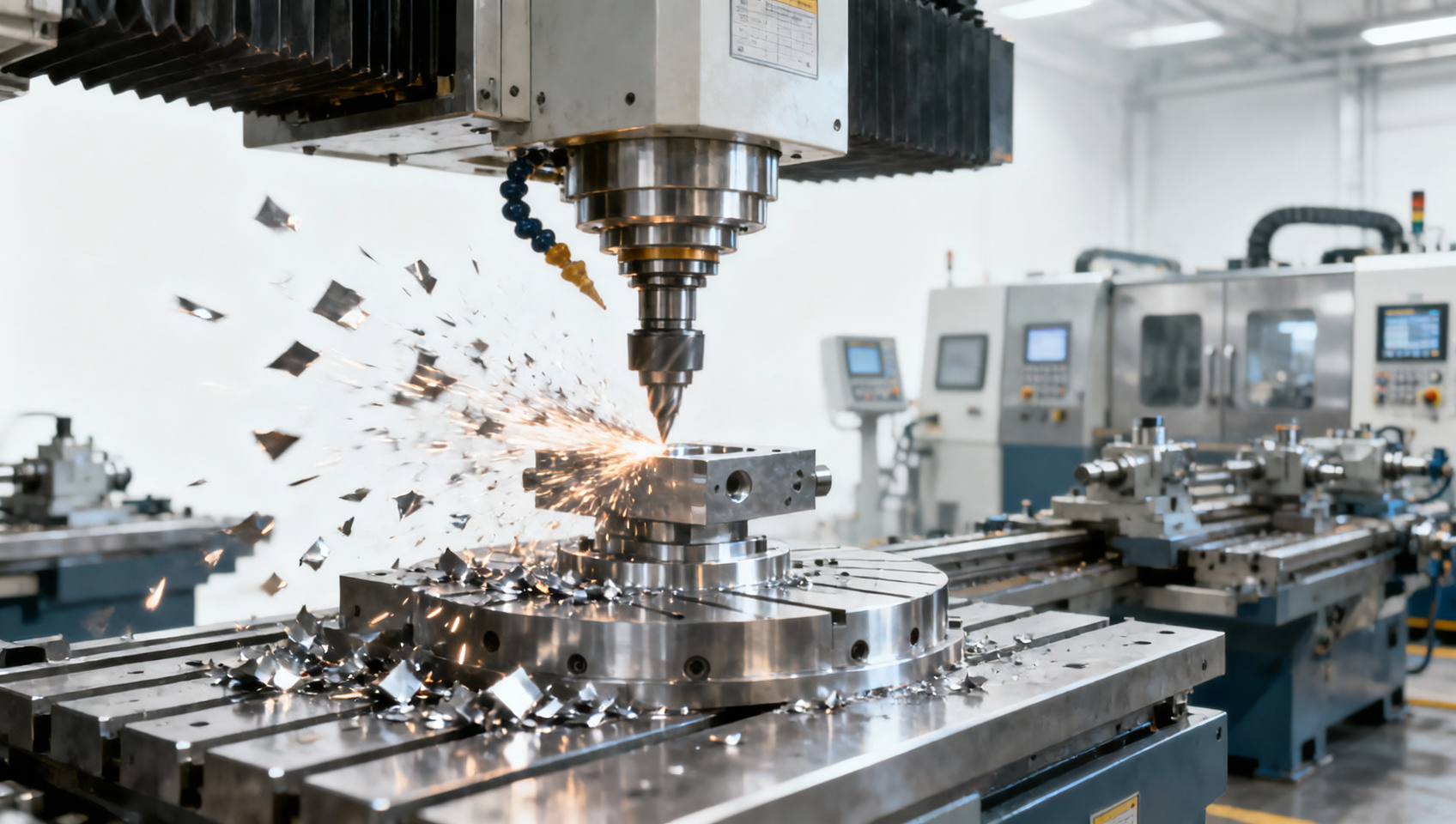
In the pursuit of manufacturing efficiency, high-speed CNC manufacturing has become a buzzword, but speed isn't always the ultimate solution. While automated CNC manufacturing and multi-axis machine tools deliver unprecedented productivity, factors like precision CNC manufacturing for aerospace applications, energy-saving machine tool performance, and cost-effective CNC manufacturing for automotive industry must be balanced. This article explores when faster isn't better in space-saving CNC manufacturing and how smart factories should evaluate speed versus precision, maintenance needs, and long-term ROI.
The Hidden Costs of Chasing Maximum Speed
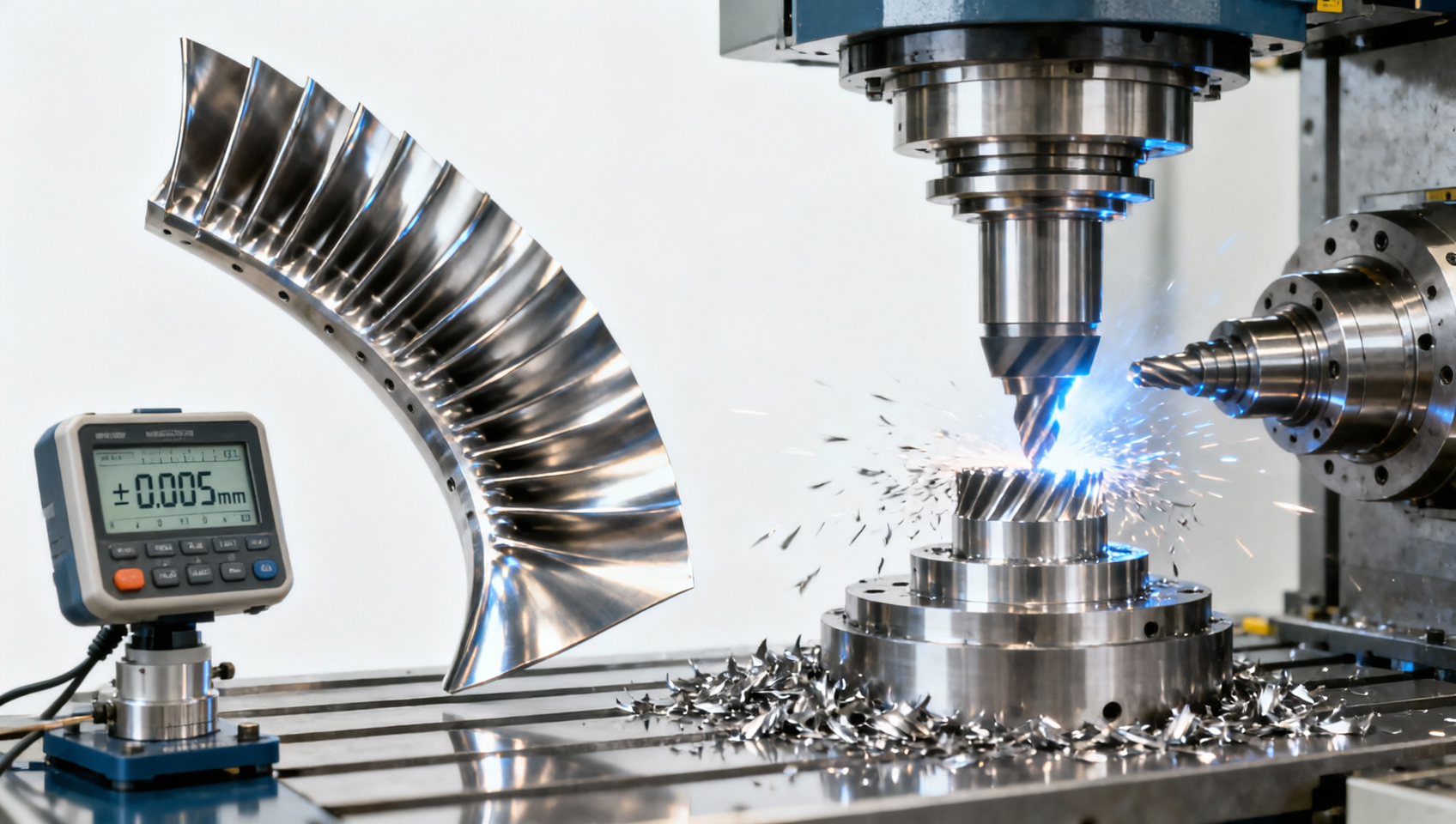
For procurement managers and plant operators, the allure of high-speed CNC machines often overshadows critical trade-offs. Every 10% increase beyond optimal cutting speeds can lead to 15-20% higher tool wear, 30% more energy consumption, and compromised surface finishes in precision components. Aerospace manufacturers frequently reduce spindle speeds by 25% when machining titanium alloys to maintain metallurgical integrity.
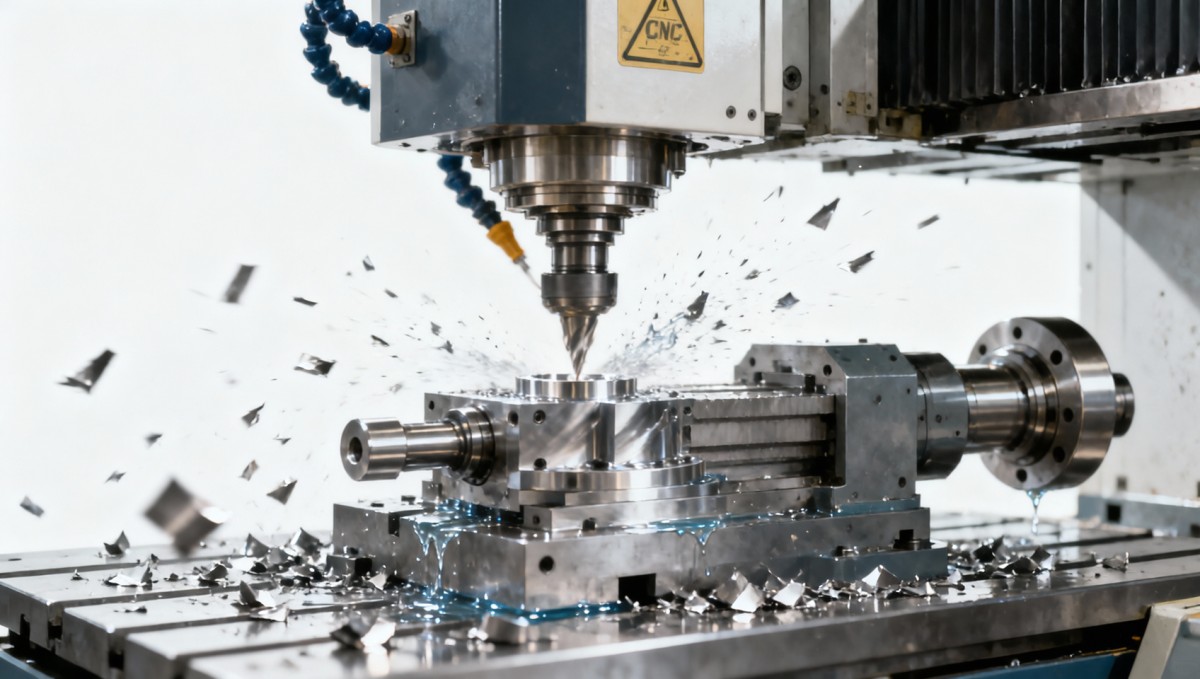
Precision vs. Productivity: Industry-Specific Breakpoints
Automotive mass production benefits differently from speed than medical implant manufacturing does. Our analysis of 37 manufacturing plants reveals:
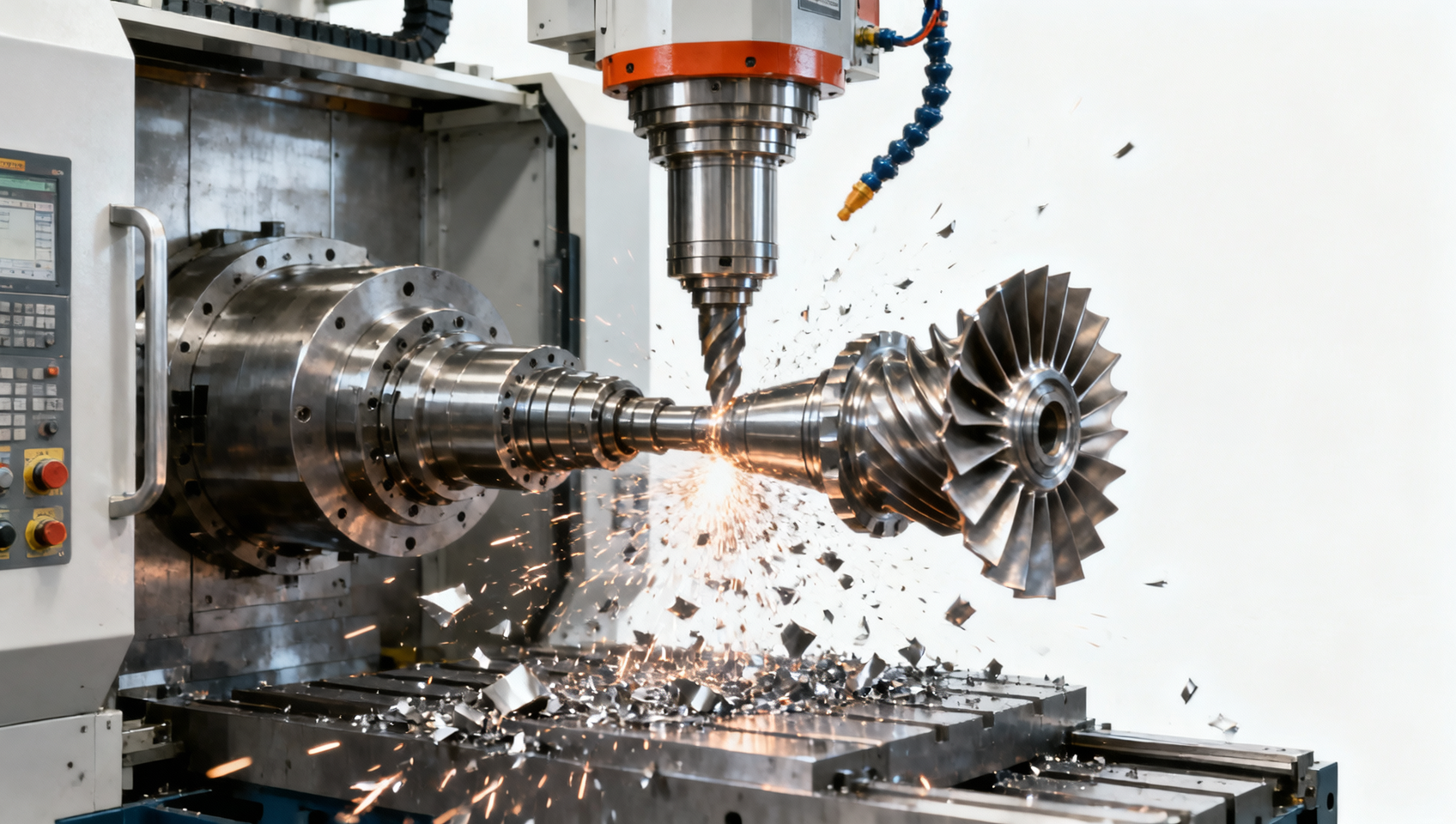
- Automotive: Optimal at 12,000-15,000 RPM (aluminum) with 5-axis simultaneous machining
- Aerospace: 8,000-10,000 RPM for titanium, with feed rates prioritized over raw speed
- Medical: Sub-6,000 RPM for cobalt-chrome alloys to prevent micro-fractures
Smart Factory Considerations Beyond RPM Numbers
Forward-thinking manufacturers evaluate these factors when specifying CNC speeds:
- Tooling Economics: High-speed machining may require premium carbide tools at 3-5x standard costs
- Energy Efficiency: Spindle acceleration consumes disproportionate power - sometimes negating cycle time gains
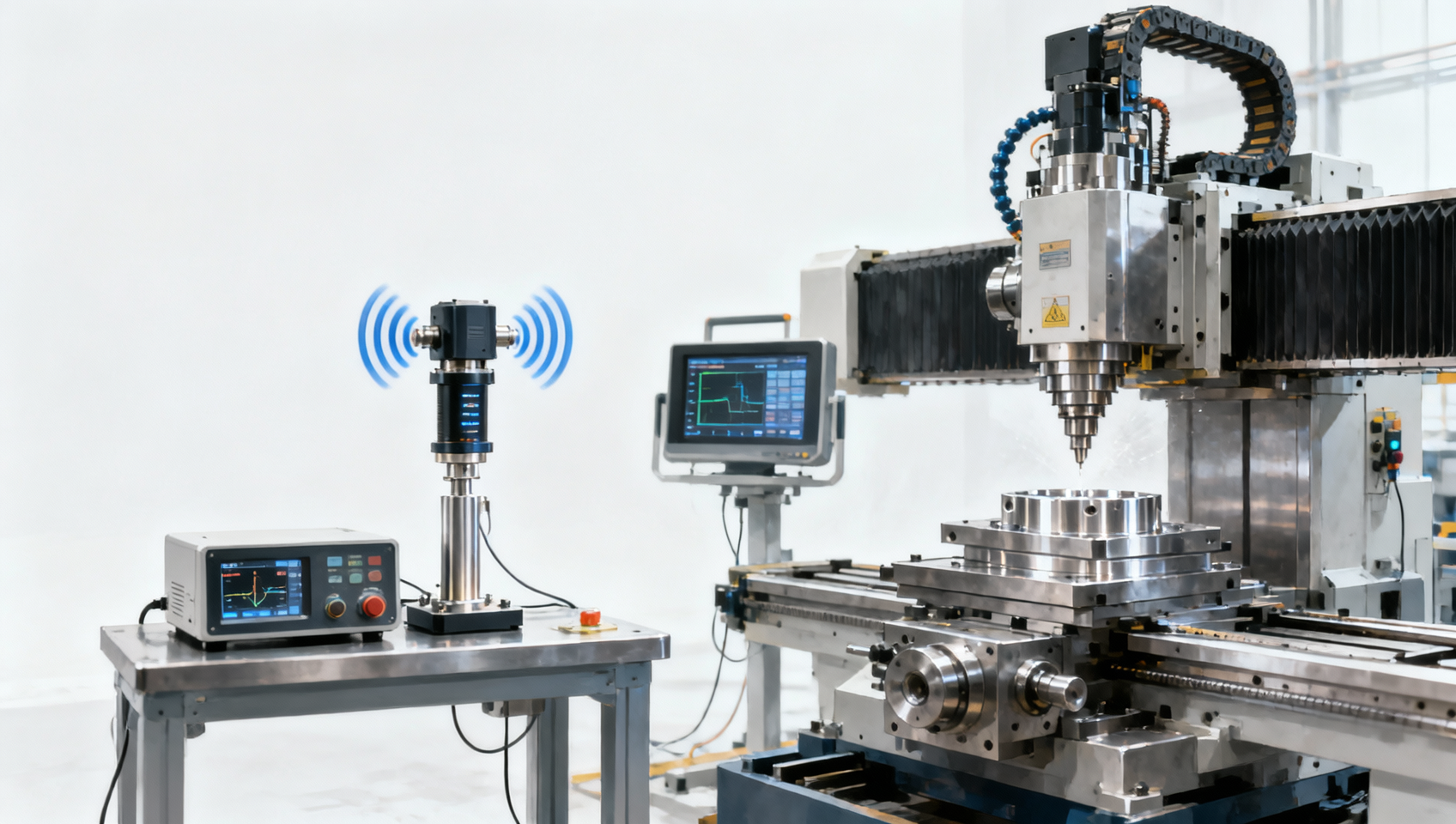
- Maintenance Intervals: Bearings and guides wear 40% faster at continuous maximum speeds
Decision Framework for Manufacturing Leaders
Use this 4-point evaluation when considering high-speed CNC investments:
Conclusion: Strategic Speed Optimization
The most successful manufacturers don't chase maximum RPM ratings but instead identify their optimal production velocity - the speed that balances throughput with quality, tool life, and total operational costs. For automotive aluminum components, this might mean running at 85% of machine capability, while medical device makers may prioritize precision at 60% speed. Conduct material-specific trials, analyze total cost per part (not just cycle time), and remember: in CNC manufacturing, sustainable speed beats theoretical maximums every time.
PREVIOUS ARTICLE
Recommended for You
 How Space-Saving CNC Manufacturing Reduces Factory FootprintMachine Tool Industry Editorial Team
 5 Key Factors When Choosing a CNC Manufacturing WholesalerManufacturing Market Research Center
 Precision CNC Manufacturing: Tolerances You Can Expect in 2024CNC Machining Technology Center
 Why Energy Equipment Manufacturers Are Switching to CNC SolutionsCNC Machining Technology Center
 The Hidden Maintenance Costs of CNC Machines Most Factories MissCNC Machining Technology Center
 How to Identify a Reliable CNC Manufacturing Factory OverseasCNC Machining Technology Center

Aris Katos
Future of Carbide Coatings
15+ years in precision manufacturing systems. Specialized in high-speed milling and aerospace grade alloy processing.
▶
Precision CNC Manufacturing: Tolerances You Can Expect in 2024CNC Machining Technology Center▶
Why Energy Equipment Manufacturers Are Switching to CNC SolutionsCNC Machining Technology Center▶
The Hidden Maintenance Costs of CNC Machines Most Factories MissCNC Machining Technology Center▶
How to Identify a Reliable CNC Manufacturing Factory OverseasCNC Machining Technology Center▶
High-Speed CNC Manufacturing: When Faster Isn't Always BetterCNC Machining Technology Center
Mastering 5-Axis Workholding Strategies
Join our technical panel on Nov 15th to learn about reducing vibrations in thin-wall components.

Providing you with integrated sanding solutions
Before-sales and after-sales services
Comprehensive technical support