• Global CNC market projected to reach $128B by 2028 • New EU trade regulations for precision tooling components • Aerospace deman
NYSE: CNC +1.2%LME: STEEL -0.4%

Efficient Machining Processes for Aluminum Alloys: Time-Saving Tips
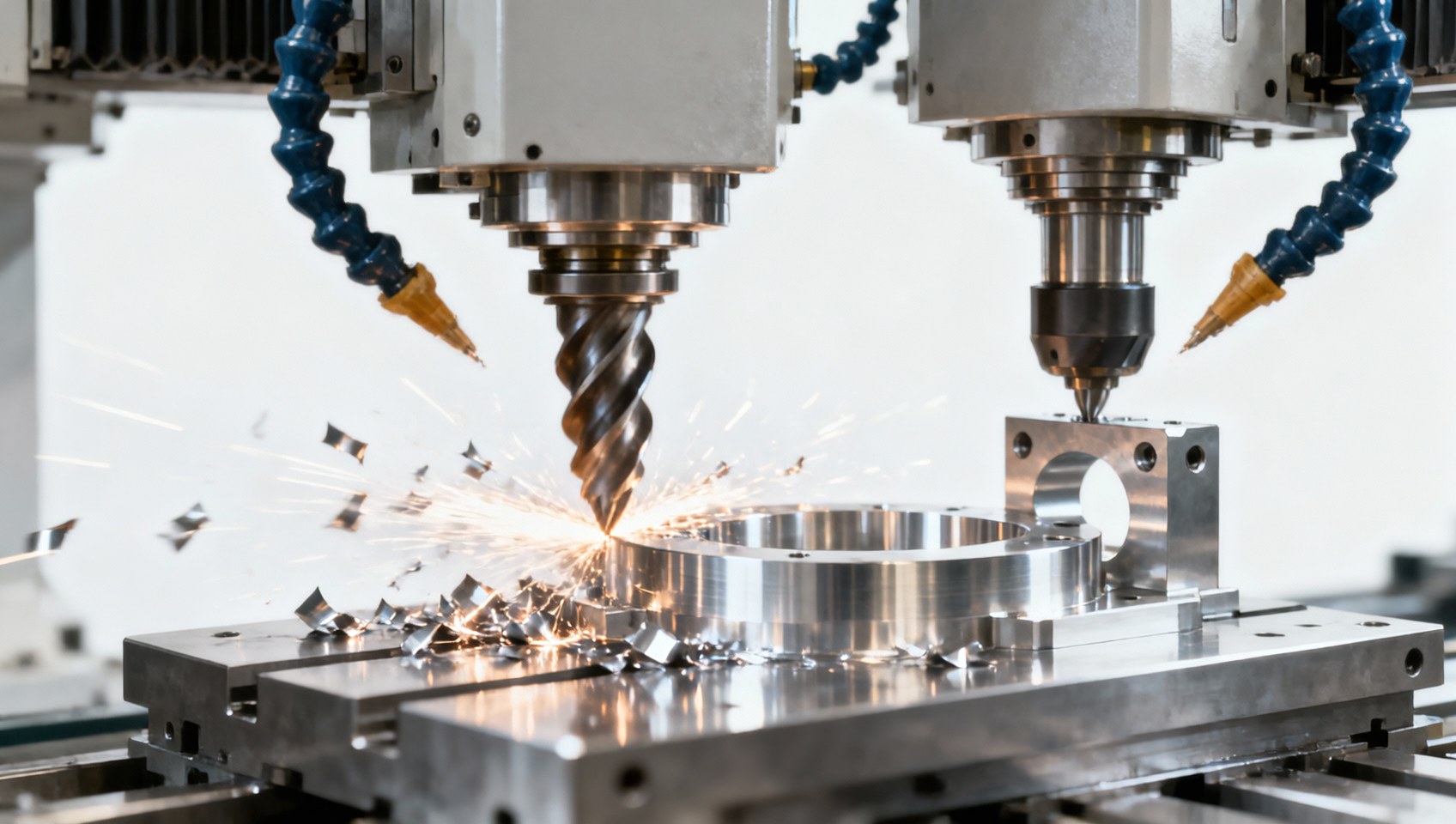
Optimizing CNC Machining for Aluminum Alloys: Core Challenges
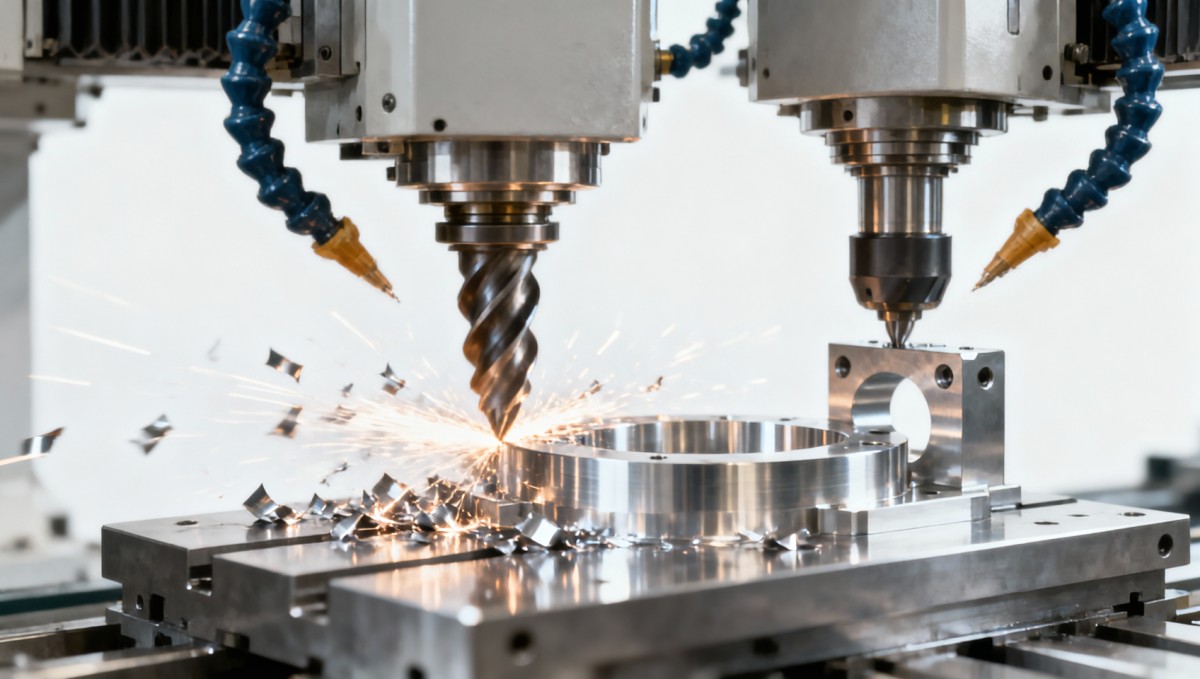
Aluminum alloys dominate aerospace and automotive manufacturing due to their strength-to-weight ratio, but machining them efficiently presents unique challenges. Unlike steel, aluminum's low melting point (660°C) and softness require specialized tooling strategies to prevent material adhesion, thermal deformation, and surface finish issues.
Modern CNC machine tools address these challenges through adaptive control systems and high-speed spindles (typically 15,000–30,000 RPM for aluminum). However, even with advanced equipment, improper parameter selection can reduce tool life by 40–60% and increase cycle times by 25% according to industry benchmarks.
Critical Parameters for Aluminum Machining
The table demonstrates how balancing these parameters affects productivity. For example, aerospace manufacturers using 7075-T6 aluminum achieve 18–22% faster machining when implementing high-speed machining (HSM) strategies with trochoidal toolpaths.
Time-Saving Tooling and Workholding Solutions
Advanced tooling systems can reduce aluminum machining time by 30–50% through three key innovations:
- Variable Helix End Mills: Reduce harmonic vibration, allowing 20% higher feed rates (Sandvik Coromant data)
- High-Pressure Coolant (HPC): 1000+ psi systems improve chip evacuation, enabling 35% deeper cuts
- Quick-Change Tool Holders: Reduce tool change time from 2–3 minutes to under 30 seconds
Workholding Efficiency Comparison
Smart Manufacturing Integration
Industry 4.0 technologies deliver measurable efficiency gains in aluminum machining:
- Adaptive Machining: Real-time load monitoring adjusts feeds/speeds, reducing cycle times 12–18%
- Automated Tool Management: RFID-equipped toolholders decrease setup errors by 90%
- Predictive Maintenance: Vibration analysis prevents 85% of unplanned spindle downtime
Implementation Roadmap
- Phase 1 (0–3 months): Install machine monitoring sensors (OEE tracking)
- Phase 2 (3–6 months): Implement tool life management software
- Phase 3 (6–12 months): Integrate adaptive control with CAM programming
Key Takeaways and Next Steps
Implementing these aluminum machining strategies can yield 25–40% productivity improvements:
- Prioritize high-speed machining parameters for aluminum-specific tooling
- Invest in quick-change workholding for mixed-production environments
- Leverage Industry 4.0 data to optimize tool paths and prevent downtime
For aerospace and automotive manufacturers, these efficiency gains translate to $120–$250 cost savings per machine hour. Contact our CNC machining specialists to evaluate your specific aluminum alloy applications and receive customized productivity recommendations.
PREVIOUS ARTICLE
Recommended for You
![]() AI-Driven CNC Quality Standard Added to 2026 Auto Standards PlanManufacturing Policy Research Center
AI-Driven CNC Quality Standard Added to 2026 Auto Standards PlanManufacturing Policy Research Center![]() Fastenal China Fastener Procurement Up 12% in Q1 2026, Tariff Pressure Cuts MarginGlobal Machine Tool Trade Research Center
Fastenal China Fastener Procurement Up 12% in Q1 2026, Tariff Pressure Cuts MarginGlobal Machine Tool Trade Research Center![]() EU Battery Regulation (2023/1542) Takes Full Effect on Aug 18, 2026Manufacturing Market Research Center
EU Battery Regulation (2023/1542) Takes Full Effect on Aug 18, 2026Manufacturing Market Research Center![]() US ITC Launches Anti-Circumvention Probe on CNC Controls from Vietnam, MexicoManufacturing Policy Research Center
US ITC Launches Anti-Circumvention Probe on CNC Controls from Vietnam, MexicoManufacturing Policy Research Center![]() Global LNG Supply Surge Pressures Gas Prices, Lowers Energy Costs for Chinese CNC ManufacturersGlobal Machine Tool Trade Research Center
Global LNG Supply Surge Pressures Gas Prices, Lowers Energy Costs for Chinese CNC ManufacturersGlobal Machine Tool Trade Research Center![]() China’s CNC Smart Factories Gain Zero-Carbon Certification Mutual RecognitionManufacturing Policy Research Center
China’s CNC Smart Factories Gain Zero-Carbon Certification Mutual RecognitionManufacturing Policy Research Center


Aris Katos
Future of Carbide Coatings
15+ years in precision manufacturing systems. Specialized in high-speed milling and aerospace grade alloy processing.
▶
Precision CNC Manufacturing: Tolerances You Can Expect in 2024CNC Machining Technology Center▶
Why Energy Equipment Manufacturers Are Switching to CNC SolutionsCNC Machining Technology Center▶
The Hidden Maintenance Costs of CNC Machines Most Factories MissCNC Machining Technology Center▶
How to Identify a Reliable CNC Manufacturing Factory OverseasCNC Machining Technology Center▶
High-Speed CNC Manufacturing: When Faster Isn't Always BetterCNC Machining Technology Center
Mastering 5-Axis Workholding Strategies
Join our technical panel on Nov 15th to learn about reducing vibrations in thin-wall components.

Providing you with integrated sanding solutions
Before-sales and after-sales services
Comprehensive technical support