• Global CNC market projected to reach $128B by 2028 • New EU trade regulations for precision tooling components • Aerospace deman
NYSE: CNC +1.2%LME: STEEL -0.4%

How Space-Saving CNC Manufacturing Reduces Factory Footprint
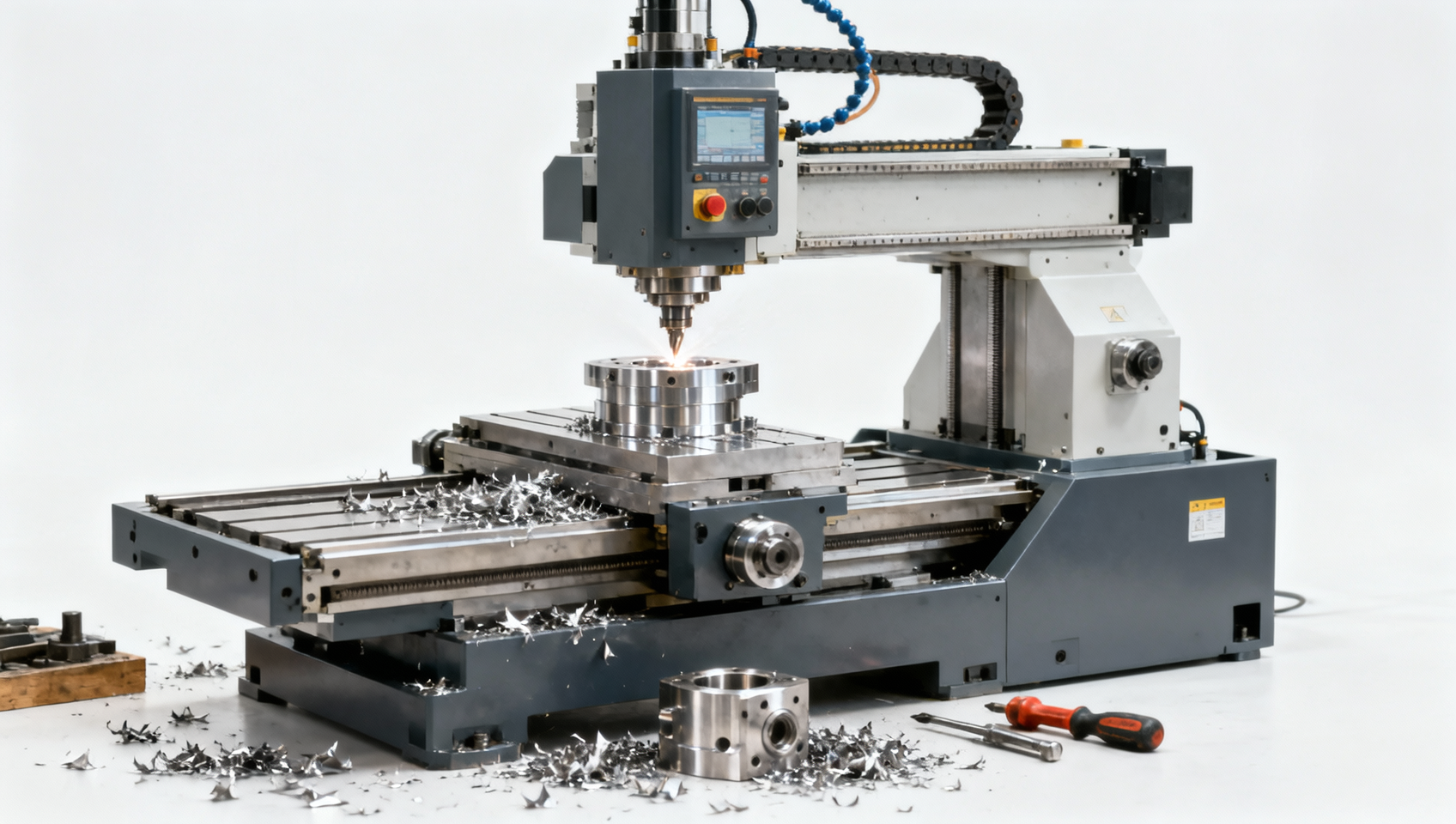
The Rise of Compact CNC Manufacturing in Modern Factories
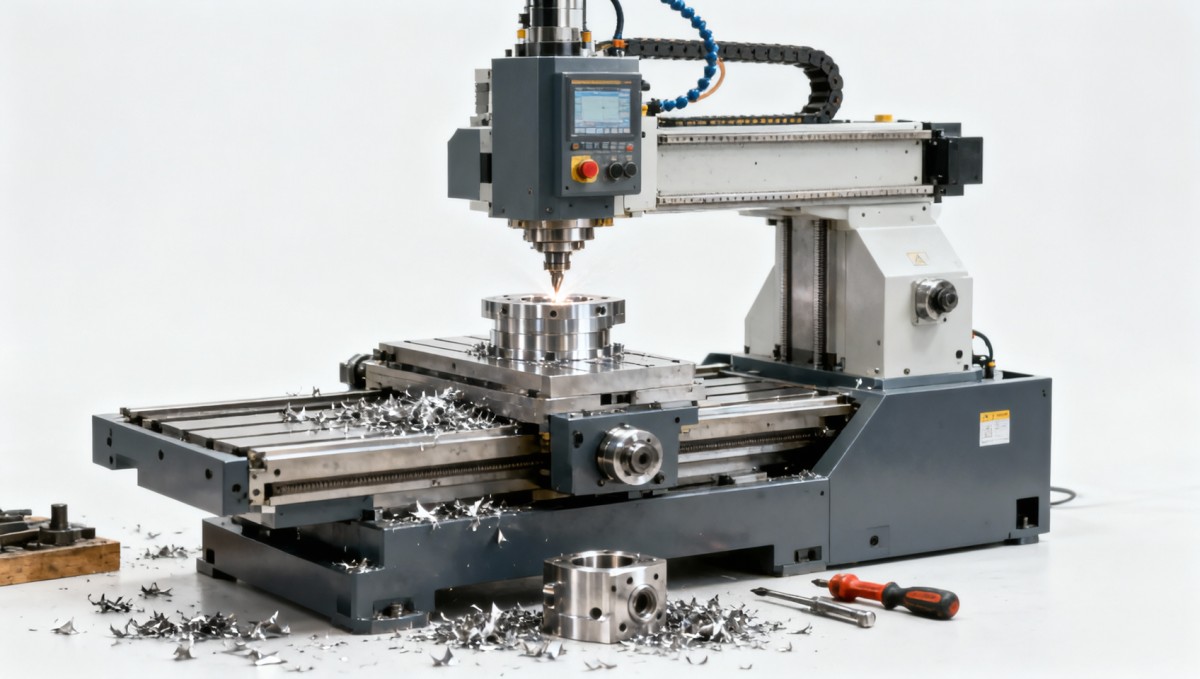
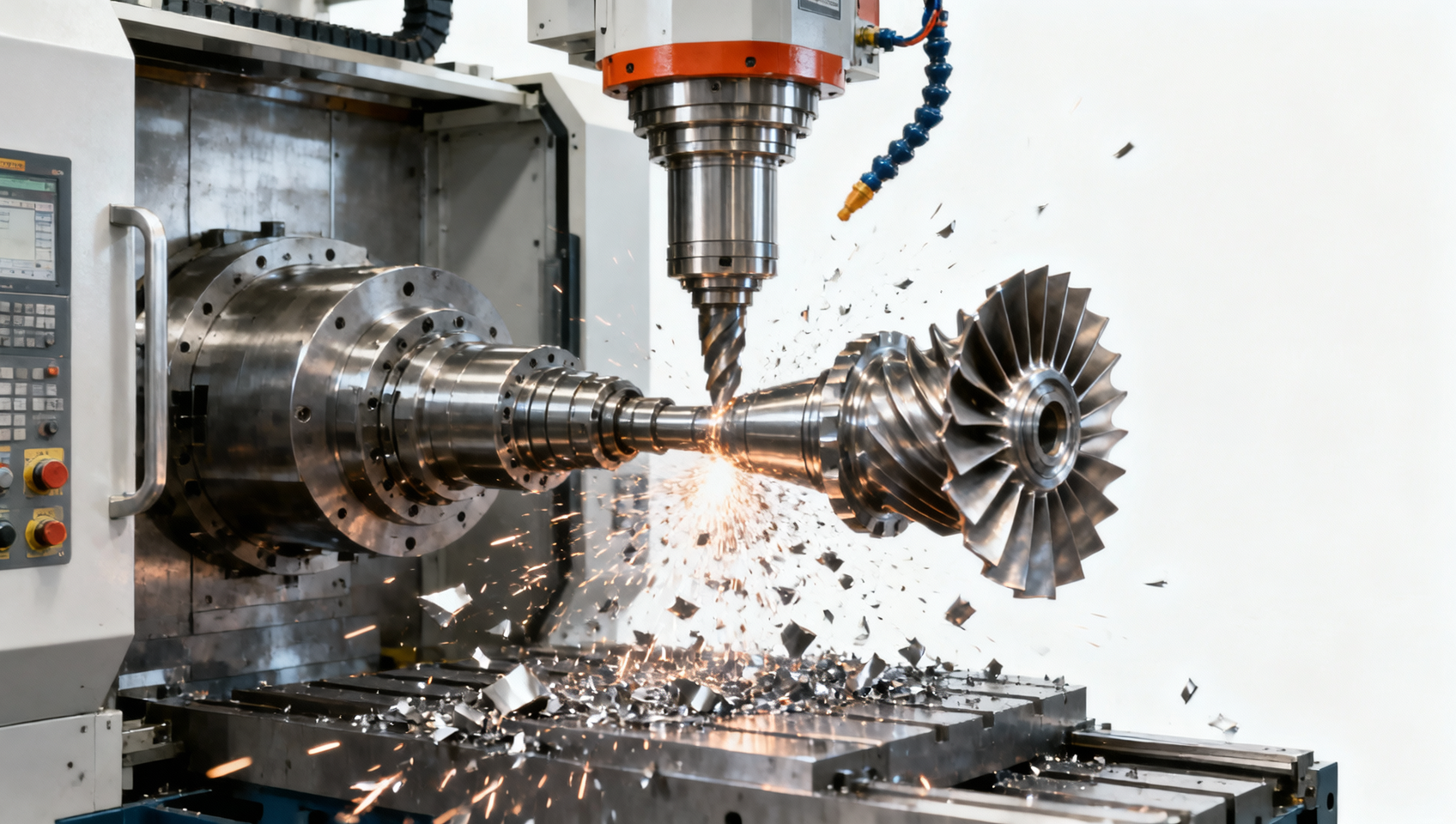
The manufacturing sector faces unprecedented pressure to optimize floor space while maintaining production capacity. Space-saving CNC manufacturing systems have emerged as a game-changing solution, with 68% of industrial facilities now prioritizing compact machine tools in their expansion plans. These advanced systems combine multi-axis capabilities with reduced physical footprints, enabling manufacturers to increase output per square foot by 30-45% compared to traditional setups.
Modern compact CNC machines achieve this efficiency through three key innovations: vertical integration of multiple processes, reduced non-cutting movement areas, and modular designs that allow for clustered configurations. The typical space reduction ranges from 40-60% for equivalent production capacity, with some turnkey solutions offering up to 70% footprint savings through intelligent factory layout optimization.
Key Space-Saving Technologies
- Multi-tasking machines combining turning, milling, and drilling
- Vertical machining centers with reduced X/Y axis travel
- Modular pallet systems for continuous production
- Compact robotic loading/unloading integration
Comparative Analysis: Traditional vs. Compact CNC Layouts
The data reveals that compact CNC systems not only save space but also improve operational efficiency. Manufacturers report 18-22% faster cycle times due to reduced material handling distances and optimized tool paths. When calculating total cost of ownership, the space savings alone can justify the investment within 18-24 months for most mid-sized operations.
Implementation Strategies for Space Optimization
Successful adoption of space-saving CNC manufacturing requires a systematic approach. Leading manufacturers follow a 5-phase implementation process that typically spans 6-9 months from planning to full production:
- Current capacity and workflow analysis (4-6 weeks)
- 3D factory simulation and layout planning (6-8 weeks)
- Machine selection and configuration (8-10 weeks)
- Staff training and process adaptation (4-6 weeks)
- Phased implementation and optimization (12-16 weeks)
Critical Success Factors
Three factors determine the effectiveness of space-saving implementations:
- Precision in measuring existing workflow bottlenecks
- Selection of machines with appropriate torque and RPM ranges (typically 40-12,000 RPM for most applications)
- Integration of automated material handling systems
Industry-Specific Applications and Benefits
The medical device sector particularly benefits from compact CNC solutions, where cleanroom requirements make every square foot extremely valuable. Several tier-1 suppliers have achieved 60-70% space reduction while maintaining ISO 13485 compliance through carefully designed compact cell configurations.
Future Trends in Space-Efficient Manufacturing
The next generation of space-saving CNC technology focuses on three emerging areas:
1. Hybrid Additive/Subtractive Systems
Combining 3D printing with CNC machining in single work envelopes reduces material handling by 35-40%. These systems typically occupy 25-30% less space than separate additive and subtractive setups while offering ±0.05mm positioning accuracy.
2. Collaborative Robotics Integration
New cobot-assisted CNC cells require 40% less safety spacing than traditional robotic systems. The latest models feature built-in collision avoidance that allows safe operation within 500mm of human workers, compared to the 1500mm required for conventional industrial robots.
3. AI-Driven Layout Optimization
Advanced simulation software now analyzes workflow patterns to suggest optimal machine placement, potentially yielding an additional 15-20% space utilization improvement over manual layout planning.
Making the Transition: Key Considerations
For manufacturers considering compact CNC solutions, these four evaluation criteria are essential:
- Work envelope size vs. part dimensions (minimum 20% clearance recommended)
- Tool magazine capacity (typically 24-60 tools for most applications)
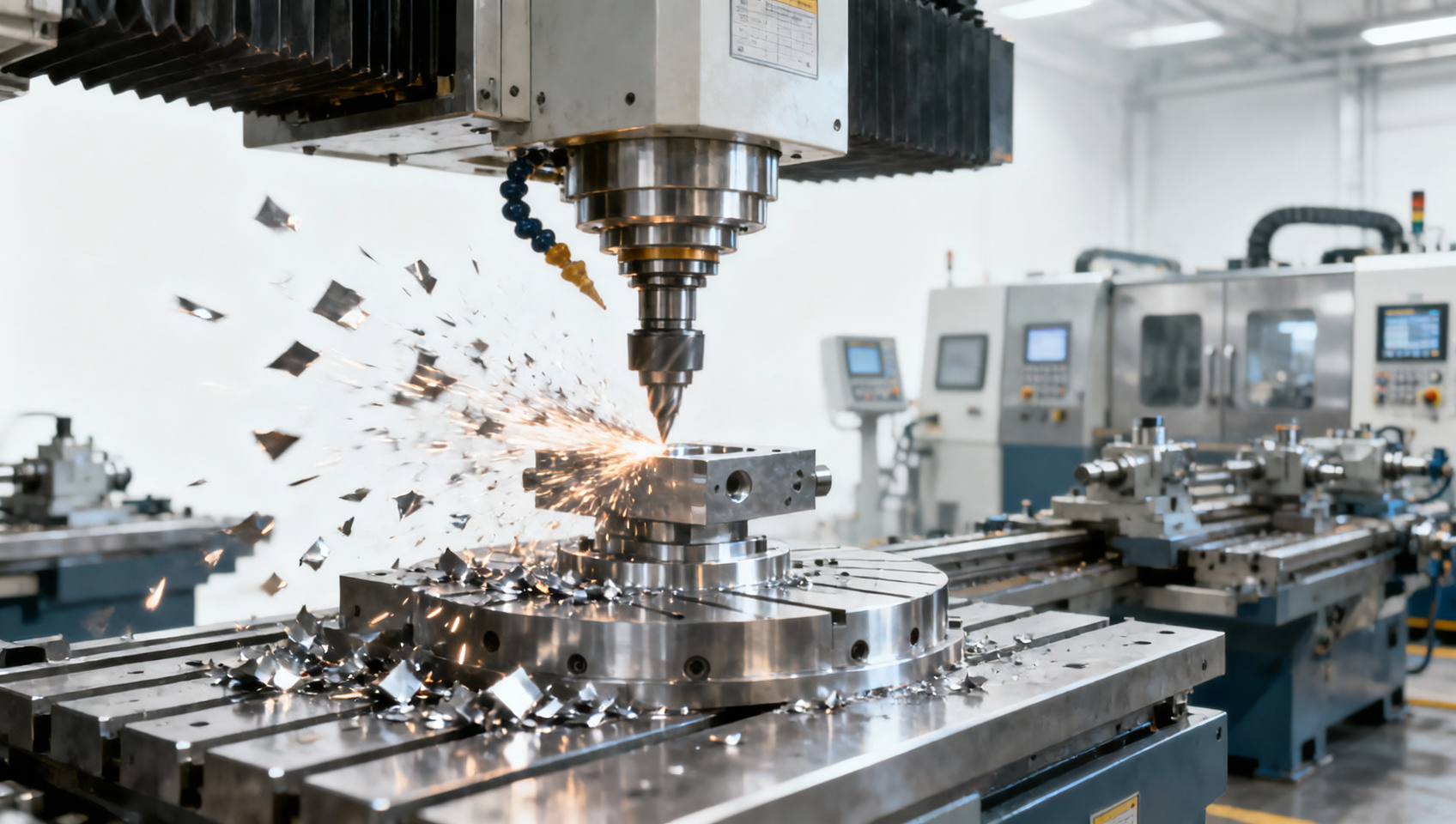
- Chip management system efficiency (critical for high-density installations)
- Service accessibility (maintenance clearance of at least 600mm per side)
Leading equipment providers now offer free space optimization consultations, with many providing 3D factory layout simulations as part of their pre-sales process. These services typically identify 15-30% immediate space savings opportunities before any capital investment.
Conclusion and Next Steps
Space-saving CNC manufacturing represents a strategic advantage in today's competitive industrial landscape. By implementing compact, high-efficiency systems, manufacturers can achieve 30-70% footprint reduction while maintaining or increasing production capacity. The technology particularly benefits operations in high-cost real estate markets or those requiring cleanroom environments.
To explore how your facility could benefit from compact CNC solutions, request a customized space optimization analysis from leading equipment providers. Many offer no-obligation assessments that identify specific opportunities for your unique production requirements and workflow patterns.
PREVIOUS ARTICLE
NEXT ARTICLE
Recommended for You
 How Space-Saving CNC Manufacturing Reduces Factory FootprintMachine Tool Industry Editorial Team
 5 Key Factors When Choosing a CNC Manufacturing WholesalerManufacturing Market Research Center
 Precision CNC Manufacturing: Tolerances You Can Expect in 2024CNC Machining Technology Center
 Why Energy Equipment Manufacturers Are Switching to CNC SolutionsCNC Machining Technology Center
 The Hidden Maintenance Costs of CNC Machines Most Factories MissCNC Machining Technology Center
 How to Identify a Reliable CNC Manufacturing Factory OverseasCNC Machining Technology Center

Aris Katos
Future of Carbide Coatings
15+ years in precision manufacturing systems. Specialized in high-speed milling and aerospace grade alloy processing.
▶
How Space-Saving CNC Manufacturing Reduces Factory FootprintMachine Tool Industry Editorial Team▶
eVTOL Base Construction Drives CNC Export GrowthMachine Tool Industry Editorial Team▶
How CNC Industrial Systems Improve Shop EfficiencyMachine Tool Industry Editorial Team▶
World's First 5-Axis Middle-Grade Wire EDM Machine Enters Mass ProductionMachine Tool Industry Editorial Team▶
What Makes a 5 Axis Machining Center Fit Aerospace Parts?Machine Tool Industry Editorial Team
Mastering 5-Axis Workholding Strategies
Join our technical panel on Nov 15th to learn about reducing vibrations in thin-wall components.

Providing you with integrated sanding solutions
Before-sales and after-sales services
Comprehensive technical support