• Global CNC market projected to reach $128B by 2028 • New EU trade regulations for precision tooling components • Aerospace deman
NYSE: CNC +1.2%LME: STEEL -0.4%

Medical Device Manufacturing: Special Requirements for Machine Tools
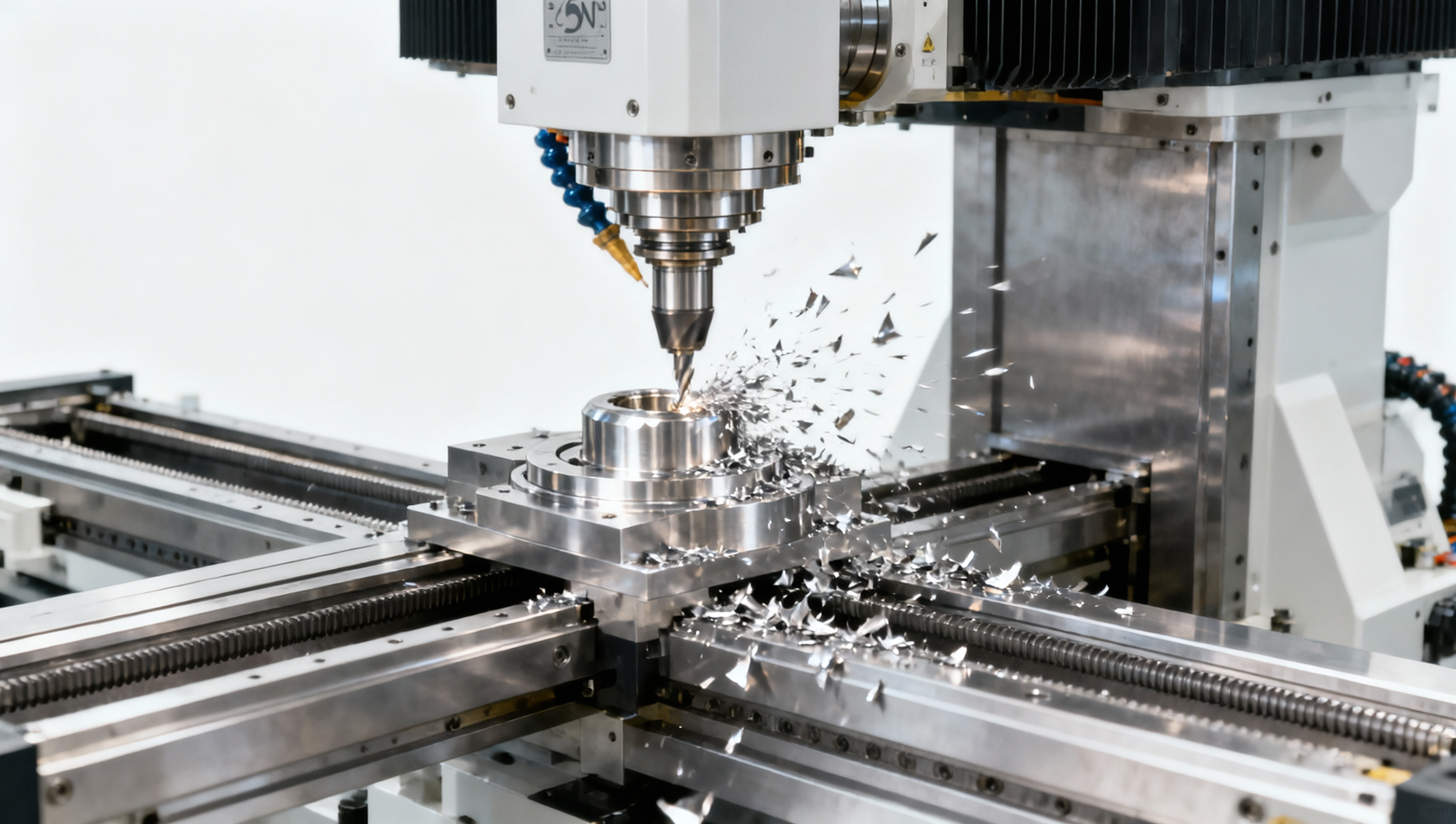
Precision Requirements for Medical Device Machining
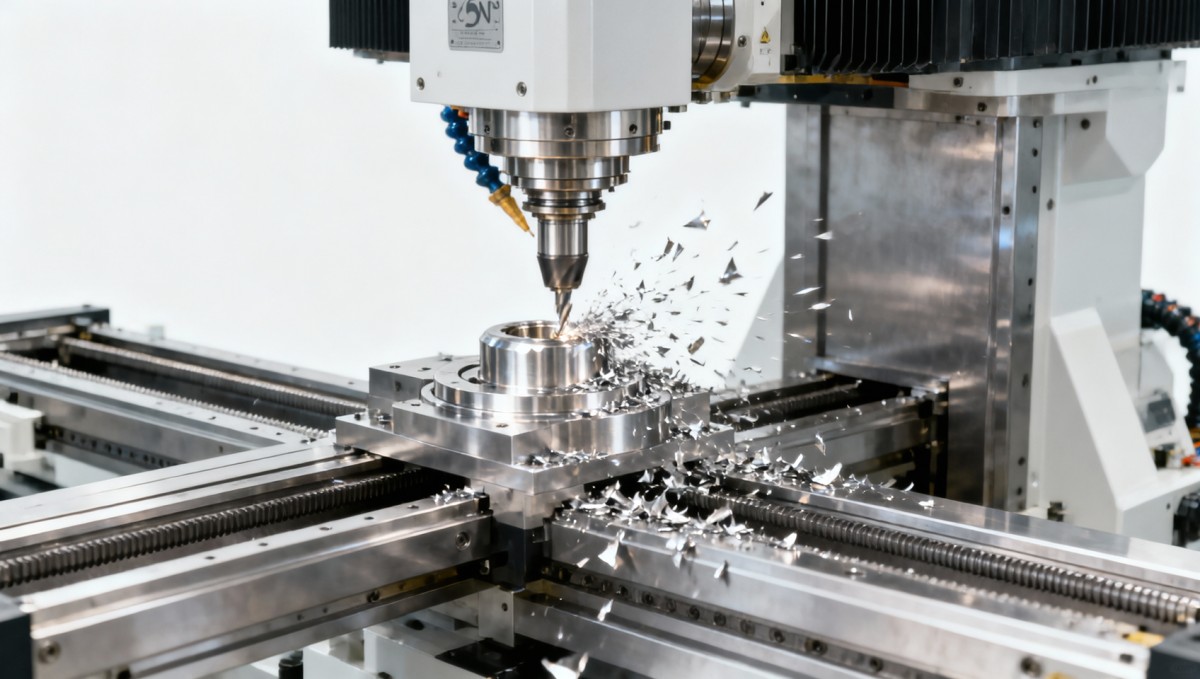
Medical device manufacturing imposes some of the most stringent precision requirements in the CNC machining industry. Implantable components like orthopedic screws and dental implants demand tolerances as tight as ±0.005mm (5 microns), while surgical instruments require surface finishes below 0.2µm Ra. These specifications exceed typical automotive or aerospace standards by 50-300%.
Modern 5-axis CNC machining centers achieve these tolerances through:
- Linear scales with 0.1µm resolution
- Thermal compensation systems maintaining ±1°C stability
- Vibration-dampened machine beds reducing chatter to <0.5G
Material-Specific Machining Challenges
Medical-grade titanium (Ti-6Al-4V ELI) requires specialized tooling with 15-20% slower feed rates than standard alloys. Cobalt-chromium alloys demand ceramic or CBN cutting tools to maintain tool life above 50 parts per edge. Polymer machining for disposable devices needs controlled environments maintaining 21±2°C and 45±5% humidity.
Regulatory Compliance in Machine Tool Selection
FDA 21 CFR Part 820 and ISO 13485 standards mandate full process traceability for medical device manufacturing. This requires CNC machines with:
- Integrated process monitoring capturing 200+ parameters
- Automated tool wear compensation systems
- Encrypted data logging for 10+ year retention
Cleanroom Compatibility
Class 7 (ISO 14644-1) cleanroom environments require machine tools with:
- Sealed linear guides preventing lubricant migration
- HEPA-filtered coolant systems
- Electrostatic discharge protection below 100V
Space-Efficient Production Solutions
Medical device manufacturers increasingly adopt compact CNC solutions like:
- Swiss-type lathes with 1.5m² footprints
- Vertical machining centers under 3m height
- Modular workcells integrating 6-axis robots
These systems achieve 30-50% space savings while maintaining full production capabilities. Quick-change tooling systems reduce setup times from hours to under 15 minutes - critical for small-batch medical production.
Multi-Axis Machining Advantages
5-axis simultaneous machining eliminates secondary operations for complex geometries like:
- Bone screw threads (single setup)
- Arthroscopic tool contours
- Dental implant abutments
Future Trends in Medical CNC Technology
Emerging technologies transforming medical device manufacturing include:
- AI-driven adaptive machining reducing scrap rates by 40-60%
- In-process metrology with 0.1µm real-time feedback
- Blockchain-enabled material traceability
These innovations help manufacturers meet the growing demand for patient-specific devices, projected to grow 22% annually through 2030 according to industry analysts.
Implementation Considerations
When upgrading medical CNC capabilities, factor in:
- 12-18 month validation timelines for new systems
- 30-50% higher tooling costs for medical-grade materials
- Mandatory operator training (80-120 hours per technician)
For procurement specialists evaluating machine tools, prioritize vendors with:
- FDA-compliant documentation packages
- Medical-specific application engineers
- Local service centers with 4-hour response SLAs
Medical device manufacturing continues to push the boundaries of precision machining. By understanding these specialized requirements and implementing the right CNC solutions, manufacturers can achieve the necessary quality, efficiency, and compliance for life-critical applications. Contact our medical machining specialists today to evaluate your production needs.
Recommended for You
![]() AI-Driven CNC Quality Standard Added to 2026 Auto Standards PlanManufacturing Policy Research Center
AI-Driven CNC Quality Standard Added to 2026 Auto Standards PlanManufacturing Policy Research Center![]() Fastenal China Fastener Procurement Up 12% in Q1 2026, Tariff Pressure Cuts MarginGlobal Machine Tool Trade Research Center
Fastenal China Fastener Procurement Up 12% in Q1 2026, Tariff Pressure Cuts MarginGlobal Machine Tool Trade Research Center![]() EU Battery Regulation (2023/1542) Takes Full Effect on Aug 18, 2026Manufacturing Market Research Center
EU Battery Regulation (2023/1542) Takes Full Effect on Aug 18, 2026Manufacturing Market Research Center![]() US ITC Launches Anti-Circumvention Probe on CNC Controls from Vietnam, MexicoManufacturing Policy Research Center
US ITC Launches Anti-Circumvention Probe on CNC Controls from Vietnam, MexicoManufacturing Policy Research Center![]() Global LNG Supply Surge Pressures Gas Prices, Lowers Energy Costs for Chinese CNC ManufacturersGlobal Machine Tool Trade Research Center
Global LNG Supply Surge Pressures Gas Prices, Lowers Energy Costs for Chinese CNC ManufacturersGlobal Machine Tool Trade Research Center![]() China’s CNC Smart Factories Gain Zero-Carbon Certification Mutual RecognitionManufacturing Policy Research Center
China’s CNC Smart Factories Gain Zero-Carbon Certification Mutual RecognitionManufacturing Policy Research Center


Aris Katos
Future of Carbide Coatings
15+ years in precision manufacturing systems. Specialized in high-speed milling and aerospace grade alloy processing.
▶
Precision CNC Manufacturing: Tolerances You Can Expect in 2024CNC Machining Technology Center▶
Why Energy Equipment Manufacturers Are Switching to CNC SolutionsCNC Machining Technology Center▶
The Hidden Maintenance Costs of CNC Machines Most Factories MissCNC Machining Technology Center▶
How to Identify a Reliable CNC Manufacturing Factory OverseasCNC Machining Technology Center▶
High-Speed CNC Manufacturing: When Faster Isn't Always BetterCNC Machining Technology Center
Mastering 5-Axis Workholding Strategies
Join our technical panel on Nov 15th to learn about reducing vibrations in thin-wall components.

Providing you with integrated sanding solutions
Before-sales and after-sales services
Comprehensive technical support