• Global CNC market projected to reach $128B by 2028 • New EU trade regulations for precision tooling components • Aerospace deman
NYSE: CNC +1.2%LME: STEEL -0.4%

CNC metal lathe chatter often comes from this overlooked cause
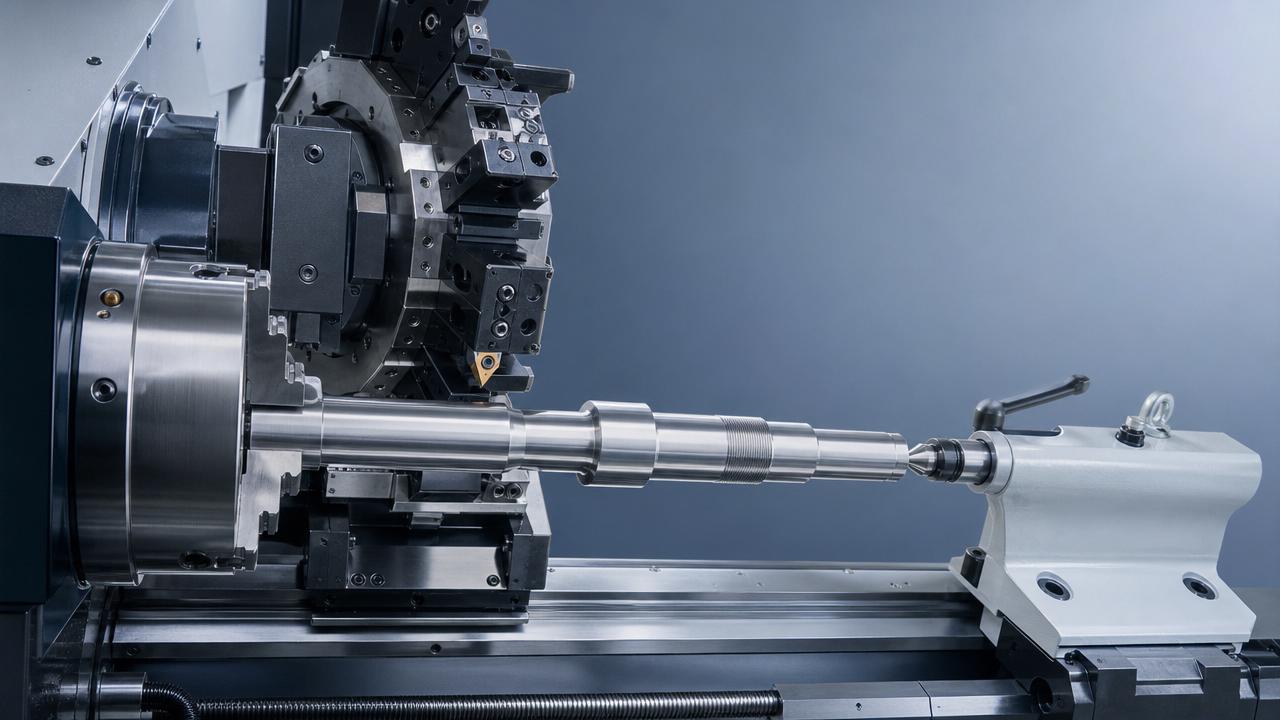
Chatter on a CNC metal lathe is often blamed on tooling, speed, or workholding, but one overlooked cause can quietly ruin surface finish, shorten tool life, and reduce machining accuracy. For operators and shop users, identifying this hidden source early can prevent repeated adjustments and costly downtime. This article explains what to check first and how to restore stable, efficient turning performance.
A noticeable shift: chatter diagnosis on the CNC metal lathe is becoming more system-focused
Across modern machining shops, the way users troubleshoot a CNC metal lathe is changing. In the past, chatter was usually treated as a simple cutting issue: lower the spindle speed, shorten the tool overhang, clamp harder, or switch inserts. Those actions still matter, but operators are increasingly finding that the real cause is often hidden deeper in the machine system. One of the most overlooked causes is not the cutting edge itself, but insufficient machine condition at the interface level, especially wear or looseness in the turret, tool post, slide components, spindle support, or leveling stability.
This shift matters because production today is asking more from every CNC metal lathe. Shops are running tougher materials, longer unattended cycles, tighter tolerances, and higher spindle utilization. Under these conditions, small mechanical instability that once went unnoticed now shows up quickly as vibration, poor repeatability, and unstable chip formation. What looks like a tooling problem can actually be a machine stiffness problem made visible by higher production demands.
For operators, this is an important trend signal: chatter is no longer just a parameter issue. It is increasingly a condition-monitoring issue, a maintenance issue, and a process-consistency issue. Shops that recognize this early can reduce trial-and-error adjustments and improve both machine uptime and part quality.
The overlooked cause: lost rigidity from machine condition, not just cutting parameters
When a CNC metal lathe begins chattering unexpectedly, many users first adjust feed, speed, depth of cut, coolant, or insert geometry. However, if chatter appears across multiple jobs or returns after temporary correction, the first check should often be machine rigidity. In practical shop conditions, this does not always mean catastrophic wear. It may be subtle play in the turret indexing face, a worn cross slide gib, poor tailstock alignment, spindle bearing degradation, foundation movement, or leveling drift.
These issues are overlooked because they develop slowly. Operators adapt over time, adding compensation without realizing the baseline machine condition has changed. A CNC metal lathe may still cut parts, but require narrower process windows, lighter cuts, and more frequent insert changes. That hidden instability is often the true source of chatter.
Another reason this cause is missed is that modern tooling is highly capable. Strong inserts and advanced holders can temporarily mask machine condition problems. But once the application involves interrupted cuts, long shafts, hard materials, or tighter surface finish requirements, the machine’s mechanical weakness becomes obvious.
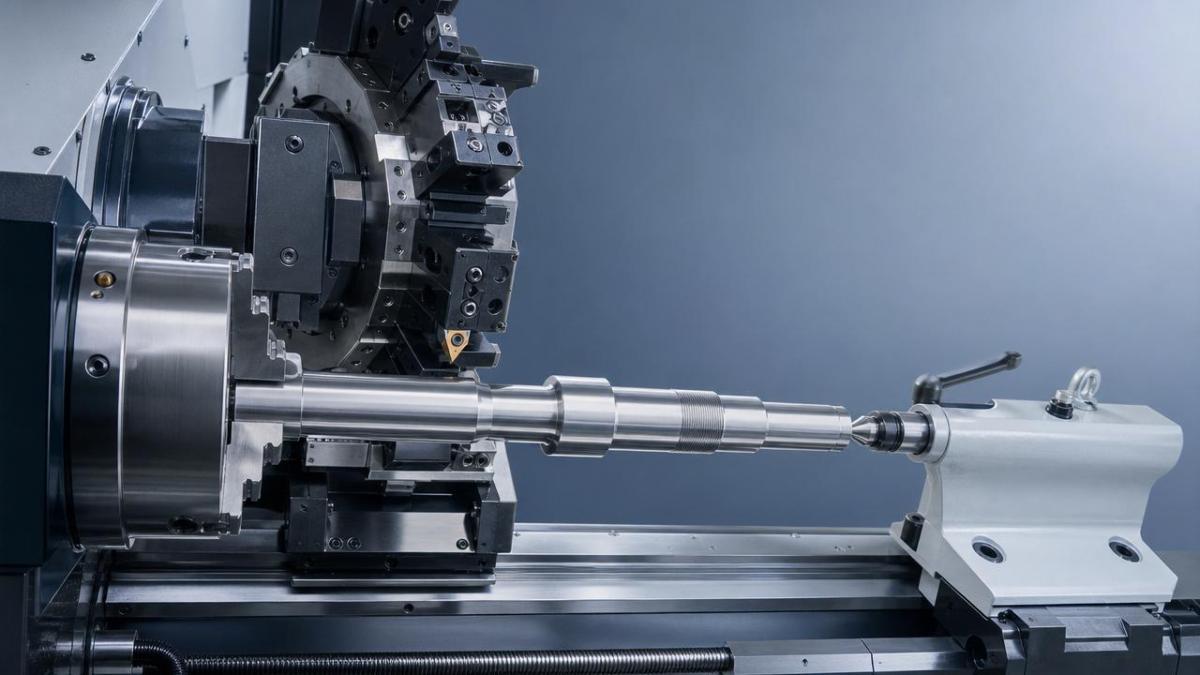
Why this issue is showing up more often now
Several industry changes are making hidden vibration sources more visible on the CNC metal lathe. First, batch sizes are becoming more variable. Operators may run a wider mix of materials and part geometries on the same machine, exposing weaknesses that repetitive high-volume work did not reveal. Second, pressure to extend machine life means many shops continue using aging assets while expecting near-new performance. Third, smart manufacturing programs are pushing for stable, predictable output, which makes even minor chatter more costly than before.
There is also a workforce factor. In many shops, experienced operators who could “hear” or “feel” a machine problem are retiring, while newer operators rely more heavily on standard parameter sheets. This is not a weakness; it is a structural change in manufacturing. But it means maintenance-related chatter on a CNC metal lathe may stay hidden longer unless shops build better inspection routines.
Key drivers behind the change
What operators should check first on a CNC metal lathe
If chatter appears repeatedly, the smartest first step is not random parameter reduction. Instead, check whether the CNC metal lathe has lost stiffness or alignment somewhere in the cutting chain. Start with the simplest high-value checks:
- Inspect turret clamping and indexing repeatability.
- Check toolholder seating faces for contamination, burrs, or fretting marks.
- Verify spindle runout, unusual heat, or bearing noise.
- Review slide backlash, gib adjustment, and lubrication condition.
- Confirm tailstock support and alignment for long workpieces.
- Recheck machine leveling, especially after relocation, heavy impact, or seasonal floor changes.
These checks are important because chatter on a CNC metal lathe often starts where force transfer becomes inconsistent. Even a high-quality insert cannot perform well if the machine structure is flexing, slipping, or resonating during the cut. For users, this is the major insight: before changing ten process variables, make sure the machine itself is still giving the process a stable foundation.
The impact is wider than surface finish alone
The effects of hidden chatter causes extend far beyond visible vibration marks. On a CNC metal lathe, unstable cutting can distort cycle time planning, increase insert inventory usage, create size drift across a batch, and raise the risk of scrap during finishing passes. Shops focused on throughput may overlook how much chatter quietly reduces effective capacity.
This is especially relevant in sectors such as automotive components, energy equipment, electronics hardware, and general industrial parts. These sectors rely on repeatability, not just occasional success. A CNC metal lathe that only performs well under narrow conditions is harder to schedule, harder to automate, and more expensive to maintain over time.
Who feels the impact most
A practical trend: shops are moving from reactive fixes to condition-based prevention
One of the clearest developments in the CNC machine tool industry is the move from reactive troubleshooting toward preventive and condition-based action. Instead of waiting for chatter to become severe, better-performing shops build simple inspection habits around the CNC metal lathe. They log vibration patterns by job type, compare insert wear behavior over time, and review whether chatter starts after maintenance events, crashes, machine moves, or long production campaigns.
This does not always require advanced sensors. In many cases, disciplined observation is enough. If the same CNC metal lathe starts needing lower speeds than before for the same material, that is a signal. If surface finish worsens while tooling and programs remain unchanged, that is a signal. If chatter appears mainly at one turret station or one spindle range, that is a signal. The trend is toward treating these patterns as useful operating data, not isolated complaints.
How to judge whether the problem is process-related or machine-related
For operators, the best decision-making skill is learning to separate process variation from structural variation. A process-related chatter issue often changes predictably with speed, feed, insert geometry, or overhang. A machine-related issue on a CNC metal lathe is more likely to persist across different setups, appear at recurring machine positions, or gradually worsen over time.
A useful rule is this: if a reasonable setup on a previously stable CNC metal lathe suddenly needs unusually conservative parameters, do not assume the program is at fault. Check whether the machine has changed. This mindset can save many hours of unnecessary trial cuts and avoid blaming tools for what is actually a mechanical or support issue.
Quick judgment guide
What shops should prioritize next
The direction is clear: a CNC metal lathe should be managed as a full production system, not just a cutting platform. For shop users, that means combining process knowledge with machine health awareness. Build a standard chatter checklist. Record baseline machine behavior when performance is good. Include leveling, turret condition, lubrication, spindle sound, and axis stability in routine reviews. Train operators to escalate recurring vibration patterns early instead of repeatedly compensating in the program.
It is also wise to review purchasing and refurbishment decisions through this lens. As global manufacturing moves toward smarter, more connected production, the value of a CNC metal lathe increasingly depends on stable repeatability over time, not just its original specification sheet. Shops that can detect hidden rigidity loss early will protect productivity better than those relying only on aggressive tooling changes.
Final judgment and action points
The most important takeaway is simple: when chatter appears on a CNC metal lathe, do not assume the cutting tool is the starting point every time. In today’s production environment, one overlooked cause is often declining machine rigidity or support condition. That change is becoming more important as tolerances tighten, machine utilization rises, and operators are asked to do more with mixed jobs and aging equipment.
If your shop wants to judge how this trend affects its own operations, focus on a few questions. Is chatter becoming more frequent on the same CNC metal lathe? Are parameter reductions being used more often just to keep parts acceptable? Has anyone checked leveling, spindle condition, turret clamp integrity, and slide wear recently? The answers to those questions usually reveal whether the next improvement should come from tooling changes, maintenance action, or a broader machine capability review.
PREVIOUS ARTICLE
Recommended for You
![]() Five Ministries Launch Joint Enforcement on EV Battery RecyclingManufacturing Policy Research Center
Five Ministries Launch Joint Enforcement on EV Battery RecyclingManufacturing Policy Research Center![]() Top 10 Future Industries Roadmap 2026 ReleasedManufacturing Market Research Center
Top 10 Future Industries Roadmap 2026 ReleasedManufacturing Market Research Center![]() Global Methanol-Electric Ecosystem Alliance LaunchedManufacturing Market Research Center
Global Methanol-Electric Ecosystem Alliance LaunchedManufacturing Market Research Center![]() ISO 23218-3:2026 Enters Force: CNC Digital Twin Interoperability Standard Goes GlobalCNC Machining Technology Center
ISO 23218-3:2026 Enters Force: CNC Digital Twin Interoperability Standard Goes GlobalCNC Machining Technology Center![]() ANVISA New Rule: Portuguese Biocompatibility Labels for Medical CNC EquipmentManufacturing Policy Research Center
ANVISA New Rule: Portuguese Biocompatibility Labels for Medical CNC EquipmentManufacturing Policy Research Center![]() KATS Updates KC Certification: CNC Cybersecurity Modules Must Comply with IEC 62443-4-2Manufacturing Policy Research Center
KATS Updates KC Certification: CNC Cybersecurity Modules Must Comply with IEC 62443-4-2Manufacturing Policy Research Center


Aris Katos
Future of Carbide Coatings
15+ years in precision manufacturing systems. Specialized in high-speed milling and aerospace grade alloy processing.
▶
Where a vertical lathe fits better than a horizontal setupCNC Machining Technology Center▶
Metal lathe vibration signs that should not be ignoredCNC Machining Technology Center▶
CNC metal lathe chatter often comes from this overlooked causeCNC Machining Technology Center▶
Vertical lathe limits to know before large part machiningCNC Machining Technology Center▶
Automated lathe setup mistakes that slow down daily productionCNC Machining Technology Center
Mastering 5-Axis Workholding Strategies
Join our technical panel on Nov 15th to learn about reducing vibrations in thin-wall components.

Providing you with integrated sanding solutions
Before-sales and after-sales services
Comprehensive technical support