• Global CNC market projected to reach $128B by 2028 • New EU trade regulations for precision tooling components • Aerospace deman
NYSE: CNC +1.2%LME: STEEL -0.4%

CNC Milling Tolerance Problems That Start in Tool Setup
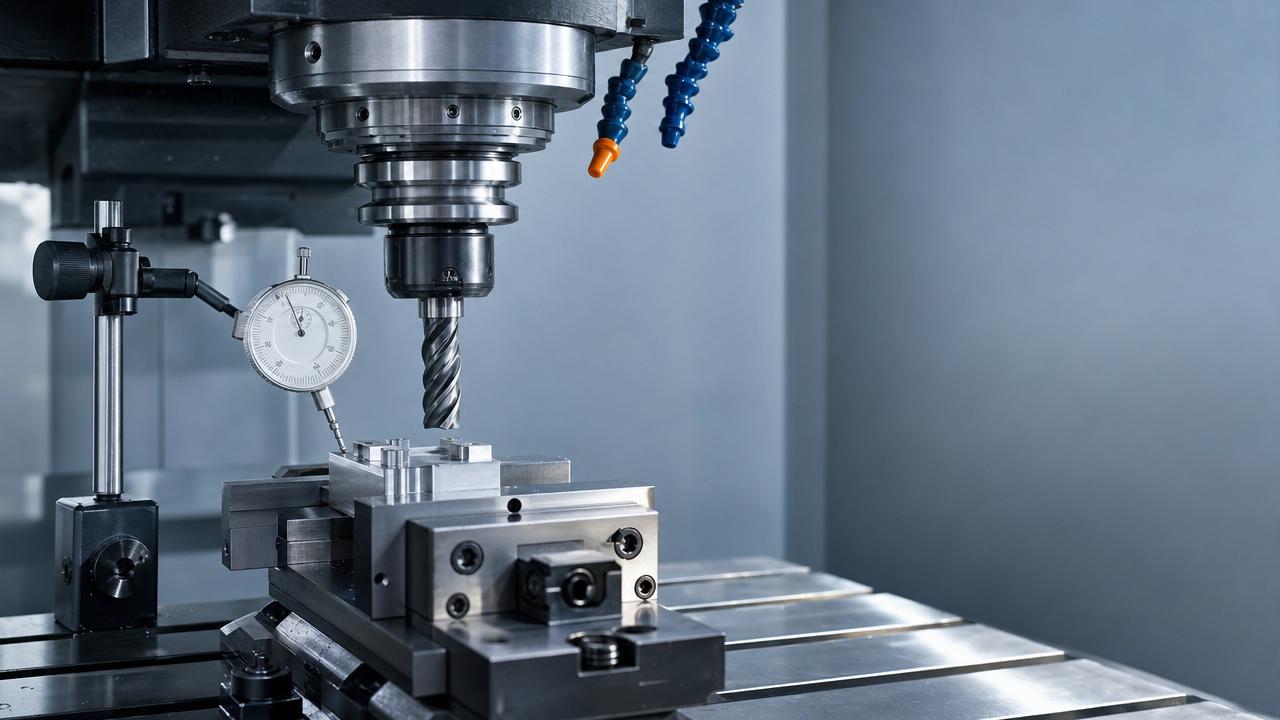
In CNC milling, tolerance drift often starts before cutting begins. Tool setup decides where the cutter starts, how it travels, and whether the machine can repeat that motion with confidence. Small setup errors can turn a stable process into scrap, chatter, or hidden dimensional variation.
Why tool setup is the first tolerance risk in CNC milling
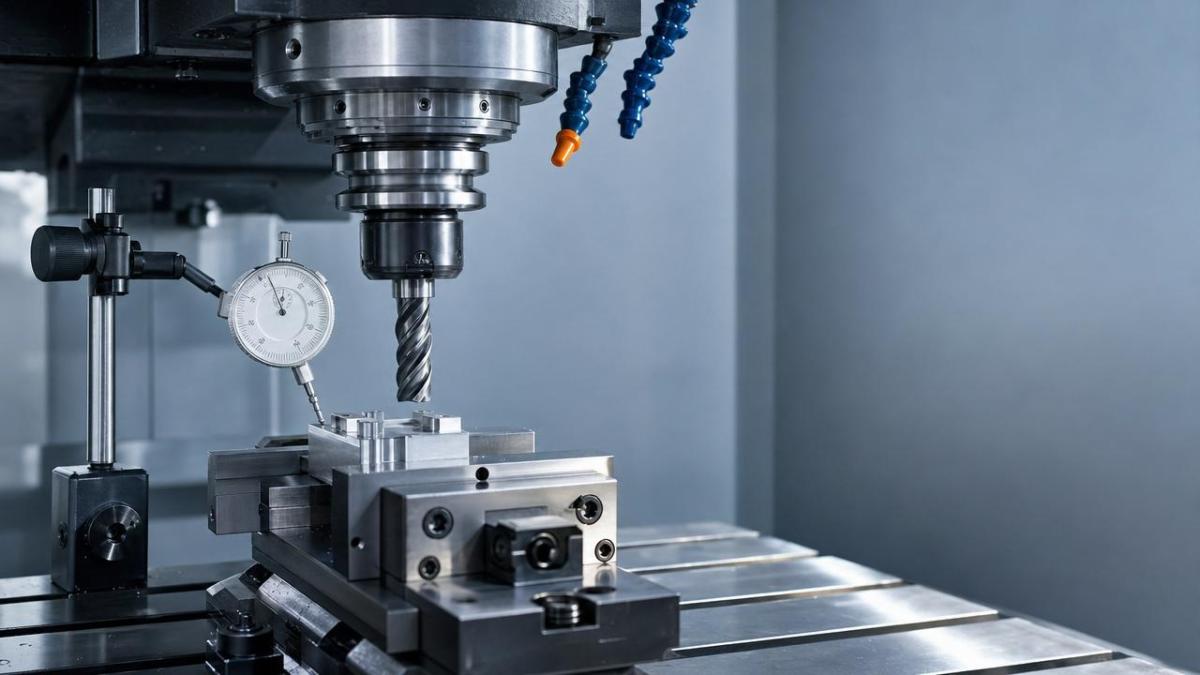
A milling machine can only hold what the setup allows. If tool length, gauge line, or offset data is wrong, the control will still execute the program, but the part will not match the intended geometry.
This is why many CNC milling tolerance problems look like cutting issues, while the root cause sits in setup. Worn holders, dirty taper seats, incorrect presetting, and loose clamping all shift the tool position before the first chip is made.
For complex parts, the risk is even higher. A tiny error at one station can compound across multiple passes, tool changes, and finish operations. The result is often a part that is close enough to pass visually, but outside the tolerance band.
What setup errors most often cause CNC milling tolerance problems?
The most common sources are simple, but they are easy to miss during busy production. Tool length offset mistakes can shift depth control. Incorrect diameter compensation can affect wall size and slot width. If the holder is not seated cleanly, runout increases and the effective cutting edge moves off-center.
Another frequent issue is tool wear data entered too late or too aggressively. When the control applies an offset that does not match actual tool condition, the machine may overcorrect. That creates variation from one part to the next, especially on finishing cuts.
Fixture alignment also matters. Even a well-set tool cannot compensate for a workpiece that is skewed, lifted, or clamped inconsistently. In CNC milling, tolerance control is shared by the tool, holder, machine, and fixture as one system.
Quick setup risk checklist
- Tool length not verified after changeover
- Dirty taper, collet, or spindle seat
- Runout not measured before finishing cuts
- Offset values copied without validation
- Fixture zero point not rechecked after loading
How can tool setup errors be identified before production starts?
The best way is to verify setup in layers. First, inspect the toolholder and spindle interface. Then measure tool projection, runout, and length offset against a known reference. After that, confirm the work offset and simulate the toolpath if the control supports it.
A test cut is still one of the most practical checks in CNC milling. A simple pocket, slot, or step feature can reveal whether the tool is cutting where the program expects. If the test part shows offset drift or taper, the issue is often found in setup rather than the cutting program itself.
Digital presetting systems, probe routines, and tool management software can reduce human error, but they do not replace inspection discipline. The value comes from making setup repeatable, not just faster.
Which setup practices improve accuracy and repeatability most?
Consistency matters more than speed. Using the same tool measurement method, the same clamping sequence, and the same offset logic reduces variation between shifts and machines. Standardizing these steps is one of the most effective ways to stabilize CNC milling tolerance performance.
A clean holder system is another high-impact habit. Remove chips, wipe contact surfaces, and inspect for wear or damage before installing a tool. If the holder is damaged, the cutting edge may wobble enough to create size errors, poor surface finish, or inconsistent corner features.
For high-accuracy work, keep tool stick-out as short as possible. Longer overhang increases deflection, especially during deep pockets or aggressive side milling. Lower deflection usually means better tolerance control and more stable surface quality.
What is the difference between a tool problem and a setup problem?
They often look similar, but they behave differently. A tool problem usually changes as the tool wears, dulls, or breaks. A setup problem is often present from the start and repeats every part until corrected.
If the first part is already out of tolerance in the same direction as the next few parts, setup should be checked first. If the error grows gradually, tool wear or thermal drift may be the larger factor. In CNC milling, this distinction saves time because it narrows the troubleshooting path.
That difference also affects cost. Setup errors usually waste time in batches, while tool wear can often be managed with replacement schedules. Clear diagnosis helps avoid unnecessary adjustments to a process that was already stable.
How can shops reduce rework from CNC milling tolerance problems?
The most reliable approach is to build a setup verification routine. Use a pre-run checklist, record actual tool measurements, and compare first-off parts against the same inspection points every time. When the data is consistent, problems are easier to trace.
It also helps to define tolerance-critical features early. Bores, mating faces, and thin walls need tighter control than non-functional surfaces. By focusing setup precision where it matters most, CNC milling can deliver better quality without adding unnecessary cycle time.
For long production runs, scheduled rechecks are essential. Heat, vibration, and tool wear can change the effective cutting position over time. A quick midpoint verification is often enough to prevent a full batch of rework.
In summary, CNC milling tolerance problems often begin in tool setup, not in the final cut. Clean interfaces, accurate offsets, stable fixturing, and repeatable verification routines create the foundation for consistent part quality. Start with setup discipline, and most downstream quality issues become easier to prevent, detect, and control.
PREVIOUS ARTICLE
Recommended for You
![]() Fuxing EMU Trainset Procurement Reaches ¥4.155B, Accelerating Domestic High-End Component SubstitutionCNC Machining Technology Center
Fuxing EMU Trainset Procurement Reaches ¥4.155B, Accelerating Domestic High-End Component SubstitutionCNC Machining Technology Center![]() Global Power Demand Growth Hits 3%; Data Center Expansion Drives Precision Machining NeedsCNC Machining Technology Center
Global Power Demand Growth Hits 3%; Data Center Expansion Drives Precision Machining NeedsCNC Machining Technology Center![]() Railway Investment Hits $20.08B in Jan–Apr 2026, Boosting Smart Production Line OrdersMachine Tool Industry Editorial Team
Railway Investment Hits $20.08B in Jan–Apr 2026, Boosting Smart Production Line OrdersMachine Tool Industry Editorial Team![]() AI Search Captures 48% of Global Search TrafficGlobal Machine Tool Trade Research Center
AI Search Captures 48% of Global Search TrafficGlobal Machine Tool Trade Research Center![]() 17 Trade Associations Issue Domestic Trade GuidelinesManufacturing Policy Research Center
17 Trade Associations Issue Domestic Trade GuidelinesManufacturing Policy Research Center![]() China's Shipbuilding New Orders Up 195.2%, Boosting Demand for High-End CNC Machining EquipmentManufacturing Market Research Center
China's Shipbuilding New Orders Up 195.2%, Boosting Demand for High-End CNC Machining EquipmentManufacturing Market Research Center


Aris Katos
Future of Carbide Coatings
15+ years in precision manufacturing systems. Specialized in high-speed milling and aerospace grade alloy processing.
▶
Fuxing EMU Trainset Procurement Reaches ¥4.155B, Accelerating Domestic High-End Component SubstitutionCNC Machining Technology Center▶
CNC Programming Errors That Lead to Scrap on Repeat JobsCNC Machining Technology Center▶
CNC Milling Tolerance Problems That Start in Tool SetupCNC Machining Technology Center▶
MIIT Launches 'AI+Software' Initiative to Boost Smart ProgrammingCNC Machining Technology Center▶
CNC Programming Mistakes That Cause Scrap and ReworkCNC Machining Technology Center
Mastering 5-Axis Workholding Strategies
Join our technical panel on Nov 15th to learn about reducing vibrations in thin-wall components.

Providing you with integrated sanding solutions
Before-sales and after-sales services
Comprehensive technical support