• Global CNC market projected to reach $128B by 2028 • New EU trade regulations for precision tooling components • Aerospace deman
NYSE: CNC +1.2%LME: STEEL -0.4%

CNC Programming Errors That Lead to Scrap on Repeat Jobs
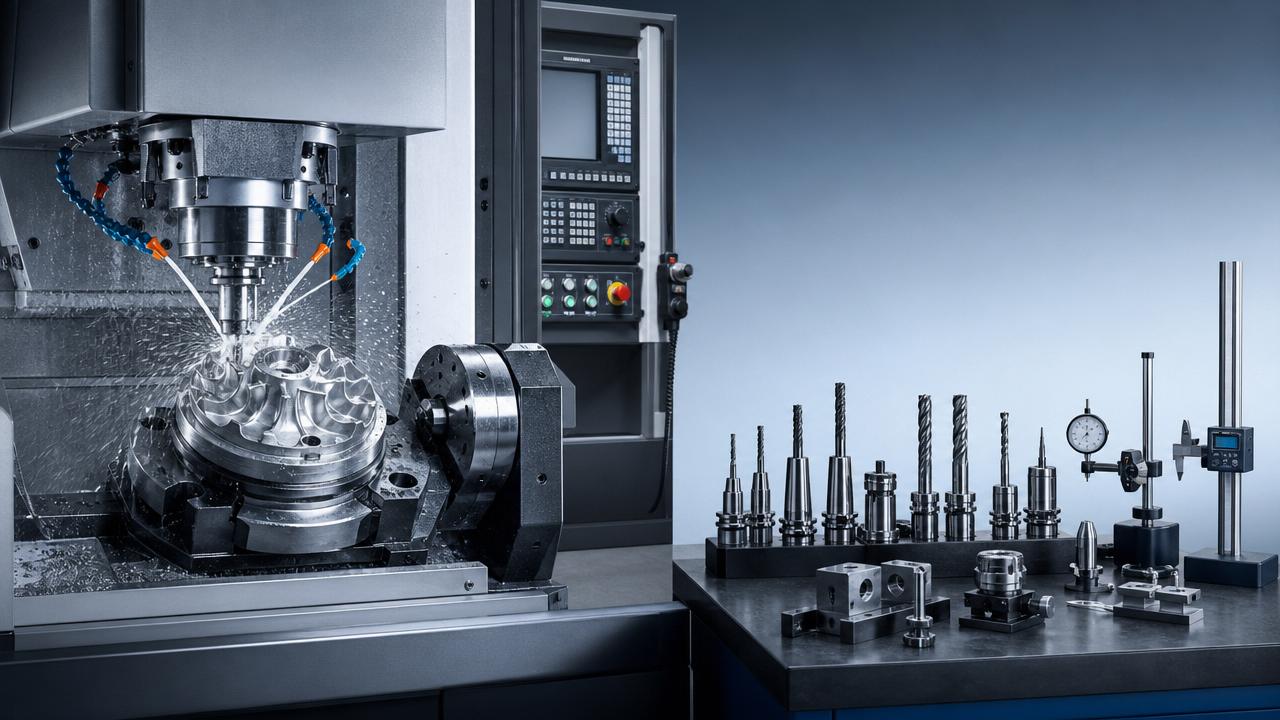
Repeat jobs should be the easiest wins in a CNC shop, but small CNC Programming errors can quietly turn proven setups into costly scrap. For technical evaluators, the real issue is usually not “bad code” in isolation, but a broken chain of control: offsets drift, edits go unverified, fixtures change, or tool data no longer matches the released program. In repeat production, that is enough to turn a stable process into an expensive surprise.
Why repeat jobs still scrap good parts
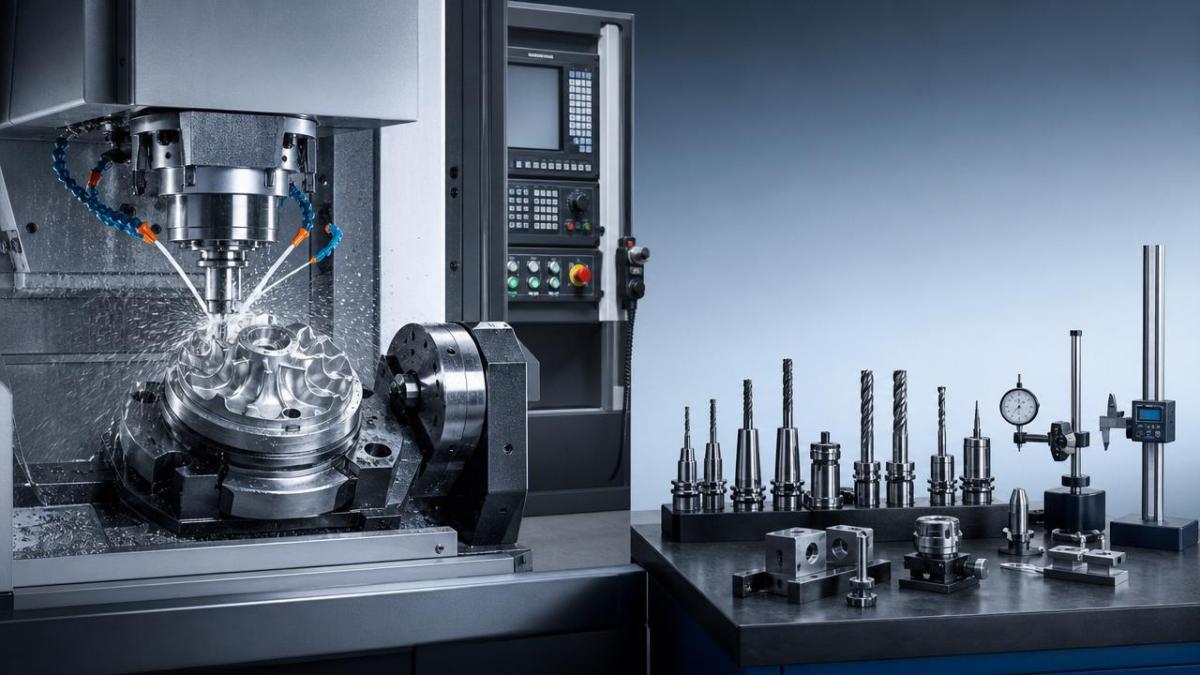
Repeat work is risky because everyone assumes the process is already proven. That assumption often reduces scrutiny, so a minor change in CNC Programming can slip through without the usual level of review. The result is not always an obvious crash; more often it is a part that is dimensionally off, out of tolerance, or consistently drifting until scrap appears.
For evaluators, the key question is not whether the program was “correct” once, but whether it remains correct after edits, tool replacement, fixture wear, machine maintenance, or controller updates. Repeat jobs fail when process control weakens between the first successful run and the next release.
The programming mistakes that most often create scrap
One of the most common failures is offset reuse without validation. If work offsets, tool length offsets, or wear offsets are carried over from a previous run, even a small mismatch can shift critical dimensions. This is especially dangerous on high-precision parts where a few microns matter.
Another frequent issue is silent program editing. A technician may adjust feeds, spindle speed, retract moves, or tool order to improve cycle time, but the changes are not fully reviewed. If the update is only tested on one piece, the job may pass first article and still scrap the rest of the batch.
Tooling mismatches also cause repeat-job scrap. A new insert style, worn end mill, altered holder gauge length, or different tool diameter can invalidate the original code assumptions. If the program still references the old tool data, the path may look right but cut wrong.
Fixture variation is another hidden source of error. The same program can produce different results if clamping force, locator wear, or part seating changes. In many shops, what looks like a programming error is actually a programming-plus-fixturing mismatch that was never revalidated.
What technical evaluators should check first
The fastest way to diagnose repeat scrap is to compare the current setup against the last known good run. Confirm that the NC program version, offset sheet, tool list, fixture state, and inspection results all belong to the same revision. If any of those records disagree, the root cause is usually traceable.
Inspect whether the program was modified locally on the machine or in offline CAM, and whether the released file matches what is actually running. Uncontrolled “small edits” on the shop floor are one of the biggest reasons CNC Programming errors survive into production.
Then verify the measuring loop. If operators are compensating based on incomplete feedback, the job may appear stable while slowly moving out of tolerance. Repeat jobs need the same discipline as first articles: first part, mid-run check, and documented signoff after any meaningful change.
How to reduce repeat-job scrap without slowing production
The most effective control is version discipline. Keep one released program per revision, and require a clear approval step before any machine-side edit becomes production code. That simple rule prevents many avoidable scrap events.
Next, tie program release to a setup verification checklist. The checklist should confirm tool lengths, offsets, fixture location, coolant condition, and part orientation before the first cut. This adds little time, but it catches the mismatches that repeat jobs often hide.
Use a change log for anything that affects geometry, feed, tool choice, or clamping. Even if the edit seems minor, documenting why it was made helps evaluators decide whether the change improved the process or merely introduced risk.
Finally, standardize post-change validation. If the job is touched in any way, the first part should be treated as a new verification event, not proof that the whole lot is safe. That mindset is what keeps repeat jobs repeatable.
What good control looks like on the shop floor
A reliable repeat job has three qualities: the released CNC Programming file is traceable, the setup matches the approved configuration, and inspection data confirms the process has not drifted. If any one of those is missing, scrap risk rises immediately.
In practice, strong shops do not rely on memory. They rely on release control, setup discipline, and clear communication between programming, production, and quality. That is especially important in aerospace, automotive, energy, and other precision environments where repeatability is part of the product value.
Repeat-job scrap is rarely caused by one dramatic mistake. More often, it comes from small uncontrolled changes that accumulate until the part goes out of tolerance. For technical evaluators, the right response is to focus on version control, setup verification, and change traceability. If those three are disciplined, CNC Programming becomes far less likely to turn a proven job into scrap.
Recommended for You
![]() Fuxing EMU Trainset Procurement Reaches ¥4.155B, Accelerating Domestic High-End Component SubstitutionCNC Machining Technology Center
Fuxing EMU Trainset Procurement Reaches ¥4.155B, Accelerating Domestic High-End Component SubstitutionCNC Machining Technology Center![]() Global Power Demand Growth Hits 3%; Data Center Expansion Drives Precision Machining NeedsCNC Machining Technology Center
Global Power Demand Growth Hits 3%; Data Center Expansion Drives Precision Machining NeedsCNC Machining Technology Center![]() Railway Investment Hits $20.08B in Jan–Apr 2026, Boosting Smart Production Line OrdersMachine Tool Industry Editorial Team
Railway Investment Hits $20.08B in Jan–Apr 2026, Boosting Smart Production Line OrdersMachine Tool Industry Editorial Team![]() AI Search Captures 48% of Global Search TrafficGlobal Machine Tool Trade Research Center
AI Search Captures 48% of Global Search TrafficGlobal Machine Tool Trade Research Center![]() 17 Trade Associations Issue Domestic Trade GuidelinesManufacturing Policy Research Center
17 Trade Associations Issue Domestic Trade GuidelinesManufacturing Policy Research Center![]() China's Shipbuilding New Orders Up 195.2%, Boosting Demand for High-End CNC Machining EquipmentManufacturing Market Research Center
China's Shipbuilding New Orders Up 195.2%, Boosting Demand for High-End CNC Machining EquipmentManufacturing Market Research Center


Aris Katos
Future of Carbide Coatings
15+ years in precision manufacturing systems. Specialized in high-speed milling and aerospace grade alloy processing.
▶
Fuxing EMU Trainset Procurement Reaches ¥4.155B, Accelerating Domestic High-End Component SubstitutionCNC Machining Technology Center▶
CNC Programming Errors That Lead to Scrap on Repeat JobsCNC Machining Technology Center▶
CNC Milling Tolerance Problems That Start in Tool SetupCNC Machining Technology Center▶
MIIT Launches 'AI+Software' Initiative to Boost Smart ProgrammingCNC Machining Technology Center▶
CNC Programming Mistakes That Cause Scrap and ReworkCNC Machining Technology Center
Mastering 5-Axis Workholding Strategies
Join our technical panel on Nov 15th to learn about reducing vibrations in thin-wall components.

Providing you with integrated sanding solutions
Before-sales and after-sales services
Comprehensive technical support