• Global CNC market projected to reach $128B by 2028 • New EU trade regulations for precision tooling components • Aerospace deman
NYSE: CNC +1.2%LME: STEEL -0.4%

Where the Production Process Slows Down in Mixed-Batch Orders
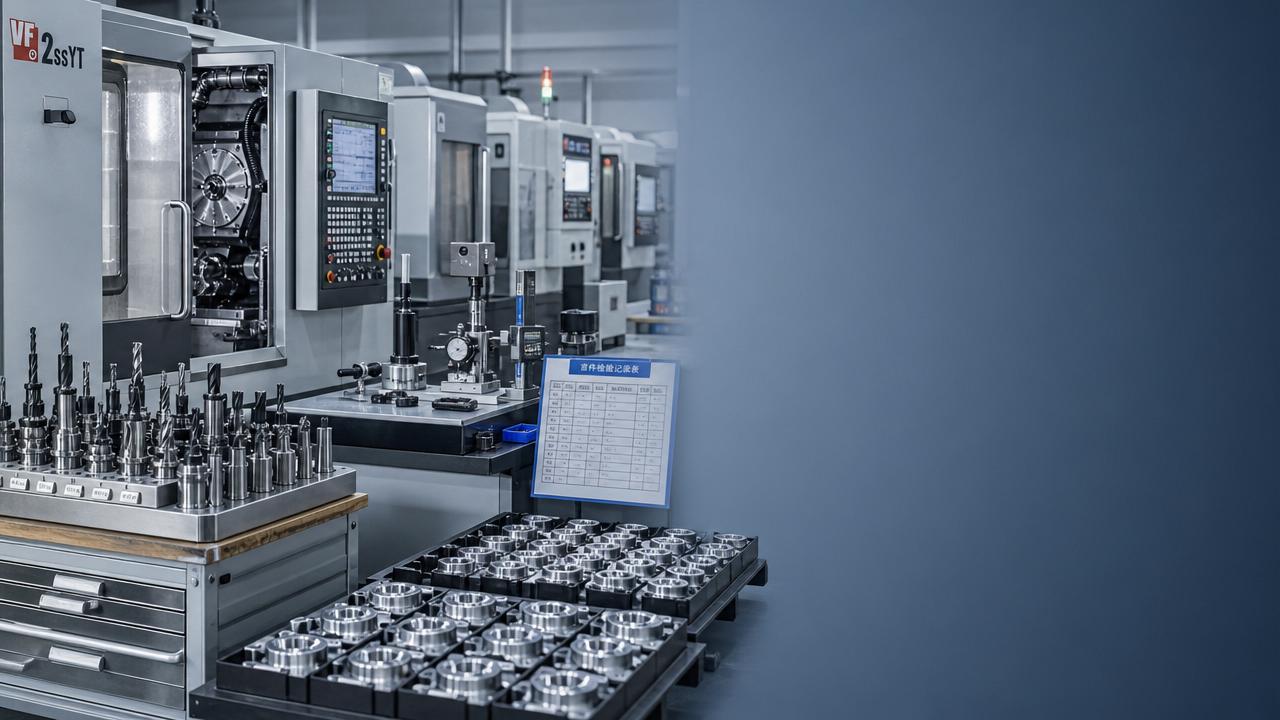
In mixed-batch manufacturing, the Production Process rarely slows because a spindle lacks speed. Delays usually appear between jobs, between people, and between decisions.
A CNC line may cut fast, yet lose hours during setup switches, program validation, fixture changes, inspection approvals, and urgent schedule reshuffling.
This pattern matters across automotive, aerospace, energy equipment, electronics, and general precision machining. Mixed-batch orders are now common, not exceptional.
Understanding where the Production Process slows down helps improve delivery performance, machine utilization, quality consistency, and overall shop-floor stability.
What the Production Process Means in Mixed-Batch CNC Operations
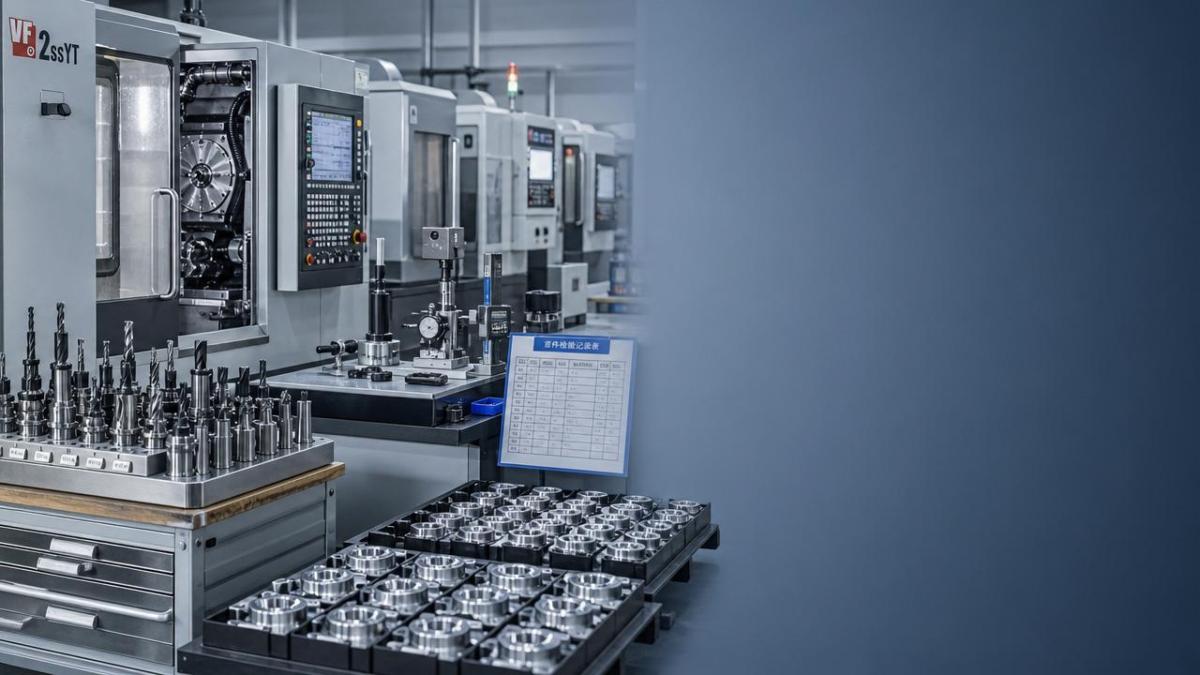
In this context, the Production Process includes every step from order release to final inspection and shipment readiness.
It covers planning, material release, tooling preparation, machine setup, program loading, trial cutting, in-process checks, and documentation closure.
For mixed-batch work, each new part family introduces variation. Variation increases coordination work, and coordination often becomes the hidden bottleneck.
Unlike long-run production, mixed-batch machining depends less on steady repetition and more on rapid transition quality between dissimilar orders.
That is why the Production Process must be reviewed as a system, not only as machine cycle time.
Current Industry Signals Behind Production Process Delays
Global CNC manufacturing is moving toward higher mix, tighter tolerances, shorter lead times, and more digital integration.
These changes increase output flexibility, but they also make the Production Process more sensitive to small planning errors.
Across major manufacturing regions, competitiveness now depends on reducing transition losses rather than only adding machine capacity.
Where the Production Process Commonly Slows Down
1. Changeovers between unrelated part families
A machine may finish one order quickly, then wait for jaws, fixtures, tool offsets, and probing references for the next order.
If setup sheets are incomplete, the Production Process stalls before the first chip is made.
2. Tooling preparation and presetting gaps
Mixed-batch work needs many tools with different lengths, diameters, coatings, and life conditions. Missing one prepared tool can delay an entire route.
Tool crib accuracy directly affects the Production Process, especially in unattended or evening shifts.
3. Scheduling conflicts across shared resources
Machines are not the only constrained assets. CMM stations, special fixtures, setters, and programmers also shape throughput.
When two urgent jobs need the same support resource, the Production Process slows even if machines remain available.
4. Program verification and first-piece approval
New or revised programs often require dry runs, simulation checks, and careful first-off measurement.
This protects quality, but poor revision control can extend the Production Process far beyond planned setup time.
5. Quality inspection queues
Inspection is frequently treated as separate from production. In reality, it is a critical stage inside the Production Process.
If inspectors, gauges, or programs are not ready, parts wait. Waiting parts lock pallets, racks, and machine decisions.
6. Material and document release issues
A small paperwork mismatch can stop a high-value CNC job. Material certificates, drawing revisions, and traveler instructions must align.
In mixed-batch environments, administrative friction quietly slows the Production Process every day.
Why These Slow Points Matter for Business Performance
A slow Production Process raises more than lead time. It also increases overtime, work-in-progress, rescheduling frequency, and quality risk.
In precision manufacturing, unstable flow often causes late engineering responses and more rushed decision-making on the floor.
- Lower machine utilization despite strong equipment capability
- Higher indirect labor per order
- More schedule volatility between departments
- Greater exposure to scrap during rushed startups
- Reduced confidence in delivery commitments
When the Production Process becomes predictable, every downstream metric usually improves with it.
Typical Mixed-Batch Scenarios That Expose Production Process Weaknesses
These examples show that the Production Process slows differently by product type, but the root issue is usually transition management.
Practical Ways to Stabilize the Production Process
Standardize setup information
Use one controlled format for tools, offsets, clamping notes, probing steps, and revision history. Ambiguity creates repeated delays.
Separate internal and external setup work
Prepare jaws, tools, gauges, and documents before the machine stops. This shortens the exposed setup portion of the Production Process.
Schedule around shared constraints
Plan with visibility for CMM capacity, programmer availability, and fixture readiness, not only machine time.
Use part family logic
Group orders with similar materials, fixturing, or tool packages. Better sequencing reduces disruption across the Production Process.
Digitize approval checkpoints
Track first-piece approval, inspection status, and document release in real time. Hidden waiting becomes visible and measurable.
Measure transition loss directly
Record setup start, trial completion, approval release, and productive cut start. These timestamps reveal where the Production Process truly slows.
Operational Cautions When Improving the Production Process
Speed improvements should never weaken quality discipline. Faster handoffs without reliable standards often increase scrap and rework.
It is also risky to automate poor workflows. Digital dashboards help only when routing logic and data ownership are already clear.
- Keep engineering revisions synchronized with machine programs
- Protect first-piece validation for high-risk parts
- Review bottlenecks by part family, not only by department
- Avoid overloading key people with invisible support tasks
The best Production Process improvements are repeatable, documented, and easy to audit across shifts.
Next-Step Focus for a Stronger Production Process
Start with one mixed-batch cell and map every transition between completed order and first approved part of the next order.
List waiting points for tools, fixtures, programs, quality checks, and document release. Then rank delays by frequency and total lost time.
This simple review often shows that the Production Process is slowed less by cutting capacity and more by unmanaged coordination.
Once those losses are visible, targeted action becomes easier, and mixed-batch CNC production becomes more stable, predictable, and scalable.
PREVIOUS ARTICLE
NEXT ARTICLE
Recommended for You
![]() Fuxing EMU Trainset Procurement Reaches ¥4.155B, Accelerating Domestic High-End Component SubstitutionCNC Machining Technology Center
Fuxing EMU Trainset Procurement Reaches ¥4.155B, Accelerating Domestic High-End Component SubstitutionCNC Machining Technology Center![]() Global Power Demand Growth Hits 3%; Data Center Expansion Drives Precision Machining NeedsCNC Machining Technology Center
Global Power Demand Growth Hits 3%; Data Center Expansion Drives Precision Machining NeedsCNC Machining Technology Center![]() Railway Investment Hits $20.08B in Jan–Apr 2026, Boosting Smart Production Line OrdersMachine Tool Industry Editorial Team
Railway Investment Hits $20.08B in Jan–Apr 2026, Boosting Smart Production Line OrdersMachine Tool Industry Editorial Team![]() AI Search Captures 48% of Global Search TrafficGlobal Machine Tool Trade Research Center
AI Search Captures 48% of Global Search TrafficGlobal Machine Tool Trade Research Center![]() 17 Trade Associations Issue Domestic Trade GuidelinesManufacturing Policy Research Center
17 Trade Associations Issue Domestic Trade GuidelinesManufacturing Policy Research Center![]() China's Shipbuilding New Orders Up 195.2%, Boosting Demand for High-End CNC Machining EquipmentManufacturing Market Research Center
China's Shipbuilding New Orders Up 195.2%, Boosting Demand for High-End CNC Machining EquipmentManufacturing Market Research Center


Aris Katos
Future of Carbide Coatings
15+ years in precision manufacturing systems. Specialized in high-speed milling and aerospace grade alloy processing.
▶
Where the Production Process Slows Down in Mixed-Batch OrdersCNC Machining Technology Center▶
Production Process Gaps That Lead to Unstable Product QualityCNC Machining Technology Center▶
Where the Production Process Hides More Scrap Than ExpectedCNC Machining Technology Center▶
Production Process bottlenecks that do not show up in basic KPIsCNC Machining Technology Center▶
Production Process gaps that create hidden delivery riskCNC Machining Technology Center
Mastering 5-Axis Workholding Strategies
Join our technical panel on Nov 15th to learn about reducing vibrations in thin-wall components.

Providing you with integrated sanding solutions
Before-sales and after-sales services
Comprehensive technical support