• Global CNC market projected to reach $128B by 2028 • New EU trade regulations for precision tooling components • Aerospace deman
NYSE: CNC +1.2%LME: STEEL -0.4%

Where the Production Process slows down and how to fix it
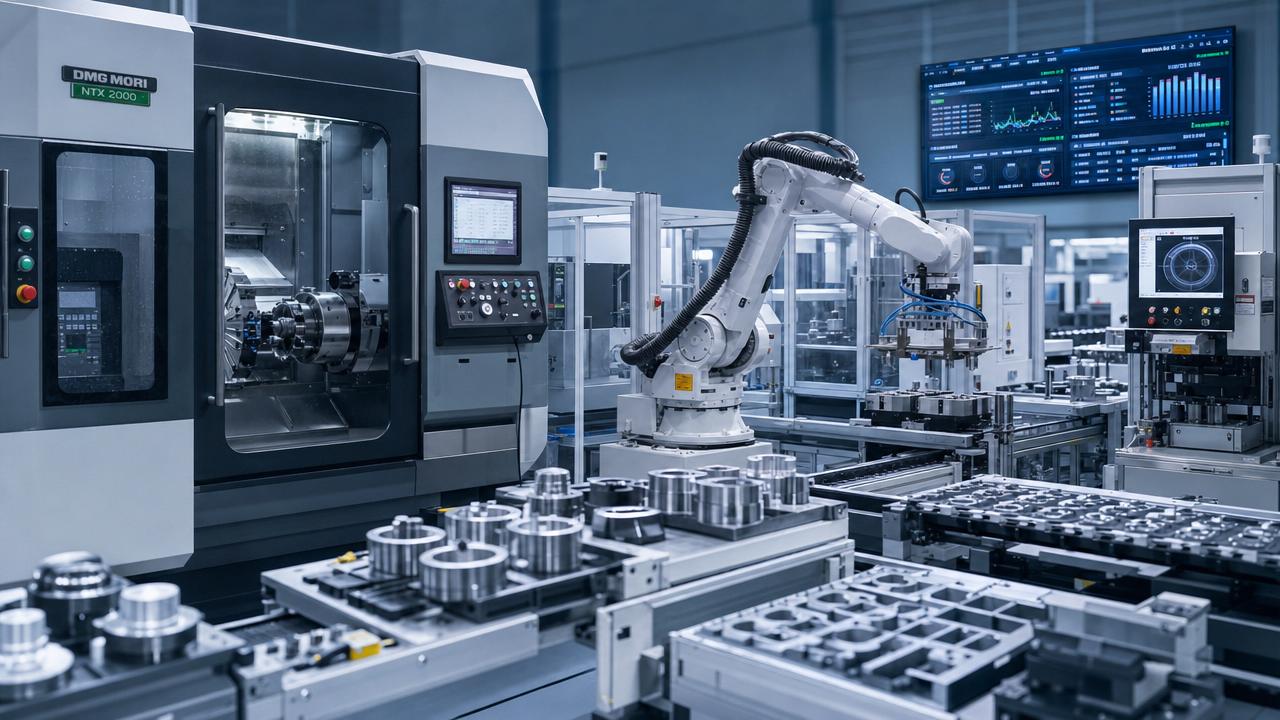
In modern manufacturing, even a small delay in the Production Process can trigger missed delivery dates, rising scrap, unstable quality, and poor machine utilization. Across CNC machining, automated assembly, and precision production, bottlenecks now appear faster because orders are more customized, tolerances are tighter, and planning cycles are shorter. Understanding where the Production Process slows down is no longer only an operational concern. It has become a strategic requirement for stable output, cost control, and digital competitiveness.
Where the Production Process is changing under smarter manufacturing pressure
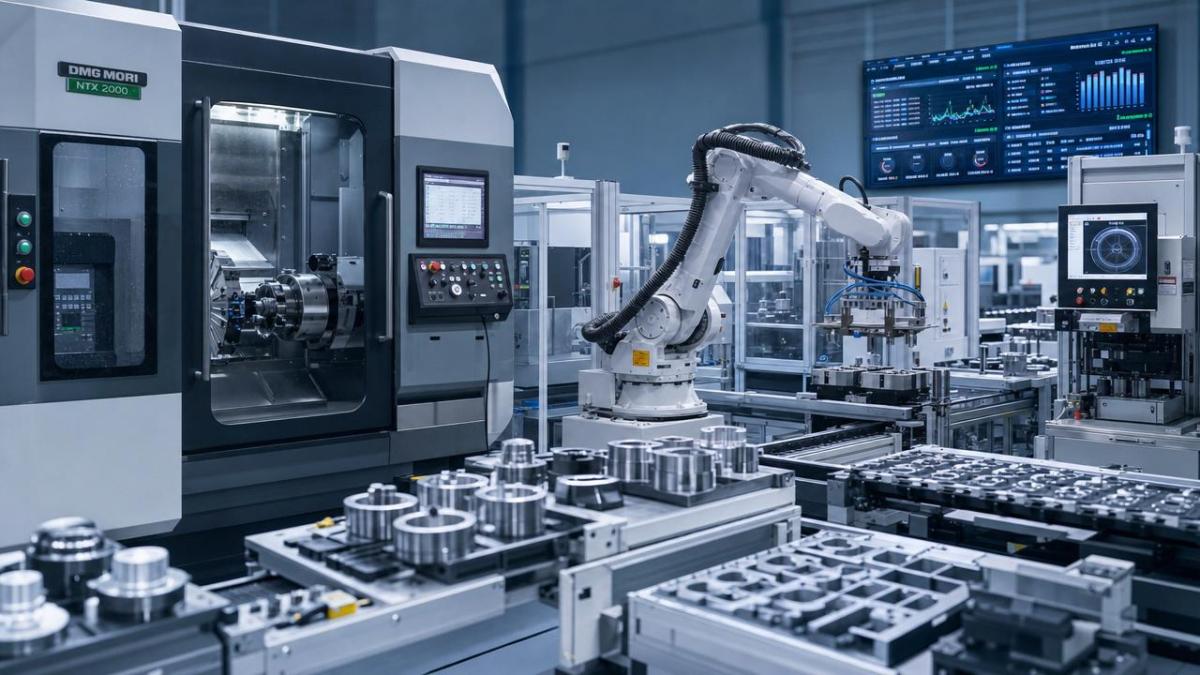
The Production Process used to depend on fixed schedules and predictable batches. That model is weakening. Today, mixed-volume production, shorter product life cycles, and connected equipment expose delays that were once hidden inside daily routines.
In CNC machine tool environments, one late program revision can delay the next operation. A missing fixture, tool preset error, or inspection queue can slow an entire line. These issues are small alone, but serious together.
Another visible shift is data transparency. Smart factory systems now show idle time, tool wear, cycle drift, and changeover loss in real time. As a result, the Production Process is judged not only by output, but by responsiveness and stability.
This matters across automotive, aerospace, electronics, and energy equipment. In each sector, precision manufacturing depends on smooth handoffs between planning, machining, inspection, logistics, and maintenance. A weak link slows the whole chain.
The most common signals that the Production Process is slowing down
Bottlenecks rarely begin with a full stoppage. They usually start as repeated small signals. Detecting them early helps prevent larger schedule and quality failures.
- Machines wait for materials, tooling, drawings, or approved programs.
- Setup times increase as product variation grows.
- Inspection becomes a queue instead of an in-process control point.
- Rework rises after downstream operations reveal upstream mistakes.
- Production planning changes too often, causing unstable machine loading.
- Tool life is inconsistent, creating unexpected stoppages.
- Manual data entry delays decisions on quality and capacity.
When these signs appear together, the Production Process is not simply busy. It is losing flow. That distinction is important because high activity can still mean low efficiency.
Why the Production Process slows down: the main driving factors
Several forces are reshaping modern manufacturing. They create more opportunities, but they also increase process complexity. The table below summarizes the most common drivers behind Production Process slowdowns.
These drivers explain why the Production Process often slows in advanced factories, not only in low-efficiency environments. Complexity, not laziness, is now the bigger challenge.
The biggest bottlenecks usually appear between operations, not inside one machine
Many teams first look at spindle speed, feed rate, or machine cycle time. Those matter, but major delays often happen between stages. Waiting, transport, confirmation, and rechecking create hidden losses across the Production Process.
Planning to shop floor handoff
If work orders, NC programs, setup sheets, and revision controls are not synchronized, operators pause for clarification. That delay can spread across several machines within hours.
Setup and changeover
In precision machining, setup quality defines downstream speed. Poor fixture readiness, missing tools, and manual offset entry turn every product switch into a disruption.
In-process inspection
Inspection should guide the Production Process, not block it. When metrology resources are limited, parts wait for approval instead of moving forward confidently.
Internal logistics
Material shortages are obvious, but material misplacement is often worse. WIP that cannot be located quickly creates false urgency and disrupts scheduling accuracy.
Maintenance and tool management
Unexpected tool breakage and minor machine faults can stop the Production Process without warning. Predictive maintenance and tool life monitoring reduce these avoidable interruptions.
How slowdowns in the Production Process affect cost, quality, and delivery
A delayed Production Process affects more than machine output. It changes business performance across the full manufacturing system.
- Cost rises through overtime, rework, excess WIP, and poor equipment utilization.
- Quality risk increases because rushed recovery actions often bypass process discipline.
- Lead times become less reliable, making planning and customer commitments harder.
- Capacity appears full even when the real issue is weak flow control.
- Improvement investments deliver less value when root bottlenecks remain untreated.
In global CNC and precision manufacturing, delivery confidence now influences competitiveness as much as technical capability. A stable Production Process supports both.
What deserves attention first when the Production Process loses flow
Not every problem deserves equal effort. Early improvement should focus on the points that release flow fastest and create measurable operational visibility.
- Measure waiting time separately from machining time.
- Track setup losses by product family, machine type, and shift.
- Identify inspection queues and move more checks in-process.
- Standardize tool preparation before jobs reach the machine.
- Connect planning, CAM, quality, and machine data for faster decisions.
- Review recurring schedule changes and remove their root causes.
- Use OEE carefully, but also monitor flow efficiency and WIP age.
These priorities help reveal whether the Production Process is constrained by technology, coordination, or execution discipline.
Practical ways to fix the Production Process without creating new complexity
The best improvements are usually simple, visible, and repeatable. They reduce friction first, then add automation where it clearly supports flow.
Each fix should be tested against one question: does it make the Production Process flow with fewer pauses, fewer handoffs, and fewer surprises?
A clear next-step approach for stabilizing the Production Process
A useful improvement plan starts with one production family, one value stream, or one constrained resource. Broad transformation language is less effective than focused action.
- Map the current Production Process from order release to final inspection.
- Measure real waiting time, not only machine cycle time.
- Rank bottlenecks by frequency, impact, and ease of correction.
- Apply one operational fix and one digital visibility fix together.
- Review results weekly using delivery, scrap, WIP age, and setup data.
As smart manufacturing expands, the most competitive factories will not simply run faster machines. They will run a more visible, stable, and adaptable Production Process. The opportunity is not only to remove delays, but to build a production system that reacts early, improves continuously, and supports long-term precision manufacturing growth.
PREVIOUS ARTICLE
NEXT ARTICLE
Recommended for You
![]() Delta NC5 CNC System Gains TÜV Safety Certification, Enters BMW Production ValidationMachine Tool Industry Editorial Team
Delta NC5 CNC System Gains TÜV Safety Certification, Enters BMW Production ValidationMachine Tool Industry Editorial Team![]() Vietnam's Draft AI Safety Rule for CNC Machines Requires Dual CertificationManufacturing Policy Research Center
Vietnam's Draft AI Safety Rule for CNC Machines Requires Dual CertificationManufacturing Policy Research Center![]() First CNC Machine Carbon Footprint Guide Released in ChinaManufacturing Policy Research Center
First CNC Machine Carbon Footprint Guide Released in ChinaManufacturing Policy Research Center![]() Brazil INMETRO Launches Spot Inspections on CNC LathesMachine Tool Industry Editorial Team
Brazil INMETRO Launches Spot Inspections on CNC LathesMachine Tool Industry Editorial Team![]() Japan METI Green Subsidy: Up to ¥4M for Chinese High-Efficiency CNC SystemsManufacturing Policy Research Center
Japan METI Green Subsidy: Up to ¥4M for Chinese High-Efficiency CNC SystemsManufacturing Policy Research Center![]() Red Sea Shipping Crisis Escalates: CNC Equipment Delays Hit 14.2 Days on Asia-Europe RoutesManufacturing Market Research Center
Red Sea Shipping Crisis Escalates: CNC Equipment Delays Hit 14.2 Days on Asia-Europe RoutesManufacturing Market Research Center


Aris Katos
Future of Carbide Coatings
15+ years in precision manufacturing systems. Specialized in high-speed milling and aerospace grade alloy processing.
▶
Where the Production Process slows down and how to fix itCNC Machining Technology Center▶
A stable Production Process starts with fewer handoffsCNC Machining Technology Center▶
A weak Production Process often hides in these 5 signalsCNC Machining Technology Center▶
Which Production Process delays usually ruin delivery plans?CNC Machining Technology Center▶
What slows a Production Process more than teams expect?CNC Machining Technology Center
Mastering 5-Axis Workholding Strategies
Join our technical panel on Nov 15th to learn about reducing vibrations in thin-wall components.

Providing you with integrated sanding solutions
Before-sales and after-sales services
Comprehensive technical support