• Global CNC market projected to reach $128B by 2028 • New EU trade regulations for precision tooling components • Aerospace deman
NYSE: CNC +1.2%LME: STEEL -0.4%

How Fixture Design Improves CNC Cutting Stability
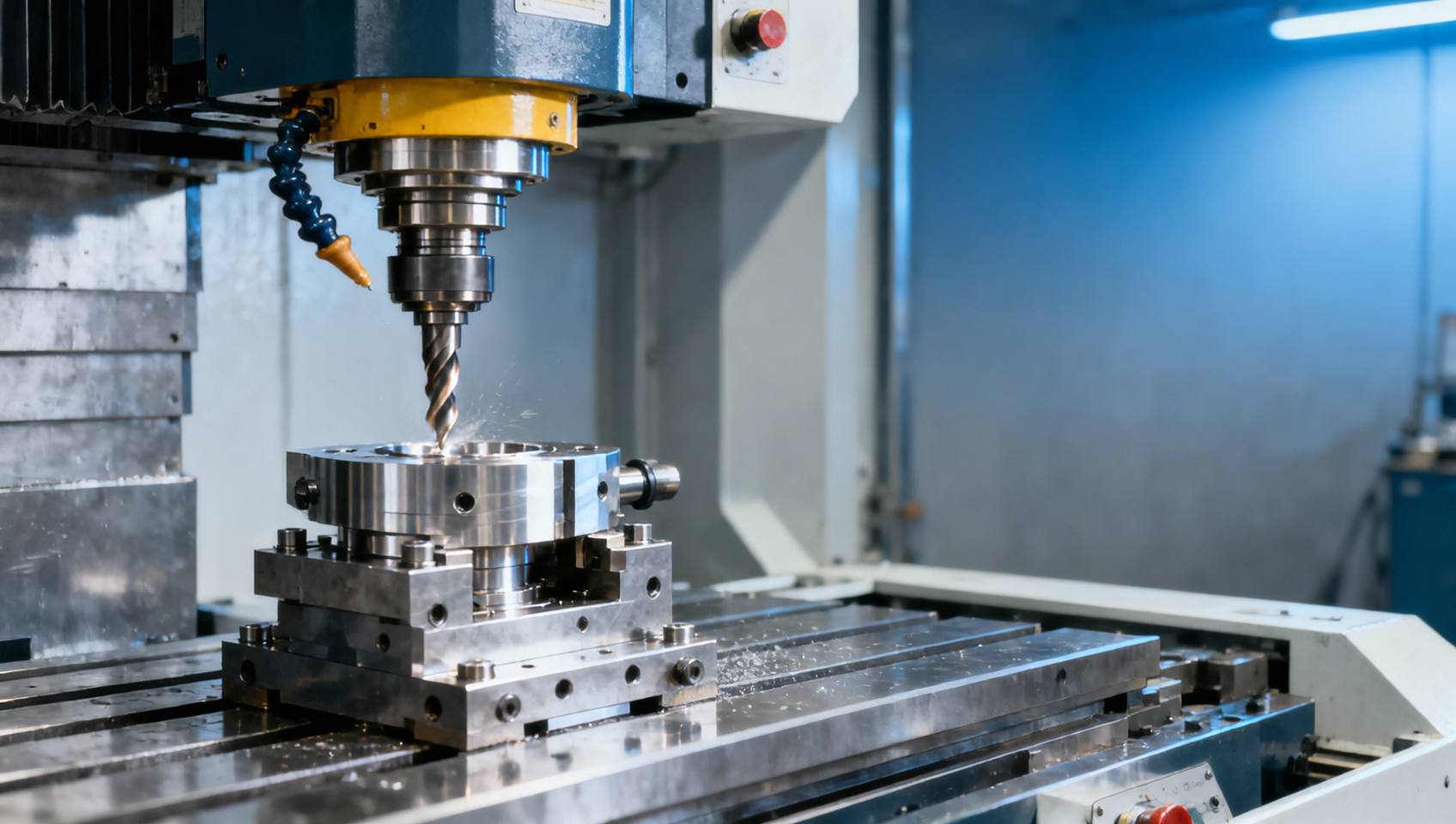
In CNC cutting, fixture design is not a minor setup detail—it is one of the main reasons a process stays stable or becomes unpredictable. A well-designed fixture limits part movement, reduces vibration, supports consistent cutting forces, and helps maintain dimensional accuracy across batches. For operators, process engineers, buyers, and manufacturing decision-makers, the practical takeaway is simple: if cutting stability is poor, fixture design is often one of the first areas worth reviewing.
In real production, unstable machining shows up as chatter marks, poor surface finish, inconsistent tolerances, premature tool wear, and difficulty holding repeatability from one workpiece to the next. Whether the application involves CNC milling, turning on a metal lathe, or machining shaft parts and structural components, fixture performance directly affects output quality and production efficiency.
Why Fixture Design Matters So Much for CNC Cutting Stability
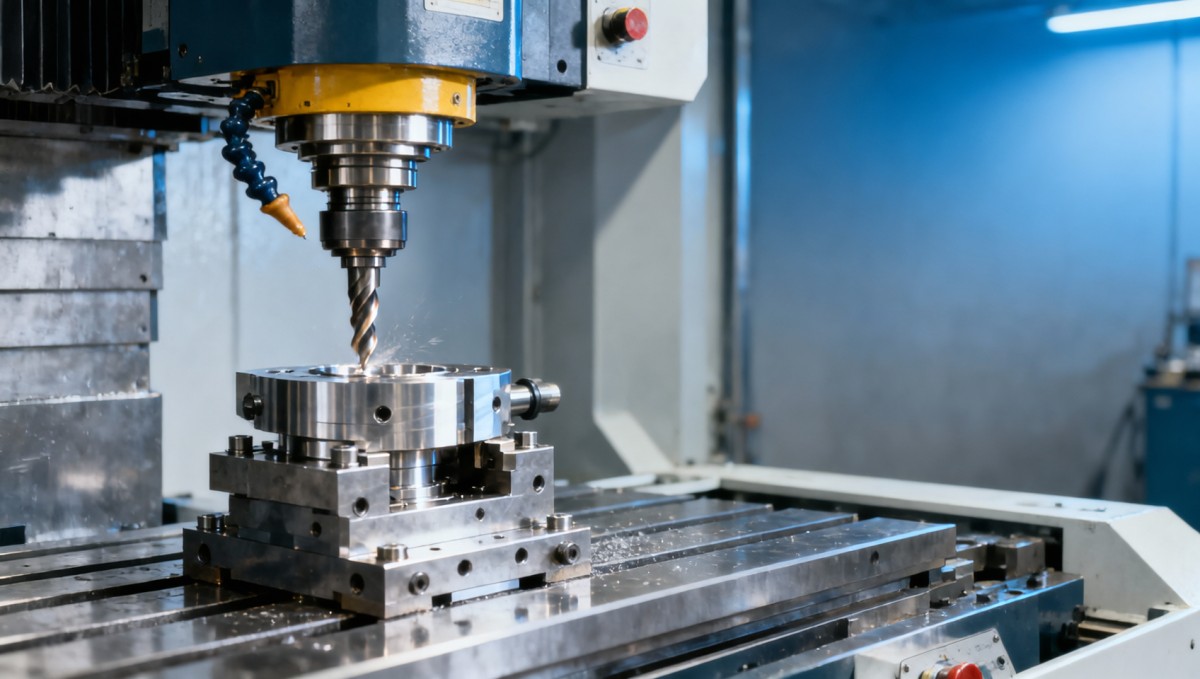
The core function of a fixture is to hold the workpiece in a predictable, repeatable, and secure position during machining. In CNC cutting, the machine, tool, material, and cutting parameters all interact with cutting forces. If the workpiece is not properly restrained, even a high-end CNC machine tool cannot fully deliver its precision.
Good fixture design improves stability in several ways:
- Reduces vibration and chatter: Proper clamping and support minimize unwanted movement during cutting.
- Maintains dimensional accuracy: Stable positioning helps the machine follow the programmed path more consistently.
- Improves surface finish: Less deflection and vibration typically lead to cleaner surfaces.
- Supports repeatability: Parts can be loaded and machined in the same position across multiple cycles.
- Protects tools and spindles: Stable cutting conditions reduce shock loads and irregular tool engagement.
- Raises productivity: More stable machining allows higher confidence in cycle times, feeds, and quality control.
For companies focused on automated production and precision manufacturing, this is especially important. Fixture design affects not only one machining operation, but also process consistency across the production line.
What Problems Usually Point to Poor Fixture Design
Many machining issues are first blamed on tooling, spindle condition, or programming, but fixture limitations are often the hidden cause. Common warning signs include:
- Variation in part dimensions between batches
- Surface waviness, chatter marks, or burr formation
- Workpiece movement during heavy cutting
- Difficulty holding concentricity or positional tolerance
- Excessive tool wear in otherwise normal cutting conditions
- Frequent setup adjustments by operators
- Long loading and alignment times
For shaft parts, thin-wall components, discs, and complex structural parts, inadequate support is especially risky. These workpieces are more likely to deform under clamping pressure or cutting force, which means fixture design must balance rigidity with part protection.
How a Better Fixture Improves Real Machining Results
When fixture design is optimized, the most visible improvements usually appear in four production areas.
1. More reliable part positioning
A fixture should define a clear and repeatable datum strategy. If the workpiece sits differently each time, precision is already compromised before the cutting starts. Better locating elements improve consistency and reduce setup variation.
2. Stronger resistance to cutting forces
During CNC milling and turning, radial, axial, and tangential forces act on the workpiece. A fixture that distributes these forces effectively helps prevent displacement, tilting, and local deformation.
3. Lower vibration during machining
Long overhangs, weak support points, and poor clamp placement make the system more prone to vibration. Improved fixture stiffness can significantly reduce instability, especially in high-speed cutting or multi-axis machining.
4. Better production efficiency
Stable fixturing reduces rework, inspection failures, and operator intervention. It can also shorten setup time and support more consistent automation, which matters to both production planners and procurement teams evaluating equipment investments.
Key Fixture Design Factors That Affect Stability
For readers trying to assess fixture quality, these are the factors that matter most in practice.
Clamping force
Too little clamping allows movement. Too much clamping can deform the part, especially with thinner materials or precision features. The right fixture applies enough force to resist cutting loads without damaging geometry.
Support point placement
Support must be placed where the workpiece needs reinforcement most. Poor support locations can leave machining zones exposed to deflection. This is critical for long shaft parts, plates, and irregular components.
Fixture rigidity
The fixture body itself must resist deformation. Weak fixture structures can introduce instability even when the clamping concept is correct. Material selection, structural layout, and mounting condition all matter.
Contact surface design
The geometry and finish of locating and clamping surfaces affect how evenly force is distributed. Better contact design improves repeatability and reduces local stress concentration.
Accessibility for cutting tools
A fixture must hold the part securely without interfering with tool paths. If accessibility is poor, programmers may be forced into less efficient cutting strategies, which can reduce process stability.
Ease of loading and unloading
For automated production and medium-to-high volume manufacturing, fixture usability matters. A stable fixture that is difficult to operate may still reduce overall productivity.
Fixture Design Considerations for Different CNC Applications
Not all CNC cutting operations place the same demands on fixturing. The best fixture strategy depends on the part type, machine configuration, and cutting method.
CNC milling
In milling, cutting forces often change direction as the tool moves through the toolpath. Fixtures for milling must resist multidirectional loads while keeping the part accessible. Thin plates and large flat parts may require multiple support points to prevent vibration and bending.
Metal lathe and turning operations
Turning often focuses on rotational stability, concentricity, and support for long parts. Shaft components may need tailstock support, steady rests, or custom clamping systems to avoid deflection and chatter.
Multi-axis machining
Multi-axis systems demand fixtures that maintain stability from several tool approach angles. Compact but rigid fixture design becomes essential, especially when one setup is used to complete multiple surfaces.
Precision structural parts
Complex aerospace, electronics, or energy equipment parts often require fixtures that manage both rigidity and deformation control. In these cases, fixture design is closely tied to tolerance strategy and machining sequence planning.
What Operators, Engineers, and Buyers Should Evaluate Before Choosing a Fixture Solution
Different readers look at fixture design from different angles, but a few evaluation questions are useful for nearly everyone.
For operators and process users
- Does the fixture hold the part consistently without repeated adjustment?
- Is loading fast, safe, and easy to repeat?
- Does the setup reduce vibration and improve cutting confidence?
- Can it maintain accuracy over long production runs?
For procurement teams
- Will the fixture support target throughput and quality requirements?
- Is it suitable for current and future part families?
- What is the expected impact on scrap reduction and tool life?
- How complex will maintenance and replacement be?
For business and production evaluators
- Does improved fixturing create measurable ROI through better yield and less downtime?
- Will it support automation or flexible production line goals?
- Can it reduce dependence on operator experience alone?
- Is the fixture strategy scalable across multiple machines or plants?
These questions help move the discussion beyond “Can it clamp the part?” to “Will it improve the production process in a measurable way?”
Best Practices for Improving CNC Fixture Performance
If machining stability needs improvement, several practical actions usually deliver results faster than broad trial and error.
- Review actual cutting force direction: Clamp and support should match the real load path, not just the part shape.
- Reduce unsupported length: Long unsupported zones are common causes of vibration and deflection.
- Optimize locator and clamp placement: Improve force balance and minimize distortion.
- Match fixture design to part stiffness: Fragile or thin-wall parts need different strategies than solid blocks.
- Test fixture behavior under production conditions: A setup that works in trial cutting may behave differently at full production speed.
- Combine fixture review with tooling and parameter optimization: Stability comes from the whole machining system, not fixturing alone.
In advanced CNC production environments, digital simulation, in-process monitoring, and modular fixture systems are increasingly used to speed up optimization and reduce setup variability.
Conclusion
Fixture design improves CNC cutting stability by controlling workpiece movement, resisting cutting forces, reducing vibration, and supporting repeatable positioning. In practical terms, that means better accuracy, improved surface quality, longer tool life, fewer defects, and more dependable production output.
For manufacturers in precision machining, CNC milling, turning, and automated production, fixture design should be treated as a core process variable—not just an accessory to the machine. If a machining operation is struggling with stability, reviewing the fixture is often one of the most effective ways to improve results and strengthen overall CNC production performance.
PREVIOUS ARTICLE
NEXT ARTICLE
Recommended for You
![]() China Releases First Eastern Sea Seabed Elemental MapGlobal Machine Tool Trade Research Center
China Releases First Eastern Sea Seabed Elemental MapGlobal Machine Tool Trade Research Center![]() AIMM National Standard Advances for CNC Smart Factory CertificationManufacturing Policy Research Center
AIMM National Standard Advances for CNC Smart Factory CertificationManufacturing Policy Research Center![]() eVTOL Mass Production Drives CNC Export GrowthGlobal Machine Tool Trade Research Center
eVTOL Mass Production Drives CNC Export GrowthGlobal Machine Tool Trade Research Center![]() China Launches World's Largest Agri-Meteorological Observation NetworkManufacturing Market Research Center
China Launches World's Largest Agri-Meteorological Observation NetworkManufacturing Market Research Center![]() Robotics ToB Scaling Hits Data Bottleneck in CNC AI InspectionCNC Machining Technology Center
Robotics ToB Scaling Hits Data Bottleneck in CNC AI InspectionCNC Machining Technology Center![]() SAMR to Complete 1,800+ Standards Revisions in 2026Manufacturing Policy Research Center
SAMR to Complete 1,800+ Standards Revisions in 2026Manufacturing Policy Research Center


Aris Katos
Future of Carbide Coatings
15+ years in precision manufacturing systems. Specialized in high-speed milling and aerospace grade alloy processing.
▶
How Fixture Design Improves CNC Cutting StabilityCNC Machining Technology Center▶
Cost-effective Fixture Design for Mass Production Starts HereCNC Machining Technology Center▶
Custom Fixture Design Mistakes That Ruin CNC Milling AccuracyCNC Machining Technology Center▶
Quick-change Fixture Design for CNC turning: Why clamping force consistency drops after 200 cyclesCNC Machining Technology Center▶
Quick setup CNC manufacturing: Is ‘fast changeover’ really delivering ROI on the shop floor?CNC Machining Technology Center
Mastering 5-Axis Workholding Strategies
Join our technical panel on Nov 15th to learn about reducing vibrations in thin-wall components.

Providing you with integrated sanding solutions
Before-sales and after-sales services
Comprehensive technical support